
Texas U.S. Investment Success Stories and Key Considerations: Lessons from Real-World Experience
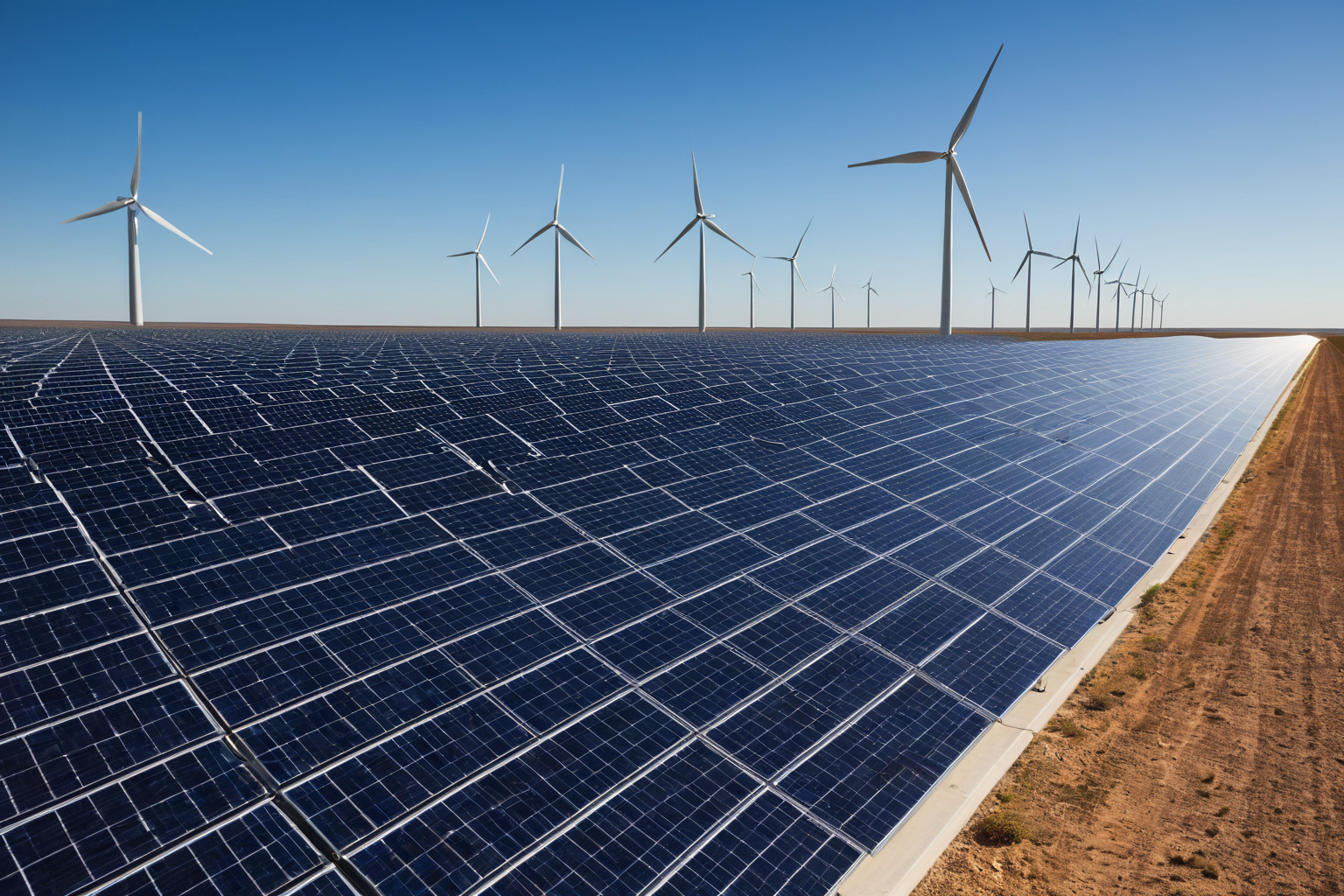
Texas U.S. Investment Success Stories and Key Considerations
Korean companies are increasingly interested in large-scale energy projects in Texas, the United States. The 'U.S. Investment No. 1' project, a Texas LNG power plant expected to generate 600 trillion won in revenue over 20 years with a 30 trillion won investment, has been reported as a 22.3 billion dollar facility. However, challenges and disputes related to U.S. investments continue, with some companies facing difficulties due to requests for increased project budgets.
South Korea's Southern Power successfully completed a 1.2 trillion won refinancing for its U.S. gas combined power project, while Korea Midland Power is expanding 'K-renewable energy' by developing a large-scale solar belt in Texas. However, some cases of over-investment based solely on AI demand projections have raised concerns about the need for caution.
Success Stories: U.S. Investment No. 1 and Southern Power's Refinancing
The Texas gas power project was confirmed as 'U.S. Investment No. 1' following a September 22, 2026 report. This project marked the beginning of a $35 billion U.S. investment initiative. The Texas power plant was reported as the 'first step in U.S. investment' on July 30, 2026, with an expected investment of 29 trillion won generating 600 trillion won in revenue over 20 years.
On May 13, 2026, Southern Power successfully completed a 1.2 trillion won refinancing for its U.S. gas combined power project. This success has been highlighted as a positive example of U.S. investment, contributing to the expansion of energy projects in Texas. Southern Power is also accelerating its North American BESS market strategy through partnerships with global companies.
Texas Renewable Energy Expansion: Midland Power's Solar Belt and Southern Power's Battery Entry
Korea Midland Power announced the construction of a large-scale solar belt in Texas on February 12, 2026, declaring its expansion of 'K-renewable energy' territory. This has been noted as an example strengthening Korean companies' overseas renewable energy strategy. Southern Power entered the Texas battery market on January 26, 2026, forming a 'BESS Coalition' with four global companies.
Dae Woo Construction has also returned to U.S. development projects after 20 years, attempting to shift from 'contractor' to 'global developer,' showcasing strategic changes by Korean companies to strengthen their competitiveness in the U.S. market.
Key Considerations: Overinvestment Based on AI Demand and Need for Regulatory Improvement
A case where a company bet 30 trillion won based solely on AI demand without power purchase agreements was reported on September 20, 2026. This highlights the need to avoid over-investment based only on projected AI demand, as investment decisions were made without securing power purchase contracts.
The establishment of 'mega special zones' and regulatory improvements in the U.S. have been identified as key factors for successful mega-projects. These measures are expected to reduce disputes related to U.S. investments and improve the investment environment.
Progress on U.S. Investment Negotiations
Kim Jeong-gwan visited the United States on September 10, 2026, with reports indicating ongoing negotiations to finalize U.S. investment agreements. This suggests important discussions are taking place in the final stages before signing.
The Texas gas power project was reported as 'U.S. Investment No. 1' on January 2, 2026, marking a key milestone for Korean companies' overseas energy investments. With increasing AI power demand paving the way for a new nuclear era, corresponding energy policies are needed to reflect these changes.
Verified Information
Reports about Texas U.S. investment cover the start of a $35 billion U.S. investment initiative. However, specific difficulties related to increased project costs have not been reported. The case of over-investment based solely on AI demand was reported as an isolated incident where investments were made without power purchase agreements.
While 'mega special zones' and regulatory improvements in the U.S. are identified as key factors for successful mega-projects, specific policy details have not been disclosed. Negotiations for U.S. investment are progressing through Kim Jeong-gwan's visit to the United States, with final signing negotiations underway.
Frequently Asked Questions
Q: What is the 'U.S. Investment No. 1' project in Texas?
The Texas gas power plant has been identified as 'U.S. Investment No. 1,' a project with an investment of 29 trillion won expected to generate 600 trillion won in revenue over 20 years. A 22.3 billion dollar power plant is reported as the likely facility.
Q: What does Southern Power's successful refinancing mean?
On May 13, 2026, Southern Power successfully completed a 1.2 trillion won refinancing for its U.S. gas combined power project. This success has been highlighted as an example of successful U.S. investment and contributed to expanding energy projects in Texas.
Q: If there's an investment based solely on AI demand, how should it be handled?
The case where 30 trillion won was invested based solely on AI demand without power purchase agreements highlights the need for securing power purchase contracts and conducting thorough analysis before making investment decisions.
Frequently Asked Questions
Texas U.S. investments have become an important milestone for Korean companies entering global energy markets. Success stories like 'U.S. Investment No. 1' and Southern Power's successful refinancing demonstrate the importance of strategic investment approaches and regulatory environment improvements. However, cases of over-investment based solely on AI demand warn that securing power purchase contracts and conducting evidence-based analysis are essential for future investments.
The establishment of 'mega special zones' and regulatory improvements in the U.S. will be key factors determining the success of U.S. investment projects. Continued attention to related reports and policy changes is recommended going forward.
You can view similar articles on this topic in one place.
View Related ArticlesFAQ
What is the 'U.S. Investment No. 1' project in Texas?
The Texas gas power plant has been identified as 'U.S. Investment No. 1,' a project with an investment of 29 trillion won expected to generate 600 trillion won in revenue over 20 years. A 22.3 billion dollar power plant is reported as the likely facility.
What does Southern Power's successful refinancing mean?
On May 13, 2026, Southern Power successfully completed a 1.2 trillion won refinancing for its U.S. gas combined power project. This success has been highlighted as an example of successful U.S. investment and contributed to expanding energy projects in Texas.
If there's an investment based solely on AI demand, how should it be handled?
The case where 30 trillion won was invested based solely on AI demand without power purchase agreements highlights the need for securing power purchase contracts and conducting thorough analysis before making investment decisions.
Korean Source
This article is an English localization of a Korean-language report from BlogScore. Original: 텍사스 대미투자 성공 사례와 주의점: 실전에서 배운 교훈