
Texas Gas Power Plant's Environmental Impact and Alternative Energy Strategy
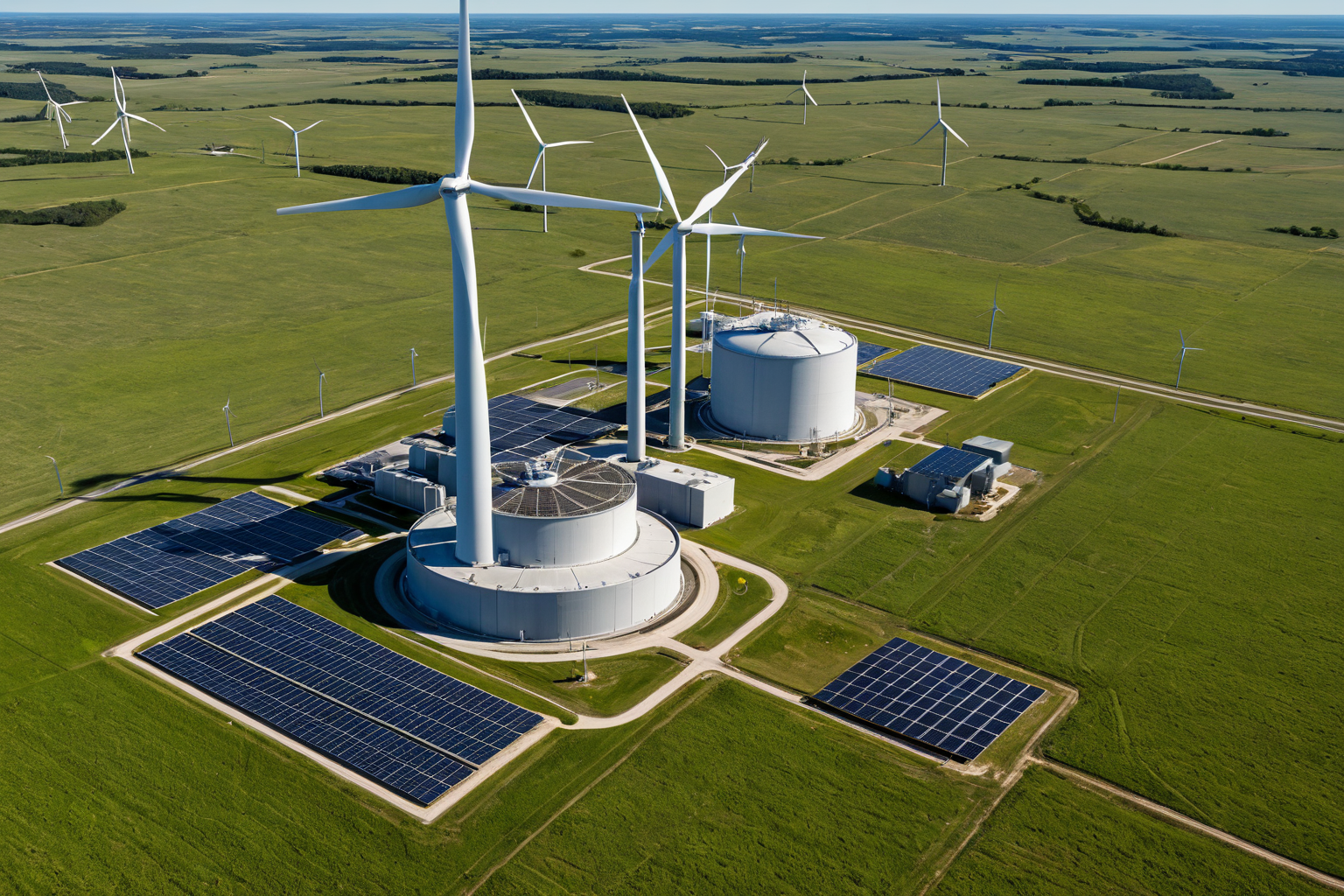
Texas Gas Power Plant Confirmed as First US Investment Project
A gas power plant located in Texas has been confirmed as South Korea's first major investment project in the United States. The $2.5 billion facility is strategically significant due to increasing demand for AI data centers, and it coincides with ongoing plans for collaboration on nuclear power plants and Alaska LNG projects.
The Ministry of Trade, Industry, and Energy announced the Texas gas power plant as its first US investment project on September 30, 2026. The facility is seen as the initial step for South Korea's 'Korean-type nuclear reactors' entering the U.S. market, with an expected return rate of 15%. However, community opposition and environmental concerns related to Amazon's AI data center expansion have emerged.
Scale and Strategic Importance of First US Investment
The Texas gas power plant, valued at $2.5 billion, has been confirmed as South Korea's first major investment project in the U.S. The facility is attracting attention as a key supplier for growing demand from AI data centers, with future plans to advance South Korea's market entry strategy through additional investments in Korean-type nuclear reactors and Alaska LNG.
Plans also include potential investments in eight nuclear power plants within the U.S., alongside Alaska LNG projects. The Ministry views this Texas gas plant as a strategic starting point for exporting 'Korean-type nuclear reactors' to the American market, with an expected 15% return rate. Commercial feasibility is currently under review.
Environmental Concerns Linked to Amazon Data Centers
The Texas gas power plant has gained attention due to rising demand from Amazon's AI data center expansion. Environmental groups warn that the facility could become the largest polluter in the U.S. if built to meet this demand. Media coverage of these concerns intensified between mid-August 2026.
Environmental organizations have warned that the Texas gas power plant, constructed to supply electricity for Amazon's data centers, could become the largest carbon emitter in the United States. Major media outlets reported on August 10 and 14, 2026, using the term 'largest polluter' in their coverage.
Alternative Energy Strategy and LNG Industry Shifts
In Texas, an alternative energy strategy is underway with the 'Big Luther' solar project. This initiative will build a 1.2 GW solar power plant on what was once the largest coal mine site in the U.S. Major power plant investments are ongoing in Texas, aiming for $2.5 billion in investment to secure a stable foundation.
U.S. natural gas prices surged more than twofold within ten days starting January 28, 2026, increasing interest in the LNG industry. This trend is connected to power plant investments in Texas as well.
Korea's Response to Westinghouse Equity Negotiations
South Korea's response to U.S. Westinghouse Energy has drawn attention. The U.S. proposed a 5-10% equity stake in Westinghouse, but the South Korean government countered that 'investments should not be limited to monetary payments.' This was explained by the Ministry of Trade, Industry, and Energy regarding media coverage.
The Ministry is working to solidify South Korea's market entry strategy through this first US investment project. However, concerns have been raised that negotiations could be delayed due to disputes over Westinghouse equity stakes.
Plans for Eight U.S. Nuclear Plants and Alaska LNG Investment
The Texas gas power plant serves as an initial step, with subsequent plans to review investments in eight nuclear plants within the U.S. and Alaska LNG projects. These are central components of South Korea's broader US investment strategy, aiming to establish a foothold for 'Korean-type reactor 2' in the American market.
Alaska LNG investments aim to respond to growing energy demand in the U.S., particularly as natural gas prices rise. The importance of the LNG industry has become more prominent due to these price increases. Media coverage intensified following the Ministry's announcement on September 30, 2026.
Verifying Investment Stability for Texas Power Plant
The first US investment project, the Texas power plant, is undergoing commercial feasibility verification. Expected return rates are at 15%, with this review starting on September 8, 2026. The Ministry aims to secure investment stability through this process.
Community opposition remains a potential obstacle. Opposition to data centers was reported on September 23, 2026, suggesting that collaboration with local communities and environmental considerations will be critical for the project's success.
Alternative Energy Strategy and Solar Project
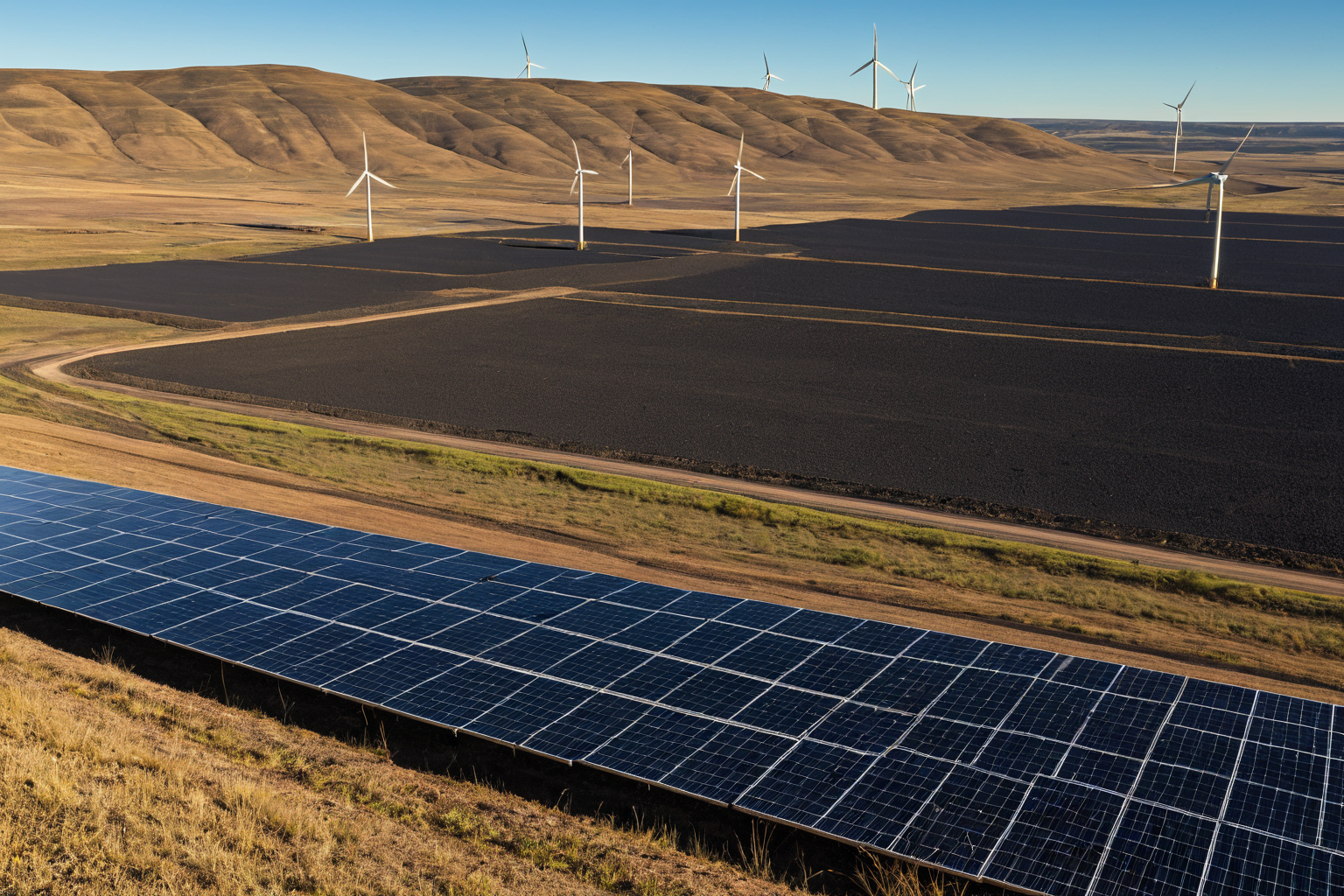
The 'Big Luther' solar project is currently building a 1.2 GW solar power plant on what was once the largest coal mine site in the U.S. Construction began on August 1, 2026, with expectations that it will lead Texas's energy transition.
Texas is experiencing large-scale power plant investments, aiming for $2.5 billion to secure a stable investment foundation. This aligns with shifts in the LNG industry following natural gas price increases.
Rising U.S. Natural Gas Prices and LNG Industry
U.S. natural gas prices rose more than twofold within ten days starting January 28, 2026. This surge has increased interest in the LNG industry, directly connecting to power plant investments in Texas.
The rise in natural gas prices has led to increased demand for LNG, expected to have a positive impact on the U.S. energy sector as a whole. Texas's power plant investment is analyzed as part of this strategic decision.
South Korea Government's Response and Negotiation Strategy
The South Korean government rejected the U.S. proposal for a 5-10% equity stake in Westinghouse, stating 'investments should not be limited to monetary payments.' This was reported by the Ministry of Trade, Industry, and Energy on September 16, 2026, reflecting specific discussions during US-South Korea negotiations.
The Ministry is working to solidify South Korea's market entry strategy through this first US investment project. However, concerns have been raised that negotiations could be delayed due to disputes over Westinghouse equity stakes.
Verified Information
The confirmation of the Texas gas power plant as South Korea's first major US investment project and its scale, along with strategic significance related to AI data center demand, is confirmed. However, obstacles from community opposition and links to Amazon data centers are based on environmental group reports and remain unresolved in terms of specific responses.
Plans for eight U.S. nuclear plants and Alaska LNG investments are confirmed based on Ministry announcements, but future negotiation progress and exact investment scale remain unconfirmed. Additionally, the precise details of negotiations regarding Westinghouse equity have not been publicly disclosed yet.
Frequently Asked Questions
Why was the Texas gas power plant chosen as South Korea's first US investment project?
The Texas gas power plant was selected as South Korea's first major US investment project due to its alignment with rising AI data center demand and commercial feasibility verification. It is valued at $2.5 billion, with an expected 15% return rate.
What environmental impact could Amazon's data center expansion have?
Environmental groups warn that South Korea's investment in the Texas gas power plant could make it the largest polluter in the U.S. Media coverage of this concern intensified between mid-August 2026.
How did the South Korean government respond to the U.S. proposal for a 5-10% equity stake in Westinghouse?
The South Korean government responded by stating 'investments should not be limited to monetary payments.' This was reported by the Ministry of Trade, Industry, and Energy on September 16, 2026.
Frequently Asked Questions
The confirmation of the Texas gas power plant as South Korea's first major US investment project is viewed as a significant initial step in South Korean companies' market entry strategy. However, challenges such as environmental concerns and community opposition, along with disputes over Westinghouse equity negotiations, will determine its future success.
Alongside plans for eight U.S. nuclear plants and Alaska LNG investments, this project is expected to become a cornerstone of South Korean companies' global energy market strategy. Nevertheless, the environmental impact and collaboration with local communities are likely to be key factors determining the project's outcome.
The commercial feasibility review for the Texas gas power plant began on September 8, 2026, with an expected return rate of 15%. Given its strategic significance in meeting AI data center demand, this project warrants close attention as it evolves alongside changes in the U.S. energy market.
You can view more articles on similar topics at once.
View Related ArticlesFAQ
Why was the Texas gas power plant chosen as South Korea's first US investment project?
The Texas gas power plant was selected due to its alignment with rising AI data center demand and commercial feasibility verification. It is valued at $2.5 billion, with an expected 15% return rate.
What environmental impact could Amazon's data center expansion have?
Environmental groups warn that South Korea's investment in the Texas gas power plant could make it the largest polluter in the U.S., with media coverage intensifying mid-August 2026.
How did the South Korean government respond to the U.S. proposal for a 5-10% equity stake in Westinghouse?
South Korea rejected the proposal, stating 'investments should not be limited to monetary payments,' as reported by the Ministry of Trade on September 16, 2026.
Korean Source
This article is an English localization of a Korean-language report from BlogScore. Original: 텍사스 가스발전의 환경 영향과 대체 에너지 전략