
Takahashi's Removal of Apology Sparks Debate Over Japan's Historical Stance
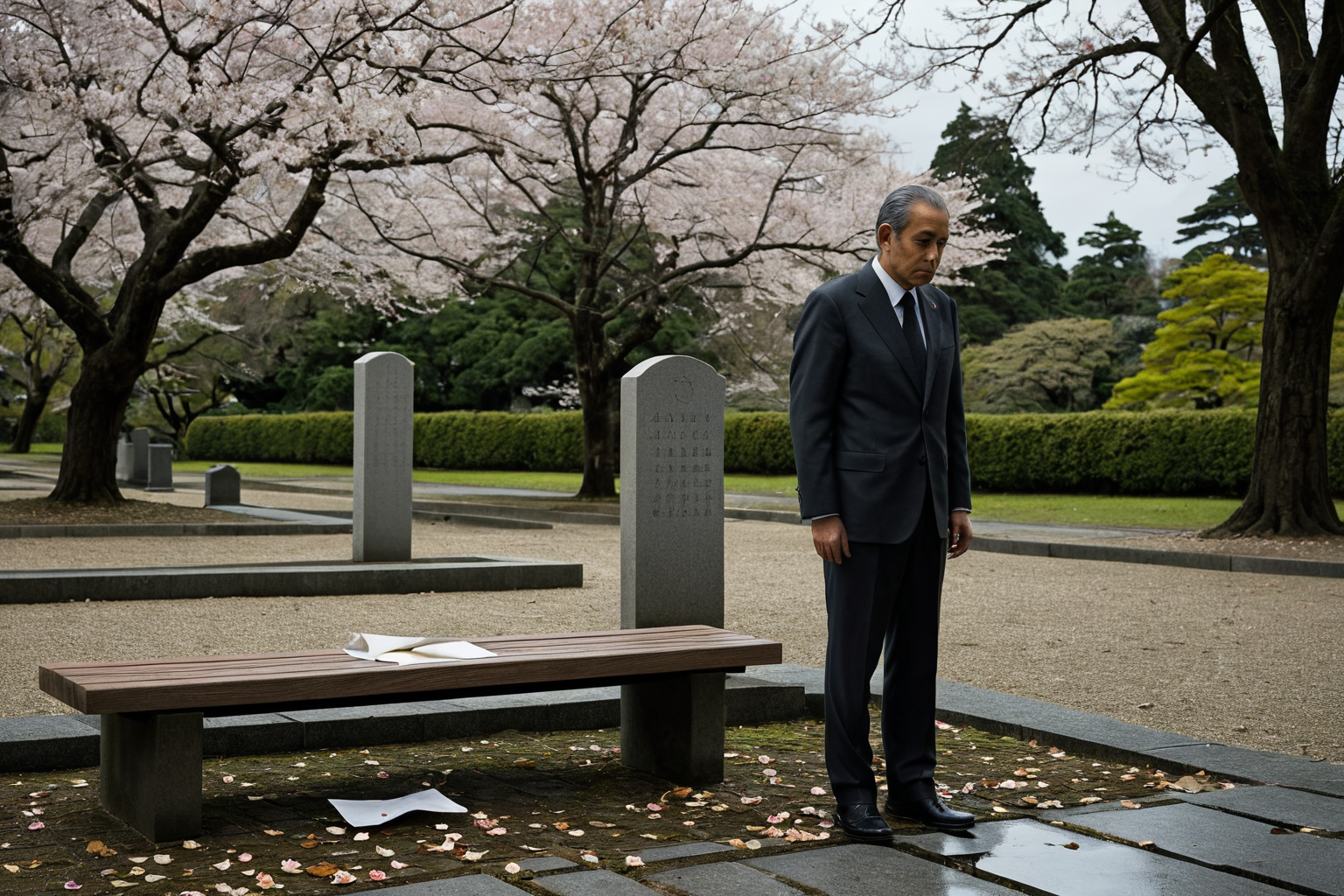
Takahashi's Controversial Removal of Apology Language
Japanese Prime Minister Takahashi has faced criticism both domestically and internationally for removing the term 'apology' from his August 15 surrender speech, reversing a 13-year-old restoration of wartime reflection. This move is seen as part of more right-wing policies than former Prime Minister Abe, with particular controversy surrounding Yasukuni Shrine visits and statements claiming there's 'nothing to reflect on.'

Key Facts: Removal of Apology Language and Yasukuni Visits
Takahashi did not mention 'apology' or 'regret' in his August 15 surrender speech, effectively removing content that had been restored after Abe's 2013 deletion. This reflects a rightward shift in Japan's historical recognition policy. Domestically, the government justifies this by referring to 'continuation of past historical recognition,' though international criticism remains strong.
Additionally, Takahashi reportedly replaced traditional Yasukuni Shrine visits with a 'remote' visit from 500 meters away and donated offerings. Chinese state media criticized this as 'a fleeting moment without apology—dangerous,' highlighting growing tension between public calls for historical reflection and government stance.
Incident Background: Declining Approval Ratings and Historical Issues
Takahashi's approval ratings reportedly dropped sharply on July 28, 2026, according to Japanese domestic reports. Media has criticized his administration for 'unilateral parliamentary operations,' lack of communication, and a 'dictatorial attitude,' with public frustration growing over insufficient explanations about rising prices.
On March 24, 2026, Japan's textbooks intensified distortions claiming Dokdo (Liancourt Rocks) as Japanese territory, prompting the government to announce strong countermeasures. Meanwhile, the Japanese Communist Party pointed out that 'the fundamental cause of historical issues between Japan and South Korea lies in Japan's lack of reflection,' while Chinese President Xi Jinping reportedly urged Takahashi to emphasize reflection on invasion history.
Root Causes: Historical Recognition and Political Strategy
Takahashi is using the phrase 'continuation of past historical recognition' to justify his stance, which appears to include reviewing plans to remove 'reflection on colonial rule' from the Murayama Statement. South Korean historians argue that Japan has not moved beyond its imperial era and must pursue peace through historical reflection.
Japan's internal and external differences in historical perception are deepening into serious conflicts. While the Emperor mentions 'reflection,' the government is moving to erase it, revealing a growing gap in how past events are viewed. The removal of 'reflection' from the August 15 speech carries significant historical weight, signaling potential impacts on Japan's foreign policy and international relations.
Responses and Safety Information: Japan-South Korea Relations and Education
The South Korean government announced it would take strong action against textbook distortions of Dokdo, particularly following an official statement on March 24, 2026. Domestically in Japan, concerns are growing that historical disputes could worsen education policies and diplomatic relations.
China has criticized Takahashi's lack of apology, with President Xi Jinping reportedly emphasizing the need for reflection on invasion history. This may reduce trust between Japan and China, potentially affecting peace and stability in East Asia.
Verified Information: Accurate Fact-Checking
Takahashi's removal of 'apology' language from his surrender speech has been confirmed by multiple Japanese media outlets and Chinese state media. However, specific details about Takahashi's policies remain limited, particularly regarding the meaning and scope of the phrase 'continuation of past historical recognition.'
Japan's internal differences in historical perception and international reactions warrant ongoing attention. Reports of declining approval ratings linked to Takahashi's policies were confirmed by Japanese media on July 28, 2026, suggesting that his administration's dictatorial approach has fueled public dissatisfaction.
Frequently Asked Questions
Why did Takahashi remove the 'apology' language?
Takahashi is justifying the removal by claiming a 'continuation of past historical recognition,' seen as part of Japan's rightward political shift.
How has Yasukuni Shrine visit policy changed?
Takahashi reportedly replaced traditional visits with a 'remote' visit from 500 meters away, donating offerings instead.
What do South Korean historians say about Japan's historical recognition?
South Korean historians argue that Japan has not moved beyond its imperial era and must pursue peace through historical reflection.
Frequently Asked Questions
Takahashi's removal of 'apology' language reflects a rightward shift in Japan's historical recognition policy, with potential impacts on Japan-South Korea relations and international standing. Domestic tensions are growing between public calls for historical reflection and the government's stance, suggesting ongoing controversy.
Reports of Takahashi's declining approval ratings, confirmed by Japanese media on July 28, 2026, indicate political instability within Japan, with his administration's dictatorial approach fueling public discontent. Historical recognition issues are not just diplomatic concerns but key challenges for peace and stability in East Asia.
Japan's future approach to historical reflection—and how the international community responds—will be critical. Key turning points may include responses to textbook distortions and Yasukuni Shrine visit policies.
Takahashi's policies on historical recognition are among the key factors determining Japan's future, requiring continued attention from the global community.
You can view similar articles in one place.
View Related ArticlesFAQ
Why did Takahashi remove the 'apology' language?
Takahashi is justifying the removal by claiming a 'continuation of past historical recognition,' seen as part of Japan's rightward political shift.
How has Yasukuni Shrine visit policy changed?
Takahashi reportedly replaced traditional visits with a 'remote' visit from 500 meters away, donating offerings instead.
What do South Korean historians say about Japan's historical recognition?
South Korean historians argue that Japan has not moved beyond its imperial era and must pursue peace through historical reflection.
Korean Source
This article is an English localization of a Korean-language report from BlogScore. Original: 다카이치 반성 삭제, 사회적 논란의 중심은?