
Takahashi's Memorial Address: Historical Significance and Modern Interpretation
Main Content and Historical Significance of Takahashi's Memorial Address
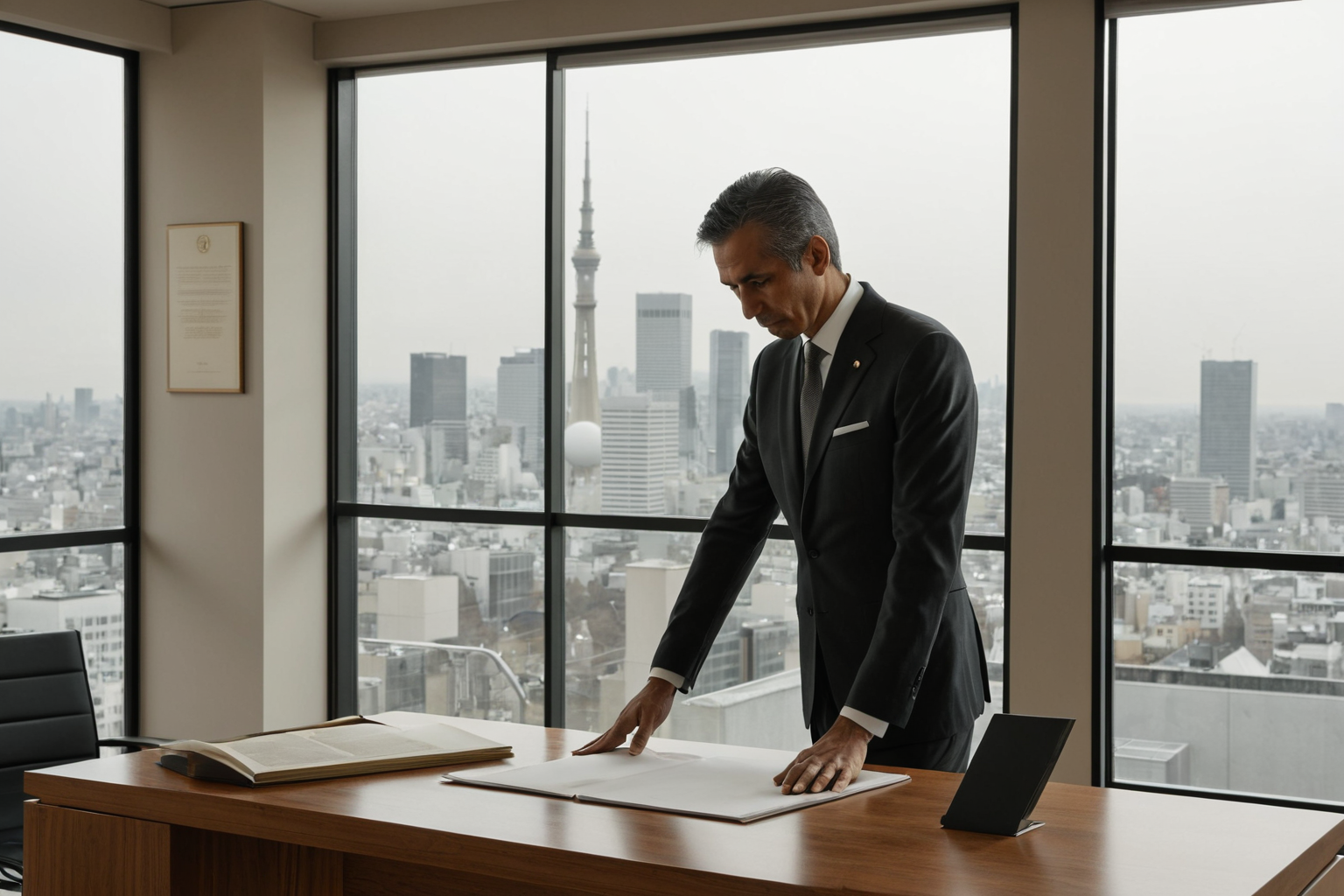
On August 15, 2026, marking the anniversary of Japan's surrender in World War II, Prime Minister Takahashi's memorial address omitted the term 'reflection' and replaced references to Yasukuni Shrine with 'remote attendance.' This marks the removal of a 'reflection' phrase that had reappeared after 13 years, intensifying international debate over Japan's historical stance.
Key Terms Removed from the Memorial Address
The term 'reflection' was completely removed from Prime Minister Takahashi's address. This follows a 13-year reappearance of the word under Ishiba, which Takahashi directly deleted, drawing international criticism amid growing right-wing trends in Japan. The phrase 'pledge to avoid war' was also omitted.
References to '3.1 million compatriots affected' and 'victim countries and individuals' were also removed, suggesting the Japanese government is reducing official acknowledgment of wartime damages.
Changes to Yasukuni Shrine Attendance
Prime Minister Takahashi replaced shrine visits with offering tributes at Yasukuni Shrine, reportedly conducting remote attendance from over 500 meters away. This approach appears intended to avoid formal references to Yasukuni Shrine visits, a strategy also used by former Prime Minister Abe.
This method echoes former Prime Minister Abe's past actions, who similarly avoided formal mentions of Yasukuni Shrine visits.
Revised War-Related Statements
War-related statements were revised from 'will not engage in war' to 'will prevent war.' This shift reflects a diplomatic emphasis on strengthening future defense rather than reflecting on past conflicts.
This revision aligns with Japan's current push for increased defense spending and tax cuts, amid concerns about potential fiscal strain exceeding hundreds of trillions of yen next year.
International Reaction and Controversy
Following Takahashi's address, South Korea and China did not issue formal responses, though international criticism over Japan's historical stance has intensified. The removal of 'reflection' and changes to Yasukuni Shrine references are seen as attempts to avoid addressing past wartime issues.
The Japanese government is reportedly conducting internal investigations into related officials, suggesting internal disagreements over the address revisions. This could further erode Japan's international credibility.
Takahashi's Historical Stance and Abe's Legacy
Takahashi's approach mirrors former Prime Minister Abe's historical stance, who also avoided using 'reflection' and minimized formal references to Yasukuni Shrine visits.
By removing 'reflection' and emphasizing 'will not repeat war atrocities,' Takahashi continues Abe's policy direction, prioritizing future defense over historical reflection.
Domestic Policy and Fiscal Challenges
While specific details of internal discussions remain unclear, Japan is pushing for increased defense spending and tax cuts amid concerns about potential fiscal strain exceeding hundreds of trillions of yen next year. This context appears to have influenced the revisions in Takahashi's address.
The government seems focused on addressing future defense needs and economic challenges rather than confronting historical issues.
Historical Recognition and International Relations
The removal of 'reflection' suggests Japan is avoiding historical accountability, potentially worsening relations with South Korea and China. The change to 'remote attendance' for Yasukuni Shrine visits further indicates a trend toward sidestepping past wartime issues.
International criticism over Japan's historical stance is expected to grow, raising concerns about declining international trust. While the government is internally reviewing responses, no concrete measures have been announced yet.
Historical Significance of Takahashi's Memorial Address
Takahashi's address is seen as a significant example of Japan's growing tendency to avoid historical accountability, emphasizing future defense over reflection on past conflicts. This shift suggests the government prioritizes economic and military challenges while risking international credibility.
While this approach may help address immediate fiscal concerns, it could worsen relations with neighboring countries and negatively impact Japan's long-term global standing.
Information for Readers
Takahashi's memorial address revisions appear to stem from internal government debates over historical recognition, drawing international criticism. This reflects a broader shift in Japanese policy toward prioritizing future defense over historical reflection.
Frequently Asked Questions
Why was the term 'reflection' removed from Takahashi's address?
Prime Minister Takahashi deleted the 'reflection' phrase that had reappeared after 13 years, likely to avoid further controversy over Japan's historical stance.
How has Yasukuni Shrine attendance changed?
Takahashi reportedly conducted remote visits by offering tributes at Yasukuni Shrine from over 500 meters away, avoiding direct references to shrine visits as a way to sidestep wartime issues.
What is the connection between Takahashi's actions and former Prime Minister Abe?
Takahashi's approach mirrors Abe's historical stance of avoiding 'reflection' and minimizing formal mentions of Yasukuni Shrine visits, continuing Japan's trend toward historical avoidance.
You can view similar articles on this topic in one place.
View Related ArticlesFAQ
Why was the term 'reflection' removed from Takahashi's address?
Prime Minister Takahashi deleted the 'reflection' phrase that had reappeared after 13 years, likely to avoid further controversy over Japan's historical stance.
How has Yasukuni Shrine attendance changed?
Takahashi reportedly conducted remote visits by offering tributes at Yasukuni Shrine from over 500 meters away, avoiding direct references to shrine visits as a way to sidestep wartime issues.
What is the connection between Takahashi's actions and former Prime Minister Abe?
Takahashi's approach mirrors Abe's historical stance of avoiding 'reflection' and minimizing formal mentions of Yasukuni Shrine visits, continuing Japan's trend toward historical avoidance.
Korean Source
This article is an English localization of a Korean-language report from BlogScore. Original: 다카이치 추도사, 역사적 의미와 현대적 해석