
Symptoms and Prevention of Skin Issues from Harmful Substances in Counterfeit Cosmetics
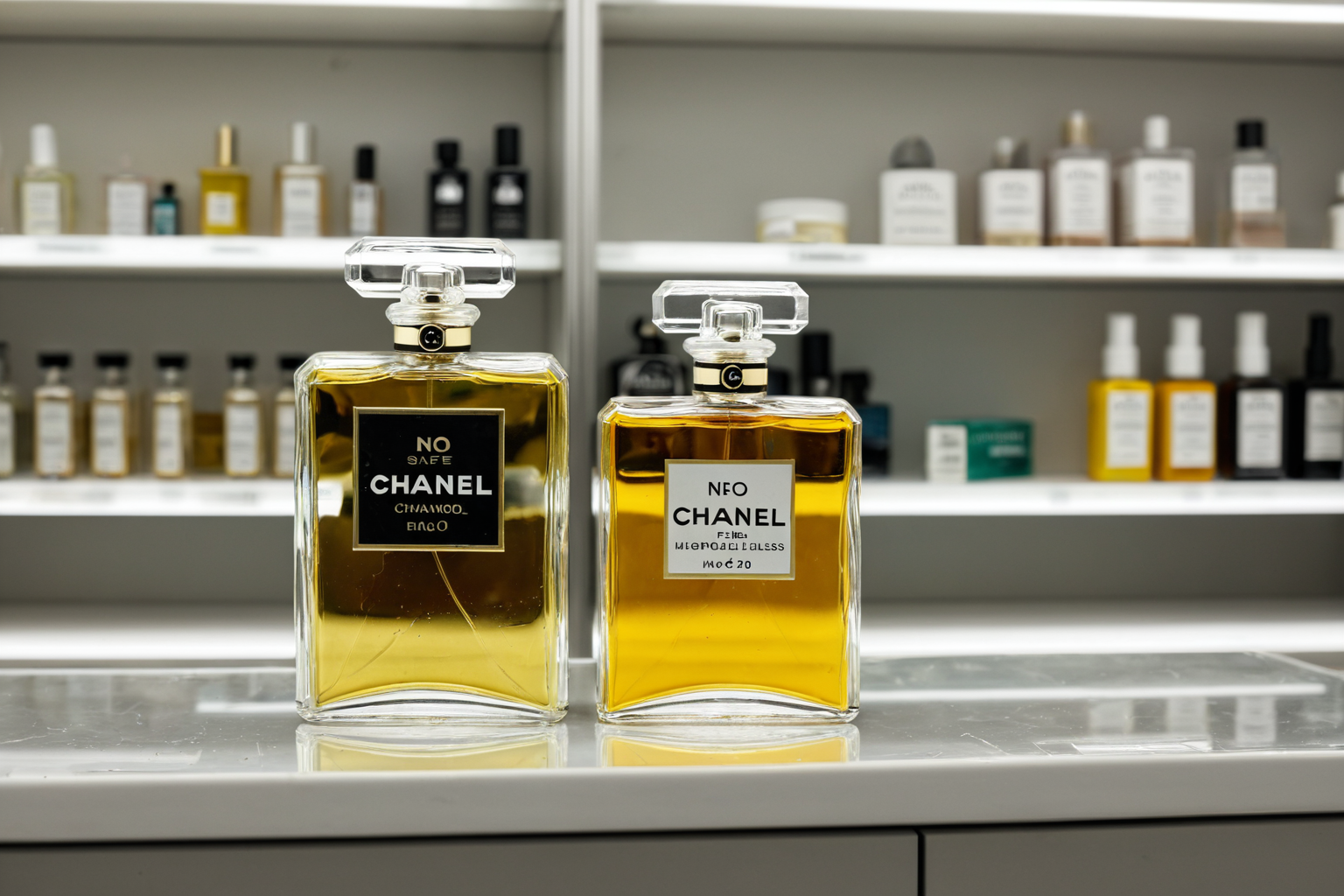
Detected Harmful Substances in Counterfeit Cosmetics
Recently, police and consumer agencies reported that methanol was detected up to 484 times the legal limit in counterfeit cosmetics distributed through social media. This poses serious health risks such as vision damage, particularly in fake perfume products.
Methanol Detected at 484 Times Legal Limit
Police confirmed that methanol was found up to 484 times the legal limit in counterfeit perfumes of a well-known brand. This level can severely impact consumer health, especially in products like perfume that may come into contact with eyes.
Methanol can cause symptoms such as vision damage, headaches, and vomiting, and long-term exposure may lead to serious health issues. Police and consumer agencies warn against counterfeit cosmetics, particularly those distributed through social media where high levels of harmful substances have been found.
Exclusion of Products for Ages 14+ from KC Certification
Under cosmetic safety standards, products intended for users aged 14 and above are not required to undergo KC certification, creating a safety gap. This is especially problematic as counterfeit cosmetics often enter the market through this channel, putting consumers at risk.
Reports have also emerged of elementary school students using cosmetics, which fall under products not requiring KC certification. The Korean Cosmetic Association emphasizes that protecting intellectual property rights should be a priority for all companies to address this issue.
Harmful Substance Levels in Counterfeit Overseas Brands
One out of every three counterfeit cosmetics from overseas brands was found to contain harmful substances. In particular, counterfeit perfumes from Chanel and Jo Malone were detected with toxic substances up to 400 times the legal limit.
The methanol concentration in perfumes reached as high as 96.9%, far exceeding normal levels. Due to the widespread distribution of these counterfeits through social media, consumer safety concerns are growing.
Warnings About Counterfeit Cosmetics
Purchasing from official stores is the safest way to avoid counterfeit products. Be especially cautious of personal transactions or low-priced products sold through social media, as they carry a high risk of being fake.
The Korean Cosmetic Association stresses the importance of protecting intellectual property rights and urges companies to take active measures against counterfeits. Consumers are also encouraged to support a healthy market by purchasing genuine products.
Prevention Methods for Counterfeit Cosmetic Damage
To prevent harm from counterfeit cosmetics, consumers should: First, buy only from official stores or authorized retailers. Second, be skeptical of products that seem too cheap. Third, always check the ingredient list.
In particular, for perfumes, which are often contaminated with methanol and other harmful substances, checking the ingredient label before purchasing is crucial. Consumer agencies advise caution, especially regarding social media transactions where counterfeit incidents frequently occur.
Detected Harmful Substance Results
The case of methanol detected up to 484 times the legal limit was confirmed in counterfeit perfumes from a well-known brand. This highlights the serious health risks, including vision damage, particularly for products that may come into contact with eyes.
For perfumes, methanol levels reached up to 96.9%, far exceeding normal ranges. Counterfeit Chanel and Jo Malone perfumes were reported to contain toxic substances over 400 times the legal limit.
Consumer Warnings
Counterfeit cosmetics often contain harmful substances, posing risks such as skin issues and vision damage. They are frequently sold at low prices through social media, requiring consumer vigilance.
The Korean Cosmetic Association emphasizes protecting intellectual property rights as a shared responsibility for all companies. Consumers can support market health by purchasing genuine products. Buying only from official channels is the safest approach.
Products for users aged 14 and above are not required to undergo KC certification, creating a safety gap that counterfeit cosmetics exploit. This structural issue makes consumers vulnerable to harm.
Spread of Counterfeit Cosmetics
Counterfeit cosmetics are rapidly spreading through social media, especially via low-priced channels, increasing the likelihood that consumers will unknowingly purchase fake products instead of genuine ones.
For overseas brands, one out of three counterfeit products was found to contain harmful substances. The case of methanol detected up to 484 times the legal limit in perfumes is particularly alarming.
Methanol Hazards and Health Risks
Methanol can cause vision damage, headaches, vomiting, and long-term exposure may lead to serious health issues. It is especially dangerous in products like perfume that may come into direct contact with the eyes.
The methanol case detected at 484 times the legal limit was confirmed through police seizures and reported as a significant health risk. Products containing methanol should be discontinued immediately, and consumers should consult professional agencies.
Methanol levels in perfumes reached up to 96.9%, far exceeding normal ingredient ranges. Counterfeit Chanel and Jo Malone perfumes were found with toxic substances over 400 times the legal limit.
Response and Safety Information
Consumers should avoid counterfeit cosmetics by purchasing genuine products from official channels. Checking ingredient labels is essential for safety.
The Korean Cosmetic Association stresses that protecting intellectual property rights is a shared responsibility for all companies, urging them to take active steps against counterfeits. Consumers can support market health by choosing authentic products.
Products for users aged 14 and above are not required to undergo KC certification, creating a safety gap exploited by counterfeit cosmetics. This structural issue increases consumer vulnerability.
Key Information to Verify
The case of methanol detected up to 484 times the legal limit was confirmed through police seizures, highlighting serious health risks such as vision damage. Perfume products showed methanol levels up to 96.9%, far above normal ranges.
Counterfeit Chanel and Jo Malone perfumes contained toxic substances over 400 times the legal limit. This demonstrates a high prevalence of harmful substances in counterfeit overseas brand cosmetics.
Frequently Asked Questions
Where was the methanol detected at 484 times the legal limit?
Methanol was found up to 484 times the legal limit in counterfeit perfumes of a well-known brand, confirmed through police seizures.
Why are products for ages 14+ excluded from KC certification?
Under cosmetic safety standards, products intended for users aged 14 and above are not required to undergo KC certification, creating a safety gap.
What is the percentage of harmful substances in counterfeit overseas brand cosmetics?
One out of every three counterfeit overseas brand cosmetics was found to contain harmful substances.
Frequently Asked Questions
Counterfeit cosmetics often contain harmful substances, leading to skin issues and vision damage. They are frequently sold at low prices through social media, with methanol levels up to 484 times the legal limit reported in some cases.
Consumers should buy only from official stores and check ingredient labels. The Korean Cosmetic Association emphasizes protecting intellectual property rights as a shared responsibility for all companies, urging them to take active steps against counterfeits.
Products for ages 14+ are not required to undergo KC certification, creating a safety gap that counterfeit cosmetics exploit. This structural issue increases consumer vulnerability.
Methanol levels in perfumes reached up to 96.9%, far exceeding normal ranges, with counterfeit Chanel and Jo Malone perfumes containing toxic substances over 400 times the legal limit. This shows a high prevalence of harmful substances in counterfeit overseas brand cosmetics.
Purchasing genuine products helps prevent counterfeit-related harm while supporting the healthy development of the cosmetic market. Buying only from official channels is the safest approach.
You can view similar articles in one place.
View Related ArticlesFAQ
Where was the methanol detected at 484 times the legal limit?
Methanol was found up to 484 times the legal limit in counterfeit perfumes of a well-known brand, confirmed through police seizures.
Why are products for ages 14+ excluded from KC certification?
Under cosmetic safety standards, products intended for users aged 14 and above are not required to undergo KC certification, creating a safety gap.
What is the percentage of harmful substances in counterfeit overseas brand cosmetics?
One out of every three counterfeit overseas brand cosmetics was found to contain harmful substances.
Korean Source
This article is an English localization of a Korean-language report from BlogScore. Original: 위조 화장품 유해물질로 인한 피부 문제 증상과 예방법