
Suwon Apartment Basement Parking Fire: Could It Be an Electric Vehicle?
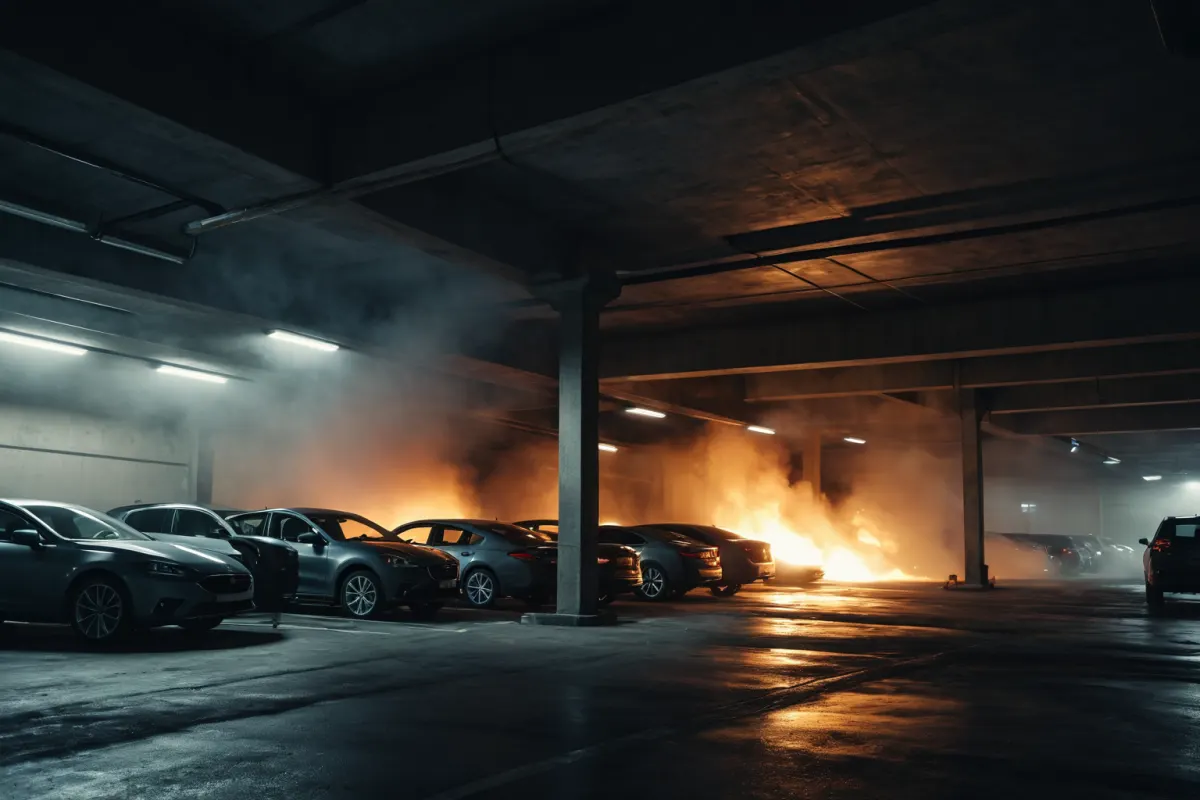
The most common question surrounding the Suwon apartment basement parking fire is whether it was caused by an electric vehicle. However, until the on-site investigation and cause analysis are completed, it will remain unclear. Basement parking fires can occur regardless of vehicle type, with potential causes including electrical systems, batteries, fuel lines, or external ignition sources. Jumping to conclusions prematurely could only add to the confusion.
Electric vehicle fires are often highlighted in media coverage, making it easy to assume they were responsible immediately. However, traditional gasoline-powered cars can also catch fire in basement parking lots just as easily. For those wondering about the possibility of an electric vehicle being involved in this incident, it's important to distinguish between what has been confirmed and what remains uncertain.
Why Basement Parking Fires Can Spread More Easily
Basement parking areas are particularly dangerous when fires break out because smoke and heat cannot escape easily. With vehicles densely packed together, delays in firefighting can lead to greater damage. The combination of ceiling pipes, electrical wiring, and ventilation systems means even a small spark at the beginning can quickly obscure visibility and complicate evacuation.
Another critical factor is that it's difficult to immediately visually identify where the fire started in an underground space. A fire originating from one vehicle may spread to neighboring cars, or a fire starting from building infrastructure might ignite vehicles. This makes pinpointing the exact cause more complex than it seems.
You can view similar articles on this topic in one place.
View Related ArticlesWhy Electric Vehicle Fires Draw Extra Attention
Electric vehicle fires tend to receive more attention because they often unfold differently from traditional car fires. For instance, a battery thermal runaway can cause flames to reignite or flare up again even after appearing to subside, making on-site response more challenging and leading to greater media coverage.
However, it's crucial to distinguish between saying "an electric vehicle caught fire" and claiming "the electric vehicle was the cause." Simply knowing an electric vehicle was present in the basement parking lot doesn't confirm it as the source. Many factors need verification, such as whether the vehicle was charging, parked stationary, or had any impact on its undercarriage or electrical system.
For example, even if an electric vehicle was in the basement, the fire could have started from another car nearby, or it might have been caused by a battery issue. Ultimately, the key is not the type of vehicle but identifying where the initial ignition occurred.
Key Points to Check at the Scene
When investigating the cause of a fire, officials typically examine the initial ignition point, the extent of damage per vehicle, traces on ceiling wiring or charging equipment, CCTV footage, and witness statements. In basement parking fires, even if video evidence exists, smoke can blur the scene, making accurate assessment time-consuming.
If an electric vehicle was involved, details about whether it was charging, the condition of the charging cable, or any damage to the undercarriage would be important clues. For gasoline-powered cars, inspectors would focus more on engine compartments, electrical wires, fuel leaks, or brake system issues.
This process is difficult for the general public to assess based solely on a few photos from the scene. The visible damage doesn't necessarily mean that vehicle was responsible—sometimes the ignition point could be far away from the damaged car.
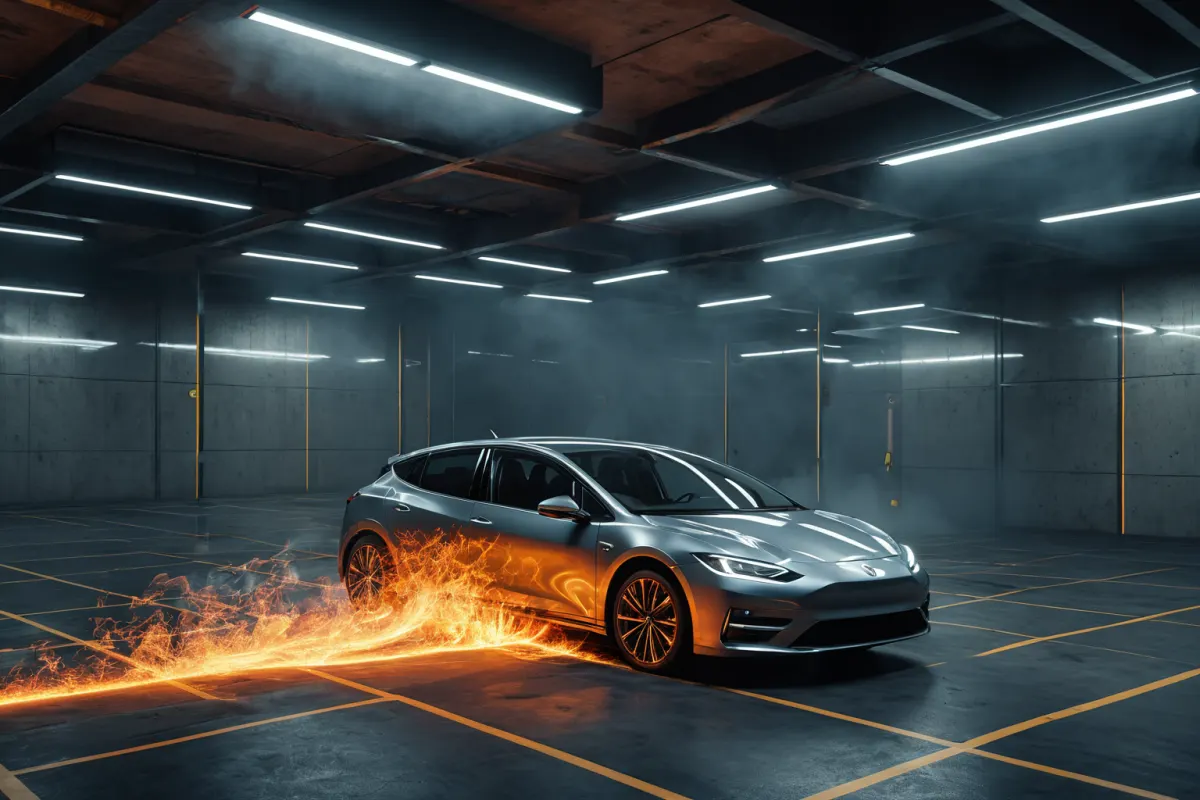
What to Look for in the Suwon Apartment Basement Fire
When a fire incident becomes widely known with a location name like "Suwon apartment," speculation about the building or vehicle type can spread quickly. At such times, it's important to carefully distinguish between confirmed details like the building name, vehicle type, and time of fire.
For instance, search terms like "Suwon electric car fire apartment" might mix up similar building names or incidents in nearby areas. Even within Suwon, different districts like Gwanak-gu, Jangan-gu, or Jeong-dong can have completely different contexts for the same incident name, so it's best not to jump to conclusions based solely on a headline.
For example, if an article mentions "vehicle fire in basement parking," the actual cause could be related to charging equipment or external ignition. The initial speculation might differ from what is confirmed later, so it's safest to wait for official investigation results before drawing conclusions.
Differences Between Electric Vehicle and Gasoline-Powered Car Fires
Electric vehicle fires can escalate quickly if battery cells are involved, with temperatures rising rapidly. Even after the fire appears extinguished, re-ignition is possible, requiring special attention to cooling and preventing reignition during firefighting.
In contrast, gasoline-powered car fires often start from fuel systems, engine compartments, electrical wiring, or external heat sources, and tend to be more predictable in their progression. This doesn't mean gasoline cars are safer than electric vehicles—both can pose risks depending on the circumstances and vehicle condition.
Ultimately, the environment of the parking space plays a significant role. Tight, densely packed basement parking areas can delay early firefighting efforts, with smoke lingering to cause more damage to other vehicles and residents.
What Residents Can Do Immediately
If you're a resident of an apartment where a fire has occurred, the first step is not to speculate about vehicle ownership but to follow evacuation instructions and access control. If smoke remains or electrical systems are damaged, avoid entering the basement parking area.
If you need to move your vehicle, follow management office guidance first. Even if your car wasn't directly involved in the fire, check for soot or heat damage around it. Before filing an insurance claim, take photos from multiple angles of the license plate, exterior, floor, and wheel areas—it can be very helpful.
For example, even vehicles not directly hit by flames may suffer heat damage or soot buildup on the interior filters, electrical components, or tires. What appears intact externally might still have internal damage, so it's best to avoid driving immediately without a proper inspection.
Misconceptions to Avoid
A common misunderstanding is equating "an electric vehicle was present" with "the electric vehicle caused the fire." Another misconception is assuming that larger fires must be due to electric vehicle batteries. In basement parking structures, even small ignition points can lead to significant damage.
Search results showing terms like "Suwon apartment fire," "Suwon apartment fire," or "Suwon apartment electric car fire" might mix up different incidents. To avoid confusion, check the common details—date, location, and news content—and remember that even within the same region, fires at different buildings can have completely different causes.
While curiosity is natural, it's important not to speculate about specific vehicle types or residents before the cause is confirmed. Such speculation spreads faster than facts but often causes more harm when later corrected.
FAQ
Q1. Can I immediately conclude that an electric vehicle caused the Suwon apartment basement fire?
No, not yet. Even if an electric vehicle was present at the scene, determining the exact ignition point and cause must come first. Until investigation results are released, it's premature to make such a claim.
Q2. Why are basement parking fires considered more dangerous?
Because smoke and heat have difficulty escaping in underground spaces, and vehicles are densely packed, making fire spread faster. Evacuation and firefighting are more challenging than on the surface level.
Q3. What should residents do first when checking for fire damage?
Take photos of your vehicle and surrounding damage, then follow management office guidance and insurance procedures. It's practical to document visible damage rather than speculate about the cause.
The Suwon apartment basement parking fire is a reminder that causes can be complex and may differ from early reports. As new information becomes available through official updates, it’s best to wait for confirmed details before drawing conclusions.
Continue exploring similar topics.
View Category ArticlesFAQ
Can I immediately conclude that an electric vehicle caused the Suwon apartment basement fire?
No, not yet. Even if an electric vehicle was present at the scene, determining the exact ignition point and cause must come first. Until investigation results are released, it's premature to make such a claim.
Why are basement parking fires considered more dangerous?
Because smoke and heat have difficulty escaping in underground spaces, and vehicles are densely packed, making fire spread faster. Evacuation and firefighting are more challenging than on the surface level.
What should residents do first when checking for fire damage?
Take photos of your vehicle and surrounding damage, then follow management office guidance and insurance procedures. It's practical to document visible damage rather than speculate about the cause.
Korean Source
This article is an English localization of a Korean-language report from BlogScore. Original: 수원 아파트 지하 주차장 화재, 전기차 화재 가능성은?