
Supreme Court Special Investigation Act Passes: Public and Political Reactions Summarized
National Assembly Passes Supreme Court Special Investigation Act
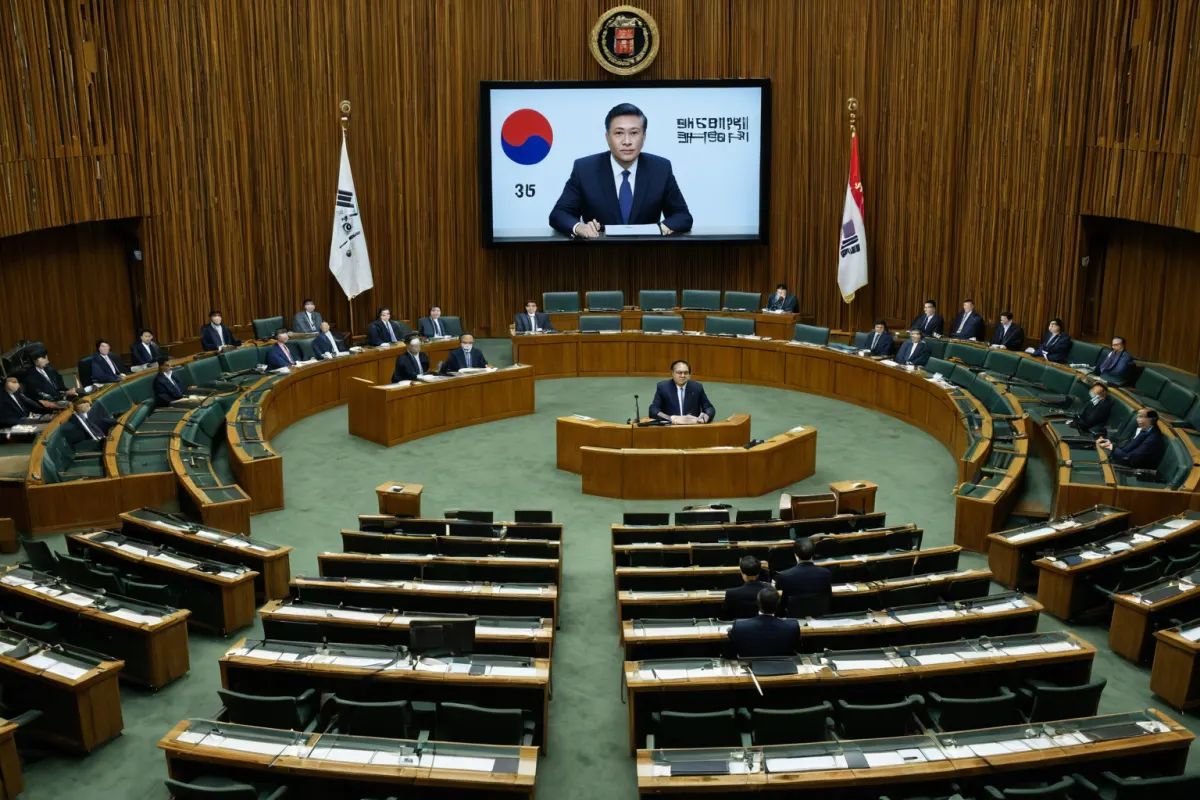
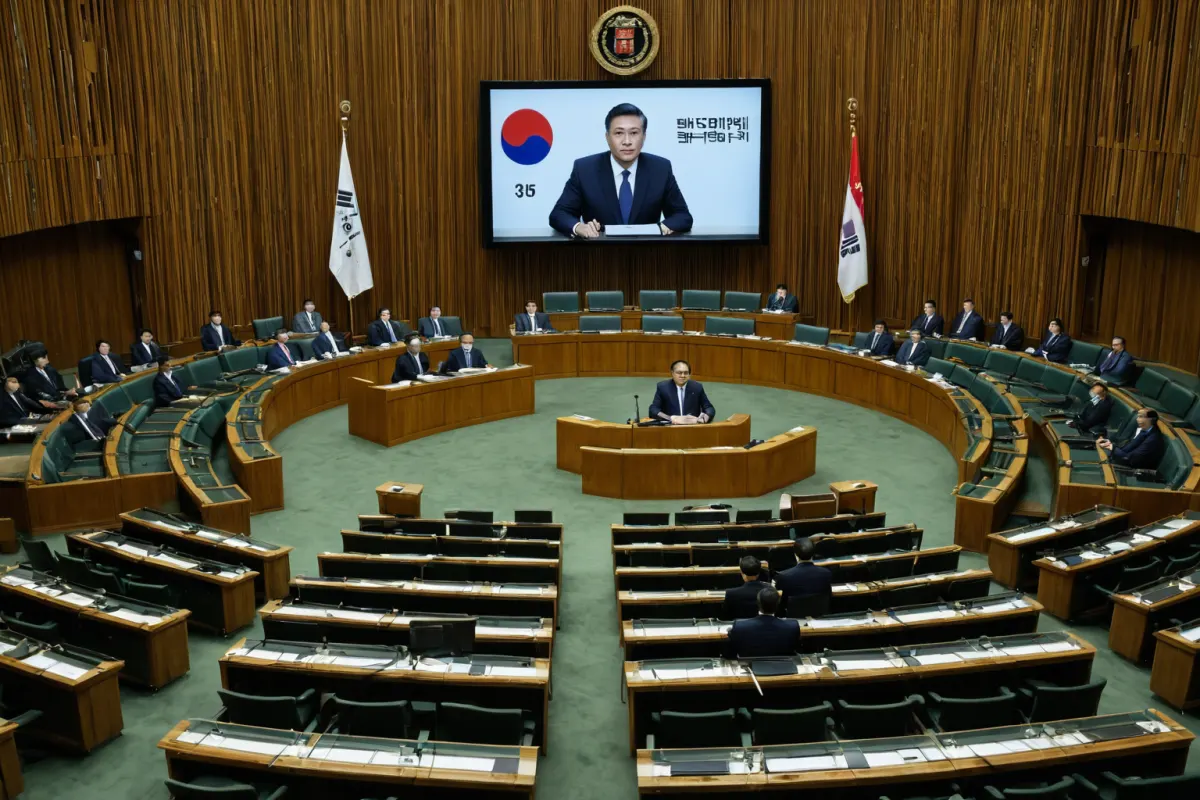
The National Assembly passed the Supreme Court Special Investigation Act through a consensus between political parties. The law enables investigations into election-related concerns, including ballot shortages, vote manipulation, and employment irregularities. It has raised questions about whether ongoing elections with remaining statute of limitations could also be investigated.

Background and Scope of the Act
The Supreme Court Special Investigation Act was passed in a plenary session on July 30. It allows investigations into issues such as ballot shortages, vote manipulation, employment irregularities, and computer system tampering during elections. Specifically, Attorney Chang Dong-hyeok noted that if statute of limitations remains, both general and presidential elections could be investigated.
Negotiations between political parties continued right up to the bill's passage. The Democratic Party pushed for a national investigation into ballot shortages, emphasizing the Central Election Commission's responsibility. Some political figures criticized it as "abandoning efforts to maintain the current administration."
The law grants special investigators authority to examine Central Election Commission servers, which is expected to play a key role in verifying potential tampering with voting systems.
Political Reactions and Controversy
The People Power Party criticized the move as "making claims without taking action," questioning the scope of the special investigation. In contrast, the Democratic Party stressed that the investigation is necessary to address public concerns.
Reports by journalists Park Seong-jun and Kim Sung-tae highlighted the Central Election Commission server examination as a key issue. Some expressed concern about potential evidence of tampering in the Commission's computer systems.
Youth groups reacted sensitively to procedural fairness, warning of voter rights violations. They argued that flaws in election management could weaken the foundation of national democracy.
Debate Over Statute of Limitations
The law has sparked debate because it allows investigations into general and presidential elections still within statute of limitations. Attorney Chang Dong-hyeok stated, "If statute of limitations remains, all elections including general and presidential can be investigated."
However, some critics argue the bill is focused on protecting specific politicians, with some even suggesting it amounts to a "legal maneuver to save Lee" (referring to former President Lee Myung-bak) or abandoning efforts to maintain the current administration.
Discussion on Central Election Commission Server Investigation
The law explicitly allows special investigators to examine Central Election Commission servers, which is seen as crucial for verifying potential tampering in election systems. KBS News highlighted this server examination as a central issue, with some expressing concerns about possible evidence of system manipulation.
After the bill's passage, discussions continue regarding potential amendments and concerns about abolishing supplementary investigation powers or expanding non-prosecution decisions. These issues are expected to fuel further debate over the scope and limitations of the special investigation.
Legislative Process and Timeline
The Supreme Court Special Investigation Act passed through the Committee on Legal Affairs before being approved in a plenary session with cross-party consensus on July 30. This marks a significant step toward formalizing investigations into election management concerns.
On August 18, a re-examination of ballot papers at Jamsil polling station is scheduled—a date closely tied to the ongoing debate over ballot shortages and drawing public attention.
Democratic Party's Push for National Investigation
The Democratic Party has been advancing a national investigation into ballot shortages, emphasizing the Central Election Commission's responsibility. This effort aims to comprehensively investigate issues arising during elections.
Before passing through the Committee on Legal Affairs, the party worked to clarify the Commission’s accountability for ballot shortages, which is seen as vital for restoring trust in election management.
Youth Group Reactions and Voter Rights Concerns
Youth groups have shown heightened sensitivity regarding procedural fairness. They pointed out flaws in election management and warned of voter rights violations.
Specifically, youth groups argued that issues arising during elections could weaken the foundation of national democracy, stressing the urgency of clarifying the Commission’s accountability.
Key Facts to Verify
The Supreme Court Special Investigation Act passed through a consensus in the National Assembly. It enables investigations into election-related concerns such as ballot shortages, vote manipulation, and employment irregularities.
General and presidential elections still within statute of limitations could be investigated under this law, based on Attorney Chang Dong-hyeok’s statements. However, further legal review is required.
The law explicitly allows special investigators to examine Central Election Commission servers, which is expected to play a critical role in verifying potential computer system tampering.
Frequently Asked Questions
What does the Supreme Court Special Investigation Act cover?
The act enables investigations into election-related issues such as ballot shortages, vote manipulation, employment irregularities, and computer system tampering. It also allows for investigations into general and presidential elections still within statute of limitations.
Can elections with remaining statute of limitations be investigated under this law?
Yes, Attorney Chang Dong-hyeok stated that if statute of limitations remains, both general and presidential elections could be investigated. However, legal review is necessary, and some critics remain skeptical.
Can special investigators examine Central Election Commission servers?
Yes, the law explicitly authorizes special investigators to examine Central Election Commission servers. This is expected to play a key role in verifying potential tampering with election systems.
Frequently Asked Questions
The passage of the Supreme Court Special Investigation Act marks a significant step toward formalizing investigations into election management concerns. The law enables investigations into ballot shortages, vote manipulation, and employment irregularities, while also allowing for potential probes into general and presidential elections still within statute of limitations.
Considering ongoing political debates and youth reactions, clarifying the Central Election Commission's accountability and restoring trust in election management are key challenges ahead. Further review is needed regarding server investigations and the scope of statute of limitations application.
The August 18 re-examination date for ballot papers at Jamsil polling station has become a critical milestone, offering an opportunity to comprehensively assess issues arising during elections.
With implementation expected to enhance transparency in election management and strengthen democratic foundations, ongoing debates may require additional review if unresolved.
You can view more articles on similar topics here.
View Related ArticlesFAQ
What does the Supreme Court Special Investigation Act cover?
The act enables investigations into election-related issues such as ballot shortages, vote manipulation, employment irregularities, and computer system tampering. It also allows for investigations into general and presidential elections still within statute of limitations.
Can elections with remaining statute of limitations be investigated under this law?
Yes, Attorney Chang Dong-hyeok stated that if statute of limitations remains, both general and presidential elections could be investigated. However, legal review is necessary, and some critics remain skeptical.
Can special investigators examine Central Election Commission servers?
Yes, the law explicitly authorizes special investigators to examine Central Election Commission servers. This is expected to play a key role in verifying potential tampering with election systems.
Korean Source
This article is an English localization of a Korean-language report from BlogScore. Original: 선관위 특검법 통과: 국민의견과 정치권 반응 요약