
Supreme Court Justice Succession Process and Official Announcement Details
Supreme Court Justice Succession Process and Official Announcement Details
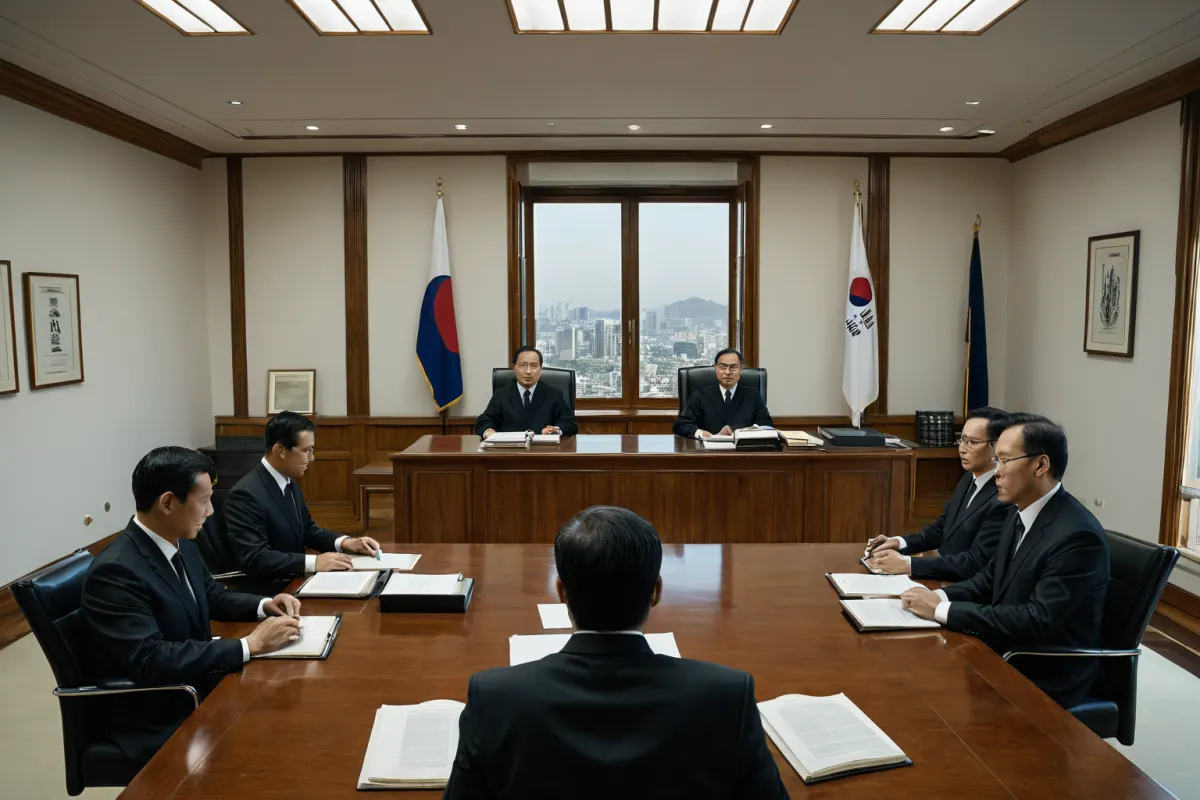
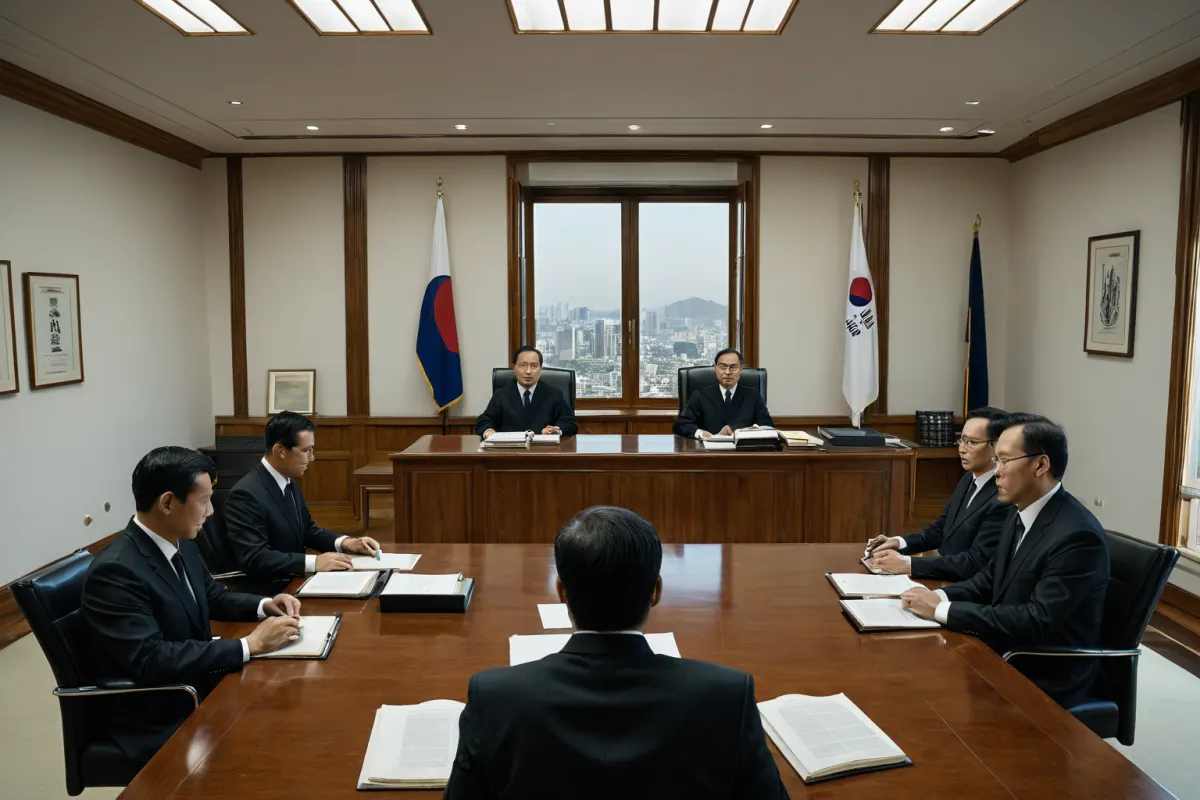
The Supreme Court began the selection process for Lee Heung-gu's successor ahead of his September retirement. The official timeline started with the appointment procedure on May 18, 2026, followed by the referral process beginning on May 22. The Justice Recommendation Committee finalized four candidates—Kim Mun-gwan, Kim Seong-su, Kim Ye-young, and Kim Jung-jung—at a meeting on August 3, narrowing down from an initial list of 28 candidates. This brings the Supreme Court back to a '14-member system' from its current '13-member system.'
Overview of the Succession Selection Process
Lee Heung-gu's retirement date has been confirmed for September, prompting the Supreme Court to initiate the selection process starting May 18, 2026. On May 22, it was reported that the referral procedure had begun. Subsequently, on June 19, a list of 28 candidates recommended as Lee's successor was made public; however, the final selection narrowed this down to four candidates.
Committee Meeting and Final Selection Process
The Justice Recommendation Committee held a meeting on August 3, 2026, recommending Kim Mun-gwan, Kim Seong-su, Kim Ye-young, and Kim Jung-jung as Lee Heung-gu's successors. This represents the final selection from the previously publicized 28 candidates, signaling a potential return to the '14-member system' for the Supreme Court. While there have been unconfirmed reports suggesting simultaneous appointments could address both Lee's retirement and the ongoing vacancy of Justice No Tae-ak, these remain in the reporting stage without official confirmation.
The committee meeting was held on August 3, with the final candidate list announced to major media outlets on August 4. As Lee Heung-gu is set to retire in September, the timing aligns with the vacancy arising from his departure.
Background and Progress of Candidate Selection
Lee Heung-gu is scheduled to retire in September 2026, triggering the succession process. The Supreme Court began the appointment procedure on May 18 and officially launched the referral process on May 22. On June 19, 28 candidates were publicly announced, but the committee ultimately selected four for final recommendation.
During this period, the Supreme Court maintained a '13-member system.' With Lee Heung-gu's retirement expected to create a vacancy, there is potential for a return to the '14-member system,' though this remains unconfirmed and is currently discussed in media reports. The ongoing 5-month vacancy of Justice No Tae-ak has also led to speculation about simultaneous appointments, but these remain unverified claims at the reporting stage.
Backgrounds and Characteristics of the Four Candidates
The four candidates—Kim Mun-gwan, Kim Seong-su, Kim Ye-young, and Kim Jung-jung—were recommended by the Supreme Court's Justice Recommendation Committee based on their expertise and experience. However, limited information has been publicly disclosed about their specific backgrounds or qualifications.
Following the committee meeting on August 3, the candidates were announced to major media outlets on August 4. This process aligns with Lee Heung-gu's expected September retirement, indicating that the Supreme Court will formally submit these candidates for appointment.
The Meaning of the '13-Member' and '14-Member Systems'
The Supreme Court currently operates with 13 justices. With Lee Heung-gu's upcoming retirement in September, a vacancy is expected to create an opportunity for the court to return to its '14-member system.' However, this shift is not merely about increasing numbers—it could impact the court's organizational structure and operational procedures.
As Lee Heung-gu retires and new justices are appointed, the Supreme Court is anticipated to reorganize under the '14-member system,' potentially altering judicial processes and court operations. These changes remain speculative at this stage, as no official announcement has been made by the court; they are currently discussed in media reports.
The discussion of maintaining a '13-member system' versus returning to a '14-member system' is limited to publicly reported information without formal confirmation from the Supreme Court. Therefore, further details may be needed before drawing conclusions.
Potential Simultaneous Appointment Amid No Tae-ak's Vacancy
Justice No Tae-ak's vacancy has persisted for five months, leading to speculation about simultaneous appointments addressing both his successor and Lee Heung-gu's retirement. However, these possibilities remain in the reporting phase without official confirmation.
The Supreme Court appears to be coordinating procedures considering both vacancies—No Tae-ak's ongoing absence and Lee Heung-gu's upcoming retirement—but without an official announcement, such considerations are speculative.
The committee meeting and final selection process followed standard Supreme Court procedures. Until further information is released, this matter should be monitored closely.
Key Points to Verify the Succession Process
The core points of the justice succession process are as follows: First, Lee Heung-gu's retirement is confirmed for September. Second, the appointment procedure began on May 18, 2026, with the referral process officially starting on May 22. Third, while 28 candidates were publicly announced on June 19, the final selection narrowed to four. Fourth, the Justice Recommendation Committee announced the final four candidates on August 3.
Information for Searchers
The Supreme Court currently maintains a '13-member system,' and Lee Heung-gu's retirement may lead to a return to the '14-member system.' However, this remains unconfirmed and is discussed in media reports. Simultaneous appointments addressing both No Tae-ak's vacancy and Lee Heung-gu's retirement are also at the reporting stage without official confirmation, so further updates should be awaited.
Frequently Asked Questions
How is the Supreme Court Justice Successor Selection Process Conducted?
The Supreme Court initiated the selection process for Lee Heung-gu's successor ahead of his September 2026 retirement, starting with the appointment procedure on May 18 and officially launching the referral process on May 22. After a public announcement of 28 candidates on June 19, four were ultimately selected.
Is There Potential for the Supreme Court to Return to a '14-Member System'?
With Lee Heung-gu's retirement expected to create a vacancy, the Supreme Court may return to its '14-member system.' However, this remains unconfirmed and is currently discussed in media reports.
Can Simultaneous Appointments Be Made for Both No Tae-ak and Lee Heung-gu's Successors?
Given the ongoing five-month vacancy of Justice No Tae-ak, there have been suggestions about simultaneously appointing successors for both vacancies. However, these are still in the reporting phase without official confirmation.
Frequently Asked Questions
The Supreme Court has completed the selection process for Lee Heung-gu's successor, finalizing four candidates—Kim Mun-gwan, Kim Seong-su, Kim Ye-young, and Kim Jung-jung. This marks a potential return to the '14-member system' from the current '13-member system.' However, as this is still at the reporting stage without official confirmation, further updates should be awaited. Simultaneous appointments addressing both No Tae-ak's vacancy and Lee Heung-gu's retirement remain speculative, pending an official announcement from the Supreme Court.
You can view similar articles all at once.
View Related ArticlesFAQ
How is the Supreme Court Justice Successor Selection Process Conducted?
The Supreme Court initiated the selection process for Lee Heung-gu's successor ahead of his September 2026 retirement, starting with the appointment procedure on May 18 and officially launching the referral process on May 22. After a public announcement of 28 candidates on June 19, four were ultimately selected.
Is There Potential for the Supreme Court to Return to a '14-Member System'?
With Lee Heung-gu's retirement expected to create a vacancy, the Supreme Court may return to its '14-member system.' However, this remains unconfirmed and is currently discussed in media reports.
Can Simultaneous Appointments Be Made for Both No Tae-ak and Lee Heung-gu's Successors?
Given the ongoing five-month vacancy of Justice No Tae-ak, there have been suggestions about simultaneously appointing successors for both vacancies. However, these are still in the reporting phase without official confirmation.
Korean Source
This article is an English localization of a Korean-language report from BlogScore. Original: 대법관 후임 후보 선정 과정, 공식 발표 내용