
Supreme Court Checks Trump Policies: Why the Pause?
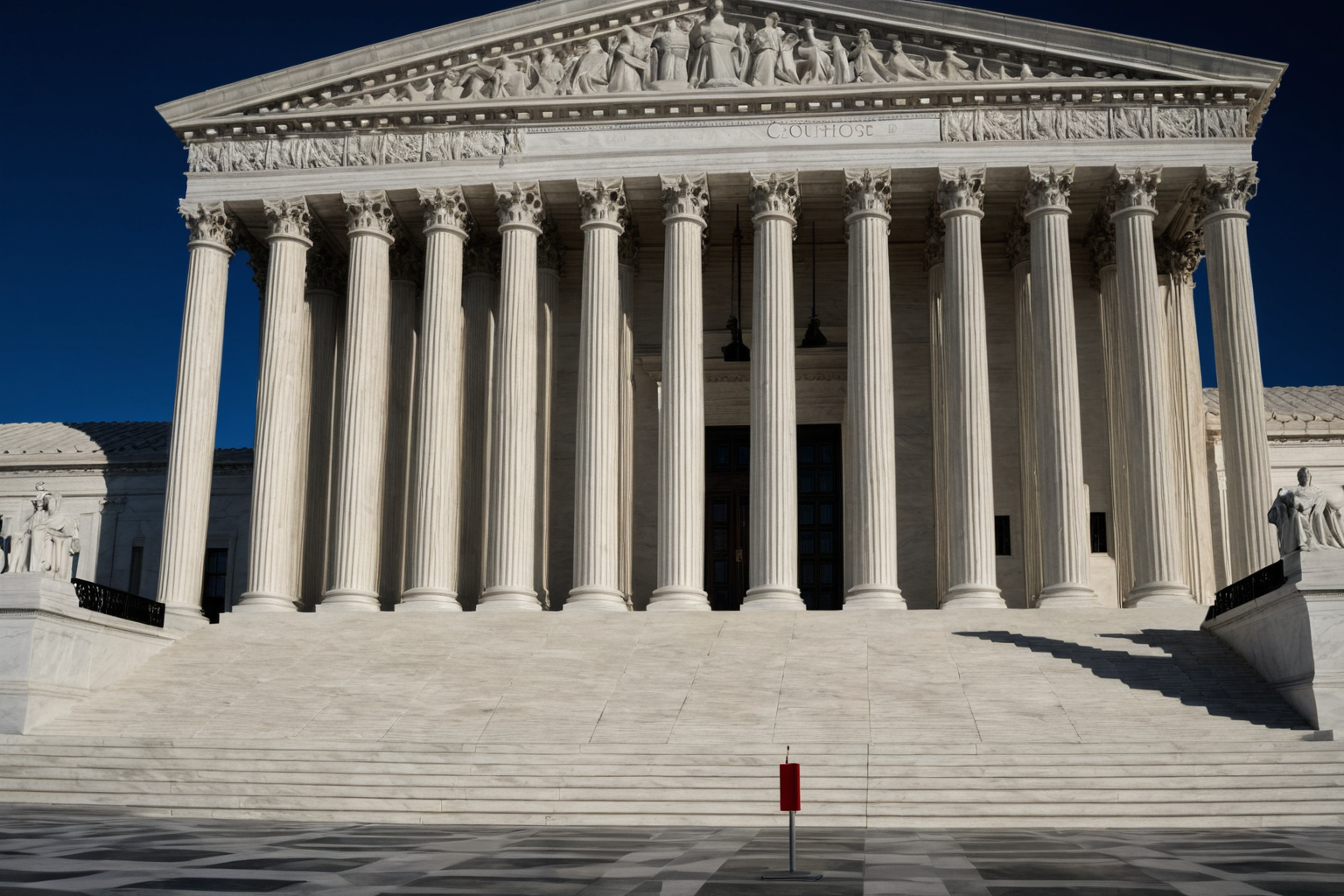
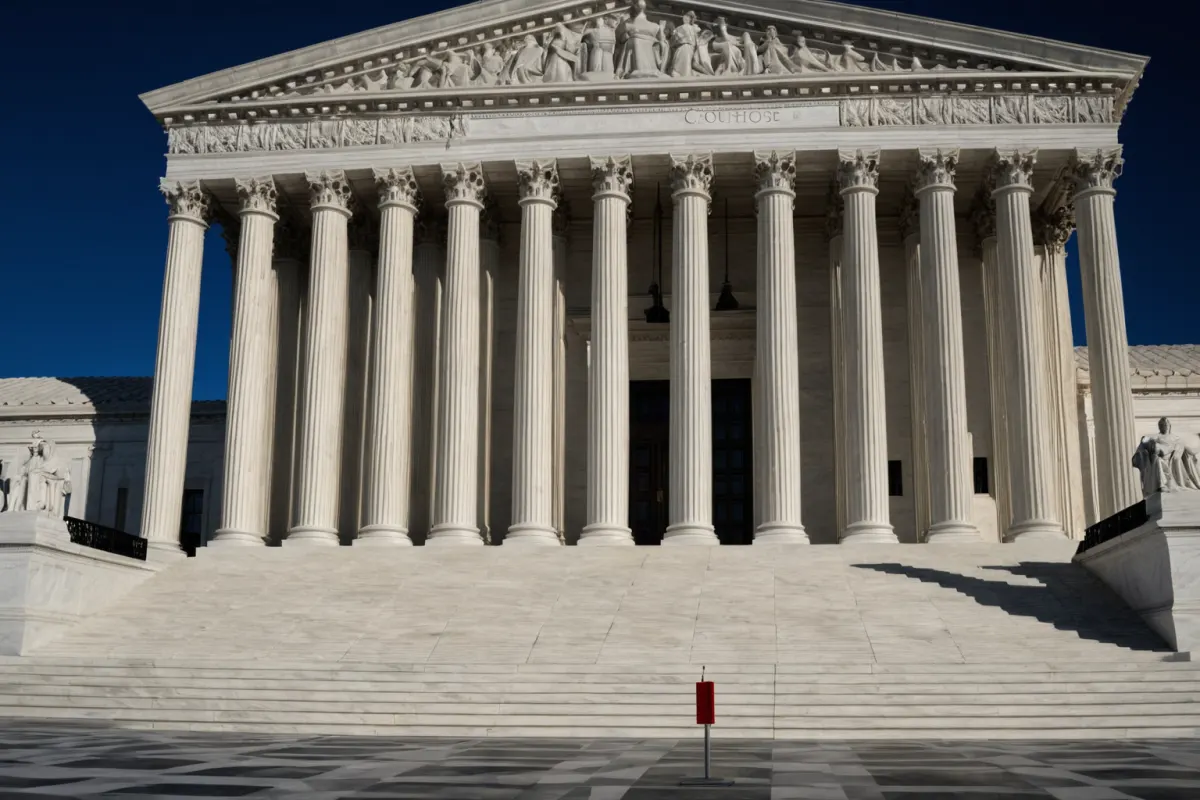
The U.S. Supreme Court's recent intervention in some of former President Donald Trump's policies stems from whether the executive branch overstepped its legal limits or violated constitutional authority distribution. In simpler terms, courts often ruled that 'the law and procedure come first' rather than 'what the president wants.'
This news has become widely searched because it's not just about one politician's defeat—it illustrates where presidential power ends and how far the executive branch can ignore Congress and the judiciary.
Key Issues Behind the Supreme Court's Intervention on Trump Policies
The court typically focuses on three main points: whether there was sufficient legal basis, whether congressional authority was infringed upon, and whether proper administrative procedures were followed.
During Trump's presidency, many controversial policies—such as immigration, tariffs, executive orders, and expanding federal power—were accompanied by the question of 'Is this within a president's authority?' The Supreme Court frequently answered with 'No' or that the policy had exceeded its legal scope.
You can find more articles on similar topics in one place.
View Related ArticlesWhy the Supreme Court Stopped Major Policies
A primary reason is that certain areas—like immigration policies affecting millions—are too significant to be altered by executive orders or departmental guidelines alone. While U.S. presidents appear to wield strong power, they must operate within the framework established by Congress.
For instance, major policy shifts in immigration require thorough procedures. If the government changes policies abruptly without sufficient notice or stretches existing laws beyond their intended scope, courts can intervene and halt implementation.
Another factor is precedent. The Supreme Court bases its decisions on previous rulings and constitutional interpretations. If a new policy contradicts past decisions, it often gets blocked quickly. This means even politically popular initiatives may face legal challenges that prevent long-term success.
The Limits of Executive Orders
Executive orders allow presidents to act swiftly but are not a universal solution. Only Congress has the power to create new laws, and the president's role is primarily to enforce them.
When executive actions seem to effectively rewrite existing laws, lawsuits follow. Courts prioritize 'the basis of authority' over 'the intent of policy.' Trump’s policies were halted precisely at this point.
For example, if a president attempts to broadly restrict entry from certain countries on security grounds, courts will examine whether the action exceeds the legal delegation granted by Congress. In such cases, courts can issue temporary halts or rule the policy unconstitutional in final rulings.
Why Political Disputes Ended Up in Court
Trump's policies were viewed by supporters as 'strong executive action keeping promises,' but opponents saw them as 'abuse of power.' As these tensions grew, the ultimate judgment shifted from politics to the courts.
In the U.S., legal challenges can continue even after a new president takes office. Once a policy is blocked, it may remain in court for years, independent of election outcomes. While this complicates things for citizens, it serves as an institutional check against excessive concentration of power.
For instance, if a president announces 'effective today,' but the legal basis is weak, lawsuits can follow immediately. Courts can issue temporary holds before implementation, effectively stopping policies in their tracks.
Relevance for International Readers
The Supreme Court's actions on Trump’s policies may seem like an internal U.S. matter, but they highlight how crucial separation of powers is. Even strong presidential initiatives can be halted if they exceed legal boundaries.
This structure will resonate with readers in South Korea and elsewhere: even rapid executive action requires solid legal grounding and proper procedures to avoid controversy. The key question isn't 'who said it,' but 'what law supports it.'
Another important point is that Supreme Court rulings don't necessarily reflect political popularity. Courts prioritize constitutionality and legality over public opinion, maintaining a distinct standard from politics.
Key Points to Consider When Analyzing This News
When reading such news, avoid assuming 'the president lost completely' based solely on headlines. The outcome depends on whether it's a temporary hold, final defeat in court, or only certain parts of the policy being invalidated.
Also, determine if the court blocked an entire policy or just specific procedures. Even with the same term 'halt,' different scopes mean vastly different real-world impacts.
For example, if only part of an immigration policy is halted, the government can revise and re-propose it. But if core authority is deemed unconstitutional, creating similar policies becomes significantly harder.
Why Staying Updated on Recent Rulings Matters
U.S. Supreme Court issues vary by case, and situations evolve based on lower court rulings or temporary orders. The same headline can carry different meanings depending on timing.
Especially during election cycles, policy announcements, lawsuits, and rulings often happen rapidly. Checking the latest reports alongside this general explanation is advisable.
FAQ
Q1. Does a Supreme Court 'halt' mean the policy is completely over?
A. Not necessarily. It could be a temporary hold or only certain parts of the policy being blocked. Final clarity comes after the main ruling.
Q2. Why were Trump's policies frequently challenged in court?
A. They often moved quickly and relied heavily on executive orders, making legal justification contentious.
Q3. Did the Supreme Court make a politically biased decision?
A. While rulings can spark political debate, courts generally base decisions on constitutional and legal interpretation. Differences in interpretation sometimes lead to politically charged outcomes.
Continue exploring articles on similar topics.
View Category ArticlesFAQ
Does a Supreme Court 'halt' mean the policy is completely over?
Not necessarily. It could be a temporary hold or only certain parts of the policy being blocked. Final clarity comes after the main ruling.
Why were Trump's policies frequently challenged in court?
They often moved quickly and relied heavily on executive orders, making legal justification contentious.
Did the Supreme Court make a politically biased decision?
While rulings can spark political debate, courts generally base decisions on constitutional and legal interpretation. Differences in interpretation sometimes lead to politically charged outcomes.
Korean Source
This article is an English localization of a Korean-language report from BlogScore. Original: 미대법원 제동, 트럼프 정책에 멈춘 이유