
Support Policies and Application Methods for Agricultural Damage Caused by Heavy Rains in Gyeongnam
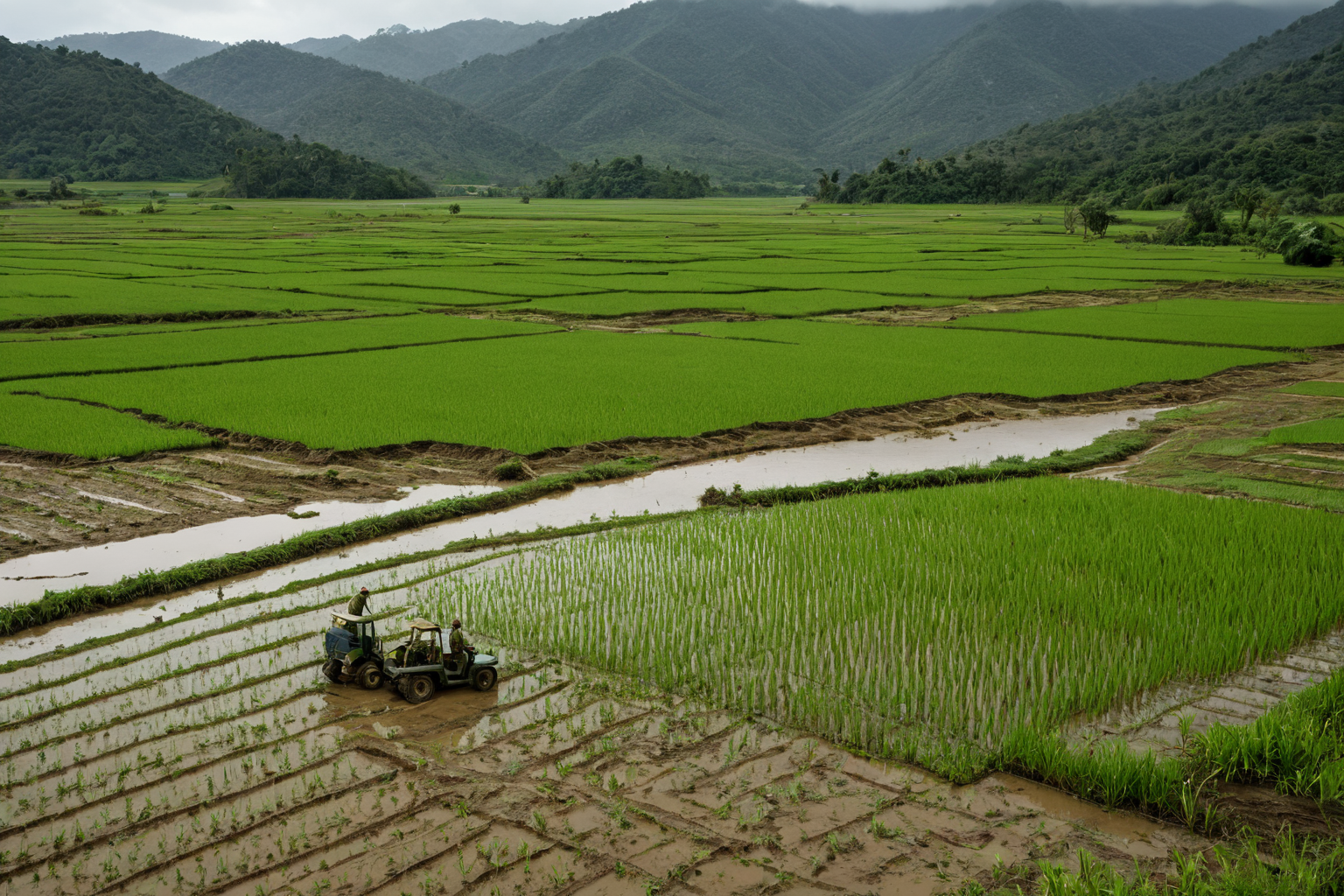
Gyeongnam Heavy Rain Agricultural Damage Support Policies
Agricultural damage from heavy rains in the Gyeongnam region has prompted the government and relevant agencies to implement various recovery support policies, including an interest-free disaster fund of 20 billion won (KRW), with plans to double the support amount. Over 3660 hectares of crops and 1.31 million livestock have been affected, with Bumnonghyup and Seoul's Badae Service Team actively participating in recovery efforts in Geoje.
Detailed Damage Scale and Support Policies
The government disclosed the scale of agricultural damage caused by heavy rains on September 3, reporting that 3660 hectares of crops and 1.31 million livestock were affected, resulting in approximately 150 billion won (KRW) in economic losses. The Ministry of Agriculture, Food and Rural Affairs is promoting an interest-free disaster fund of 20 billion won with a doubled support amount, aiming for recovery before Chuseok. This policy is being implemented alongside expanded agricultural income insurance to stabilize farm incomes.
Recovery Activities and On-Site Support
Bumnonghyup focused on recovery efforts in Geoje, Gyeongnam, starting August 22, while Seoul's Badae Service Team began flood recovery activities in Geoje from August 25. On August 26, 30 professional technicians were deployed for agricultural machinery repairs, and Goseong County distributed support service guides to simplify application procedures. Gyeongnam Agricultural Cooperative headquarters launched 'Hopeful Hands' support at the flood-affected sites in Geoje and Tongyeong, while the Gyeongnam Provincial Assembly's standing committee worked tirelessly on recovery efforts in Tongyeong and Geoje. Busan-Ulsan-Gyeongnam Forestry Association also supported grape farmers in Geoje with flood recovery, and the National Institute of Agricultural Sciences mobilized all available resources for recovery support.
Insurance Issues and Additional Challenges
Farmers are facing additional challenges due to insurance claim denials. One tangerine farmer with 40 years of experience had their insurance denied after suffering leaf damage from a specific pest, highlighting that certain crop diseases like leaf wilt may not be covered by standard insurance policies. Additionally, farmers whose crops were ruined by landslides and heavy rains are frustrated over lack of compensation, with 69% of affected residents showing signs of PTSD risk, indicating the need for psychological support alongside financial aid.
Specific Details of Support Policies
The government is expanding agricultural income insurance, currently operating 78 crop disaster insurance policies and 20 agricultural income security insurance products. The interest-free disaster fund of 20 billion won will be directly provided to agricultural cooperatives, with the doubled support amount aimed at reducing farmers' burden. Agricultural income security insurance was designed to protect farm incomes and prepare for disasters, with some of the current 20 products planned for further expansion. Crop disaster insurance, operating across 78 policies, aims to broaden coverage for natural disasters like heavy rains and landslides.
The Ministry of Agriculture, Food and Rural Affairs is working to stabilize agricultural operations through these support policies, building close cooperative systems with relevant agencies to achieve recovery before Chuseok, enabling farmers to quickly resume planting plans.
Collaborative Response by Government and Private Organizations
Gyeongnam Agricultural Cooperative headquarters implemented 'Hopeful Hands' support at flood-affected sites in Geoje and Tongyeong, while the Gyeongnam Provincial Assembly's standing committee worked diligently on recovery efforts. Busan-Ulsan-Gyeongnam Forestry Association supported grape farmers in Geoje with flood recovery, and the National Institute of Agricultural Sciences mobilized all available resources for support. This collaborative approach between government and private organizations is being recognized as a model example of joint problem-solving.
Application Procedures and Precautions
Farmers can apply for support by referring to the guidebook distributed by Goseong County. Agricultural income security insurance operates with 20 products, while crop disaster insurance has expanded to 78 policies, allowing farmers who have enrolled in these insurances to receive aid promptly. However, due to cases of denied claims, it is important to review insurance terms and conditions beforehand. Specifically, damage from pests like leaf wilt during tangerine cultivation may not be covered by standard insurance, so farmers should seek detailed explanations before enrolling.
Key Information to Verify
The government publicly disclosed the scale of flood damage and support policies on September 3 and 4. The Ministry of Agriculture, Food and Rural Affairs aims for recovery before Chuseok, with agricultural income security insurance expansion and interest-free disaster fund support being implemented swiftly. However, due to denied claims, farmers should carefully review their insurance terms and apply accordingly. Agricultural income security insurance products are designed to cover various types of disasters, so choosing an insurance plan that matches specific crop types and regional characteristics is crucial for farmers.
Frequently Asked Questions
What support policies are available for agricultural damage caused by heavy rains in Gyeongnam?
Interest-free disaster fund of 20 billion won, doubled support amount, and expanded agricultural income security insurance.
What should farmers do if their insurance claim is denied?
Review insurance terms and conditions beforehand and follow the application procedures outlined in the guidebook distributed by Goseong County for additional support.
How long will recovery activities continue?
The government aims to complete recovery before Chuseok, with Bumnonghyup and Seoul's Badae Service Team beginning active support from late August.
You can view similar articles in one place.
View Related ArticlesFAQ
What support policies are available for agricultural damage caused by heavy rains in Gyeongnam?
Interest-free disaster fund of 20 billion won, doubled support amount, and expanded agricultural income security insurance.
What should farmers do if their insurance claim is denied?
Review insurance terms and conditions beforehand and follow the application procedures outlined in the guidebook distributed by Goseong County for additional support.
How long will recovery activities continue?
The government aims to complete recovery before Chuseok, with Bumnonghyup and Seoul's Badae Service Team beginning active support from late August.
Korean Source
This article is an English localization of a Korean-language report from BlogScore. Original: 경남 폭우로 인한 농업 피해 지원 정책과 신청 방법