
Summer Outdoor Work Safety: A Must-Have Cooling Vest Guide
The Effectiveness and Current Distribution of Cooling Vests
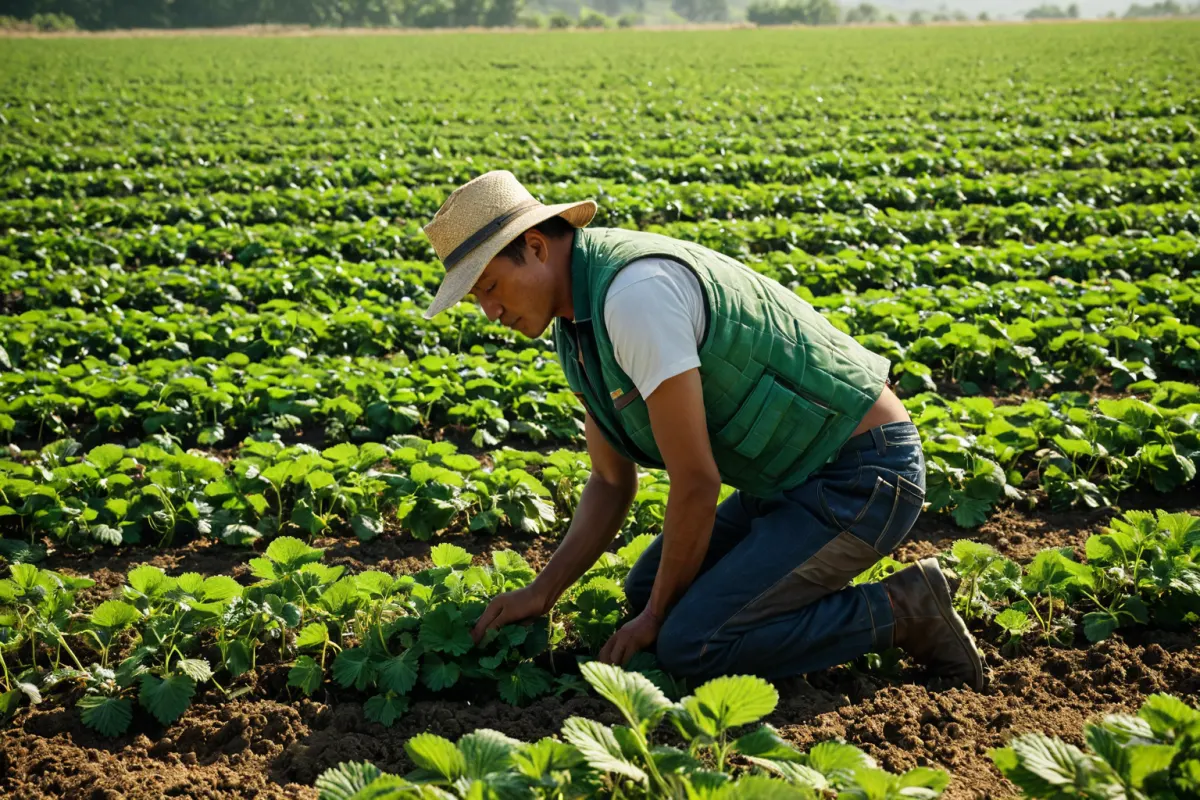
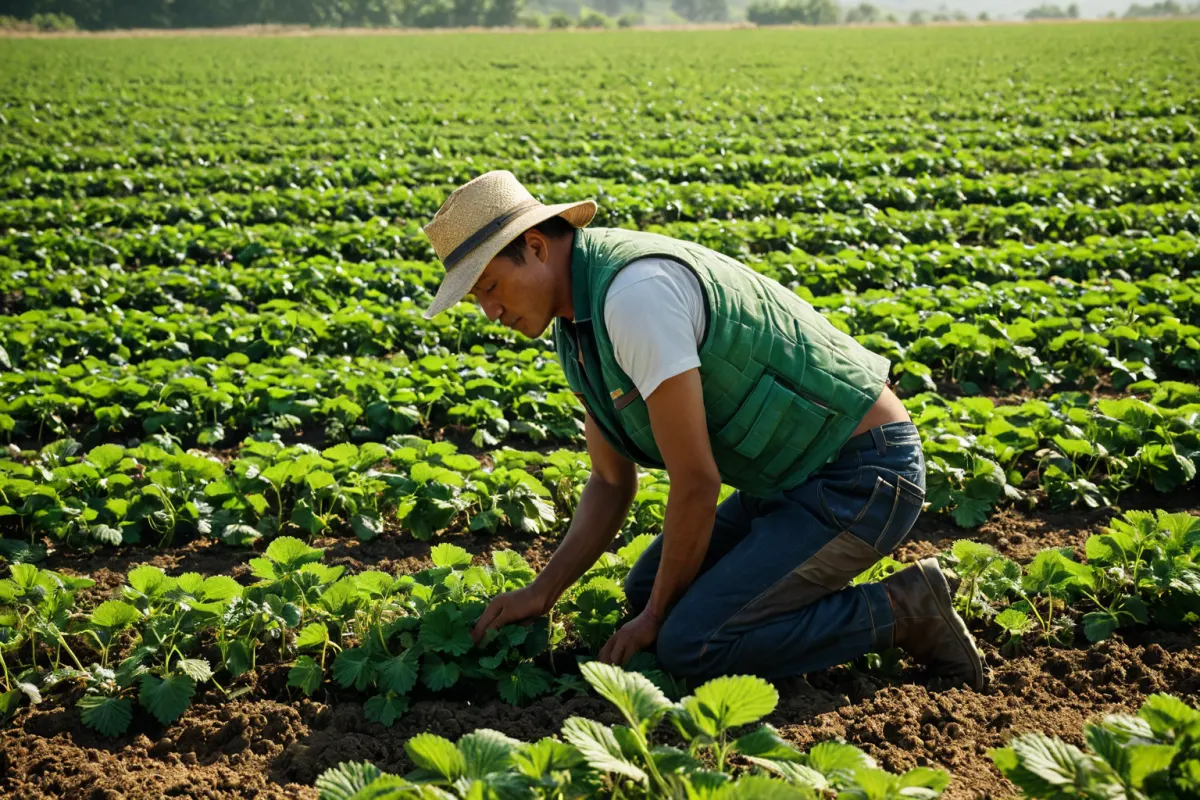
Cooling vests are essential for preventing heat-related illnesses during outdoor summer work. Local governments like Asan City and Bonghwa County have begun distributing air-cooling vests to farmers and waste management workers, with sales increasing by 1300% by 2026. In Jeju, the first distribution took place in red citrus farms and greenhouse farms, where body temperature was reduced by up to 15.7 degrees.
Real-World Examples of Cooling Vests' Effectiveness
Asan City started a pilot distribution of air-cooling vests on July 9, 2025, while Bonghwa County included cooling vest support in its comprehensive heatwave preparedness plan for waste management workers starting July 23, 2025. In Jeju, the first distribution to red citrus and greenhouse farms occurred on April 8, 2026.
The Rural Development Administration (RDA) developed an air-cooling vest using air circulation on July 27, 2021, and established a dedicated safety department called 'Agricultural Safety Division' in January 2026 to manage workplace safety. This is part of comprehensive measures to prevent heatstroke among farmers.
On July 16, 2025, the government announced a policy restricting outdoor farming work between noon and 5 PM during peak heat, alongside efforts to ease electricity tariff tiers to reduce financial burden on farmers while encouraging indoor breaks.
Distribution and Sales Status of Cooling Vests
Due to the RDA's air-cooling vest development, sales increased by 1300% in 2026. This reflects a significant rise in demand for outdoor workers' safety. After initial distribution in Jeju's red citrus farms and greenhouse farms, adoption has expanded to other regions.
Asan City is promoting pilot distributions of air-cooling vests and expanding cooling supplies to protect farmers during heatwaves. Bonghwa County includes cooling vest support as part of its comprehensive heatwave preparedness plan for waste management workers.
The noon-to-5 PM work restriction policy announced on July 16, 2025, aims to reduce heatstroke risk by adjusting working hours during extreme heat, with electricity tariff easing policies connected to this initiative.
Following the April 8, 2026 distribution in Jeju farms, cooling vest popularity surged. The vests have also been provided to 50 Laotian seasonal workers as part of expanding applications across various sectors.
Cooling vest distribution is expanding for heatstroke prevention among farmers, with the RDA establishing a dedicated department and comprehensive safety measures. This demonstrates the government's effort to build an integrated safety management system beyond simple product distribution.
Guide to Choosing Cooling Vests
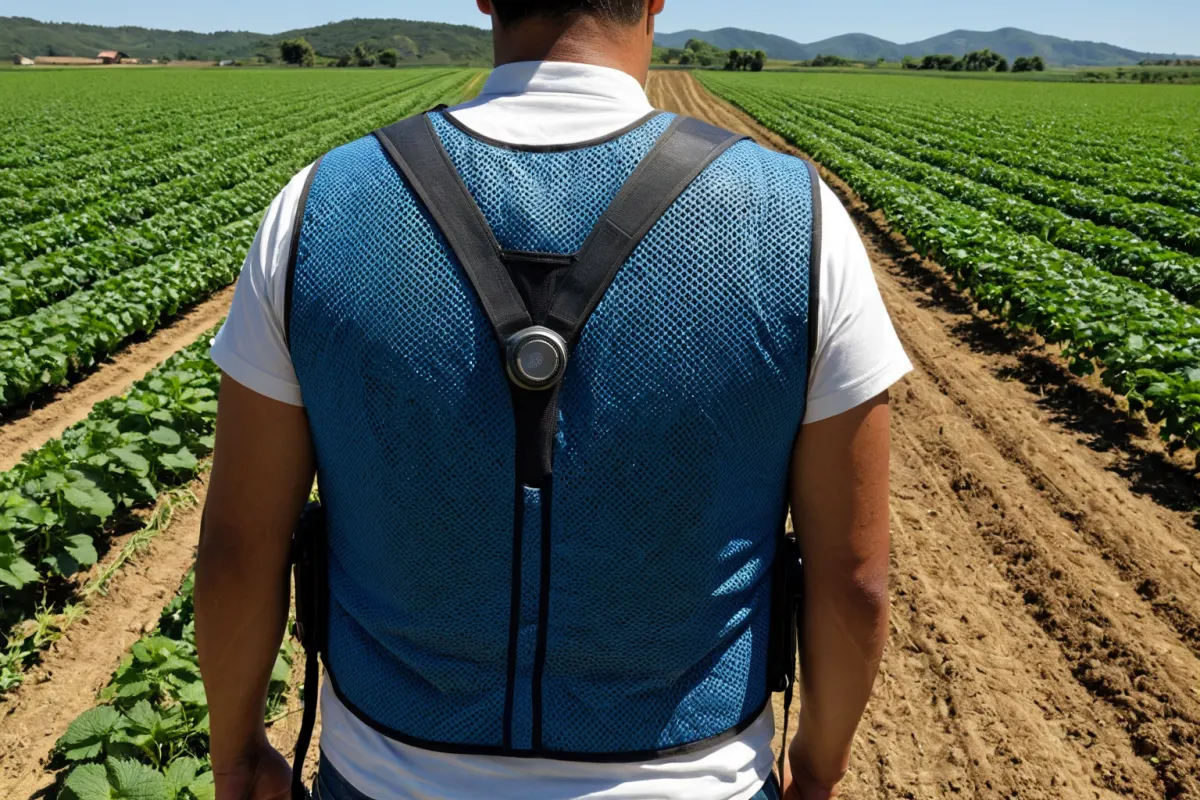
When purchasing cooling vests for outdoor work, consider their effectiveness in lowering body temperature and ease of use. Air-cooling vests can reduce body temperature by up to 15.7 degrees using air circulation. This helps maintain productivity and safety during extreme heat.
Studies have shown that wearing 'ice vests' daily for six weeks may contribute to reduced body fat, suggesting cooling vests could offer additional health benefits beyond preventing heatstroke.
It's advisable to consider feedback from real users like those in Jeju farms where the first distribution occurred. The successful application in Jeju farms suggests potential for wider adoption across other regions.
In 2026, the RDA is recruiting new Agricultural Safety Managers to strengthen safety measures, indicating a focus on having trained personnel conduct on-site inspections and education alongside equipment distribution.
Government Policies Linked to Safety Measures
The government's noon-to-5 PM work restriction policy encourages adjusting working hours during heatwaves to protect outdoor workers' health. This is an important measure for safeguarding their well-being.
Easing electricity tariff tiers aims to reduce financial burden on farmers during increased power usage due to heatwaves, while also encouraging more indoor rest time.
The establishment of the RDA's 'Agricultural Safety Division' represents a key step in strengthening safety management systems at agricultural sites. The department can address heatstroke prevention and workplace improvements with specialized expertise.
Announced on July 16, 2025, this policy presents a comprehensive approach to farmers' safety through work hour adjustments, electricity tariff easing, and cooling vest distribution working together.
What to Check Before Purchasing Cooling Vests
Before purchasing, understand the effectiveness and usage of cooling vests. Air-cooling vests reduce body temperature by up to 15.7 degrees through air circulation—this is a proven effect that enables stable work during extreme heat.
Since the first distribution in Jeju's red citrus farms, cooling vest popularity has surged. Checking Jeju's case and user feedback can help guide your purchase decision.
Reports indicate no discomfort after daily wear for six weeks with potential body fat reduction benefits, highlighting long-term health management capabilities of cooling vests.
You can also consider regional government support policies like those in Asan City and Bonghwa County to potentially reduce purchasing costs when buying cooling vests.
Frequently Asked Questions
How much can a cooling vest lower body temperature?
Air-cooling vests can reduce body temperature by up to 15.7 degrees using air circulation.
Can I reference Jeju's case when purchasing a cooling vest?
Yes, after the first distribution in Jeju farms, popularity surged and real user feedback is available for reference.
Are there government support policies for purchasing cooling vests?
Local governments like Asan City and Bonghwa County are implementing pilot distributions and support programs.
Frequently Asked Questions
Cooling vests, along with government initiatives, represent a comprehensive approach to outdoor worker safety. From Asan City's pilot program to Jeju's first distribution case, cooling vests have evolved from simple products into essential components of on-site safety management.
The establishment of the RDA's 'Agricultural Safety Division' and noon-to-5 PM work restrictions demonstrate a comprehensive strategy for protecting workers during heatwaves. This goes beyond simple equipment provision to build an integrated safety management system with professional personnel and policy support.
When purchasing cooling vests, it's important to consider proven effectiveness and user feedback. The 1300% sales increase in 2026 is a significant indicator of the product's essential nature.
Linked to government policies, cooling vests have transitioned from simple products to practical, on-site safety equipment that will contribute to workers' safety during heatwaves.
You can view similar articles in one place.
View Related ArticlesFAQ
How much can a cooling vest lower body temperature?
Air-cooling vests can reduce body temperature by up to 15.7 degrees using air circulation.
Can I reference Jeju's case when purchasing a cooling vest?
Yes, after the first distribution in Jeju farms, popularity surged and real user feedback is available for reference.
Are there government support policies for purchasing cooling vests?
Local governments like Asan City and Bonghwa County are implementing pilot distributions and support programs.
Korean Source
This article is an English localization of a Korean-language report from BlogScore. Original: 여름철 실외 작업 시 냉각 조끼 필수 구매 가이드