
Successful Lawsuits Against Japanese Steel Companies: Key Cases and Considerations
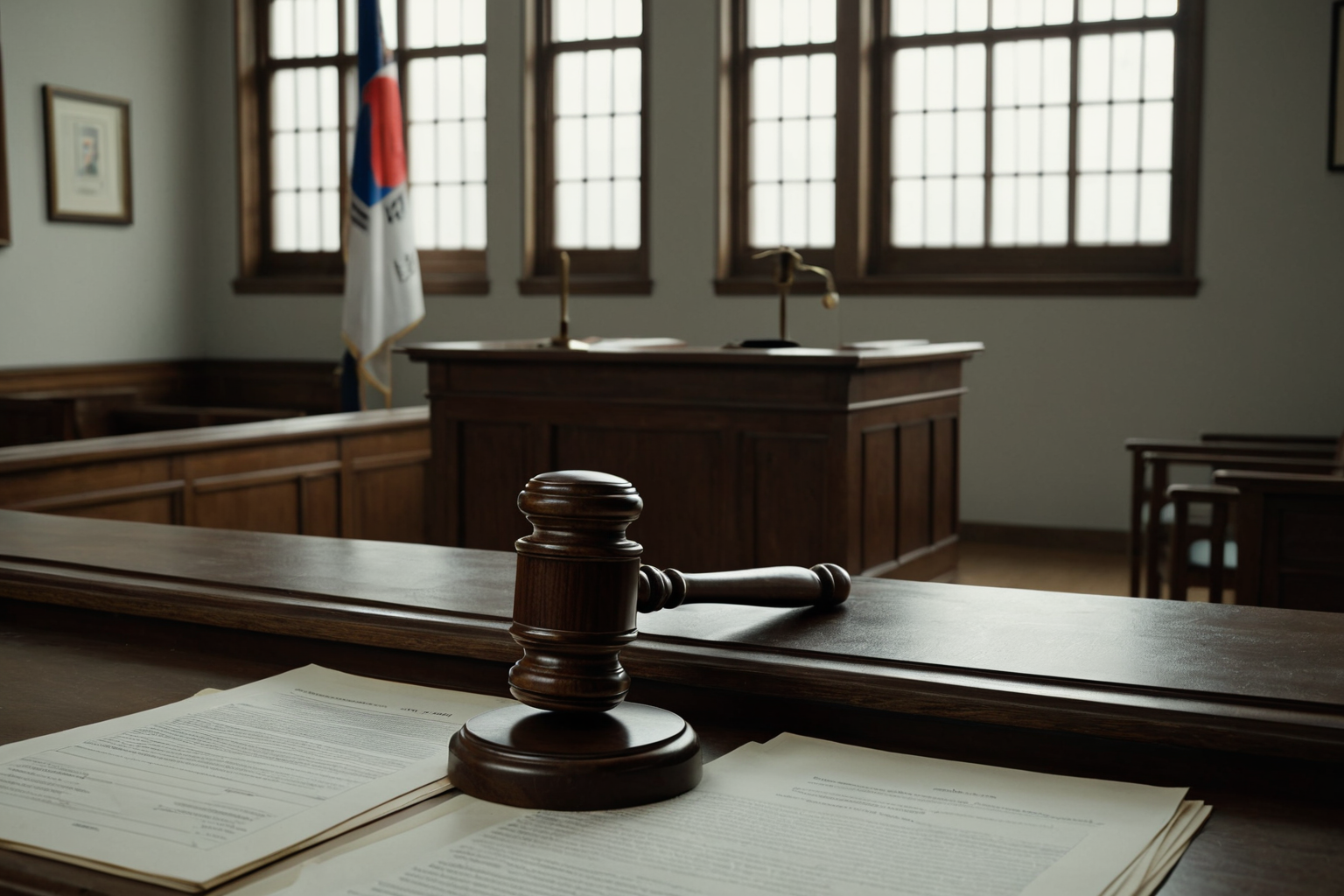
Successful Lawsuits Against Japanese Steel Companies
A landmark case saw South Korea's Supreme Court rule in favor of the families of forced labor victims, ordering Nippon Steel (formerly known as Japan Steel) to pay 80 million won in compensation. This final verdict was confirmed on October 30, 2018, after a lengthy legal process spanning decades. The ruling marked the first successful lawsuit against a Japanese company for wartime forced labor and is considered a significant turning point in such cases. The Supreme Court's decision has been praised for clearly establishing the responsibility to compensate victims of forced labor, aligning with international human rights standards.
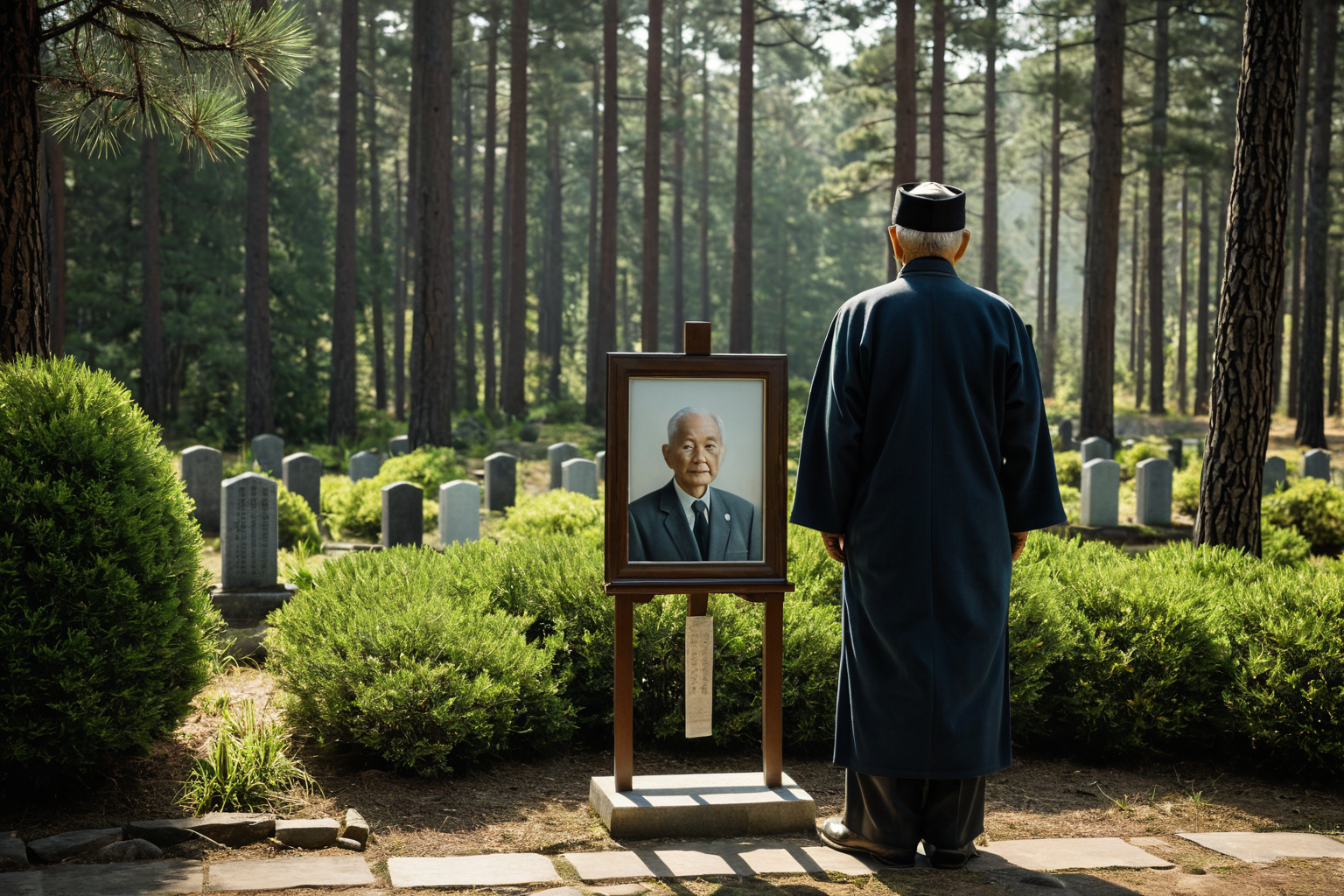
Lawsuit Process and Compensation Ruling
The lawsuit concerning compensation for families of forced labor victims was finally confirmed as a victory on October 30, 2018, when the Supreme Court ruled that Nippon Steel must pay 80 million won in damages. However, following this ruling, Nippon Steel has encountered difficulties in executing the payment. Some family members have passed away during the legal process. Since 2019, reports indicate that Nippon Steel has attempted various methods to avoid enforcement of the judgment, prompting families to consider further legal action. International legal procedures for compensation are also being explored.
Duration of Lawsuits and Statute of Limitations
Lawsuits against companies like Nippon Steel have often taken a long time to resolve. Some cases required over seven years just for the first trial, with more than 30 related forced labor lawsuits still awaiting judgment. This demonstrates the complexity involved in legal proceedings and evidence gathering when pursuing compensation from former wartime corporations. Additionally, new lawsuits may face challenges due to the statute of limitations. According to reports dated March 6, 2023, cases that exceed this time limit may no longer be filed. In fact, some previous lawsuits by families of forced labor victims have already been dismissed by courts for exceeding the statute of limitations.
Allegations of Legal Negotiations and Enforcement Challenges
Some reports have raised concerns about alleged legal negotiations in certain Nippon Steel lawsuits. However, these claims remain unverified and have not been officially confirmed or proven. While the Supreme Court has definitively established Nippon Steel's liability for compensation, whether actual payment will occur remains uncertain. Some family members passed away during the lawsuit process, yet proceedings continue. Since 2019, Nippon Steel has reportedly sought international negotiations to address payments, but these efforts have not yielded substantial results so far. Families are considering additional legal measures.
Local Government 'NO Japan' Ordinances and Public Institution Boycott Discussions
Local governments have enacted 'NO Japan' ordinances that discuss public institutions boycotting companies linked to wartime atrocities, including Nippon Steel. These measures represent part of broader societal discussions on resolving the forced labor issue, with both national and local governments exploring various solutions. For instance, Gyeonggi Province and Busan City have included provisions banning public purchases from companies like Nippon Steel in their 'NO Japan' ordinances. This approach goes beyond simple boycotts to include legal and policy-level responses, which are gaining attention. These ordinances also contribute to providing moral support for the families of victims and fostering social solidarity.
Key Considerations During Lawsuits
When pursuing lawsuits against companies like Nippon Steel, it is essential to first verify whether the statute of limitations has expired. If so, further legal action may not be possible, making consultation with legal experts crucial. In cases where enforcement faces challenges, collaboration with relevant institutions to find solutions becomes necessary. When family members pass away during a lawsuit, appointing representatives or expediting legal procedures is important. Additionally, new evidence discovered during the process necessitates ongoing legal consultations. Families should also prepare for possible attempts by Nippon Steel to avoid payment by working with courts to establish enforcement procedures.
Key Information to Verify
The successful lawsuit against Nippon Steel was confirmed by the Supreme Court in 2018, but whether compensation will actually be paid and how enforcement challenges will be resolved remain unresolved. There are currently more than 30 related lawsuits awaiting judgment, with some first-instance trials taking over seven years. New lawsuits face significant hurdles due to statute of limitations issues. While Nippon Steel has sought international negotiations for a resolution, these efforts have yet to produce tangible results. Local government 'NO Japan' ordinances are being closely watched as part of broader societal discussions on resolving the forced labor issue, with potential expansion of related policies in the future.
Frequently Asked Questions
What was the compensation amount ordered by the Supreme Court in the Nippon Steel lawsuit?
The Supreme Court ruled that Nippon Steel must pay 80 million won to families of forced labor victims.
When was the final victory confirmed in the Nippon Steel lawsuit?
The final confirmation came on October 30, 2018, when the Supreme Court's full bench ruled in favor of the forced labor victims' families.
Are new lawsuits possible?
New lawsuits face significant challenges due to statute of limitations. Once this time limit is exceeded, further legal action may not be permissible.
You can view a collection of similar articles on this topic.
View Related ArticlesFAQ
What was the compensation amount ordered by the Supreme Court in the Nippon Steel lawsuit?
The Supreme Court ruled that Nippon Steel must pay 80 million won to families of forced labor victims.
When was the final victory confirmed in the Nippon Steel lawsuit?
The final confirmation came on October 30, 2018, when the Supreme Court's full bench ruled in favor of the forced labor victims' families.
Are new lawsuits possible?
New lawsuits face significant challenges due to statute of limitations. Once this time limit is exceeded, further legal action may not be permissible.
Korean Source
This article is an English localization of a Korean-language report from BlogScore. Original: 일본제철 손배소 소송 성공 사례와 주의점