
The Strategic Importance of the Strait of Hormuz and Trump's Policy
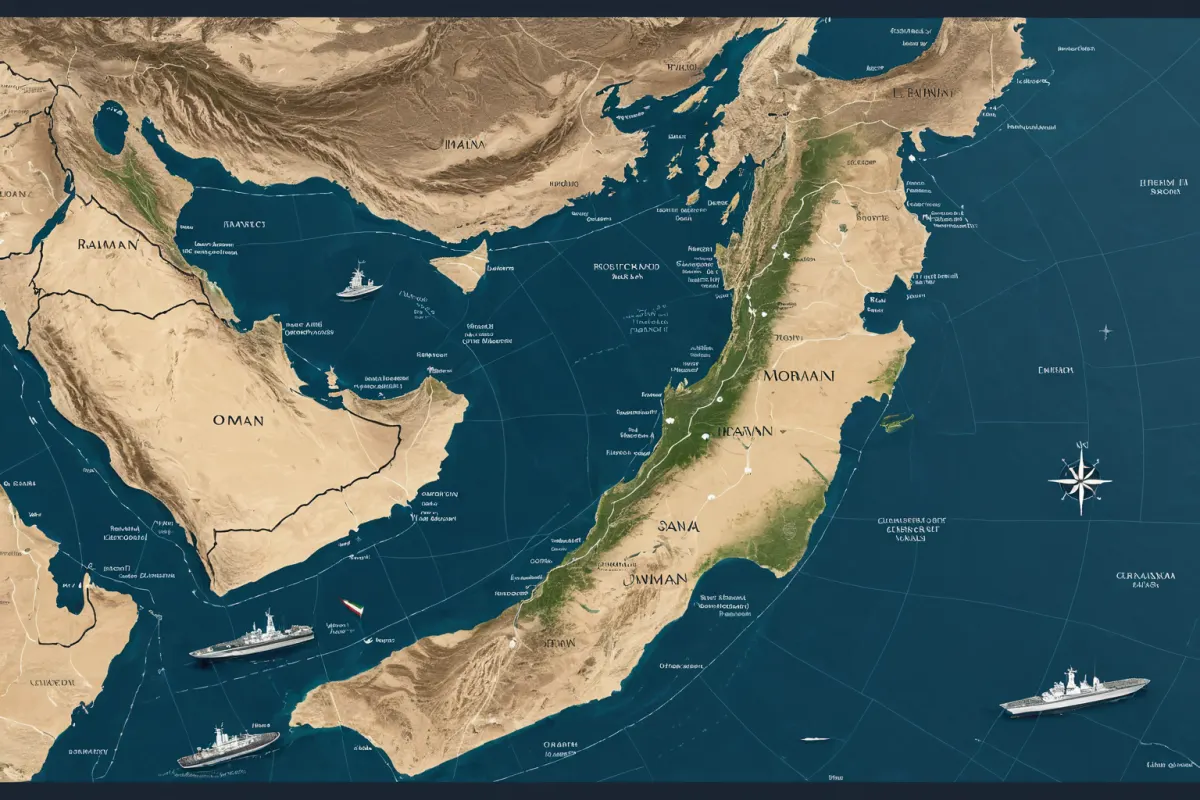
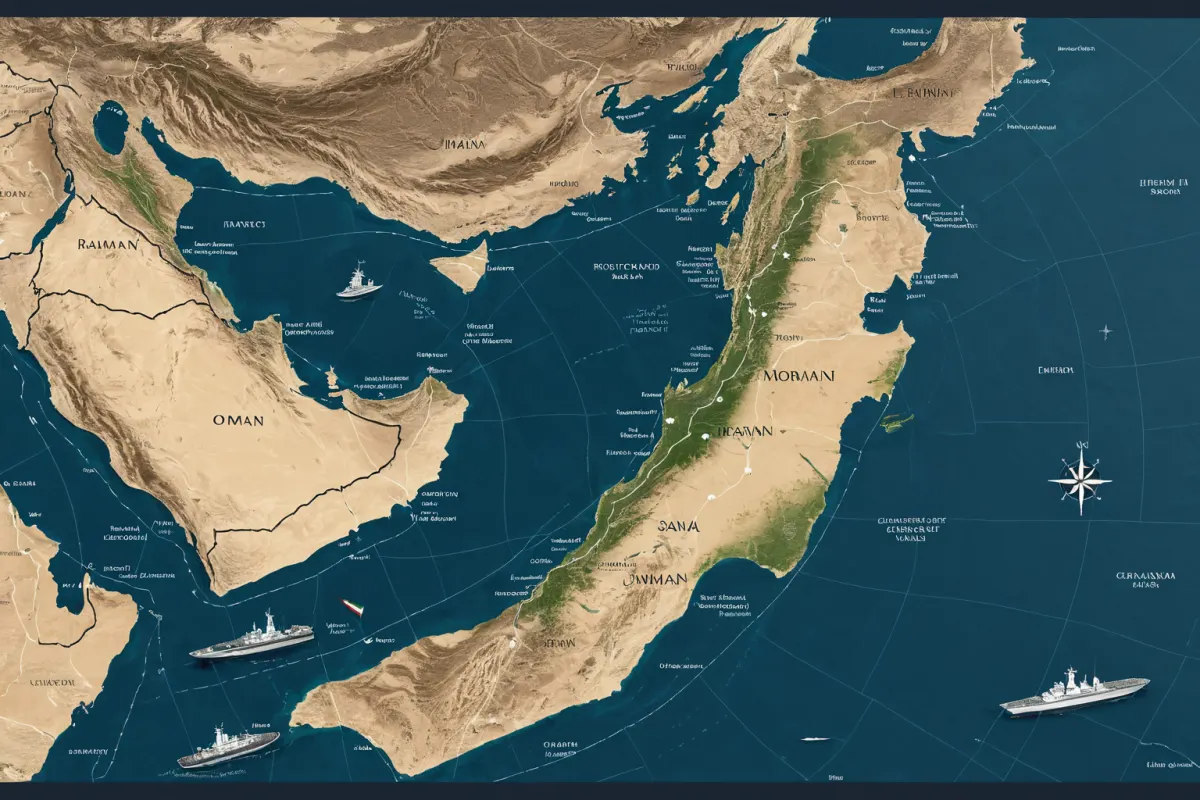
Trump Administration's Plan to Control the Strait of Hormuz
The Trump administration announced plans to incorporate the Strait of Hormuz into U.S. territory, though this could violate international law. Iran has stated it will continue blocking the strait until the end of Trump's term. U.S. intelligence agencies have prioritized the Hormuz Strait over Iran's nuclear issues, raising concerns that Trump's policies could justify a Middle East war.
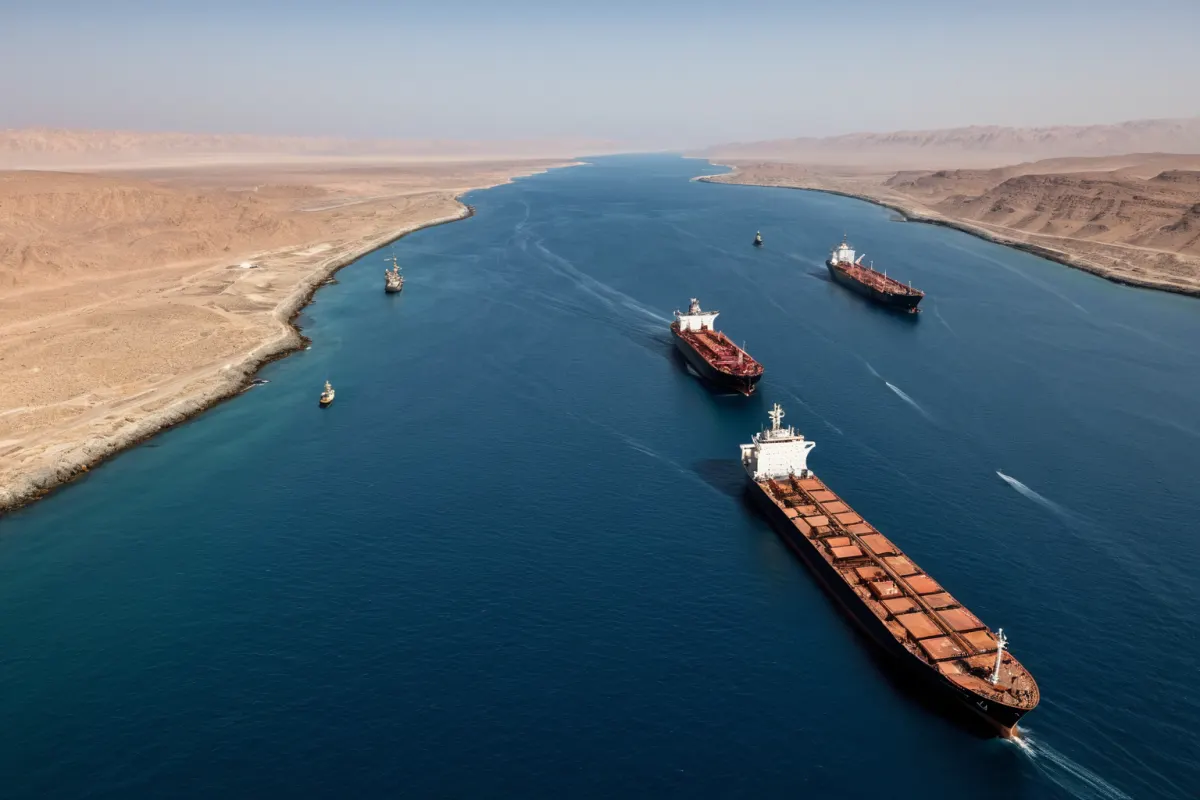
Trump's Military Measures Announced
President Trump ordered special forces to seize control of the Hormuz Strait and declared an indefinite blockade of Iranian ports. He also stated that the strait would remain under封锁 until a deal with Iran is reached, while affirming no use of nuclear weapons. The U.S. aims to strengthen its influence in the Middle East by controlling the Hormuz Strait.
These actions appear to have begun around March 2026. On March 10, Trump mentioned considering taking control of the Hormuz Strait; on March 11, the U.S. issued warnings of 'the most intense airstrikes' and announced bombing across Tehran. By March 12, the U.S.-Iran conflict had entered its second week with overwhelming attacks against a determined resistance.
A claim that the Trump administration sought to make the Hormuz Strait part of U.S. territory was reported by Vietnam.vn on August 19, 2026. It was confirmed that on August 14, 2026, Trump stated his intent to incorporate the Hormuz Strait into U.S. territory during ongoing hostilities with Iran.
U.S. intelligence reports from August 12, 2026, indicated prioritizing the Hormuz Strait over Iran's nuclear issues. On August 10, 2026, Iran announced plans to continue blocking the strait until the end of Trump's term.
On March 24, 2026, President Trump ordered special forces to seize control of the Hormuz Strait; on April 24, he declared a blockade of the strait until an agreement with Iran is reached. However, The Wall Street Journal (WSJ) noted that while Trump claimed 'full U.S. control' of Hormuz, the actual situation differed.
The strategic importance of the Strait of Hormuz is significant, and Iran has long asserted it as 'ours from past to present and future.' On August 19, 2026, a Donga Ilbo article reported Trump's threat to incorporate Hormuz into U.S. territory, though no specific policy or implementation plans were mentioned in other sources.
Some analysts argue that the Strait of Hormuz is not the sole vulnerability in global trade. On August 19, 2026, Pado.kr analyzed that 'Hormuz is not the only weak point in global trade.'
The main source for Trump's threat to incorporate Hormuz into U.S. territory comes from a Donga Ilbo article (No. 25), while other reports lack specific policy details or implementation plans.
Iran's Further Response and International Reaction
Iran has adopted a hardline stance against the Trump administration's attempts to seize control of Hormuz, with Iran's hardliners opposing U.S. military actions. The U.S. military is reviewing the deployment of ground forces in Iran and accelerating scenarios for controlling the Hormuz Strait.
After negotiations with Iran failed, the U.S. began considering military measures; Iran plans to continue blocking the strait until the end of Trump's term. Iran has not expressed concerns about the impact on international trade from such a blockade.
The U.S. government is prioritizing the Hormuz Strait over Iran's nuclear issues, drawing criticism from the international community for potentially justifying a Middle East war. Iran plans to continue blocking the strait, which could significantly worsen relations with the U.S.
Source Reliability and Verification of Trump Policy Reports
The claim that the Trump administration threatened to incorporate Hormuz into U.S. territory was verified in a Donga Ilbo article (No. 25). However, other sources provided no specific policy or implementation plans.
U.S. intelligence reports from August 12, 2026, stated that the Hormuz Strait was prioritized over Iran's nuclear issues. On August 10, 2026, Iran announced its plan to continue blocking the strait until the end of Trump's term.
Trump's order for special forces to seize Hormuz was issued on March 24, 2026; his announcement of a blockade until an agreement with Iran was made on April 24, 2026.
While numerous reports exist about Trump's policy, only the Donga Ilbo article (No. 25) and Pado.kr analysis (No. 27), which stated 'Hormuz is not the sole vulnerability in global trade,' have been verified. Other sources lack specific details.
After failed negotiations with Iran, U.S. military measures began on March 11, 2026; Iran hardliners oppose U.S. military actions, and the U.S. military is reviewing ground troop deployment in Iran and accelerating Hormuz Strait control scenarios.
The claim that Trump sought to make Hormuz part of U.S. territory was made on August 14, 2026, during ongoing conflict with Iran, raising concerns about potential violations of international law.
Verified Information
The specific details of Trump's policy remain unverified, and there is insufficient information explaining the strategic location of the Hormuz Strait. Further reports on Iran's response and international reactions have not been confirmed.
The Donga Ilbo article (No. 25) confirms Trump's threat to incorporate Hormuz into U.S. territory, but no specific implementation plans or policies were found in other sources.
Reports on the strategic importance of the Hormuz Strait and its impact on global trade are limited; while Iran plans to continue blocking the strait, there is no detailed explanation of potential disruptions to international trade.
Frequently Asked Questions
What is the basis for Trump's threat to incorporate the Hormuz Strait into U.S. territory?
The Donga Ilbo article (No. 25) reported that Trump threatened to incorporate Hormuz into U.S. territory. However, other sources provided no specific policies or implementation plans.
How does Iran view the Hormuz Strait?
Iran has long claimed the Hormuz Strait as 'ours from past, present, and future,' announcing plans to continue blocking it until the end of Trump's term.
What is the strategic importance of the Hormuz Strait?
The Hormuz Strait is a critical global trade route; if blocked by Iran, it could significantly impact international trade. However, some analysts argue that 'Hormuz is not the only weak point in global trade.'
Has the U.S. government prioritized the Hormuz Strait over Iran's nuclear issues?
U.S. intelligence agencies reported on August 12, 2026, that they prioritize the Hormuz Strait over Iran's nuclear issues.
Frequently Asked Questions
The Trump administration's plan to control the Hormuz Strait could violate international law, and Iran plans to continue blocking it until the end of Trump's term. U.S. intelligence prioritizes the Hormuz Strait over Iran's nuclear issues, raising concerns that Trump's policies might justify a Middle East war.
President Trump ordered special forces to seize control of Hormuz and announced an indefinite blockade until an agreement with Iran is reached. However, The Wall Street Journal (WSJ) noted that while Trump claimed 'full U.S. control' of Hormuz, the actual situation differs.
The strategic importance of the Hormuz Strait has been widely reported, but specific policy implementation plans remain lacking. Iran asserts it as 'ours from past to present and future,' planning to continue blocking it until the end of Trump's term.
While numerous reports exist about Trump's policy, only the Donga Ilbo article (No. 25) and Pado.kr analysis (No. 27), stating 'Hormuz is not the sole vulnerability in global trade,' have been verified. Other details are missing.
The U.S. government prioritizes the Hormuz Strait over Iran's nuclear issues, aiming to strengthen its influence in the Middle East. However, Iran plans to continue blocking the strait until Trump's term ends, which could significantly impact international relations.
Trump's plan to control the Hormuz Strait lacks specific implementation details, and after failed negotiations with Iran, the U.S. is considering military measures. Iran hardliners oppose U.S. military actions, while the U.S. military is reviewing ground troop deployment in Iran and accelerating scenarios for controlling the Hormuz Strait.
International observers are awaiting more detailed explanations about Trump's policy specifics and the strategic location of the Hormuz Strait. Iran's further responses and international reactions will be key points to watch.
You can view similar articles on this topic in one place.
View Related ArticlesFAQ
What is the basis for Trump's threat to incorporate the Hormuz Strait into U.S. territory?
The Donga Ilbo article (No. 25) reported that Trump threatened to incorporate Hormuz into U.S. territory. However, other sources provided no specific policies or implementation plans.
How does Iran view the Hormuz Strait?
Iran has long claimed the Hormuz Strait as 'ours from past, present, and future,' announcing plans to continue blocking it until the end of Trump's term.
What is the strategic importance of the Hormuz Strait?
The Hormuz Strait is a critical global trade route; if blocked by Iran, it could significantly impact international trade. However, some analysts argue that 'Hormuz is not the only weak point in global trade.'
Has the U.S. government prioritized the Hormuz Strait over Iran's nuclear issues?
U.S. intelligence agencies reported on August 12, 2026, that they prioritize the Hormuz Strait over Iran's nuclear issues.
Korean Source
This article is an English localization of a Korean-language report from BlogScore. Original: 호르무즈 해협의 전략적 위치와 트럼프 정책