
The Strait of Hormuz Crisis: Historical Context and Current Developments
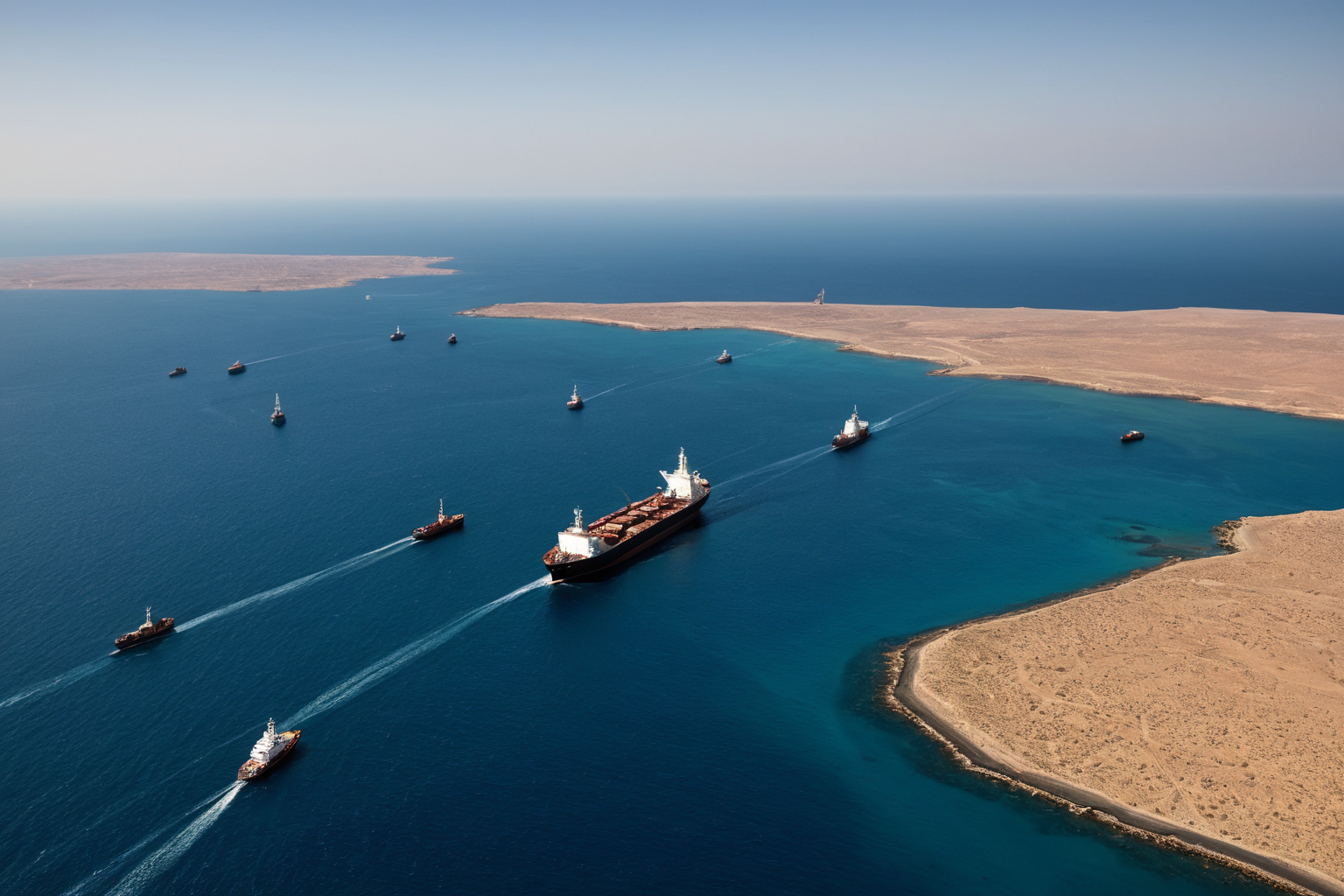
Hormuz Strait Blockade Situation
Due to restrictions on passage through the Hormuz Strait, only about three vessels are passing per weekend day on average. The strait has been paralyzed as negotiations between Iran and the US have stalled over tensions. Saudi Arabia and the United Arab Emirates (UAE) are accelerating efforts to establish alternative routes.
International oil prices have risen to $100-$120 per barrel, significantly impacting the global economy due to the near halt of Middle East maritime logistics. Historically, the Hormuz Strait has never been blocked, but this situation is showing signs of prolonged duration.
Hormuz Logistics Paralysis and Rising Freight Costs
Vessel traffic through the Hormuz Strait has dropped sharply to around five vessels per weekend day, causing freight rates to surge 17 times compared to年初. This has effectively halted Middle East maritime logistics, with countries seeking alternative routes for their shipping.
With the spread of conflict in the Middle East, global maritime transportation is becoming paralyzed, and approximately 30% of global oil shipments through Hormuz Strait have been blocked due to Iran's blockade strategy. Chinese tankers appear to be the first to be attacked.
Three vessels were struck near the Hormuz Strait, marking the first recorded incident of attacks since the outbreak of the Iran war. Specifically, Chinese tankers were confirmed to have been attacked on May 8 and 10 near the Hormuz Strait.
Preparations for Hormuz Strait Reopening
The US and Iran are preparing to reopen the Hormuz Strait after reaching a ceasefire MOU agreement on June 15, ending an 111-day blockade. On July 1, all 24 isolated vessels successfully exited.
South Korea is under alert for energy supply chain disruption, with urgent need to develop alternative logistics routes. Due to Iran's blockade strategy, about 30% of oil shipments have been blocked, and the attack on Chinese tankers reflects a new strategic shift.
Although historically the Hormuz Strait has never been blocked, this situation is causing significant economic impacts globally through rising oil prices and halted Middle East logistics. The US-Iran agreement is progressing toward reopening the strait, with South Korea needing to develop alternative routes to address energy supply chain concerns.
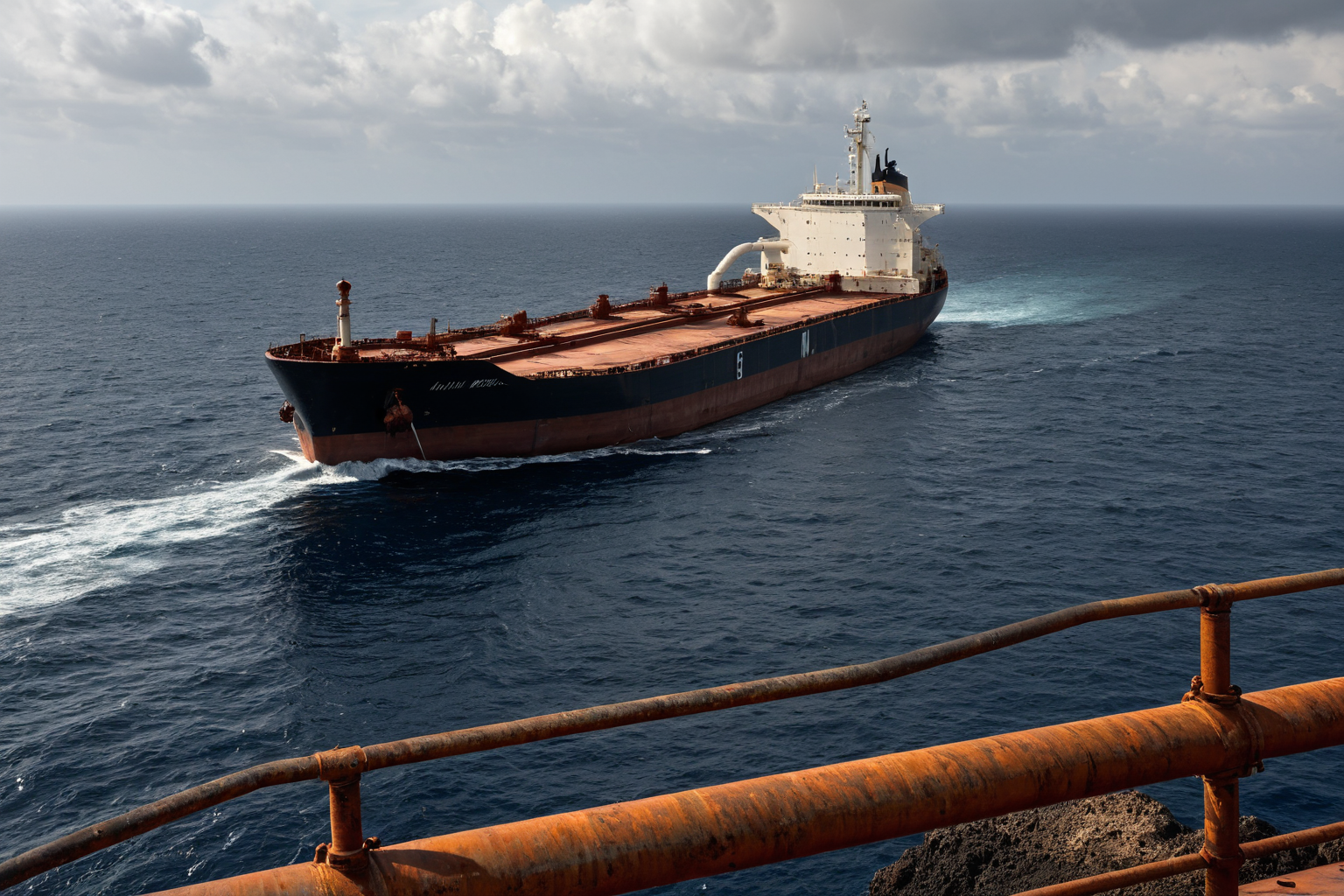
Hormuz Strait Passage Status
Vessel traffic through the Hormuz Strait has dropped to around five vessels per weekend day, causing freight rates to surge 17 times compared to年初. Iran's blockade strategy has blocked about 30% of oil shipments, and Chinese tankers appear to be the first to be attacked.
Restrictions on Hormuz passage began on March 5, 2026, effectively halting Middle East maritime logistics. The strait remains paralyzed due to stalled US-Iran negotiations, with Saudi Arabia and UAE accelerating efforts to build alternative routes.
On March 11, 2026, three vessels were struck in the Hormuz Strait, marking the first recorded attack on Chinese tankers following the outbreak of the Iran war. Attacks on Chinese tankers occurred near the Hormuz Strait on May 8 and 10, 2026.
Prolonged Blockade and Economic Impact
The blockade has pushed international oil prices above $100 per barrel, reaching up to $120 at times. This is attributed to supply shortages resulting from the blocked oil shipments.
The halt in Middle East maritime logistics is significantly impacting the global economy, with countries like South Korea sounding alarms about potential supply chain disruptions. Iran's blockade strategy has blocked approximately 30% of oil shipments, and the attack on Chinese tankers indicates a new strategic shift.
By April 6, 2026, it appeared that vessels from various countries were adopting 'each for themselves' strategies due to prolonged Hormuz Strait blockade. This reflects growing uncertainty in global trade.
US-Iran Agreement and Reopening
The US and Iran agreed on a ceasefire MOU on June 15, allowing the Hormuz Strait to reopen after an 111-day blockade that began on March 5. This reflects the duration of the stalled negotiations.
On July 1, all 24 isolated vessels successfully exited the Hormuz Strait. This marks a first step in reopening preparations and is expected to contribute to global trade recovery.
South Korea considers developing alternative routes urgent for addressing energy supply chain disruptions. With US-Iran tensions easing, the reopening of the strait is progressing, offering hope for stabilizing South Korea's supply chains.
Key Information to Verify
The possibility of blocking the Hormuz Strait has never been historically confirmed, but this situation shows signs of prolongation. Rising oil prices and halted Middle East logistics are significantly impacting the global economy, with Iran's tactics proving effective.
The attack on Chinese tankers marks the first recorded case following the outbreak of the Iran war. Attacks occurred near Hormuz Strait on May 8 and 10, 2026, indicating a new strategic shift.
With the US-Iran agreement progressing toward reopening the strait, South Korea urgently needs to develop alternative routes to address energy supply chain disruptions. As of August 17, 2026, the Hormuz Strait remains in a 'paralyzed' state, confirming Iran's tactical effectiveness.
Frequently Asked Questions
Why has the Hormuz Strait become paralyzed?
The Hormuz Strait passage restrictions occurred due to stalled US-Iran negotiations over tensions. Iran's blockade strategy led to three vessels being attacked, halting Middle East logistics.
When is the Hormuz Strait expected to reopen?
The US and Iran agreed on a ceasefire MOU on June 15, allowing the Hormuz Strait to reopen after an 111-day blockade. On July 1, all 24 isolated vessels successfully exited.
Why were Chinese tankers attacked?
Chinese tankers were the first to be attacked near the Hormuz Strait following the outbreak of the Iran war. Attacks occurred on May 8 and 10, 2026, with confirmed fire incidents and attacks.
Frequently Asked Questions
The paralysis at the Hormuz Strait resulted from US-Iran tensions, causing global oil price surges and halting Middle East logistics. Iran's blockade has blocked about 30% of oil shipments, while the attack on Chinese tankers marks a new strategic shift.
With the US-Iran agreement progressing toward reopening the strait, South Korea urgently needs to develop alternative routes for energy supply chain disruption response. Although historically the Hormuz Strait has never been blocked, this situation is causing significant economic impacts globally.
The spread of conflict in the Middle East has paralyzed global maritime transportation, with US-Iran tension easing serving as a key factor for global trade recovery. The reopening of the Hormuz Strait is expected to be an important catalyst for Middle East stability and global economic recovery.
You can view more articles on similar topics at once.
View Related ArticlesFAQ
Why has the Hormuz Strait become paralyzed?
The Hormuz Strait passage restrictions occurred due to stalled US-Iran negotiations over tensions. Iran's blockade strategy led to three vessels being attacked, halting Middle East logistics.
When is the Hormuz Strait expected to reopen?
The US and Iran agreed on a ceasefire MOU on June 15, allowing the Hormuz Strait to reopen after an 111-day blockade. On July 1, all 24 isolated vessels successfully exited.
Why were Chinese tankers attacked?
Chinese tankers were the first to be attacked near the Hormuz Strait following the outbreak of the Iran war. Attacks occurred on May 8 and 10, 2026, with confirmed fire incidents and attacks.
Korean Source
This article is an English localization of a Korean-language report from BlogScore. Original: 호르무즈 해협 마비 사태: 역사적 사건과 현재 상황 정리