
How the Strait of Hormuz Blockade is Reshaping Global Gas Markets
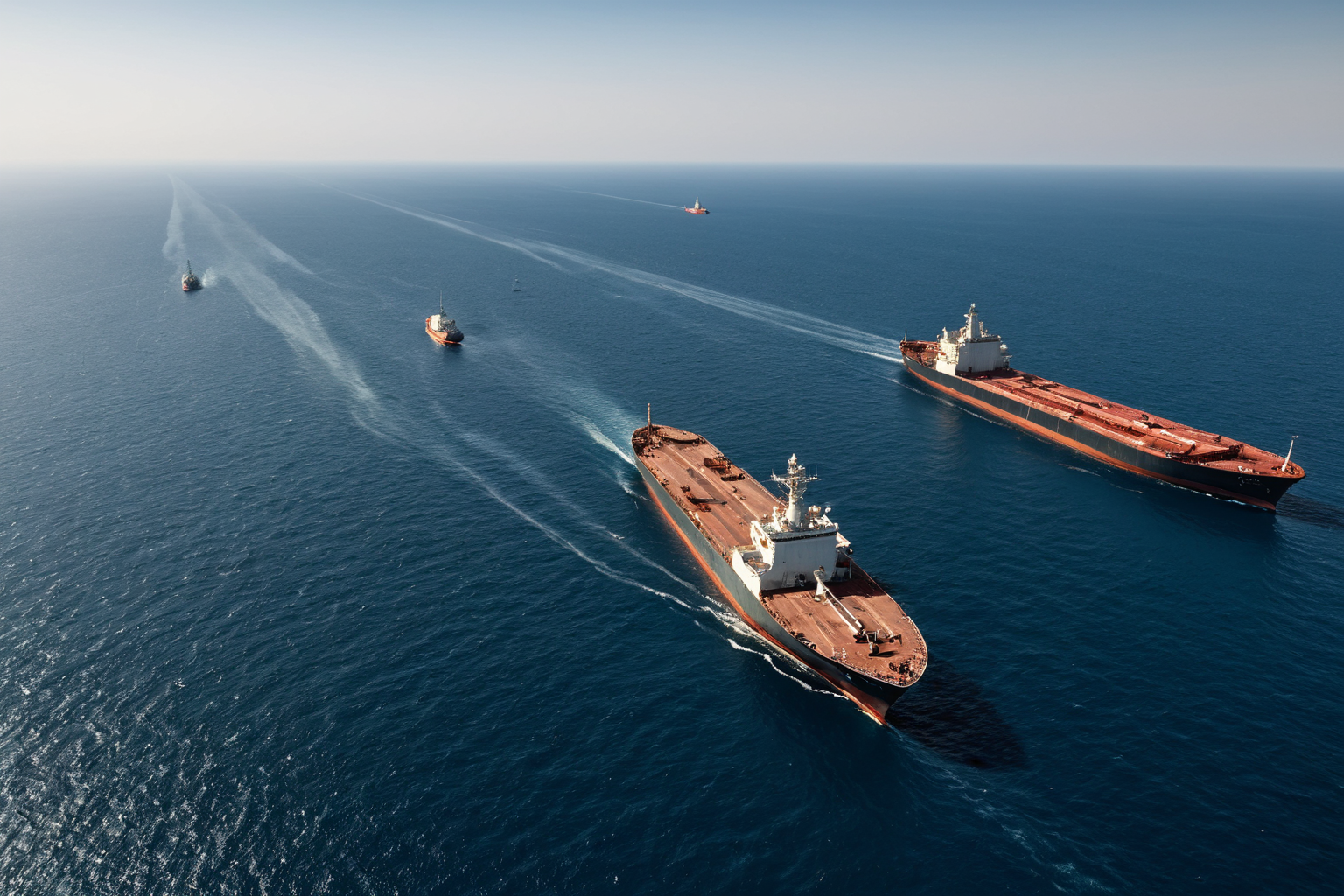
The Strait of Hormuz Blockade and Global Oil Price Fluctuations
The blockade of the Strait of Hormuz has caused rapid changes in international oil prices and gas markets. Following reports of Iran's selective reopening of the strait, Brent crude fell by 10%, while a demand decline and structural shifts in LNG markets have emerged due to Middle East disruptions. Asian nations are exploring alternative routes, with further market volatility expected depending on ongoing U.S.-Iran negotiations.
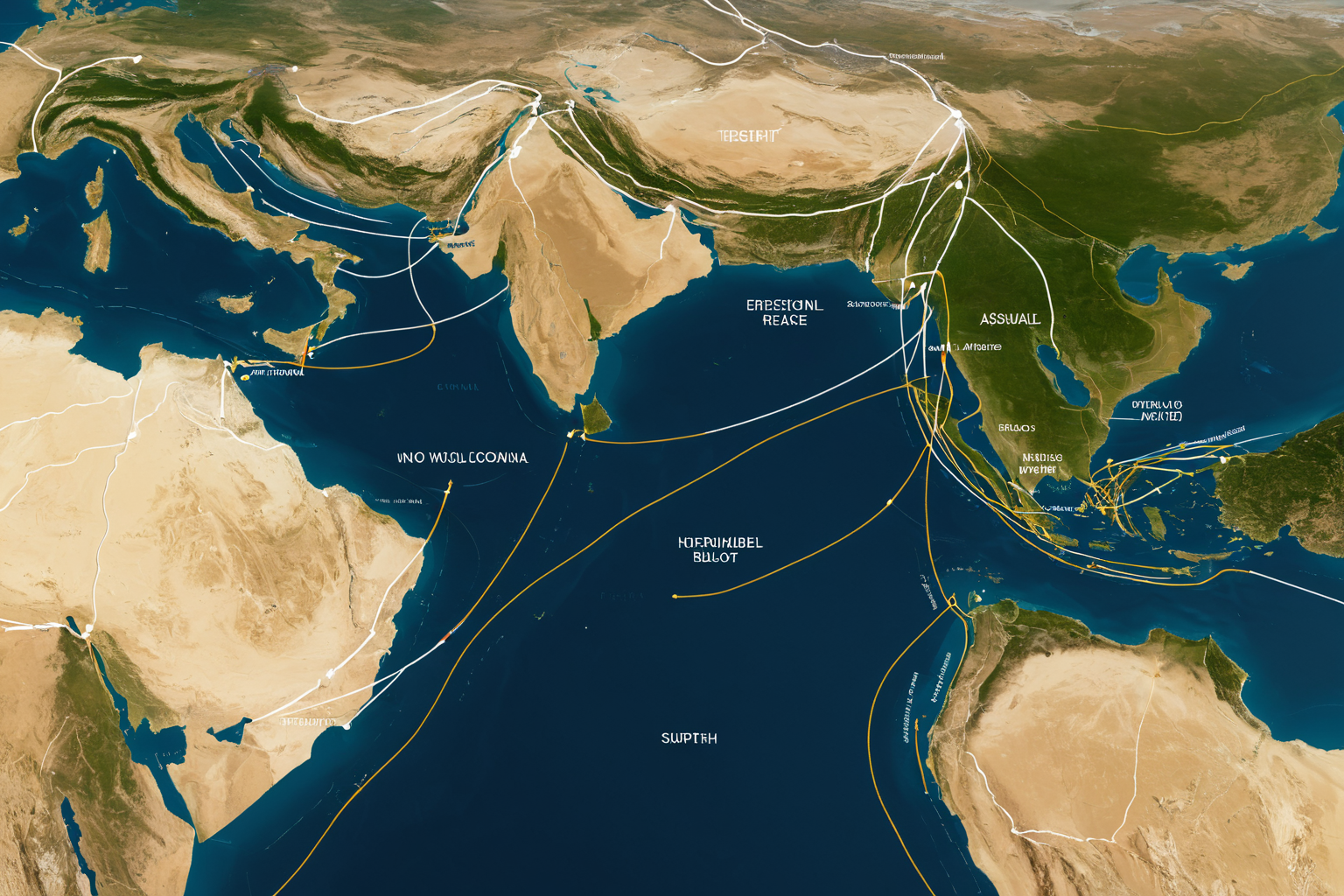
Specific Impacts of the Strait of Hormuz Blockade
The blockade has reduced daily vessel traffic through the strait to just three ships, significantly increasing shipping costs for cargo owners. While concerns about oil supply disruptions due to U.S.-Iran tensions were raised, the LNG market has remained relatively stable, with Shell projecting global demand reaching 700 million tons by 2050. The crisis in maritime transport caused by Middle East conflict is being assessed as a more profound existential threat compared to the Red Sea situation.
Shifts in Global Energy Markets Due to the Strait of Hormuz Blockade
The U.S. has recorded its highest-ever crude oil exports at 12.9 million barrels per day, indicating ongoing energy power restructuring. International energy companies like Shell are increasing trading profits, while rising fertilizer prices are affecting agricultural sectors. Although tensions have somewhat eased due to stalled U.S.-Iran negotiations, the situation remains fluid.
Structural shifts in LNG demand are emerging from Middle East disruptions, with Asian nations actively seeking alternative routes. South Korea, which sources 95% of its oil from the Middle East, faces heightened concerns over supply security, while the EU has seen fossil fuel import costs rise by over €27 billion.
Iran is advancing a regulation requiring passage permits with Oman even after potential war cessation, and experts predict disruptions will persist for months even if the strait reopens. The IEA director has warned of global economic recession without Strait of Hormuz opening, emphasizing growing importance of electric vehicles and renewable energy industries from an energy security perspective.
Timeline of the Strait of Hormuz Blockade
On March 2, 2026, the U.S.-Iran conflict led to a blockade of the Strait of Hormuz, halting maritime logistics. On March 8, following the U.S.-Iran war aftermath, concerns about oil supply disruption emerged. By March 20, daily vessel traffic had dropped to just three ships due to strait paralysis, significantly increasing shipping costs.
On April 6, Iran selectively reopened the Strait of Hormuz to demonstrate control; on April 15, South Korea's reliance on Middle Eastern oil (95% of its crude) was highlighted amid blockade concerns. On April 17, Brent crude prices fell by 10% following Iran's announcement of temporary strait reopening. On April 27, U.S. crude oil exports reached a record high of 12.9 million barrels per day.
On May 8, Shell recorded its highest trading profits in two years; on May 9, tensions eased somewhat due to stalled U.S.-Iran negotiations. On May 22, the IEA director warned of global economic recession without Strait of Hormuz opening.
Causes and Responses to the Strait of Hormuz Blockade
The blockade caused by U.S.-Iran tensions raised concerns about oil supply disruptions but has had relatively limited impact on the LNG market, which Shell projects will reach 700 million tons in demand by 2050. Middle East disruptions have prompted Asian nations to seek alternative routes, with South Korea's heavy reliance on Middle Eastern oil (95%) amplifying its concerns.
The EU has seen fossil fuel import costs increase by over €27 billion, while Iran is advancing passage permit regulations with Oman even after potential war cessation. Experts predict disruptions will continue for months even if the strait reopens. The IEA director's warning of global economic recession without Strait of Hormuz opening underscores growing importance of electric vehicles and renewable energy industries from an energy security perspective.
The maritime crisis caused by Middle East conflict is being assessed as a more profound existential threat compared to the Red Sea situation, with rising oil prices and supply chain disruptions increasing economic burdens. Energy security concerns are driving greater focus on electric vehicles and renewable energy sectors amid the Hormuz crisis.
Key Information to Monitor
The duration of the Strait of Hormuz blockade and specific reopening conditions will depend on U.S.-Iran negotiation outcomes. It remains unclear whether Iran's selective opening policy is being implemented as planned, and whether Asian nations can successfully establish alternative routes.
Brent crude price fluctuations are directly linked to Iran's Strait of Hormuz reopening announcements, with further volatility possible depending on U.S.-Iran negotiations. While Shell projects LNG demand reaching 700 million tons by 2050, structural changes in the Middle East may affect this long-term outlook.
Frequently Asked Questions
How have international oil prices changed due to the Strait of Hormuz blockade?
Brent crude prices dropped by 10% following Iran's announcement of temporary strait reopening.
What alternative routes are Asian nations exploring amid the Strait of Hormuz blockade?
Asian nations are seeking alternative routes due to the closure of the Strait of Hormuz.
How is the LNG market responding to the Hormuz disruption?
The LNG market has remained relatively stable, with Shell projecting global demand reaching 700 million tons by 2050.
Frequently Asked Questions
The Strait of Hormuz blockade is causing significant shifts in global energy markets, with impacts expected to continue depending on U.S.-Iran negotiations. Key areas of focus include structural changes in oil and gas demand, Asian nations' search for alternative routes, long-term LNG market outlooks, and increasing importance of electric vehicles and renewable energy industries from an energy security perspective.
U.S. crude oil export growth and Shell's rising trading profits reflect ongoing restructuring of global energy power dynamics. The EU's increased fossil fuel import costs and South Korea's heavy dependence on Middle Eastern oil highlight significant regional challenges. Global economic conditions are expected to be significantly influenced by whether the Strait of Hormuz opens, with international cooperation needed to overcome the recession risks highlighted by the IEA director's warning.
You can view similar articles on this topic all at once.
View Related ArticlesFAQ
How have international oil prices changed due to the Strait of Hormuz blockade?
Brent crude prices dropped by 10% following Iran's announcement of temporary strait reopening.
What alternative routes are Asian nations exploring amid the Strait of Hormuz blockade?
Asian nations are seeking alternative routes due to the closure of the Strait of Hormuz.
How is the LNG market responding to the Hormuz disruption?
The LNG market has remained relatively stable, with Shell projecting global demand reaching 700 million tons by 2050.
Korean Source
This article is an English localization of a Korean-language report from BlogScore. Original: 호르무즈 해양 통항 차단에 따른 가스 시장의 최근 변동