
Stock Trading Group Scam Victims: Reporting Process and Prevention Tips
Stock trading group scam victims often face challenges after requesting account freezes, as perpetrators disguise themselves to complicate responses. They also risk penalties for false reporting. While police have arrested scam gangs and recovered some funds, financial institutions' account freezing policies can leave genuine victims helpless. Recently, fake reports causing account freezes have increased, making it harder for real victims to access their funds.
Scam Scale and Methods
Stock trading group scams lure investors with promises of high returns (up to 500% monthly). Police confirmed losses totaling 23 billion won over six months, including cases using AI deepfake technology to create fake expert videos and voice phishing. Although court rulings have improved refund procedures for victims, some still face criminal charges for false reporting.
Scam methods have evolved beyond simple high-return promises into organized operations. For example, groups of 70+ individuals follow a standardized procedure to deceive investors by promising 'guaranteed 500% returns on specific stocks,' regardless of actual market movements. This design makes it easy for victims to fall prey.
Recently, AI deepfake technology has been used more frequently in scams to build trust. Fake expert videos and voices provide seemingly credible information, mimicking real professionals. This technology helps scammers quickly cause large-scale damage while making detection difficult for victims.
Incident Timeline and Response
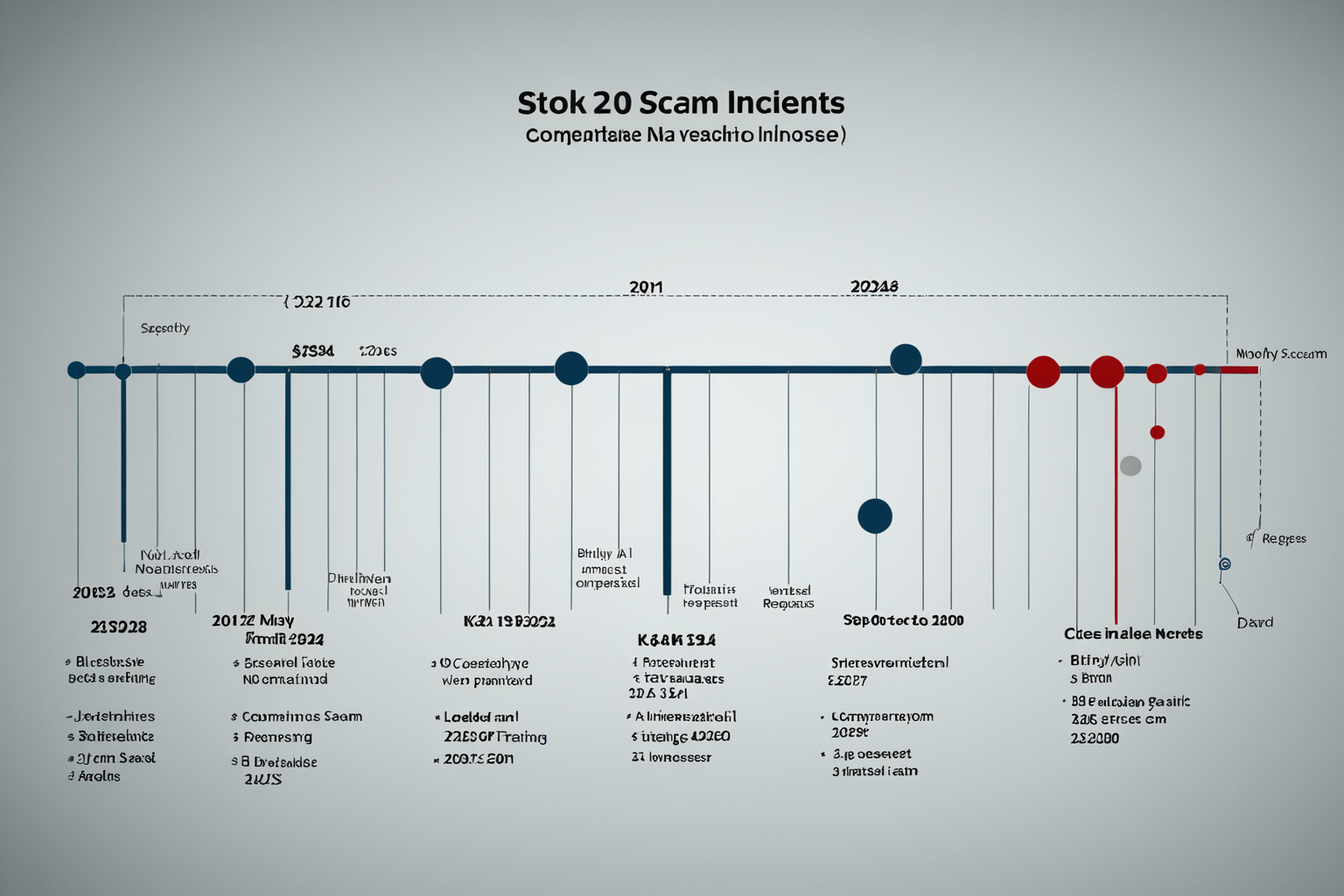
Stock trading group scams gained public attention in May 2024 when KBS News reported a six-month loss of 23 billion won. In September 2025, news outlets highlighted court rulings opening refund paths for victims but also reporting cases of false reporting leading to prosecution. By June 2026, police arrested the scam group and recovered 31 million won in damages.
A case in Busan's Saha District prevented a 200 million won scam after a bank employee reported suspicious transactions. Over 52,000 illegal trading group accounts were blocked via KakaoTalk, though challenges remain due to delayed legislation and international scale (over 70 billion won last year).
Internationally, these scams are spreading, with more groups operating overseas targeting Korean investors. This highlights the need for better international cooperation between financial regulations in Korea and global scam networks.
Causes and Prevention
The main causes of stock trading group scams include exaggerated return promises, voice phishing, and AI deepfake technology. Scam groups often operate with over 70 members following a standardized deception process. Some victims even paid a 10% withdrawal fee before deciding to quit.
KB Think offers 10 prevention tips categorized by scam types, including how to recognize fake expert videos and voices. Using financial fraud prevention services is also critical as the number of detected scam accounts increases, strengthening responses to these crimes.
A key preventive step is evaluating the credibility of investment information. Claims like 'guaranteed 500% returns' are typically exaggerated and should be viewed with suspicion. It's also important not to share personal or financial account details with trading group operators.
Reporting Process and Response
Victims can respond by filing complaints and reporting scams, but challenges arise after requesting account freezes as perpetrators disguise themselves. In December 2025, issues with freezing accounts after reports became public, even after regulatory improvements under revised capital market laws.
Financial institutions' account freezing policies sometimes leave genuine victims unable to access their funds. A case in May 2026 saw real victims left helpless due to fake reports causing freezes, linked to a 50-year-old fined for false reporting. Victims who don't follow proper procedures risk further issues.
When reporting, it's important to gather evidence confirming the scam, such as comparing investment advice from the group with actual stock movements. Contacting financial institutions directly to confirm account freeze procedures is also recommended.
Key Facts
Scam losses totaled 23 billion won over six months. Scam methods include high-return promises, voice phishing, and AI deepfake technology. Despite improved refund processes from court rulings, false reporting still leads to criminal charges.
New capital market laws have strengthened regulations on trading groups, but difficulties remain in freezing accounts after reports. Some victims paid a 10% withdrawal fee before deciding to quit. International expansion of these scams requires better cooperation between Korean financial institutions and global anti-scam efforts.
Frequently Asked Questions
Why is it difficult to freeze accounts after reporting stock trading group scams?
Perpetrators disguise themselves, making responses harder. Financial institution policies can also leave genuine victims unable to access funds due to fake reports causing freezes.
What are specific prevention methods for stock trading group scams?
KB Think provides 10 prevention tips categorized by scam types, and using financial fraud prevention services is crucial as more scam accounts are detected.
What conditions allow victims to receive refunds under court rulings?
Court rulings have opened refund paths for victims, but proper reporting procedures must be followed to avoid false reporting charges.
You can view similar articles on this topic in one place.
View Related ArticlesFAQ
Why is it difficult to freeze accounts after reporting stock trading group scams?
Perpetrators disguise themselves, making responses harder. Financial institution policies can also leave genuine victims unable to access funds due to fake reports causing freezes.
What are specific prevention methods for stock trading group scams?
KB Think provides 10 prevention tips categorized by scam types, and using financial fraud prevention services is crucial as more scam accounts are detected.
What conditions allow victims to receive refunds under court rulings?
Court rulings have opened refund paths for victims, but proper reporting procedures must be followed to avoid false reporting charges.
Korean Source
This article is an English localization of a Korean-language report from BlogScore. Original: 주식 리딩방 사기 피해 신고 절차와 예방 방법