
Step-by-Step Guide to Handling Workplace Negligence Legal Procedures
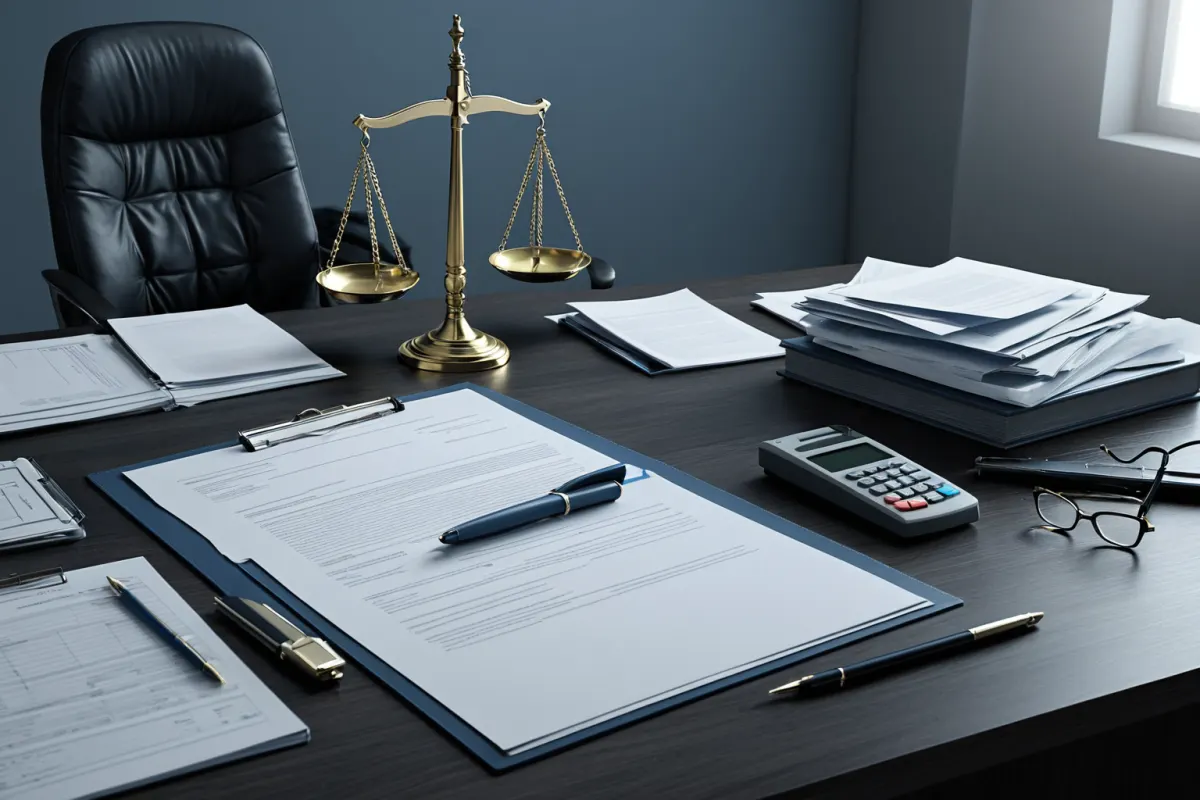
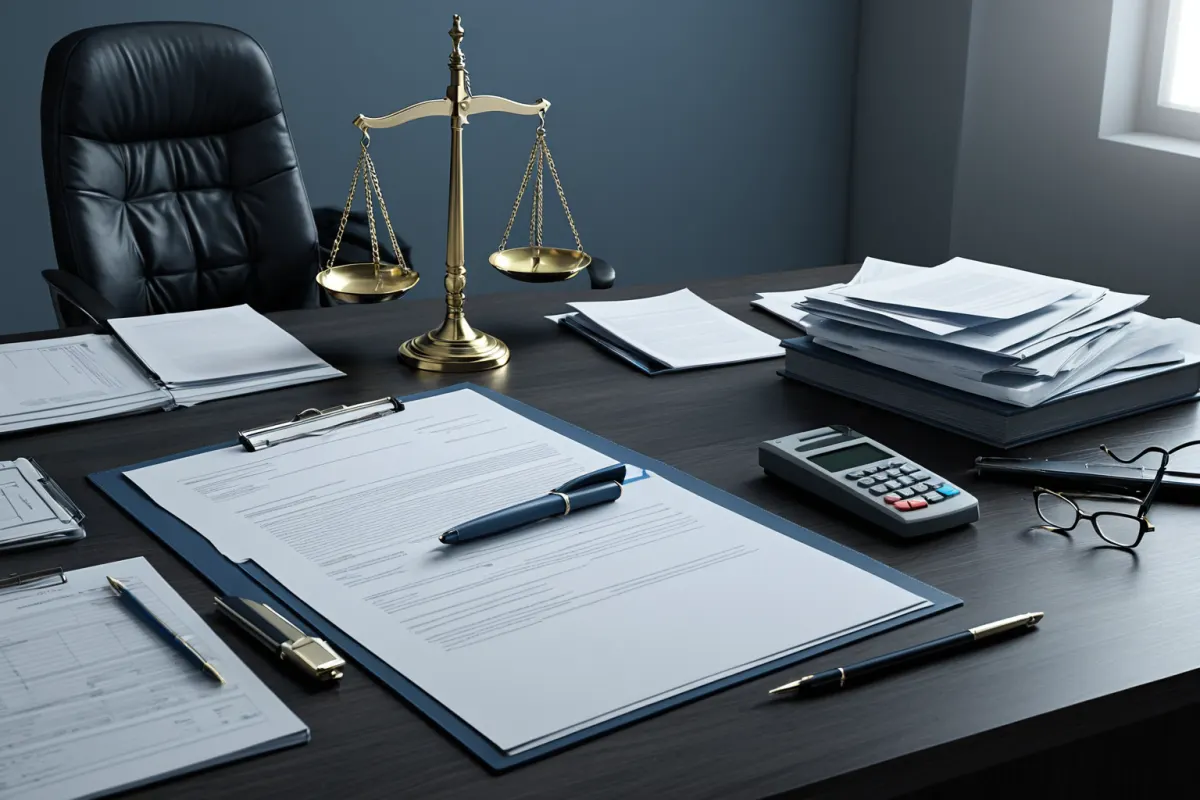
When faced with workplace negligence, the most important thing is to avoid emotional reactions and first organize the facts and evidence. How you speak initially—and what records you keep—can significantly impact subsequent procedures. This guide breaks down the legal process for handling workplace negligence into clear, actionable steps for those experiencing it for the first time.
First Steps in Responding to Workplace Negligence
Upon receiving initial contact, many people become flustered and start giving lengthy explanations—this can backfire. First, jot down key details: incident circumstances, time, location, involved parties, and what instructions were given at the time.
For example, if a mistake occurred during work, avoid saying "I did it." Instead, note the environment, instructions received, and procedures followed. Inconsistent statements later can undermine credibility, so keeping your initial records as accurate as possible is crucial.
You can find similar articles in one place.
View Related ArticlesKey Flow of Workplace Negligence Legal Procedures
The legal process for handling workplace negligence typically follows a sequence: fact verification, internal reporting, investigation response, legal review, and further statements or settlement considerations. While not all cases follow this exact path, the general flow is similar.
The first step is gathering relevant documents. Work logs, instructions via messages or emails, CCTV footage requests, pre-work checklists—any materials that depict the situation at the time will be helpful. Documentation speaks louder than words.
If internal or police investigations are possible, avoid impulsive answers on the spot. Instead, write down questions precisely to distinguish between facts and assumptions. This makes later responses much smoother.
Common Factors in Responsibility Assessment
Workplace negligence isn't simply about a bad outcome—it's assessed based on whether reasonable care was exercised, whether that duty was breached, and whether the breach directly caused the issue.
For instance, if safety equipment checks were skipped, whether manuals existed, whether supervisors gave instructions, or whether staffing levels were insufficient are all factors considered. Rather than focusing on "who is responsible," it's important to assess "what management systems failed." This perspective helps avoid unfairly placing blame solely on individuals.
Before accepting personal responsibility, also review your work assignment at the time. Whether you were merely executing tasks without decision-making authority or had final approval power can lead to very different interpretations.

Common Oversights in Initial Response
A frequent mistake is failing to preserve evidence. Messages may be deleted, CCTV footage overwritten, making recovery difficult later. It's best to request preservation immediately after the incident.
For example, if a delivery error or equipment malfunction occurred, take photos and note the file version and transmission time used at the time. Saying "I remember it vaguely" is less convincing than stating "At 10:30 AM, I sent this file via email to [name]." Precise details carry more weight.
Another important point: avoid mixing personal speculation with colleagues. Unverified stories can compromise your testimony consistency later. Stick to documented facts and hold off on unconfirmed statements.
When to Seek Legal Consultation
Determine early whether you can handle the situation alone or need professional help. If criminal liability is possible, damages are significant, or both internal and external investigations are underway, consulting a lawyer quickly is advisable.
Before meeting with a lawyer, prepare a one-page summary of the incident, a list of involved parties, and key documents. Instead of lengthy explanations, present information chronologically to help identify core issues faster.
For example: "On March 4th at 9 AM, I received inspection instructions; at 11 AM, the issue was discovered; at noon, it was reported." Organizing details this way makes discussing responsibility and response strategies easier. It also helps maintain an objective perspective on the incident.
Important Considerations in Settlements and Statements
Workplace negligence cases often lead to compensation discussions, so settlements are common. When negotiating a settlement, don't focus solely on the amount—also confirm what legal matters will be resolved post-settlement (civil/criminal).
Once a statement is made, it's hard to change. Avoid guessing at unclear points; instead say you'll verify and respond later. Unconfirmed assumptions can unnecessarily escalate disputes.
In real cases, people often think they caused the issue directly, but multiple factors—like equipment faults and missed handovers—are frequently involved. Conversely, even if you believe it wasn't your fault, management oversights might still lead to partial responsibility. A comprehensive view is essential.
Key Checkpoints for Initial Response
The following items should be confirmed immediately after an incident:
- Note time and location of the incident
- Preserve relevant messages, emails, and conversations
- Confirm work instructions and responsibilities
- Secure photos, videos, and records before/after the incident
- Document internal reporting timeline
These five points will be invaluable later when memory fades. Workplace negligence cases often hinge on early documentation—more evidence reduces unnecessary misunderstandings.
Common Misconceptions About Workplace Negligence Cases
The first misconception is "If I made a mistake, I'm automatically responsible." In reality, responsibility depends on work assignments, instruction systems, site conditions, and training status.
The second misconception is "Apologizing makes me look worse." It's not about avoiding apologies but being careful with statements that assign blame without verification. Showing empathy to victims and legal accountability are separate issues.
The third misconception is "I can hide documents before the investigation." Actually, deleting required documentation worsens the situation. The goal isn't concealment—it's organization.
FAQ
Q1. Should I immediately hire a lawyer if suspected of workplace negligence?
If the case is a simple internal review, start by organizing documents first. However, if criminal investigation is possible, damages are significant, or conflicting testimonies exist, consulting a lawyer quickly is safer.
Q2. Can I refuse to give testimony during an internal investigation?
It's better not to outright refuse but say you'll verify unconfirmed details before responding. Distinguishing facts from speculation is key.
Q3. What documents are most helpful?
Work instructions (messages, emails), work logs, task records, CCTV footage requests, and original notes taken at the time are most useful. Original evidence collected immediately after an incident carries more weight.
The legal process for workplace negligence can move quickly. Recent practices in investigations or court proceedings vary by case type, so staying updated with current information is recommended when necessary.
Continue exploring similar topics.
View Category ArticlesFAQ
Should I immediately hire a lawyer if suspected of workplace negligence?
If the case is a simple internal review, start by organizing documents first. However, if criminal investigation is possible, damages are significant, or conflicting testimonies exist, consulting a lawyer quickly is safer.
Can I refuse to give testimony during an internal investigation?
It's better not to outright refuse but say you'll verify unconfirmed details before responding. Distinguishing facts from speculation is key.
What documents are most helpful?
Work instructions (messages, emails), work logs, task records, CCTV footage requests, and original notes taken at the time are most useful. Original evidence collected immediately after an incident carries more weight.
Korean Source
This article is an English localization of a Korean-language report from BlogScore. Original: 업무상과실 대응 법적 절차 단계별 가이드