
Starting Out with Minhwa: Essential Materials for Beginners
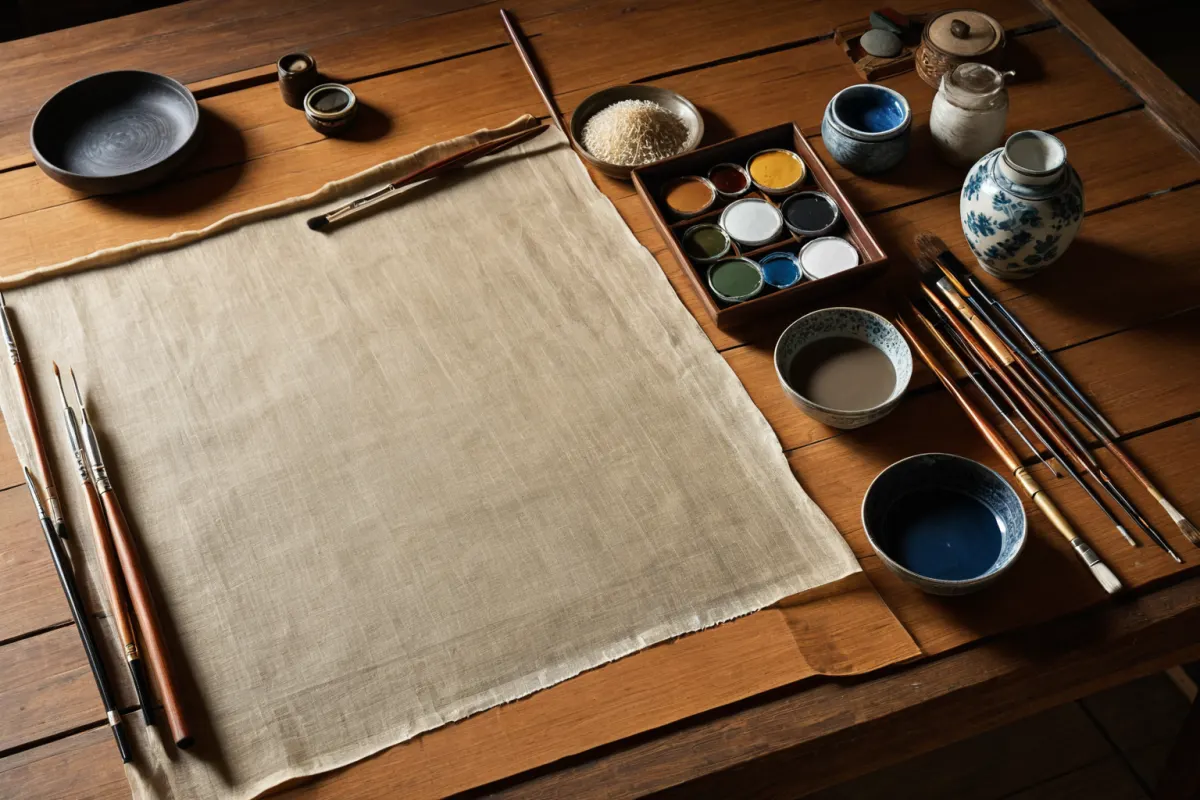
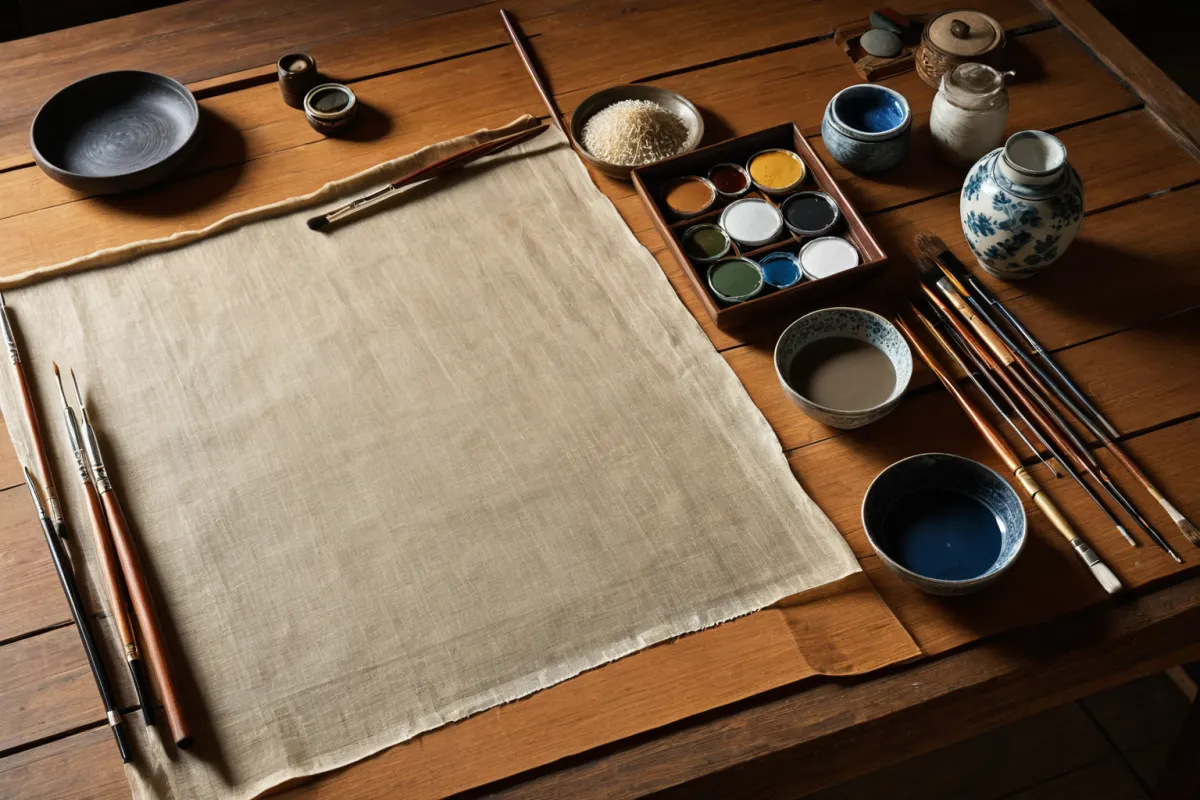
If you're starting a minhwa hobby, it's better to focus on the essential combination of brushes, paper, paints, and ink rather than buying a lot of materials upfront. For beginners, familiar tools matter more than flashy ones, as the choice of materials greatly affects your initial experience with minhwa.
Minhwa relies heavily on stable line drawing and clean color application, so having just the right beginner-level supplies is enough to get started. There's no need to buy expensive materials all at once; building up gradually while mastering basics is less overwhelming.
Basic Materials for Minhwa Beginners
The first thing to consider when starting minhwa is brushes. Having a few types—such as thin brushes for fine lines, medium brushes for filling areas, and broader brushes for larger sections—is sufficient for practice.
Paper should be neither too slippery nor overly absorbent; it needs to hold color well without bleeding. Beginners often use hanji (traditional Korean paper) or minhwa practice paper, as choosing the wrong type can make your work look messy if water spreads too much.
For paints, start with basic colors only. To achieve a traditional minhwa feel, some artists combine ink, powdered pigments, and glue-like materials, but beginners should focus on mixing colors to develop their sense of color harmony.
Explore more articles on similar topics in one place.
View Related ArticlesThe Importance of Brush Feel
In minhwa, a brush that responds well to your touch is key for clean lines. Brushes that are too stiff make it hard to control pressure, while overly soft ones cause shaky lines. Beginners should start with brushes that have medium flexibility.
For example, thin lines like flower petals or leaf veins work best with fine brushes, while broader areas like backgrounds require wider brushes. Using the same brush for everything can lead to fatigue quickly.
Brush care matters more than price: rinse them thoroughly after use before paint dries, and avoid pressing down on bristles to extend their life.
Different Papers and Their Impact
The choice of paper significantly affects color and line quality in minhwa. Practice paper is forgiving for mistakes, but for finished pieces, the paper's absorbency and texture become crucial.
For instance, overly smooth paper may cause paint to bead up, while rough paper can make delicate lines appear broken. For a relaxed start like Park Seo-jin’s minhwa hobby, begin with easier-to-handle paper to build confidence.
Some techniques involve applying a base coat first, which requires checking how well the paper holds water. Start small and test before moving to larger projects to minimize trial and error.
Fundamentals of Paint Mixing
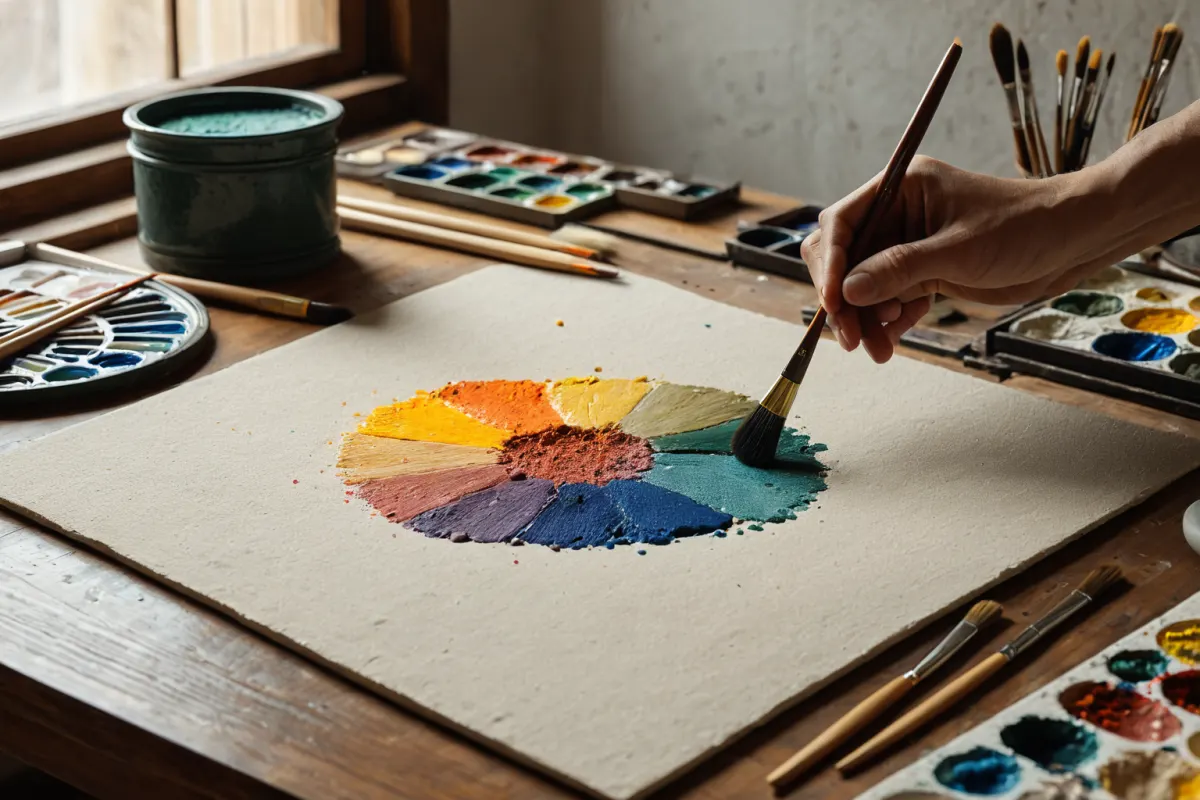
The charm of minhwa lies in its color use. Even shades of green can look vastly different depending on whether they're applied thickly all at once or layered thinly over time.
Beginners should focus on a few basic colors rather than buying many paints. Red, yellow, blue, white, and black (ink) form the foundation for most color combinations.
For example, when painting petals, it’s better to start with light layers and add deeper tones once dry, rather than applying thick color in one go. If colors look muddy, check how much water is on your brush before adjusting paint consistency.
Using Glue and Powdered Pigments: Key Tips
As you progress into more traditional minhwa techniques, you may encounter glue-like substances (like agar or powdered pigments), which differ from regular watercolor. These materials create the deep colors and textures unique to minhwa but can feel unfamiliar at first.
Glue affects adhesion and spread; too thick makes paint stiff, while too thin causes it to wash out. Powdered pigments add richness but need proper mixing for even coverage.
Start by testing small amounts on a palette and practice layering the same color multiple times. Understanding how materials react is more important than aiming for perfection right away.
Budget-Friendly Buying Order
For beginners, it’s better not to buy all supplies at once. Start with brushes, paper, basic paints, and a palette, then add items as you practice. This approach avoids unused materials piling up.
For example, in your first month, focus on one or two fine brushes, one medium brush, practice paper, and essential colors. Later, when focusing on specific subjects like flowers, birds, or book covers, you can add specialized tools.
This method ensures you only buy what you need. Minhwa skill doesn’t improve just from owning many tools—it’s about becoming comfortable with the ones you use regularly.
Sample Setup for Immediate Practice
Start small by drawing a single flower or a few leaves to test how materials interact. This allows you to assess brush lines, color intensity, and paper absorbency all at once.
For instance, outline with one brush, apply light color layers, then add deeper tones once dry. If the paper wrinkles, it means too much water was used; shaky lines suggest poor brush maintenance.
After practicing a few pieces, you’ll have a sense of which materials suit your style. For a hobby like Park Seo-jin’s minhwa practice, finding tools that feel right is more important than having a perfect set.
Maintaining Long-Term Interest
Organization matters more than buying new supplies. Rinse brushes properly after use, seal paint pots tightly, and store paper in dry places to make future sessions smoother.
Keep all materials in a small basket or organizer for easy access—this lowers the barrier to starting each time. Since hobbies thrive on consistency, keeping preparation simple helps maintain momentum.
Minhwa is a hobby that grows more appealing over time as you build skill slowly. Focus on learning material handling and color control rather than aiming for masterpieces from day one.
FAQ
Q1. Do I need expensive materials to start minhwa?
A. No, basic supplies like brushes, paper, and essential paints are enough. What matters most is finding tools that feel right in your hands.
Q2. Can I use regular watercolor supplies for minhwa?
A. Yes, for practice. But to experience traditional minhwa’s texture fully, gradually introduce specialized materials.
Q3. What should I buy first as a beginner?
A. Brushes and paper are the top priority—they most influence your work style so test them early.
Note: Material availability may vary by season or region; check current options before purchasing.
Keep exploring similar topics.
View Category ArticlesFAQ
Do I need expensive materials to start minhwa?
No, basic supplies like brushes, paper, and essential paints are enough. What matters most is finding tools that feel right in your hands.
Can I use regular watercolor supplies for minhwa?
Yes, for practice. But to experience traditional minhwa's texture fully, gradually introduce specialized materials.
What should I buy first as a beginner?
Brushes and paper are the top priority—they most influence your work style so test them early.
Korean Source
This article is an English localization of a Korean-language report from BlogScore. Original: 박서진 민화 취미 배우기 전 알아야 할 기본 재료