
SSG-LG Game in 37°C Heatwave: Fan Cardiac Arrest Incident and Response
Overview of the SSG-LG Game Heatwave Incident
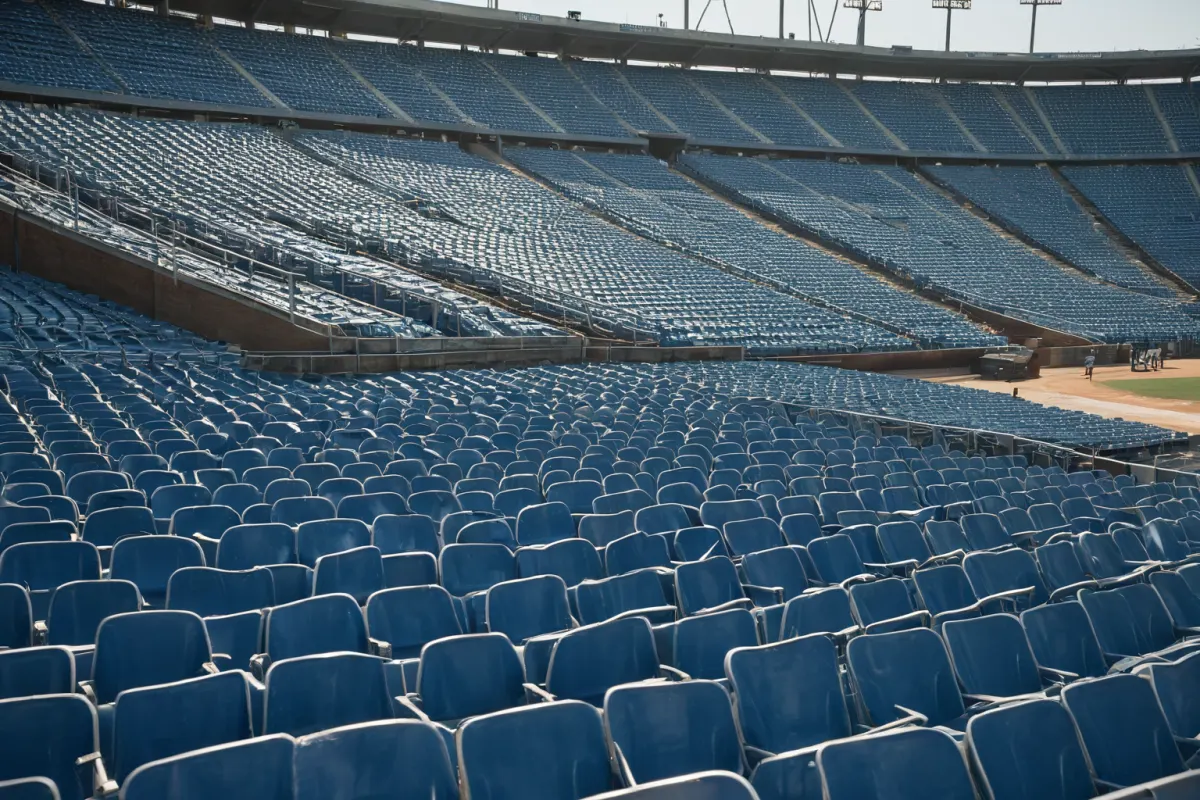
On August 4, 2026, during an SSG-LG baseball game in Incheon, a heat warning was issued but the game proceeded. Twenty-five fans experienced heat-related illnesses, with two suffering cardiac arrest and being transported to hospitals. Fortunately, both regained consciousness through CPR and were discharged after recovery. KBO has since revealed gaps in its heat response manual, canceling games for the first time in history five to six days prior.
Incident Details: Fans Suffering Heat Illness
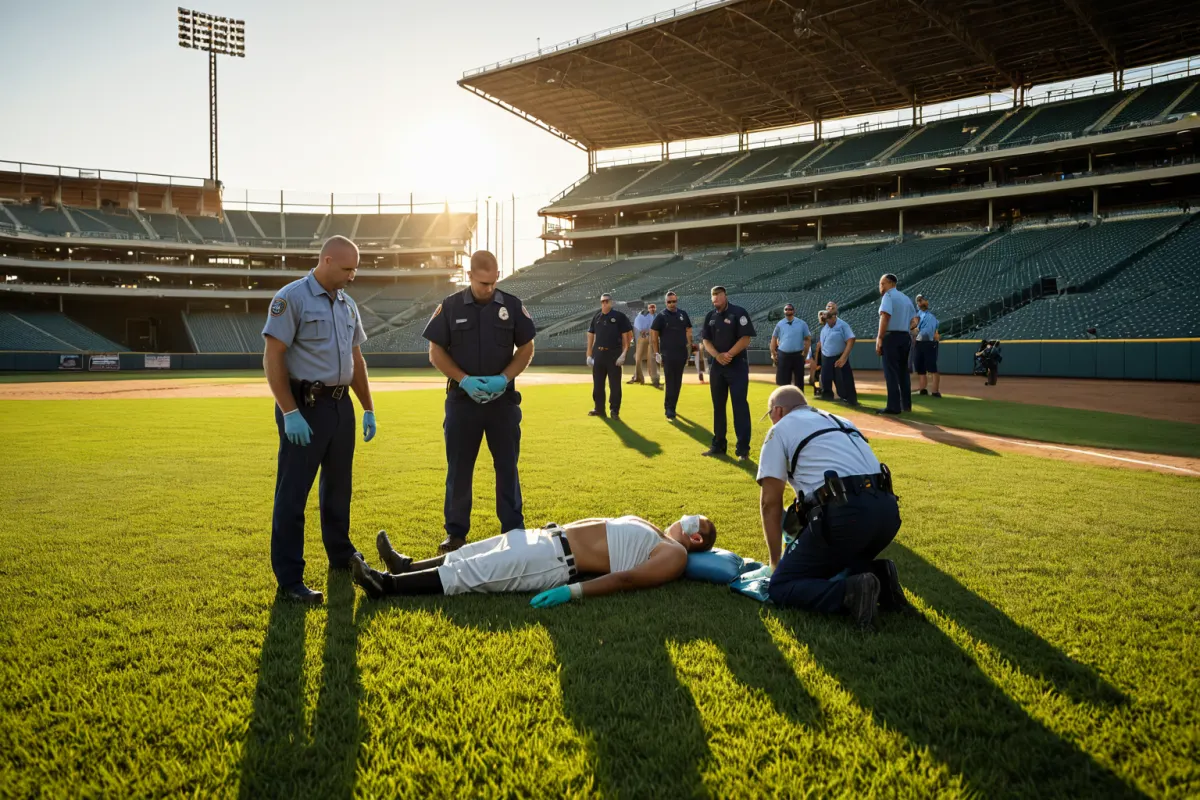
The SSG-LG game was played under a scorching 37°C heatwave with a heat warning already issued by the weather agency. Despite this, KBO decided to proceed with the match. Before and during the game, fans reported discomfort due to the extreme heat. Twenty-five fans were hospitalized for heat-related symptoms, including two who suffered cardiac arrest. Medical staff on-site immediately performed CPR, restoring consciousness in both individuals, who later recovered fully.
Incident Timeline and KBO Response
At around 1:30 PM on August 4, 2026, during the SSG-LG game at Incheon Stadium, fans continuously reported discomfort due to the heat. During the match, 25 fans were hospitalized for heat-related symptoms, with two requiring immediate CPR after cardiac arrest. Both individuals regained consciousness on-site and later left the hospital. As a result of this incident, KBO made the unprecedented decision to cancel games scheduled five to six days in advance.
Analysis of Gaps in Heat Response Manual
KBO's heat response manual set game cancellation only for severe heat warnings, which led to the current situation. Relying solely on weather agency forecasts, KBO proceeded with the game despite a heat warning being issued. This revealed insufficient safety measures for fans' well-being. The manual did not specify that games should be canceled when the perceived temperature reaches 37°C, increasing the risk of heat-related illnesses among spectators. Critics argue that the current manual is outdated, having been established in 2019 when extreme heat was less common. Additionally, insufficient cooling facilities and hydration systems at the stadium failed to prepare for such conditions.
New Heat Response Measures Announced
KBO announced a comprehensive heat response plan on August 5, 2026. All games were canceled until September 9th, with start times adjusted to after 7 PM to prioritize fan safety. The organization also pledged not to rely solely on weather agency forecasts but to implement real-time monitoring of perceived temperatures and fan health conditions. Additionally, KBO plans to establish temporary cooling zones within the stadium and provide free water and electrolyte drinks to fans, aiming to help maintain body temperature and prevent dehydration during heatwaves.
Key Information to Note
This incident has prompted KBO to improve its heat response manual. The reliance on weather agency forecasts for safety management was exposed as a flaw, leading to stronger measures for fan health and safety. Real-time monitoring of perceived temperature and fan well-being during games in hot conditions is deemed necessary. Fans should pay attention to KBO's new heat response protocol, which will significantly impact stadium safety management if extreme heat continues. Collaboration with the weather agency must be strengthened to develop more accurate heat response strategies beyond mere forecasts.
FAQ: SSG-LG Heatwave Incident
Q1. What caused cardiac arrest among fans during the SSG-LG game?
The game proceeded despite a heat warning, with perceived temperatures reaching 37°C. Fans suffered from heat-related illnesses, including two who experienced cardiac arrest. Medical staff performed CPR on-site, restoring consciousness in both individuals.
Q2. How did KBO respond to the incident?
KBO canceled games scheduled five to six days in advance and announced a comprehensive plan canceling all games until September 9th, with start times adjusted to after 7 PM. Additionally, they committed to moving beyond reliance on weather forecasts by implementing real-time monitoring of perceived temperature and fan health conditions.
Q3. What flaws were revealed in KBO's heat response manual?
KBO’s heat response manual only set game cancellation for severe heat warnings, revealing a gap that left fans unprotected at 37°C perceived temperatures. This prompted criticism that the manual needs updating to better address fan safety during extreme heat.
Conclusion: Revising Safety Standards for Games in Extreme Heat
The cardiac arrest incident involving fans at the SSG-LG game under a 37°C heatwave exposed critical gaps in KBO’s heat response manual. It highlights the need to prioritize fan safety through revised protocols that move beyond reliance on weather forecasts alone. Implementing real-time monitoring of perceived temperature and fan health conditions is essential. With this incident as a catalyst, KBO must improve its heat response manual to ensure safe games during extreme heat while fostering continued collaboration with relevant agencies for ongoing stadium safety management.
Find more articles on similar topics in one place.
View Related ArticlesFAQ
What caused cardiac arrest among fans during the SSG-LG game?
The game proceeded despite a heat warning, with perceived temperatures reaching 37°C. Fans suffered from heat-related illnesses, including two who experienced cardiac arrest. Medical staff performed CPR on-site, restoring consciousness in both individuals.
How did KBO respond to the incident?
KBO canceled games scheduled five to six days in advance and announced a comprehensive plan canceling all games until September 9th, with start times adjusted to after 7 PM. Additionally, they committed to moving beyond reliance on weather forecasts by implementing real-time monitoring of perceived temperature and fan health conditions.
What flaws were revealed in KBO's heat response manual?
KBO’s heat response manual only set game cancellation for severe heat warnings, revealing a gap that left fans unprotected at 37°C perceived temperatures. This prompted criticism that the manual needs updating to better address fan safety during extreme heat.
Korean Source
This article is an English localization of a Korean-language report from BlogScore. Original: 37도 폭염 속 SSG-LG전 관중 심정지, 원인과 대응