
Southeast Asia Scam Crime Alert! Reporting Methods and Prevention Tips
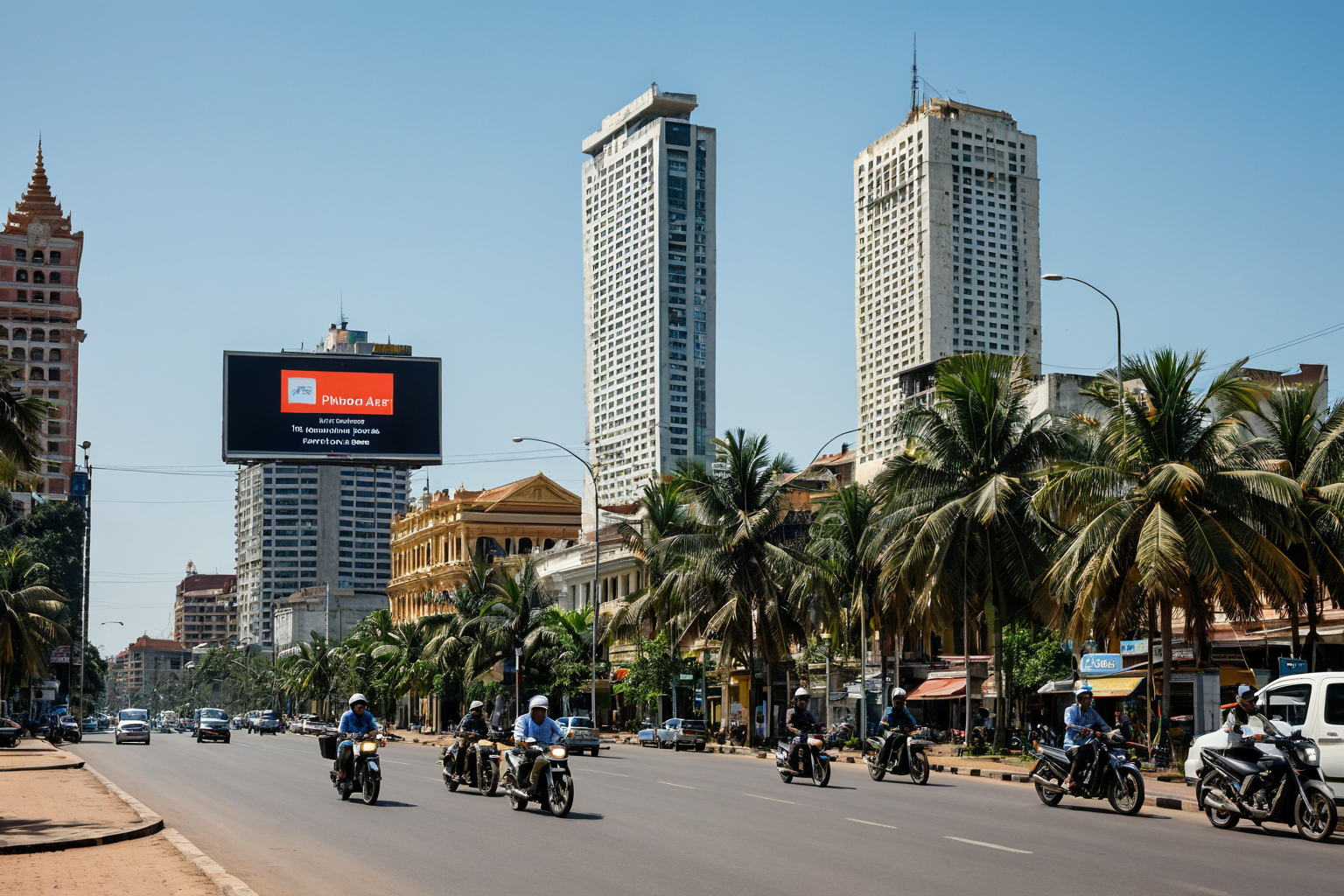
Southeast Asia Scam Crime Surge and Government Response
Scam crimes are spreading systematically across Southeast Asia, particularly in border areas between Cambodia and Thailand where forced labor and fraud are rampant. Recently, 73 members of scam organizations were repatriated from Southeast Asia, prompting the government to impose independent sanctions on groups like Prince Group and establish an international cooperation body to advance joint efforts.
Following a BBC report on Cambodian employment scams on October 15, 2025, the government announced its first independent sanctions against Prince Group and related entities on November 26, 2025. On November 23, 2025, South Korean police led the establishment of an international cooperation body, and by April 27, 2026, 73 members from Southeast Asian scam hubs had been repatriated, including long-term fugitives.
Global Scale of Scam Crimes
An estimated 300,000 people are involved in scam crimes across Southeast Asia, with approximately 90 trillion won lost annually to scams from 66 countries worldwide. In Myanmar and other regions, scam hubs continue operating despite crackdowns, and AI-driven deepfake scams are increasingly reported.
The United Nations urged countries to intensify scam crime enforcement on February 20, 2026, while Seoul Economic Daily reported on the reality of Southeast Asian 'scam hubs' on February 22, 2026. Asia Today noted the spread of AI deepfake scams on July 12, 2026, reporting that around 5,300 people were trapped in scam hubs in Myanmar.

Scam Organizations' Shift to New Bases and International Cooperation
Due to crackdowns in Cambodia, scam organizations have shifted their bases to Kazakhstan and Central Asia. On August 5, 2026, authorities arrested 19 members of a scam organization in Kazakhstan, and on August 6, 2026, reports confirmed that some scams had relocated from Southeast Asia to Central Asia. The Ministry of Foreign Affairs held an emergency video conference with diplomatic missions in Southeast Asia on May 16, 2026, to discuss online scam response strategies.
The government has also conducted tax investigations into Prince Group's domestic operations in Cambodia since November 3, 2025. Additionally, a 'Korea Task Force' was launched in Cambodia on November 11, 2025, to combat online fraud.
New Types of Scam Crimes and Responses
AI-driven deepfake scams are spreading across Southeast Asia, emerging as a new type of scam crime. According to Asia Today's report on July 12, 2026, incidents involving deepfake technology for fraud are increasing.
In border areas between Cambodia and Thailand, scam operations and digital human trafficking are widespread, with severe forced labor issues. Reports from July 17, 2026, confirmed real-time scam incidents occurring in the region.
Government Actions and International Cooperation
The government has implemented independent sanctions against groups like Prince Group and established an international cooperation body to advance joint efforts. Following the announcement of sanctions on November 26, 2025, 73 members from Southeast Asian scam hubs were repatriated by April 27, 2026, marking a significant achievement in addressing scam networks across Cambodia, Thailand, and Vietnam.
South Korea has deployed the 'Korea Task Force' in Cambodia to combat online fraud, while large-scale crackdowns on Myanmar-based scam hubs led by China are ongoing. However, reports from July 17, 2026, indicated that despite crackdown efforts, scam hubs in Myanmar remain active.
Causes and Current State of Scam Crimes
The primary reason for the prevalence of scam crimes in Southeast Asia is insufficient international cooperation and inadequate responses from local governments. Cambodia has been criticized as a 'scam haven' due to its delayed response to the issue, following a BBC report on October 15, 2025.
Chen Zhi, identified as an organizer behind scam hubs in Cambodia, was repatriated to China, and Prince Bank is undergoing liquidation procedures. These details were confirmed in reports from July 17, 2026.
User Safety Information
To combat scam crimes, the government has strengthened systems for reporting suspicious transactions through collaboration with financial institutions. Following the BBC report on October 15, 2025, authorities and police have intensified international cooperation to address the issue.
With the spread of AI deepfake scams, the risk of personal information leakage is increasing. Users are advised to avoid clicking links from unverified sources and to complete additional verification steps during financial transactions.
Key Information to Verify
As reported, scam crimes in Southeast Asia involve widespread fraud operations along the Cambodia-Thailand border, with South Korea deploying a 'Korea Task Force' in Cambodia to combat online scams. Despite reports that 5,300 people were trapped in Myanmar's scam hubs as of July 17, 2026, the exact scale of victims and detailed crackdown results require further investigation. Similarly, the repatriation of 19 members from Kazakhstan on August 5, 2026, is seen as a success of international cooperation, but additional information about their activities in other regions remains needed.
Frequently Asked Questions
How large is the scale of scam crimes in Southeast Asia?
An estimated 300,000 people are involved in scam crimes across Southeast Asia, with approximately 90 trillion won lost annually from 66 countries worldwide.
What actions is the government taking?
The government has imposed independent sanctions on groups like Prince Group and established an international cooperation body. It has also deployed a 'Korea Task Force' in Cambodia to combat online fraud.
How can AI deepfake scams be prevented?
To prevent AI deepfake scams, avoid clicking links from unverified sources and always complete additional verification steps during financial transactions. The government and financial institutions are strengthening systems for reporting suspicious transactions through collaboration.
Frequently Asked Questions
While international cooperation and government sanctions are gradually reducing scam crimes in Southeast Asia, new threats like AI deepfake scams and the relocation of criminal bases mean risks persist. Users should protect personal information and complete additional verification steps during financial transactions to prevent scam crime victimization.
You can view similar articles on this topic in one place.
View Related ArticlesFAQ
How large is the scale of scam crimes in Southeast Asia?
An estimated 300,000 people are involved in scam crimes across Southeast Asia, with approximately 90 trillion won lost annually from 66 countries worldwide.
What actions is the government taking?
The government has imposed independent sanctions on groups like Prince Group and established an international cooperation body. It has also deployed a 'Korea Task Force' in Cambodia to combat online fraud.
How can AI deepfake scams be prevented?
To prevent AI deepfake scams, avoid clicking links from unverified sources and always complete additional verification steps during financial transactions. The government and financial institutions are strengthening systems for reporting suspicious transactions through collaboration.
Korean Source
This article is an English localization of a Korean-language report from BlogScore. Original: 동남아 스캠 범죄 주의보! 신고 방법과 대처법