
South Korea's Response to North Korea's Nuclear Submarine Criticism and Public Opinion


Government Response: Defensive Nature of the Nuclear Submarine Plan
The government has described its nuclear submarine program as a defensive measure in response to North Korea's advanced nuclear development. On August 13, 2026, the government formally rebutted North Korea's criticism, stating it is a strategic response aimed at resolving the North Korean nuclear issue. The nuclear submarine project is emphasized as part of a defensive strategy against North Korea's nuclear threats, not merely military expansion.
The government has labeled North Korea's criticism as triggering a 'nuclear domino effect,' warning of heightened regional instability and potential retaliatory attacks. Specifically, on August 12, 2026, North Korea warned that South Korea's nuclear submarine plan could lead to increased instability in the region, suggesting further complications on the Korean Peninsula. In response, the government has vowed a firm stance and plans to pursue negotiations within the framework of the Five-Power Talks and Six-Party Talks.
Public Opinion: Peaceful Coexistence Dominates
According to public opinion surveys, 63% support peaceful coexistence over unification. This reflects a public sentiment that prioritizes improving relations and cooperation rather than military responses to North Korea's issues. A survey conducted on April 8, 2026, showed strong support for peaceful coexistence.
While some citizens have chosen strengthening nuclear capabilities over dialogue due to ongoing concerns about North Korea's advanced nuclear development, criticism of the government and ruling party has grown. There is increasing demand for a pragmatic approach to North Korea that transcends ideological barriers. U.S. experts have recommended expanding contact with North Koreans and enhancing U.S.-South Korea cooperation to contribute to resolving the nuclear issue.
North Korea's Reaction: Warning of Nuclear Domino Effect
North Korea has characterized South Korea's possession of a nuclear submarine as triggering a 'nuclear domino effect,' warning of heightened regional instability. On August 12, 2026, North Korea officially stated this position, suggesting the situation on the Korean Peninsula could become more complex. This statement reflects rising tensions in the international community regarding the North Korean nuclear issue.
North Korea has also criticized South Korea and U.S. cooperation on nuclear matters, claiming that 'nuclear armament is the ultimate goal.' This indicates strong opposition to the U.S.-South Korea alliance, with North Korea particularly criticizing Japan and aligning with China. In this context, international concern about potential North Korean nuclear tests has increased.
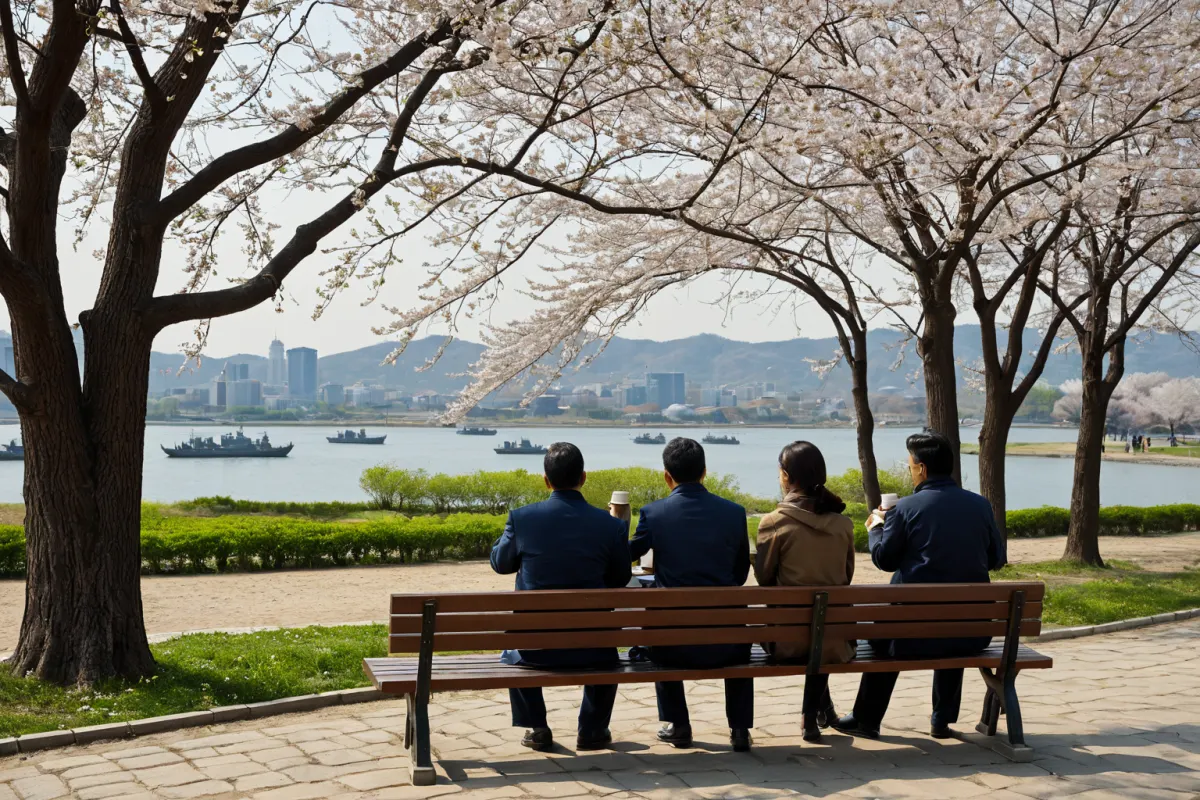
Government Strategy: Extended Deterrence and Firm Response
The U.S.-South Korea nuclear chief representative proposed extended deterrence as the best alternative, warning of unprecedented responses to nuclear tests. This position was stated during the February 5, 2023, development of U.S. policy on the Korean Peninsula, emphasizing the importance of international cooperation in resolving the North Korean nuclear issue. The United States plans to combine economic sanctions and military response if North Korea conducts a nuclear test.
With anticipated changes in the Korean Peninsula situation in 2026, North Korea's nuclear strategy has drawn attention. Notably, Ahn Cheol-soo, a lawmaker, argued for the necessity of a 'nuclear armament project to overwhelm North Korea,' presenting a strong military strategy to counter North Korea's nuclear threats. However, the government remains cautious about such proposals and continues to prioritize peaceful solutions.
Public Opinion and Policy Direction
63% of citizens support peaceful coexistence over unification, indicating a gradual shift in public perception regarding North Korea issues. In particular, Cho Yong-sul has labeled North Korea as an 'enemy' and criticized the government and ruling party for evasion. This reflects growing criticism that current policies are insufficient.
U.S. experts have recommended expanding contact with North Koreans and strengthening U.S.-South Korea cooperation to help resolve the nuclear issue. This suggests a broader international movement toward changing approaches to North Korea, particularly following Cho Yong-sul's remarks on June 23, 2026, which intensified criticism of the government and ruling party. There is increasing demand for pragmatic policies that transcend ideological barriers.
International Cooperation for Resolving Nuclear Issues
The international community remains vigilant about potential North Korean nuclear tests, with South Korea and the U.S. signaling a firm stance. The U.S.-South Korea nuclear chief representative proposed extended deterrence as the best alternative, emphasizing the importance of international cooperation. This collaboration is expected to contribute to finding responses to North Korea's advanced nuclear development.
As changes in the Korean Peninsula situation are anticipated for 2026, North Korea's nuclear strategy has drawn attention. International cooperation is seen as essential in addressing North Korea's advanced nuclear development. While Ahn Cheol-soo advocated for a 'nuclear armament project to overwhelm North Korea,' the government continues to prioritize peaceful solutions.
Response and Safety Information: Roles of Citizens and Government
The government has explained its nuclear submarine plan as a defensive measure against North Korea's advanced nuclear development, stressing it is a strategic response rather than mere military expansion. It also announced plans to pursue negotiations within the framework of the Five-Power Talks and Six-Party Talks, aiming to resolve the North Korean issue peacefully.
While 63% of citizens support peaceful coexistence over unification, some have chosen strengthening nuclear capabilities due to ongoing concerns about North Korea's advanced nuclear development. However, criticism of the government and ruling party has grown, with increasing calls for a pragmatic approach that transcends ideological barriers.
Information to Verify: 2026 Korean Peninsula Situation Changes
With anticipated changes in the Korean Peninsula situation in 2026, North Korea's nuclear strategy has drawn attention. This highlights the necessity of international cooperation in addressing North Korea's advanced nuclear development. The U.S.-South Korea nuclear chief representative proposed extended deterrence as the best alternative and warned of unprecedented responses to nuclear tests.
Public opinion surveys show 63% support peaceful coexistence over unification, reflecting a gradual shift in public perception regarding North Korea issues. Additionally, Ahn Cheol-soo has argued for the necessity of a 'nuclear armament project to overwhelm North Korea,' but the government remains committed to prioritizing peaceful solutions.
Frequently Asked Questions
What is the government doing about North Korea's nuclear issues?
The government describes its nuclear submarine plan as a defensive measure against North Korean threats and has stated it will pursue negotiations within the framework of the Five-Power Talks and Six-Party Talks.
What is public opinion like?
63% of citizens support peaceful coexistence over unification, indicating a preference for improving relations and cooperation rather than military responses to North Korea's issues.
How has North Korea reacted?
North Korea has labeled South Korea's nuclear submarine possession as triggering a 'nuclear domino effect,' warning of increased regional instability and potential retaliatory attacks. It has also criticized U.S.-South Korea nuclear cooperation, claiming that 'nuclear armament is the ultimate goal.'
Frequently Asked Questions
North Korea's nuclear issues cannot be resolved through simple military responses alone. The government defends its nuclear submarine plan as a defensive measure against North Korean threats and seeks international cooperation and peaceful solutions. Public opinion shows 63% favoring peaceful coexistence over unification, indicating a shift in how the public views North Korea. International cooperation and pragmatic approaches are expected to remain critical moving forward.
You can view similar articles on this topic all at once.
View Related ArticlesFAQ
What is the government doing about North Korea's nuclear issues?
The government describes its nuclear submarine plan as a defensive measure against North Korean threats and has stated it will pursue negotiations within the framework of the Five-Power Talks and Six-Party Talks.
What is public opinion like?
63% of citizens support peaceful coexistence over unification, indicating a preference for improving relations and cooperation rather than military responses to North Korea's issues.
How has North Korea reacted?
North Korea has labeled South Korea's nuclear submarine possession as triggering a 'nuclear domino effect,' warning of increased regional instability and potential retaliatory attacks. It has also criticized U.S.-South Korea nuclear cooperation, claiming that 'nuclear armament is the ultimate goal.'
Korean Source
This article is an English localization of a Korean-language report from BlogScore. Original: 북한 핵잠 비난에 대한 정부 대응 방안과 국민 반응