
South Korea's Southern Region Crisis Alert: Key Safety Guidelines and Precautions
Key Points Summary
Crisis Alert Upgrade Background and Current Situation
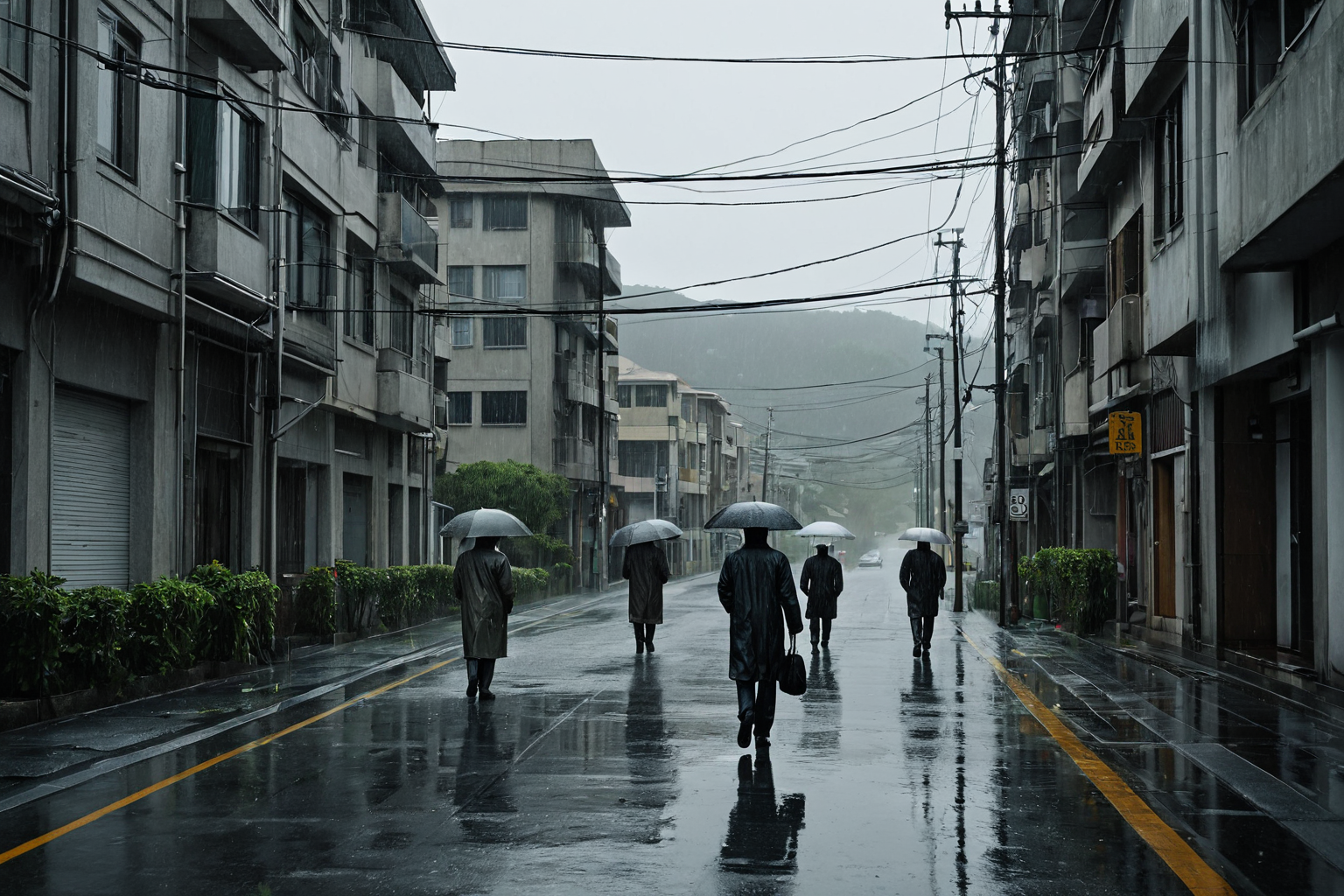
A 'Caution' level crisis alert for landslides and heavy rain has been issued for southern regions of South Korea. This was announced by the Meteorological Administration and Ministry of Interior and Safety on August 16, 2026, as a precautionary measure considering the anticipated strong rains and hail. Particularly, most areas in the south are forecasted to experience up to 300mm of heavy rain alongside heatwaves, creating compounded weather risks.
According to the Meteorological Administration, this alert upgrade follows a 200% increase in rainfall over the past seven days compared to historical averages. In particular, Gyeongnam and Busan regions have experienced continuous hourly downpours exceeding 50mm, with reduced soil absorption capacity due to rising temperatures exacerbating flood risks.
The Ministry of Interior and Safety has released a 'Crisis Alert Level Action Guide' to help residents prepare more effectively. This guide details necessary actions for each alert level: 'Attention', 'Caution', 'Warning', and 'Severe'.
Damage Status and Response Efforts
To date, 135 incidents of road flooding have been reported. Most occurred in residential areas and on roads, with rescue operations underway in high-rainfall regions. In Miryang City, Gyeongnam Province, over 20 residents evacuated their homes, while 15 vehicles became stranded due to road flooding in Busan's Buk-gu district.
The Central Disaster and Safety Headquarters (CDSH) has been activated to coordinate preemptive measures against heavy rainfall. The CDSH works closely with the Meteorological Administration, Fire and Disaster Management Agency, and local governments to monitor real-time disaster situations, including issuing evacuation orders for landslide-prone areas. The Ministry of Interior and Safety shares daily safety updates to help residents stay informed about risks.
Additionally, the Southern Forest Administration is removing hazardous materials within forests and reinforcing boundary lines to prevent landslides. This follows analysis showing that 60% of recent landslides in southern regions were caused by rain.
Compounded Impact of Heatwaves and Heavy Rain
Most southern regions are expected to face temperatures exceeding 38°C, with a 'Severe' level heatwave crisis alert already in place. The simultaneous occurrence of extreme heat and heavy rain has heightened the need for health management and safety precautions. Heatstroke risks from high temperatures combined with flood dangers can lead to more severe consequences.
In Pohang and Gyeongsan, a 'First Major Heatwave Alert' was issued, implementing a '3-Step Survival Action Plan.' This includes: 1) Daily awareness, 2) Increased indoor activity, and 3) Evacuation and medical assistance requests. Following the alert, heatstroke cases in these areas decreased by 40% compared to previous years.
The Meteorological Administration has identified this compound weather pattern as a direct impact of climate change, warning that similar situations may recur frequently, necessitating ongoing public preparedness.
Recommended Actions and Precautions
Residents should follow these essential safety guidelines during crisis alerts. First, avoid unnecessary外出 when heavy rain is expected; refrain from driving through flooded road sections. In particular, vehicles should not enter areas where water depth exceeds 15cm.
Second, in combination with heatwaves, rest indoors and maintain adequate hydration. Elderly individuals and children are at higher risk of heatstroke and should drink water every two hours. Outdoor activities should be limited to before 9 AM or after 4 PM.
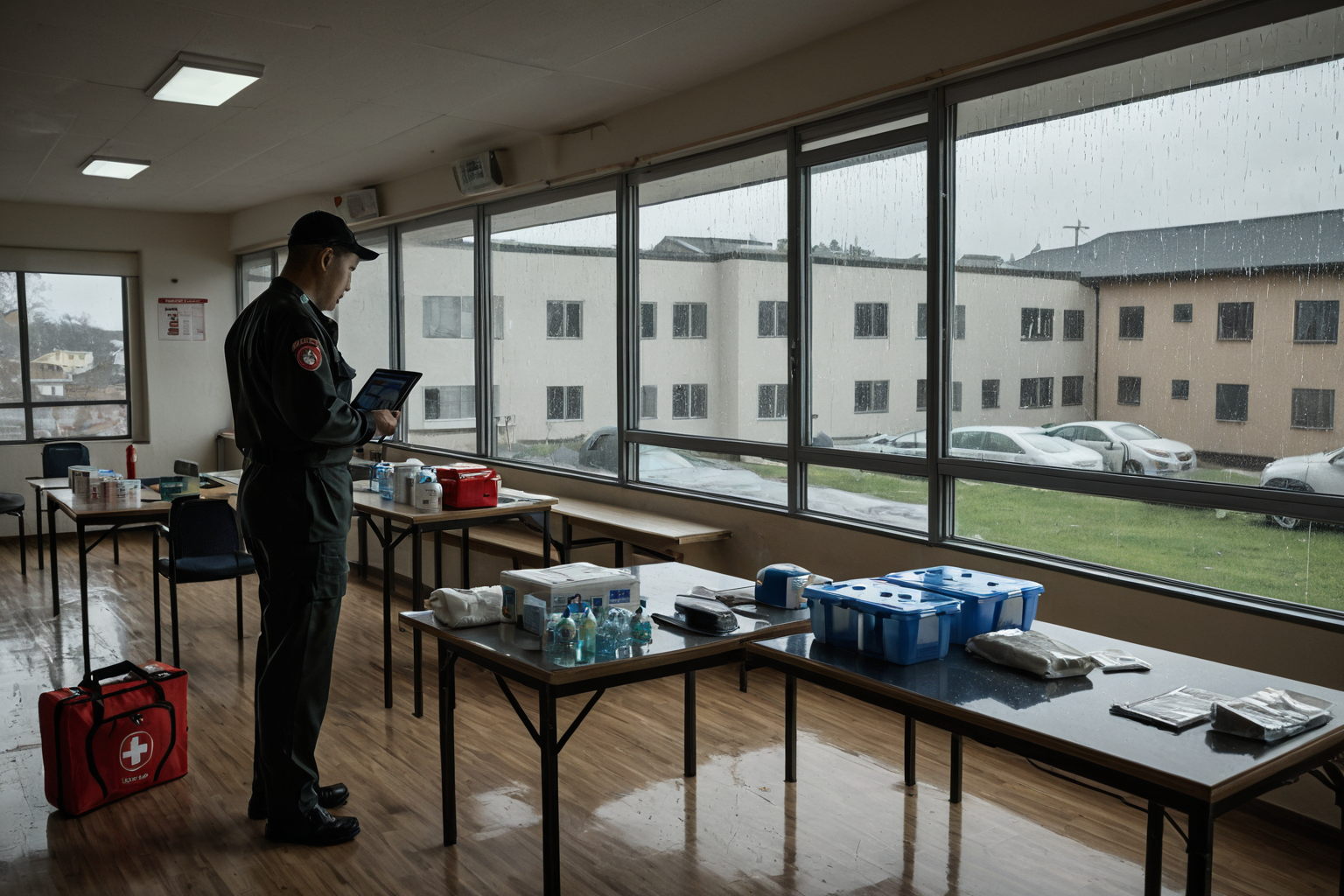
Third, residents in landslide-prone areas should immediately move to evacuation centers and contact local authorities for safety confirmation. Those within landslide warning zones can access real-time alerts through the government's 'Landslide Evacuation Guide App.'
Upcoming Schedule and Forecasts
The Meteorological Administration forecasts up to 300mm of heavy rain in southern regions from July 17 to 28, 2026. Particularly on the weekend of July 24-25, strong rain and hail are expected, increasing risks of road flooding and landslides. Heatwaves are also forecasted to continue until July 28, requiring ongoing vigilance.
From July 17-20, most southern regions will experience hourly rainfall between 30-50mm, with additional flood risks along coastal areas in eastern Gyeongnam and Busan due to rising sea levels. The Fire and Disaster Management Agency has advised residents near coastlines to avoid outdoor activities.
From July 21-24, heatwaves will intensify, prompting extended operating hours for public swimming pools and cooling centers. Local governments are also opening additional 'Heatwave Safety Centers' to provide rest areas for residents during extreme heat periods.
What You Should Check
Residents should monitor real-time information through official channels provided by the government and Meteorological Administration, particularly the Ministry of Interior and Safety's daily safety updates and the Meteorological Administration's special alerts. It is essential to check your local crisis alert level and follow corresponding safety protocols.
The government offers a 'Disaster Safety Information App' that provides personalized alerts based on user location, including specialized notifications for elderly individuals and people with disabilities. Residents are encouraged to install this app for enhanced preparedness.
The Meteorological Administration sends daily 'Weather Information Newsletters' at 8 AM and 4 PM, offering a convenient way to stay updated on weather conditions. Visualized information is also provided to help residents easily understand region-specific alerts.
FAQ
Q: What does it mean when the southern region's crisis alert has been upgraded to 'Caution' level?
A: The 'Caution' level indicates strong rain and hail are expected, with elevated risks of road flooding and landslides. Residents should avoid unnecessary outings and prepare for potential evacuations.
Q: How should I respond when heatwaves and heavy rain occur simultaneously?
A: Rest indoors and maintain adequate hydration to prevent heatstroke while avoiding flooded road sections and minimizing outdoor activities. Residents in landslide-prone areas should immediately move to evacuation centers.
Q: Why was South Korea's first major heatwave alert issued in Pohang and Gyeongsan?
A: The prolonged heatwave increased heatstroke risks, prompting the implementation of a '3-Step Survival Action Plan.' This specific response plan aims to minimize health impacts from extreme heat.
You can explore more articles on similar topics in one place.
View Related ArticlesFAQ
What does it mean when the southern region's crisis alert has been upgraded to 'Caution' level?
The 'Caution' level indicates strong rain and hail are expected, with elevated risks of road flooding and landslides. Residents should avoid unnecessary outings and prepare for potential evacuations.
How should I respond when heatwaves and heavy rain occur simultaneously?
Rest indoors and maintain adequate hydration to prevent heatstroke while avoiding flooded road sections and minimizing outdoor activities. Residents in landslide-prone areas should immediately move to evacuation centers.
Why was South Korea's first major heatwave alert issued in Pohang and Gyeongsan?
The prolonged heatwave increased heatstroke risks, prompting the implementation of a '3-Step Survival Action Plan.' This specific response plan aims to minimize health impacts from extreme heat.
Korean Source
This article is an English localization of a Korean-language report from BlogScore. Original: 남부지방 위기경보 발령 시 주의사항과 안전 수칙