
South Korea's Response to Reduced US-South Korea Joint Military Exercises
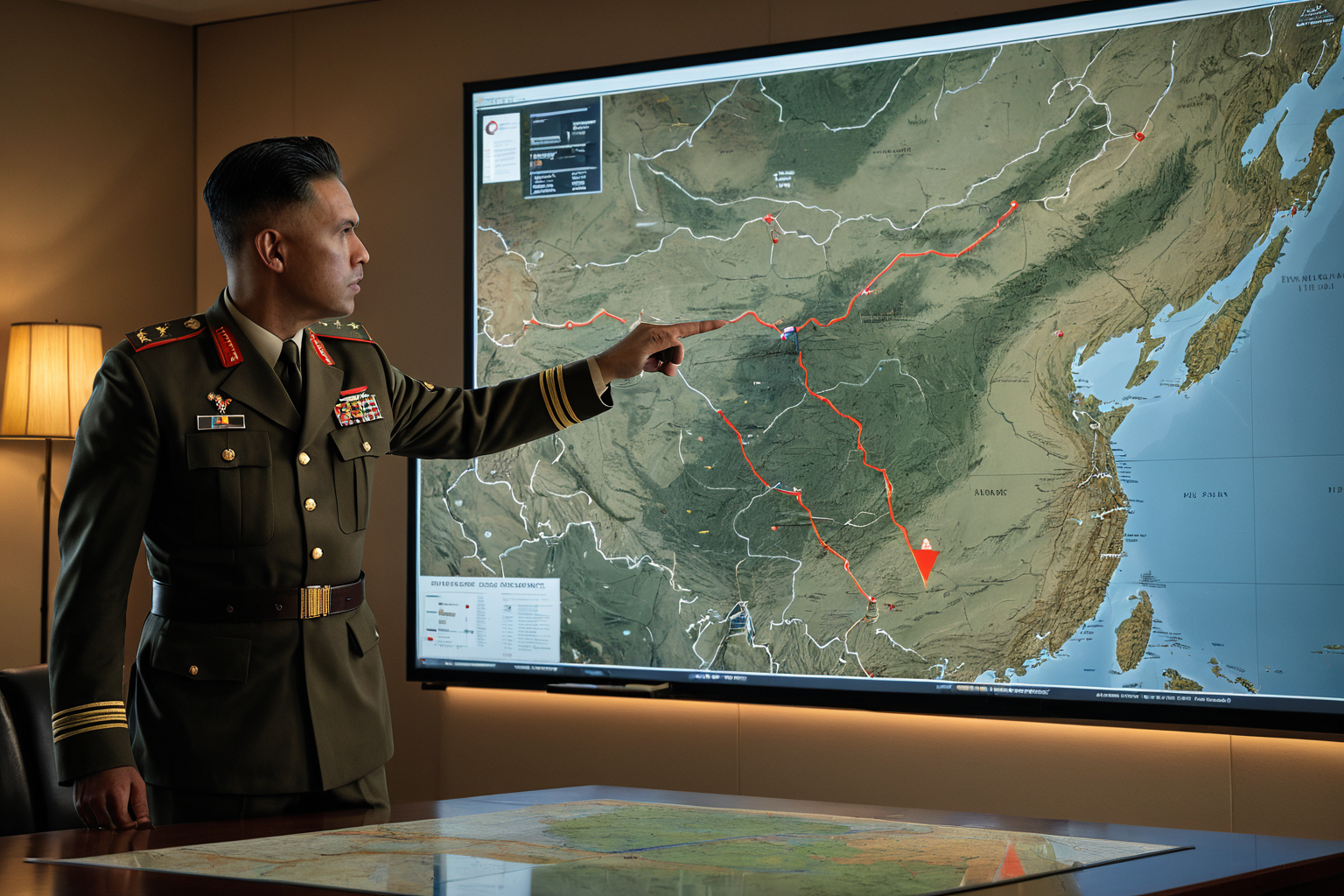
Trump Administration's Reduction of US-South Korea Joint Exercises and North Korea's Response
President Trump recently directed a reduction in the scale of US-South Korean joint military exercises, prompting North Korea to warn it would 'exercise its right of self-defense through clear actions.' This resembles an 8-year-old security situation. With the Trump administration's decision, managing the US-South Korea alliance has become urgent, and the South Korean government is exploring countermeasures such as reviewing potential contributions in the Hormuz region.
Disputes Over Reduced Joint Exercises Between Political Parties
In response to President Trump's directive to reduce joint exercises, political disputes have intensified within South Korea. The opposition has labeled this decision an 'security disaster' and is mounting criticism, while some view the reduction of US-South Korean exercises as a small price for denuclearization negotiations with North Korea. Yoo Jae-young faced criticism on social media for discussing security issues.
Additional Pressure from the Trump Administration and Erosion of Alliance Trust
The Trump administration has presented an additional $1 billion bill demanding Iran's participation in nuclear non-proliferation efforts while intensifying pressure to halt joint exercises. US senators have expressed concerns about eroding alliance trust, noting that the Trump administration's strategy toward Iran is creating a security vacuum in the Pacific region, coinciding with reduced US-South Korean exercises. This has led to heightened concerns about North Korea-China-Russia triangular cooperation and calls for the withdrawal of US forces from South Korea.
NDAA House Passage Strengthens Measures Against Reduction of US Forces in South Korea
The passage of the NDAA (National Defense Authorization Act) in the House has strengthened measures to counter reductions in US troops stationed in South Korea. This is expected to play an important role in managing the geopolitical crisis within the US-South Korea alliance. Joint exercises with Japan are likely to continue, which could provide some stability to the alliance relationship.
Historical Context and Current Situation of Reduced Joint Exercises
President Trump's directive to reduce joint military exercises mirrors a similar situation in 2018 when the Trump administration reduced US-South Korean joint exercises. At that time, North Korea also warned it would respond with 'clear actions,' showing similarities to the current situation. Considering that security cooperation between South Korea and the US has strengthened since 2018, this reduction decision could significantly impact the alliance relationship.
The Trump administration's strategy toward Iran and concerns about a security vacuum in the Pacific region are coinciding with reduced joint exercises, shaking alliance trust. US senators have criticized the Trump administration for decisions that undermine alliance trust and sent letters urging the withdrawal of the halt on joint exercises.
The South Korean government has begun reviewing potential military contributions in the Hormuz region, which can be interpreted as an effort to strengthen international security cooperation. Joint exercises with Japan are likely to continue, offering some stability to the alliance relationship.
Trump Administration's Additional Bill and Iran Strategy
The Trump administration has submitted a $1 billion additional bill demanding Iran's participation in nuclear non-proliferation talks. This appears to be part of a strategy to fill the security vacuum in the Pacific region. However, concerns have been raised that advancing this Iran strategy while pressuring for an end to joint exercises could further weaken the alliance relationship.
North Korea warned it would 'respond with new strength against evolving threats,' repeating statements made in 2018. This attitude by North Korea could further destabilize security conditions on the Korean Peninsula. Political disputes over reduced US-South Korean joint exercises and North Korea's nuclear weapons have intensified in defense committees, potentially escalating into political conflicts. However, the likelihood of continuing Japan-US-South Korea exercises remains high, offering some stability to the alliance relationship.
Geopolitical Crisis and Countermeasures for the US-South Korea Alliance
The Trump administration's decision to reduce joint military exercises has plunged the US-South Korea alliance into a geopolitical crisis. Strengthening of North Korea-China-Russia triangular cooperation and calls for withdrawing US forces from South Korea have emerged, which could bring significant changes to the security structure in Northeast Asia.
With the House passage of NDAA strengthening measures against reductions in US troops stationed in South Korea, this is expected to play an important role in managing the geopolitical crisis within the alliance. Additionally, the South Korean government has begun reviewing potential military contributions in the Hormuz region as part of efforts to strengthen international security cooperation.
Joint Japan-US-South Korea exercises are likely to continue, offering some stability to the alliance relationship. However, the reduction in joint exercises still poses a security threat that requires urgent countermeasures.
Trump Administration's Iran Strategy and Pacific Security Vacuum
The Trump administration's strategy toward Iran is creating a security vacuum in the Pacific region, coinciding with reduced US-South Korean joint exercises and shaking alliance trust. US senators have expressed concerns about the Trump administration and sent letters urging the withdrawal of the halt on joint exercises.
North Korea's Response and Security Threats
North Korea warned it would 'exercise its right of self-defense through clear actions,' repeating statements made 8 years ago. North Korea's attitude could further destabilize security conditions on the Korean Peninsula. The Trump administration's decision increases the likelihood that North Korea will take additional military action.
Possibility of Maintaining Japan-US-South Korea Exercises
Japan-US-South Korea exercises are likely to continue, offering some stability to the alliance relationship. This could help restore international confidence in the US-South Korea alliance. However, managing security threats resulting from reduced joint exercises remains urgent.
Countermeasures and Future Outlook
The South Korean government has begun reviewing potential military contributions in the Hormuz region as part of efforts to strengthen international security cooperation. Additionally, with the House passage of NDAA strengthening measures against reductions in US troops stationed in South Korea, this could contribute to enhancing the sustainability of the alliance relationship.
Information to Verify
The Trump administration's decision to reduce joint military exercises mirrors a similar situation from 8 years ago. However, it is actually similar to the 2018 decision by the Trump administration to reduce US-South Korean joint exercises, though the current situation has become more complex.
North Korea's warning repeats 'respond with new strength against evolving threats,' which was also stated in 2018. However, this time the Trump administration made the decision directly, which is a difference from previous instances.
The likelihood of maintaining Japan-US-South Korea exercises remains high, offering some stability to the alliance relationship. However, managing security threats resulting from reduced joint exercises still requires urgent countermeasures.
Frequently Asked Questions
Why did the Trump administration direct a reduction in US-South Korean joint military exercises?
The Trump administration directed a reduction to demand Iran's participation in nuclear non-proliferation talks and submitted an additional $1 billion bill. It also aimed to fill a security vacuum in the Pacific region with this decision.
How has North Korea responded?
North Korea warned it would 'exercise its right of self-defense through clear actions,' repeating statements from 2018. This attitude by North Korea could further destabilize security conditions on the Korean Peninsula.
Will Japan-US-South Korea exercises continue?
Japan-US-South Korea exercises are likely to continue, offering some stability to the alliance relationship and helping to restore international confidence in the US-South Korea alliance.
Frequently Asked Questions
The Trump administration's decision to reduce joint military exercises has shaken alliance trust, while North Korea's warnings have increased security threats. However, with the House passage of NDAA strengthening measures against reductions in US forces stationed in South Korea and a high likelihood of maintaining Japan-US-South Korea exercises, the alliance relationship may find some stability. The South Korean government has begun reviewing potential military contributions in the Hormuz region as part of efforts to strengthen international security cooperation.
You can view similar articles on this topic all at once.
View Related ArticlesFAQ
Why did the Trump administration direct a reduction in US-South Korean joint military exercises?
The Trump administration directed a reduction to demand Iran's participation in nuclear non-proliferation talks and submitted an additional $1 billion bill, aiming to fill a security vacuum in the Pacific region.
How has North Korea responded?
North Korea warned it would 'exercise its right of self-defense through clear actions,' repeating statements from 2018. This attitude could further destabilize security conditions on the Korean Peninsula.
Will Japan-US-South Korea exercises continue?
Japan-US-South Korea exercises are likely to continue, offering some stability to the alliance relationship and helping to restore international confidence in the US-South Korea alliance.
Korean Source
This article is an English localization of a Korean-language report from BlogScore. Original: 한미연합훈련 축소로 인해 한국의 대응 방안은?