
South Korea's National Budget Deficit Hits 100 Trillion Won: What It Means for Citizens


National Budget Deficit and Rising Government Debt
South Korea’s national budget deficit has reached a historic high for two consecutive years, exceeding 100 trillion won. By September 2025, the deficit surpassed 100 trillion won before decreasing to 84 trillion won in the first half of 2026—the lowest level in three years. Last year (2025), the deficit stood at 104 trillion won, pushing government debt past the historic high of 1,300 trillion won. This growing fiscal burden may directly impact citizens through economic pressures.
Deficit-to-GDP Ratio Improvement and Inflation Impact
The national budget deficit has exceeded 100 trillion won, with government debt surpassing 1,300 trillion won. Last year (2025), government debt reached 1,304 trillion won—a 129 trillion won increase over one year due to two supplementary budgets—while the deficit rose from 86 trillion won to over 100 trillion won. However, the deficit-to-GDP ratio improved to around 3%. Despite a 28 trillion won rise in tax revenue, the deficit persisted due to increased supplementary budget spending.
IMF Warning and Credit Rating Risk
Korea’s total public debt stood at 6,200 trillion won as of Q1 this year—about 2.5 times GDP—and has risen to a debt-to-GDP ratio of 47%, prompting an IMF warning about potential credit rating downgrades. Research indicates that for every 1% increase in government debt, inflation may rise by 0.15%, potentially causing long-term high inflation. With the U.S. fiscal deficit deepening and Trump administration tariff policies failing to address trade deficits, concerns over economic stability and global influence are growing.
Shift in Investment Focus with New Future-Response Fund
Following two consecutive years of 100 trillion won-level budget deficits, the government launched a '100 Trillion Won + α Future Response Fund' to stop short-term spending and focus on investments in AI, talent development, and regional projects. However, some election pledges lack concrete details, making it difficult to assess their effectiveness.
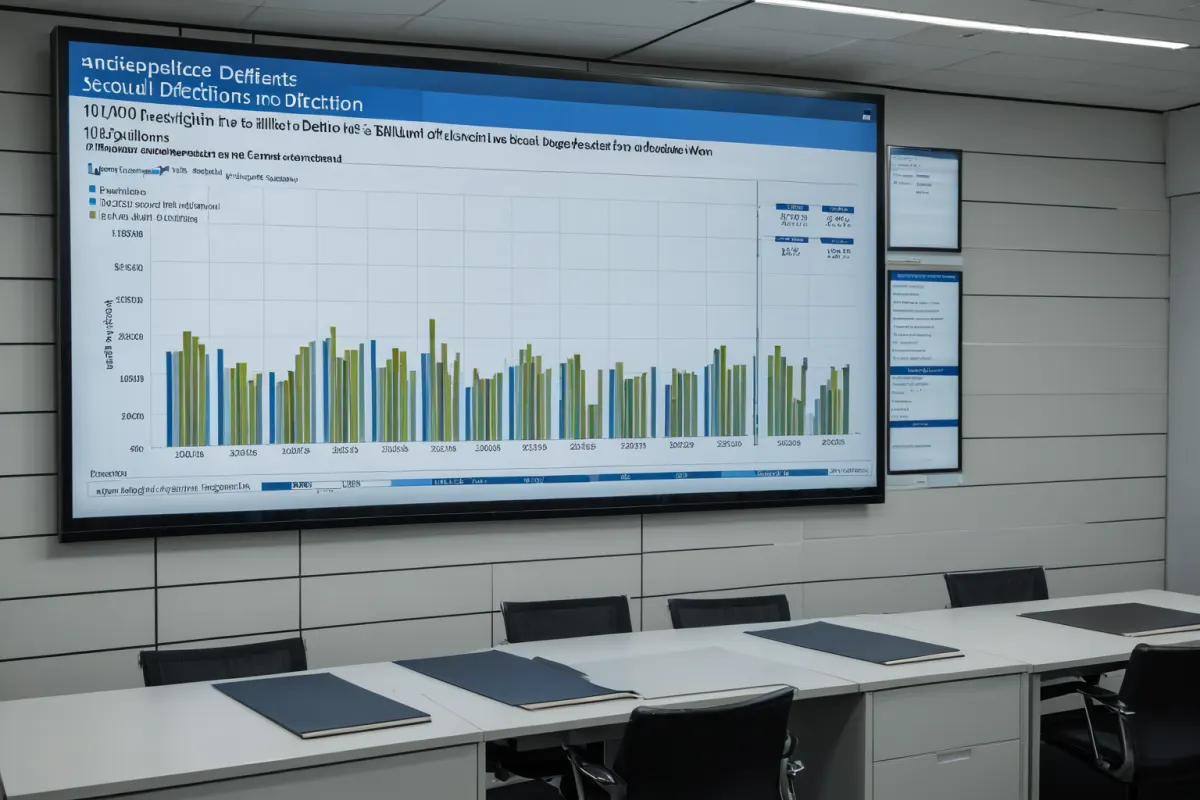
Historical Comparison of Budget Deficit and Government Debt
After surpassing 100 trillion won in September 2025, the budget deficit decreased to 84 trillion won in the first half of 2026—the lowest level in three years—a reduction of about 10 trillion won from last year’s 104 trillion won. Government debt also exceeded 1,300 trillion won by September 2025, reaching 1,304 trillion won in 2025 due to two supplementary budgets that increased debt by 129 trillion won over one year. This indicates worsening fiscal conditions.
Why Deficit Persists Despite Higher Tax Revenue
Despite a 28 trillion won increase in tax revenue, the budget deficit remained unchanged due to rising supplementary spending. The government has established the '100 Trillion Won + α Future Response Fund' to manage national debt, focusing on AI, talent development, and regional investment. However, some election pledges lack sufficient detail, raising concerns about effective fiscal management.
International Concerns and Economic Impact
Korea’s total public debt stood at 6,200 trillion won as of Q1 this year—about 2.5 times GDP—and has reached a debt-to-GDP ratio of 47%, prompting an IMF warning about potential credit rating downgrades. Research shows that a 1% increase in government debt could lead to a 0.15% rise in inflation, potentially causing long-term high inflation. With the U.S. fiscal deficit deepening and Trump administration tariff policies failing to address trade deficits, global economic concerns are mounting.
Research on Government Debt and Inflation
On June 22, 2025, research was published linking government debt to inflation. The study found that a 1% increase in government debt could lead to a 0.15% rise in prices and long-term high inflation, emphasizing the importance of managing public debt for economic stability.
IMF Warning and Credit Rating Risk
On June 30, 2025, reports emerged that Korea’s total public debt had surpassed 6,200 trillion won, with the IMF warning about a rising debt-to-GDP ratio of 47%—raising concerns over potential credit rating downgrades. The government is currently exploring fiscal management strategies to address these warnings.
U.S. Fiscal Deficit Deepening and Global Impact
On October 10, 2024, reports highlighted growing concerns about economic stability and global influence due to the U.S. fiscal deficit deepening. The Trump administration’s tariff policies were analyzed as having failed to resolve trade deficits, underscoring negative impacts on the global economy.
Launch of Future Response Fund and Investment Focus
On August 21, 2026, the government launched the '100 Trillion Won + α Future Response Fund' to stop short-term spending and focus on AI, talent development, and regional investment. This fund represents a strategic shift toward long-term fiscal health but faces challenges due to vague details in some election pledges.
Key Facts to Note
The national budget deficit and rising government debt have been ongoing since 2025, continuing into 2026. While the government is working to improve fiscal management through the '100 Trillion Won + α Future Response Fund,' challenges remain with vague election pledges and IMF warnings about credit rating risks. The relationship between government debt and inflation is also a key factor.
Frequently Asked Questions
Why has South Korea’s budget deficit remained at over 100 trillion won for two consecutive years?
The main reason is increased supplementary budget spending. Following the launch of the '100 Trillion Won + α Future Response Fund,' the deficit decreased to 84 trillion won in the first half of 2026.
Why has the deficit persisted despite a 28 trillion won increase in tax revenue?
The deficit remained because supplementary budget spending increased. The government’s two supplementary budgets caused national debt to rise by 129 trillion won over one year, offsetting the higher tax revenue.
What effects are expected from the Future Response Fund launch?
The fund aims to stop short-term spending and focus on AI, talent development, and regional investment. This strategy is intended to improve long-term fiscal health but faces challenges due to vague election pledges.
Frequently Asked Questions
South Korea’s budget deficit and rising government debt have become major fiscal challenges since 2025. While the deficit decreased to 84 trillion won in the first half of 2026, it remains at a high level. The government is working to improve fiscal health through the '100 Trillion Won + α Future Response Fund,' but issues like vague election pledges and IMF warnings about credit rating risks remain. To restore fiscal stability, the government needs to balance tax revenue growth with effective management of supplementary spending while expanding investments in AI, talent development, and regional projects.
View similar articles on this topic all in one place.
View Related ArticlesFAQ
Why has South Korea’s budget deficit remained at over 100 trillion won for two consecutive years?
The main reason is increased supplementary budget spending. Following the launch of the '100 Trillion Won + α Future Response Fund,' the deficit decreased to 84 trillion won in the first half of 2026.
Why has the deficit persisted despite a 28 trillion won increase in tax revenue?
The deficit remained because supplementary budget spending increased. The government’s two supplementary budgets caused national debt to rise by 129 trillion won over one year, offsetting the higher tax revenue.
What effects are expected from the Future Response Fund launch?
The fund aims to stop short-term spending and focus on AI, talent development, and regional investment. This strategy is intended to improve long-term fiscal health but faces challenges due to vague election pledges.
Korean Source
This article is an English localization of a Korean-language report from BlogScore. Original: 나라살림 적자 100조 원, 국민에게 미치는 영향은?