
How Did South Korea Develop the NASA Lunar Lander Technology?
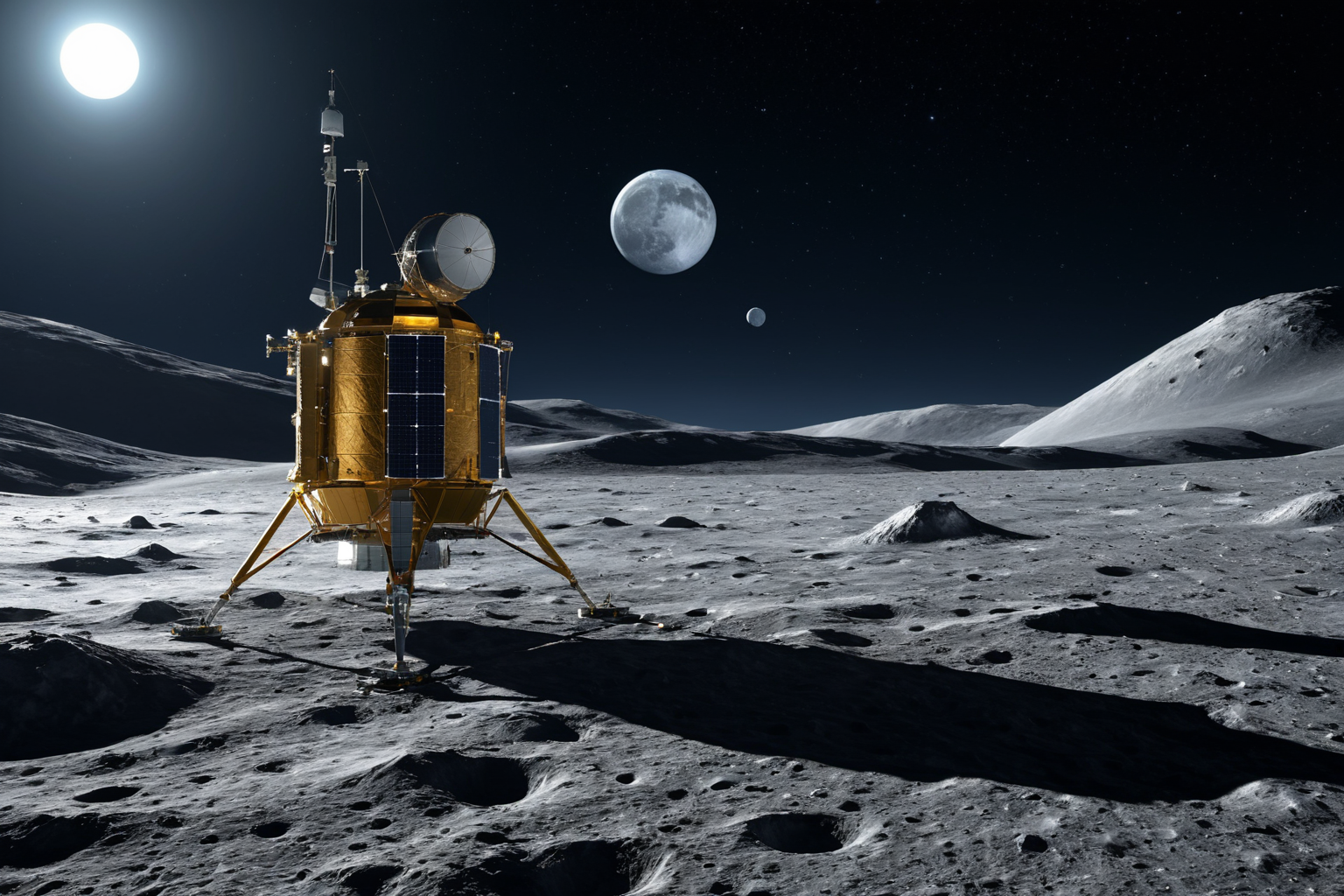
Korean Technology Installed on NASA Lunar Lander
A domestically developed space radiation measurement device from South Korea will be installed on a NASA lunar lander, scheduled to land at the Moon's south pole in 2030. The technology was developed through collaboration between professors at Cheongju University and domestic companies, with plans for a 'South Korea-developed lunar lander' launch in 2032.
NASA Lunar Lander Project Involving Private Companies
NASA is developing lunar exploration landers in partnership with private companies. In February 2024, a privately developed 'Odysseus' lander from a U.S. company became the first commercial spacecraft to touch down on the Moon's surface since Apollo missions, marking a historic milestone after 52 years.
Korea-U.S. Joint Project
A South Korean-developed space radiation measurement device will be installed on NASA's lunar lander for a 2030 mission. This is part of the Korea-U.S. joint project, following the signing of a memorandum of intent for joint participation in a 'Moon base' on July 30, 2026. Additionally, South Korea's science payload was selected for collaboration with the U.S. to explore the Moon's surface in September 2023.
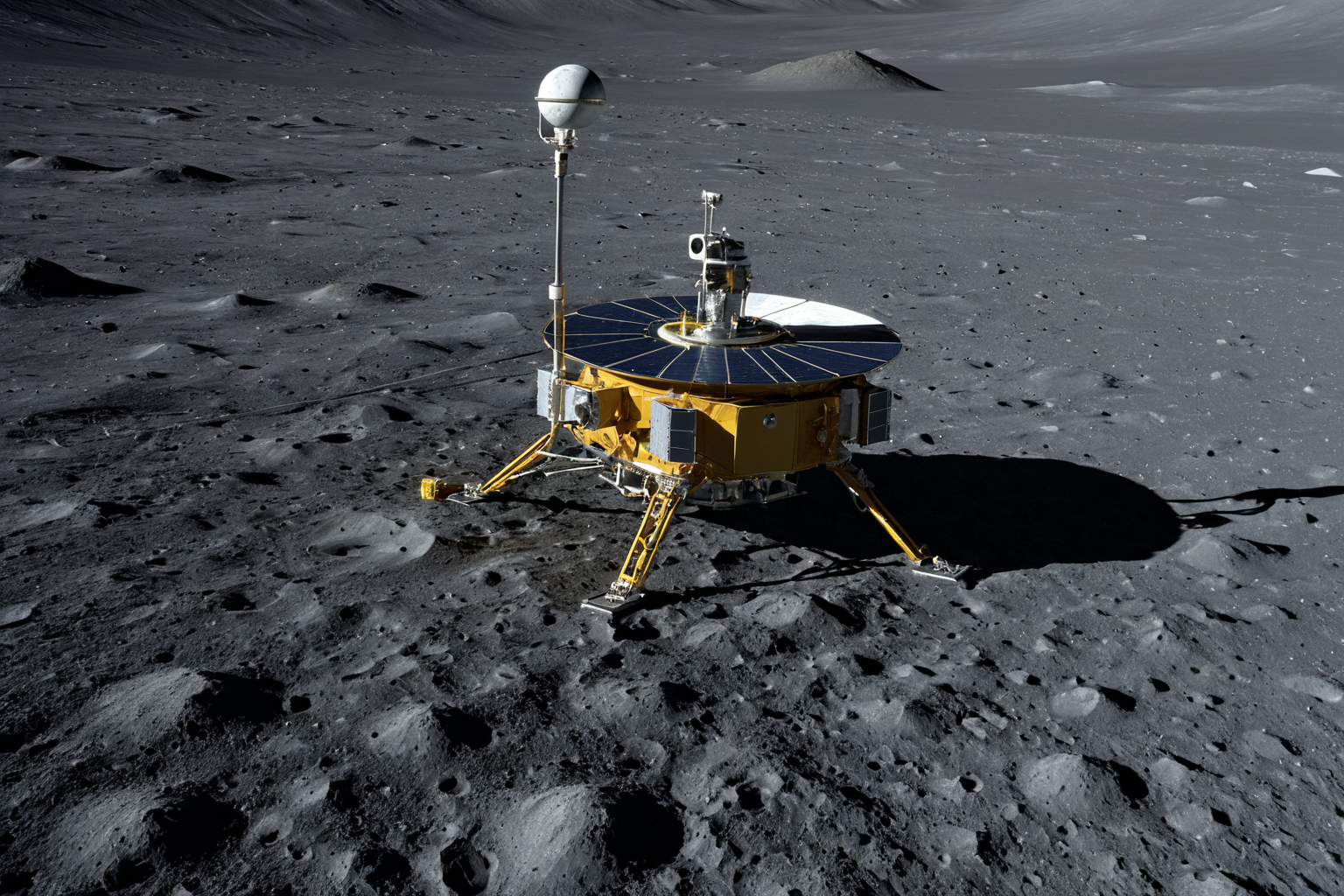
Plan for 2030 Lunar South Pole Mission
The NASA lunar lander scheduled to land at the Moon's south pole in 2030 will feature South Korea's developed space radiation measurement device. The technology was created through collaboration between Cheongju University professors and domestic companies, with plans for a 'South Korea-developed lunar lander' launch in 2032. The Korea Aerospace Administration is advancing technological innovation through meetings focused on developing core satellite components.
NASA's Private Lunar Lander Project
NASA is collaborating with Firefly to develop the 'Blue Ghost' lander, focusing on technological advancements by 2026. This project emphasizes private company involvement in lunar exploration, following the historic landing of 'Odysseus'—the first commercial spacecraft to land on the Moon since Apollo—in February 2024.
Plan for South Korea's Independent Lunar Lander Launch in 2032
The launch of South Korea's independently developed lunar lander is scheduled for 2032, following approval through the Pre-Feasibility Study (PFS) on October 30, 2023. The project is led by the Korea Aerospace Administration and involves meetings to advance technological innovation in core satellite components.
Future Outlook: Korea-U.S. Collaboration and Role of Private Companies
The installation of South Korean technology on NASA's lunar lander represents a significant achievement in international collaboration, with plans for expanded cooperation through the 2030 lunar south pole mission and the 2032 independent lander launch. This reflects the growing trend of NASA partnering with private companies to advance lunar exploration.
Key Dates Related to the 2030 Lunar South Pole Mission
On August 17, 2026, it was announced that a domestically developed space radiation measurement device would be installed on NASA's lander for the 2030 mission. This follows the September 4, 2023 decision to include South Korea's science payload in joint lunar surface exploration with the U.S.
South Korea’s International Standing in Space Technology
The space radiation measurement device developed by South Korean researchers and companies will play a key role in the 2030 mission. This demonstrates South Korea's growing recognition in international space collaboration efforts.
Comparison with Past Lunar Exploration Achievements
NASA’s collaboration with private companies led to the 'Odysseus' lander, which made history by becoming the first commercial spacecraft to land on the Moon since Apollo missions on February 23, 2024—52 years after the last Apollo landing.
Korea Aerospace Administration-Led Project
The Korea Aerospace Administration is advancing technological innovation through meetings focused on developing core satellite components. This follows the October 30, 2023 approval of the 'South Korea-developed lunar lander' launch plan, aiming to strengthen competitiveness in global space exploration.
Signing of Korea-U.S. Memorandum for Joint Moon Base Participation
The memorandum of intent for joint participation in a 'Moon base' was signed on July 30, 2026, marking an important step toward cooperation between South Korea and the U.S. in lunar surface exploration and base construction. This agreement is closely tied to the 2030 lunar south pole mission and the 2032 independent lander launch plan.
Future Outlook: Expanding Private Company Collaboration
NASA's partnership with private companies for lunar exploration has intensified following the successful landing of 'Odysseus' in February 2024. South Korea’s technology is expected to play a key role in NASA's 2030 mission, while the 2032 independent lander launch will further build on this collaboration.
Key Facts Summary
The domestically developed space radiation measurement device from South Korea, created through collaboration between Cheongju University professors and domestic companies, is set to be installed on NASA's lunar lander for the 2030 mission. This is part of a Korea-U.S. joint project following the signing of a memorandum of intent on July 30, 2026.
Key Information to Verify
The 2032 launch plan for South Korea's independently developed lunar lander was confirmed through pre-feasibility study approval on October 30, 2023, and is led by the Korea Aerospace Administration. Additionally, NASA’s 'Blue Ghost' lander development with Firefly continues to focus on technological advancements by 2026.
Frequently Asked Questions
Q: When will South Korea's space radiation measurement device be used on a NASA lunar mission?
A: The device, developed through collaboration between Cheongju University professors and domestic companies, is scheduled for installation on a NASA lunar lander for the 2030 Moon south pole mission.
Q: How does NASA collaborate with private companies in lunar exploration?
A: NASA partners with private companies to develop lunar landers. In February 2024, 'Odysseus' became the first commercial spacecraft to land on the Moon's surface since Apollo missions, marking a new era in lunar exploration.
Q: When was the Korea-U.S. memorandum for joint moon base participation signed?
A: The memorandum was signed on July 30, 2026, formalizing cooperation between South Korea and the U.S. on lunar surface exploration and base construction.
Frequently Asked Questions
South Korea's domestically developed space radiation measurement device will be installed on a NASA lunar lander for the 2030 Moon south pole mission, developed through collaboration between Cheongju University professors and domestic companies. The launch of South Korea's independently developed lunar lander is planned for 2032, with expanded Korea-U.S. joint projects expected to follow.
Explore more articles on similar topics.
View Related ArticlesFAQ
When will South Korea's space radiation measurement device be used on a NASA lunar mission?
The device, developed through collaboration between Cheongju University professors and domestic companies, is scheduled for installation on a NASA lunar lander for the 2030 Moon south pole mission.
How does NASA collaborate with private companies in lunar exploration?
NASA partners with private companies to develop lunar landers. In February 2024, 'Odysseus' became the first commercial spacecraft to land on the Moon's surface since Apollo missions, marking a new era in lunar exploration.
When was the Korea-U.S. memorandum for joint moon base participation signed?
The memorandum was signed on July 30, 2026, formalizing cooperation between South Korea and the U.S. on lunar surface exploration and base construction.
Korean Source
This article is an English localization of a Korean-language report from BlogScore. Original: NASA 착륙선 탑재 기술, 어떻게 개발되었나요?