
How South Korea's Mixed Kayak Team Secured Silver with Perfect Rhythm and Trust
The Core of Teamwork Strategy in Mixed Kayak Racing
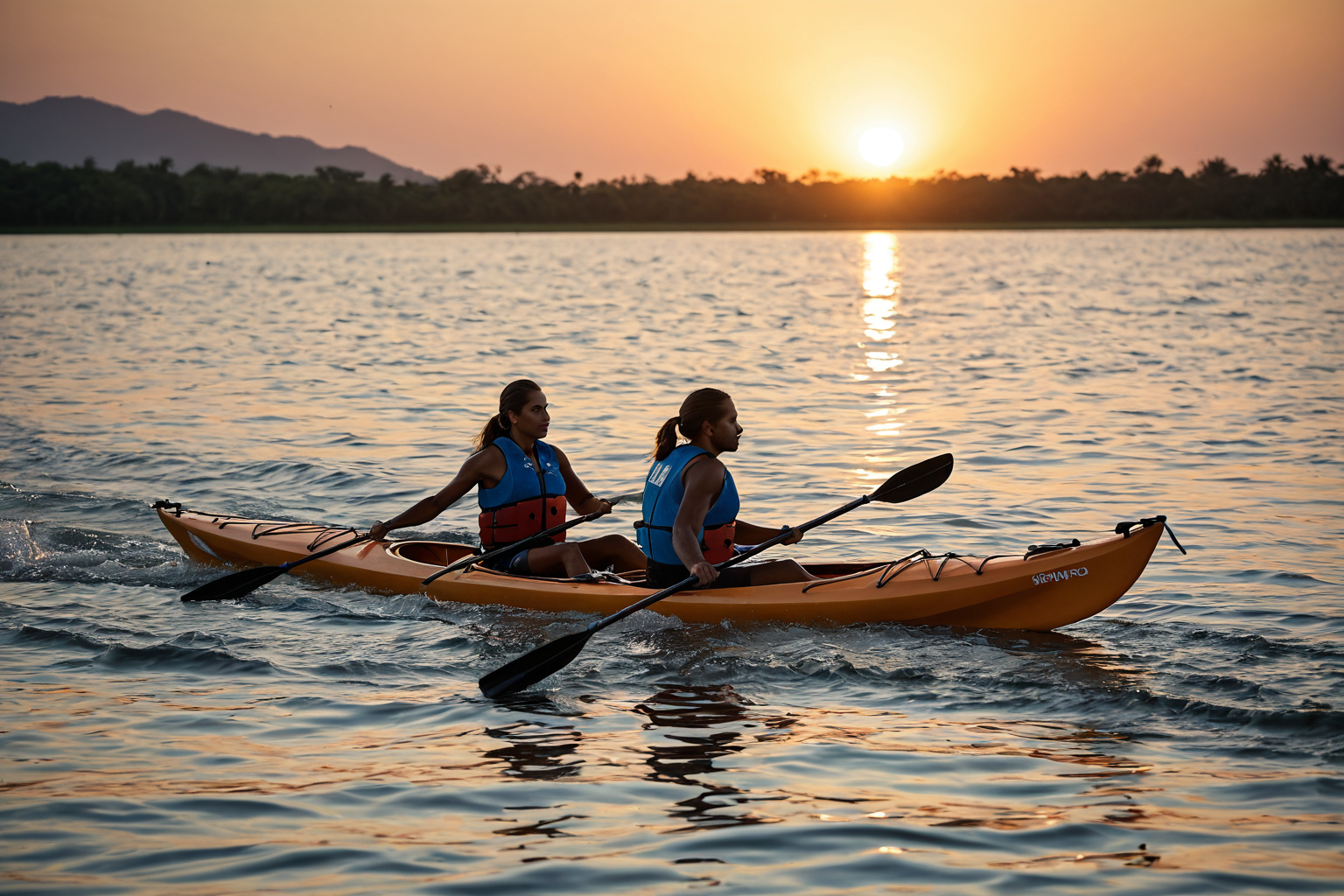
Korean mixed kayak team Choi Min-gyu and Seon Min-ju earned silver in the 500m event at the 2026 Nagoya Asian Games. Their teamwork strategy proved pivotal, with video analysis revealing how mutual motivation and rhythm coordination were key to their success.
Silver Medal Achievement and Medal Record
The Korean mixed kayak team of Choi Min-gyu and Seon Min-ju secured silver in the 500m event. This added two more medals—two silvers—to Korea's canoeing tally, bringing their total to two golds and two silvers at the Asian Games. Chang Sang-won also earned a silver medal in the men's single kayak event, contributing to the team's overall performance.
At the 2026 Nagoya Asian Games, South Korea’s canoeing team added another silver in both the men’s single kayak and mixed doubles 500m events. This brought their total Asian Games medal count for canoeing to two golds and two silvers.
Video Analysis of Actual Competition: Teamwork Strategy
In mixed kayak racing, mutual motivation and rhythm coordination between the two athletes are crucial. Video analysis showed Choi Min-gyu and Seon Min-ju adjusting each other’s deviations while maintaining speed throughout the race.
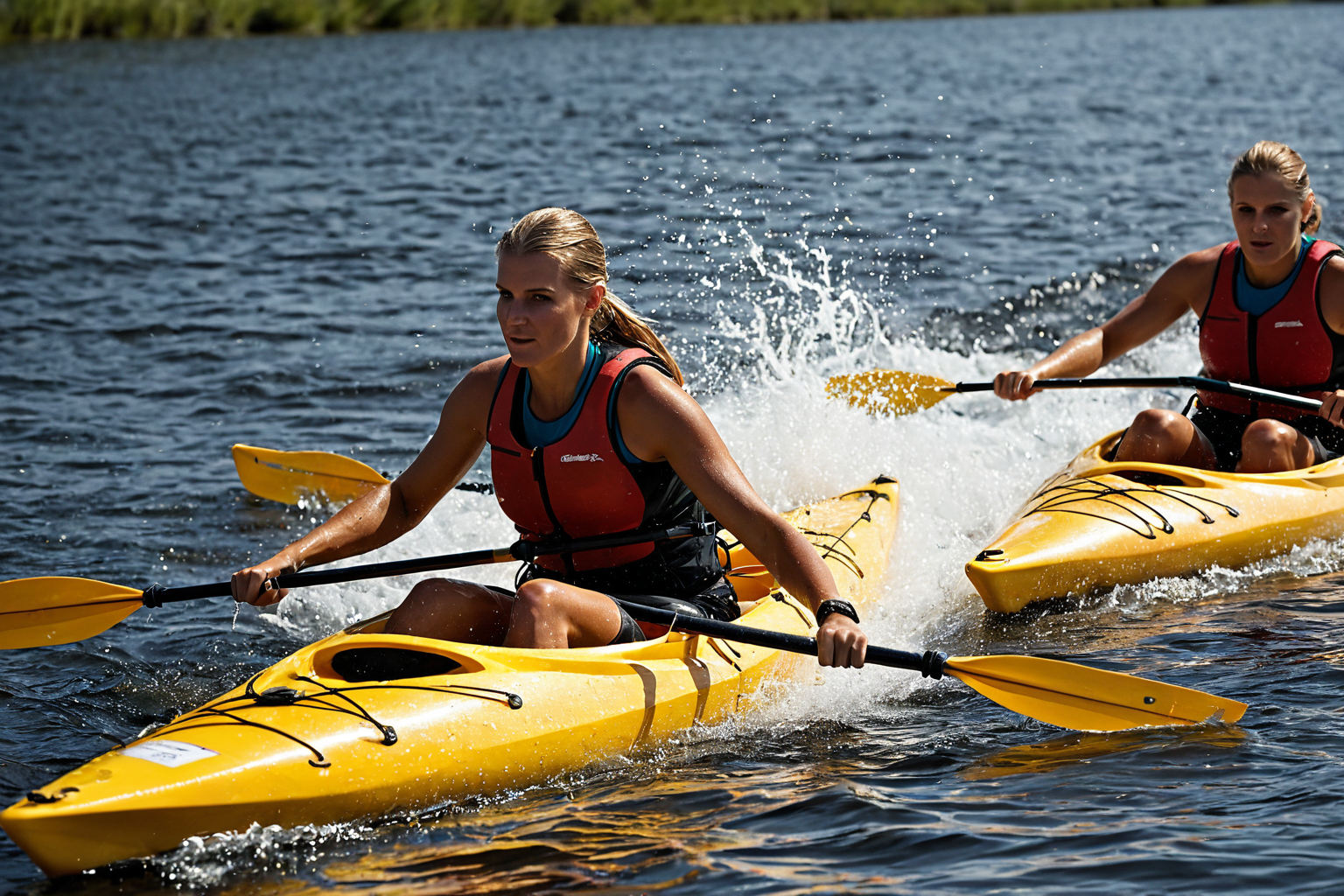
From the start, both athletes maintained precise rhythm in their launch. Choi led with speed control, while Seon provided encouragement from behind. When one athlete slightly slowed down during the race, the other immediately compensated to maintain momentum.
Notably, at the 300m mark, their rhythms momentarily mismatched, but Choi quickly adjusted his pace and signaled to Seon. This allowed them to regain their original rhythm and finish strongly.
Real-World Application of Teamwork Strategy
The teamwork strategy in mixed kayak racing goes beyond motivation—it includes technical coordination. Choi and Seon had thoroughly practiced rhythm synchronization before the race, enabling quick responses to each other’s speed changes during competition.
Immediately after the start, both athletes achieved a precise launch that set them apart from competitors. From the 200m mark onward, Choi led with pace control while Seon followed behind, offering encouragement.
When one athlete experienced a slight slowdown mid-race, the other immediately signaled and compensated. This strategy relied on trust built through rigorous practice before the competition.
Analyzing the Causes of Successful Teamwork Strategy
The key to the successful teamwork strategy was mutual trust and precise rhythm coordination between the two athletes. This originated from thorough pre-competition training, where they understood each other’s styles.
During training, both athletes practiced rhythm adjustments for various scenarios, including how to signal and compensate during speed reductions. This enabled real-time responses during the race.
Additionally, their individual styles complemented each other. Choi excelled at leading with pace control, while Seon focused on following behind to provide motivation. This ensured consistent rhythm throughout the race.
Teamwork Strategy and Safety Considerations
The teamwork strategy not only contributed to victory but also enhanced athlete safety. By coordinating their rhythms, both athletes could anticipate each other’s speed changes and avoid risks from sudden acceleration or deceleration.
Specifically, when one athlete slowed slightly during the race, the other immediately signaled a correction, improving overall safety. This allowed both athletes to avoid dangerous situations during competition.
The teamwork strategy is not limited to sports—it can also be applied in daily life. For example, in team projects, members can monitor each other’s progress and provide timely support, similar to how Choi and Seon coordinated during their race.
Key Information to Verify
Video analysis of the actual competition confirmed that rhythm coordination and mutual motivation between the two athletes were critical factors in their victory. Pre-competition training also played a decisive role in the success of their teamwork strategy.
The Korean canoeing team’s additional silver medals at the 2026 Nagoya Asian Games in both the men’s single kayak and mixed doubles 500m events highlight the effectiveness of this teamwork approach, drawing attention as a successful case study.
Frequently Asked Questions
How did the teamwork strategy function during the mixed kayak race?
The two athletes started with precise rhythm coordination. One controlled speed while the other compensated for any slowdowns. Notably, at the 300m mark, one athlete slowed slightly and received immediate signal-based correction from their partner.
How was the teamwork strategy prepared through pre-competition training?
During training, both athletes practiced rhythm adjustments and signaling under various scenarios. This allowed them to respond in real-time during the race.
What broader significance does the teamwork strategy hold beyond sports?
The teamwork strategy can be applied in daily life—such as in team projects where members monitor each other’s progress and provide timely support, similar to the coordination seen between Choi and Seon.
Frequently Asked Questions
The Korean mixed kayak team’s silver medal win at the 2026 Nagoya Asian Games demonstrated a successful application of teamwork strategy. Rhythm coordination and mutual motivation were key to their victory, built on thorough pre-competition training and trust between athletes.
This case highlights that teamwork principles are not limited to sports but can be applied across various fields. By applying similar collaborative approaches, teams in different contexts can achieve more effective outcomes.
FAQ
How did the teamwork strategy function during the mixed kayak race?
The two athletes started with precise rhythm coordination. One controlled speed while the other compensated for any slowdowns. Notably, at the 300m mark, one athlete slowed slightly and received immediate signal-based correction from their partner.
How was the teamwork strategy prepared through pre-competition training?
During training, both athletes practiced rhythm adjustments and signaling under various scenarios. This allowed them to respond in real-time during the race.
What broader significance does the teamwork strategy hold beyond sports?
The teamwork strategy can be applied in daily life—such as in team projects where members monitor each other’s progress and provide timely support, similar to the coordination seen between Choi and Seon.
Korean Source
This article is an English localization of a Korean-language report from BlogScore. Original: 혼성 카약 경기 은메달 대표팀의 팀워크 전략: 실제 경기 영상 분석