
South Korea's Marine Heatwave Crisis: Causes and Ecological Impacts
South Korea's Ocean Warming Rate Exceeds Global Average by Over 200%
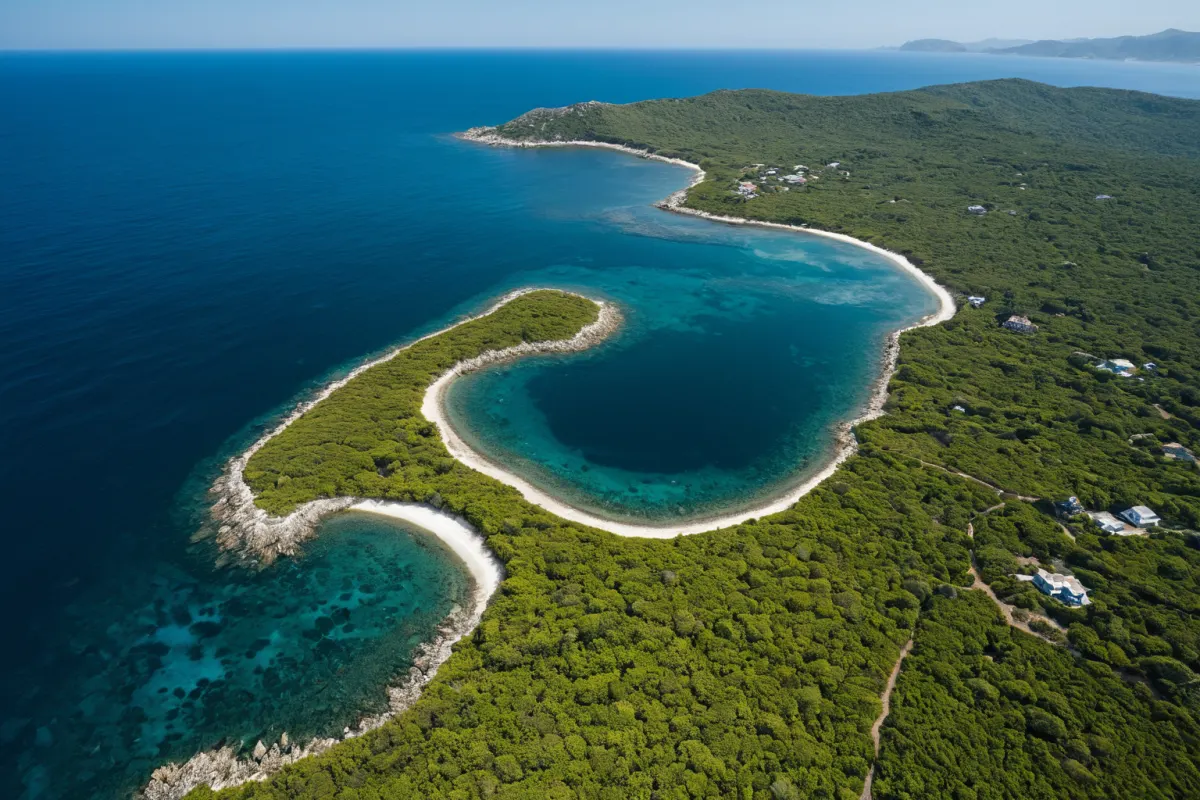
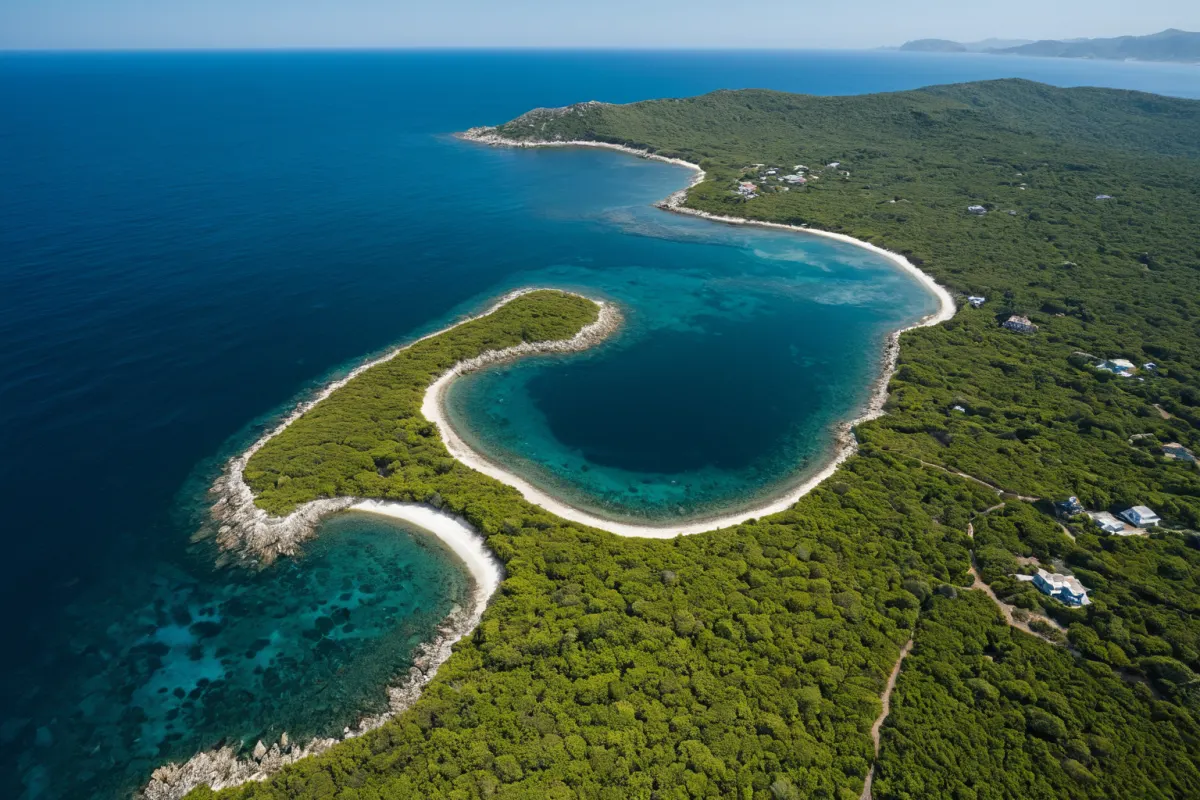
South Korea's ocean warming rate is accelerating at more than twice the global average. This has led to a 58% decline in coastal phytoplankton, changes in nearshore ecosystems, and crises in fisheries. Climate change research confirms South Korea's marine temperature rise significantly outpaces global trends.
Phytoplankton Decline and Ecosystem Shifts
Coastal phytoplankton around the Korean Peninsula has decreased by 58% compared to the 1990s. This decline is directly attributed to marine warming, causing food web collapse and placing coastal ecosystems at serious risk.
Mass Fish Die-Offs and Coral Bleaching in South Sea and Jeju Waters
Mass fish die-offs were reported in the South Sea starting August 2, 2023. Around the same time, coral bleaching was observed in Jeju waters on September 14, 2024, when sea temperatures exceeded 30°C. These events directly demonstrate ecological changes caused by high water temperatures.
Social Costs of Climate Crisis and Need for Technology-Policy Collaboration
The social costs of climate crisis increase twofold when accounting for marine ecosystem damage. Addressing this requires collaboration between technology, policy, and consumer initiatives for fisheries climate adaptation. The Jeju National Institute of Ocean Science and Technology and Seoul University announced a joint research initiative on climate change response in marine fisheries on January 29, 2026.
In Jeju coastal waters, coral bleaching is occurring due to low salinity combined with rising temperatures, demonstrating the complex impacts of temperature changes and salinity shifts on ecosystems.
Jeju Horn Shell Migration Northward and High Temperatures in East China Sea
The northward migration of Jeju horn shells (a type of marine snail) to the East Sea was reported in June 2025, confirmed as a habitat shift due to climate change. In the East China Sea, an unprecedented prolonged period of high sea temperatures occurred, with Pakistan's heavy rainfall identified as a contributing factor.
Record Summer Jellyfish Blooms and Unusual Shark Behavior
This summer is predicted to see record jellyfish blooms due to sea temperature rising by 2°C. Additionally, unusual shark behavior along the East Coast prompted marine authorities to issue warnings to recreational water users.
Seaweed forest restoration has shown a 54% success rate but requires ongoing management. Seaweed forests play a crucial role in marine ecosystem recovery and need sustained care.
Incheon's Coastal Sea Level Rise Rate Leads Nationally
Incheon's coastal sea level rise rate has recorded the highest in South Korea. This directly connects to high water temperature phenomena, demonstrating clear correlation with marine ecosystem changes.
Microbial Methods for Coral Conservation
Microbial methods for coral conservation are under development. These approaches aim to mitigate coral bleaching caused by climate change.
Investigating Causes of Nationwide Marine Heatwaves
Climate change is the primary cause of nationwide marine heatwave phenomena. Rising temperatures drive shifts in marine habitats, with projections suggesting a potential 4.28°C increase in Korean Peninsula sea surface temperature within the next 70 years. High water temperatures also contribute to increased typhoon intensity.
The northward migration of Jeju horn shells and the East China Sea's record-breaking high-temperature period have both been confirmed as climate change impacts. Mass fish die-offs in the South Sea and coral bleaching in Jeju are similarly linked.
Response Strategies and Safety Information
Addressing fisheries' climate crisis requires collaboration between technology, policy, and consumer initiatives. Microbial coral conservation methods represent a key research focus. While seaweed forest restoration has achieved 54% success, ongoing management is essential.
Marine recreational activities require increased caution this summer due to predicted record jellyfish blooms. Marine authorities have warned of risks from unusual shark behavior.
Verified Information
The rate of marine warming in South Korea, 58% phytoplankton decline, dates of mass fish die-offs and coral bleaching reports, northward migration of Jeju horn shells, and summer jellyfish forecasts are all verifiable facts. The joint research initiative between the Jeju National Institute of Ocean Science and Technology and Seoul University provides important reference data.
Incheon's coastal sea level rise rate being the highest nationally is connected to high water temperature phenomena.
Frequently Asked Questions
Why is South Korea's marine warming rate more than twice the global average?
South Korea's ocean warming rate exceeds the global average due to regional climate change impacts. The Korean seas respond particularly sensitively to atmospheric and oceanic heat transfer processes.
What impact does a 58% phytoplankton decline have?
The 58% phytoplankton decline leads to food web collapse, placing coastal ecosystems at serious risk. It also negatively impacts fish reproduction and marine life growth.
Why are this summer's jellyfish blooms predicted to be record-breaking?
This year's jellyfish blooms are expected to reach unprecedented levels due to a 2°C increase in sea temperature. Rising temperatures accelerate jellyfish breeding cycles, resulting in more frequent and larger blooms.
The Relationship Between Climate Change and Marine Ecosystems
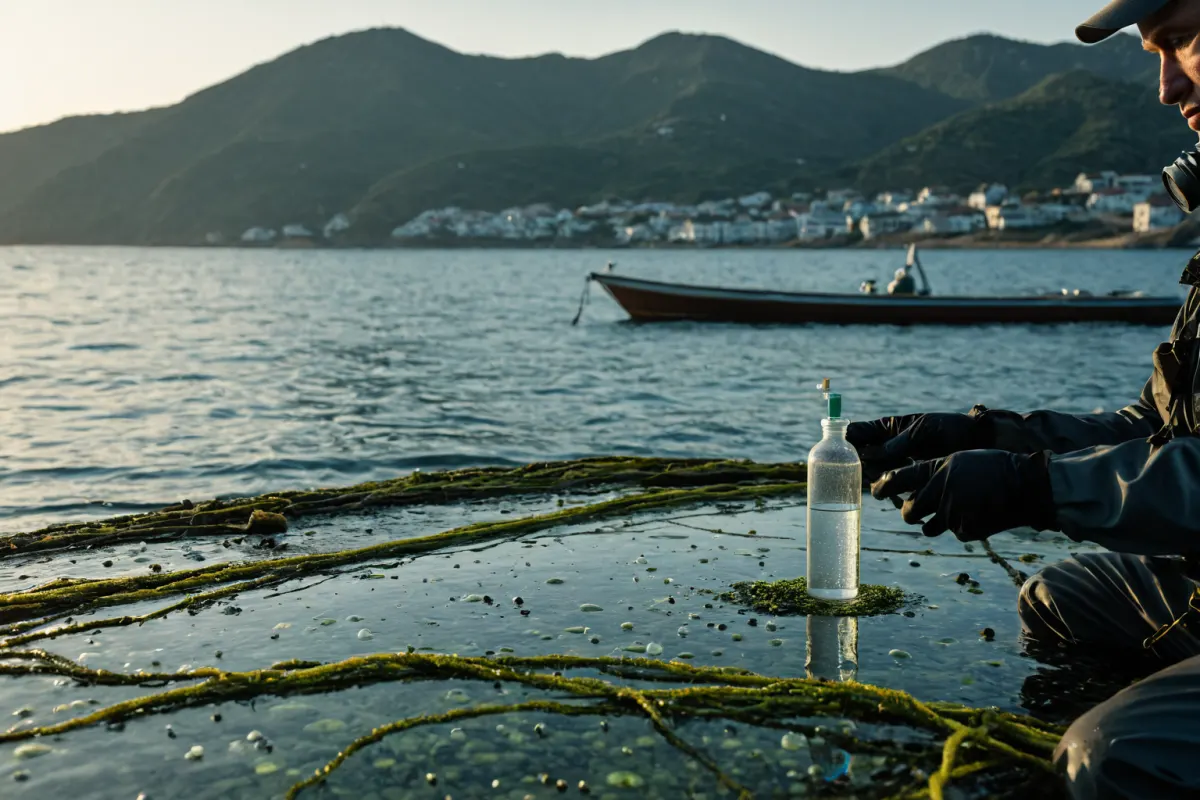
Climate change drives marine warming, causing phytoplankton decline, habitat shifts, and coral bleaching. These processes create complex, ongoing impacts requiring strategic responses for ecosystem recovery. Microbial conservation methods will play a key role in mitigating climate-related damage. Seaweed forest restoration success rates and continued management are also essential.
FAQ
Why is South Korea's marine warming rate more than twice the global average?
South Korea's ocean warming rate exceeds the global average due to regional climate change impacts. The Korean seas respond particularly sensitively to atmospheric and oceanic heat transfer processes.
What impact does a 58% phytoplankton decline have?
The 58% phytoplankton decline leads to food web collapse, placing coastal ecosystems at serious risk. It also negatively impacts fish reproduction and marine life growth.
Why are this summer's jellyfish blooms predicted to be record-breaking?
This year's jellyfish blooms are expected to reach unprecedented levels due to a 2°C increase in sea temperature. Rising temperatures accelerate jellyfish breeding cycles, resulting in more frequent and larger blooms.
Korean Source
This article is an English localization of a Korean-language report from BlogScore. Original: 전국 바다 고수온 현상 원인, 기후 변화 연구 결과 확인