
South Korea's Government Budget Deficit Hits Lowest in Three Years Amid Economic Growth
The Significance of South Korea's Lowest Budget Deficit in Three Years
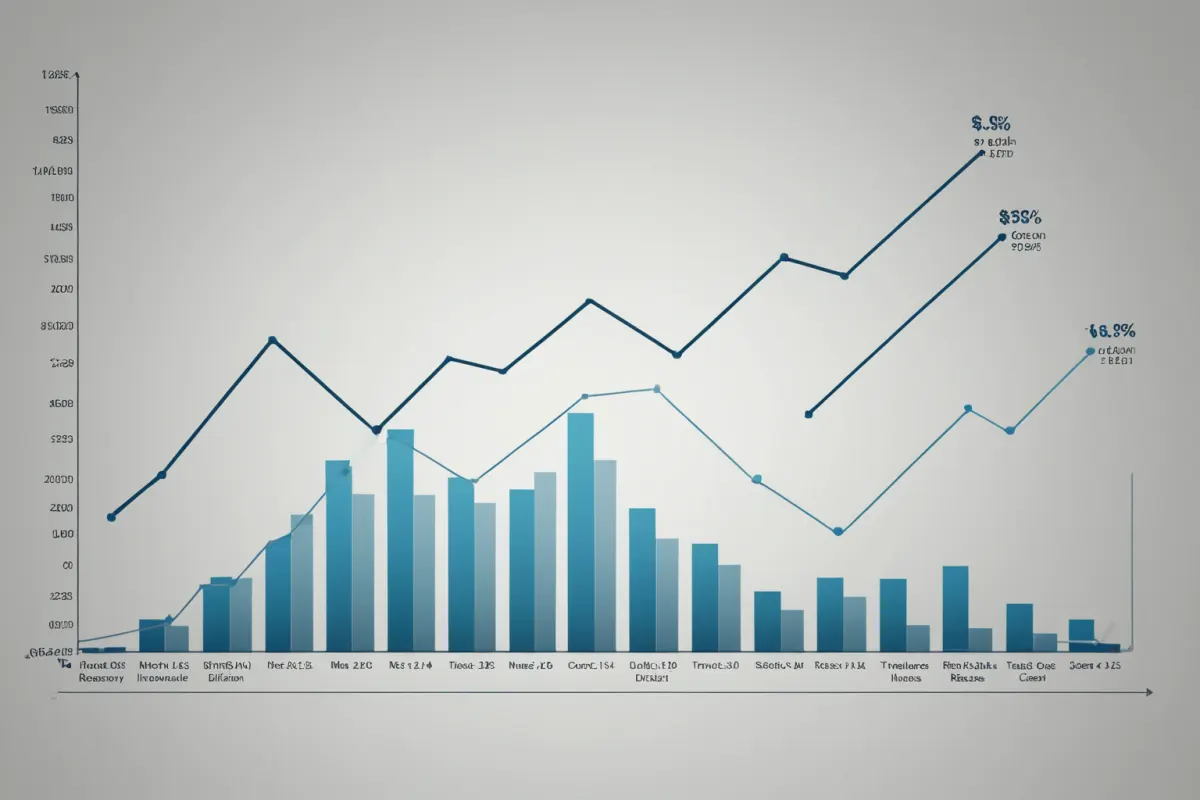
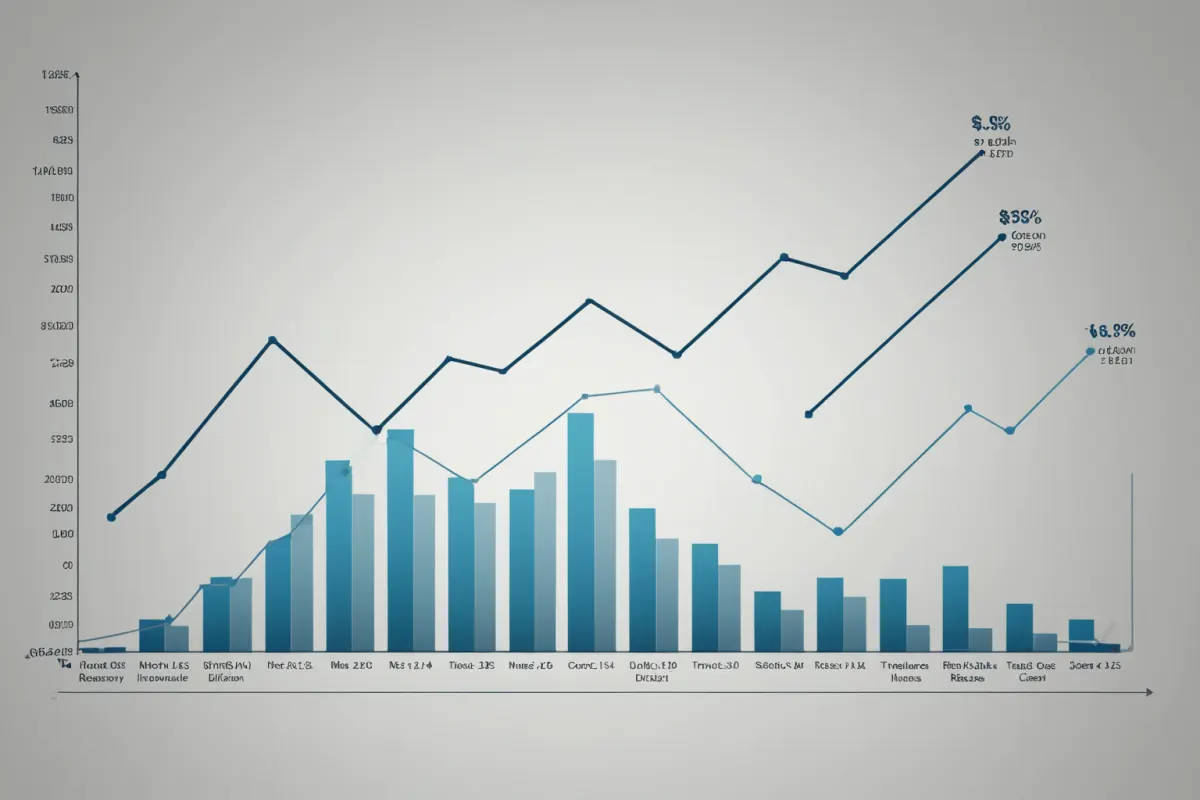
South Korea's government budget deficit for the first half of 2026 reached a three-year low of 84 trillion won. This is primarily attributed to improved tax revenues and recovery in the semiconductor industry. Notably, the first-quarter deficit was recorded at 39.6 trillion won, the lowest since the pandemic, while total government revenue increased by 19% year-on-year to 382 trillion won.
Improving Fiscal Indicators and Economic Growth
The managed fiscal balance deficit also reached a seven-year low of 36.6 trillion won. The OECD forecasts South Korea's economic growth rate at 2.6%, predicting that recovery in the semiconductor sector and consumer spending will serve as key pillars for economic stability.
Improved tax revenues reflect better corporate profits and increased personal income, with semiconductor industry recovery driving export growth and job creation, positively impacting the overall economy.
The Background Behind the Lowest Budget Deficit
The 84 trillion won deficit for the first half of 2026 resulted from higher tax revenues and improved government fiscal management. Total government revenue rose by 19% year-on-year to 382 trillion won, marking the highest growth rate since 2020.
The managed fiscal balance deficit also reached a seven-year low of 36.6 trillion won. The managed fiscal balance is an indicator reflecting general government financial operations; its improvement suggests enhanced overall economic stability.
National Debt Increase and Fiscal Health Concerns
Meanwhile, national debt has increased to nearly 49% of GDP. This reflects growing pressure from demographic changes, particularly following the inception of the Yoon Suk Yeol administration, which has seen rapid debt accumulation and issuance of deficit bonds.
National debt growth could negatively impact long-term fiscal health, drawing attention. In January 2023, tax revenue collection rates reached a low of 10.3%, the lowest in 18 years, indicating ongoing declines in tax revenues and worsening fiscal conditions.
Within two weeks of the Yoon Suk Yeol administration's start, 20 trillion won in debt was incurred, and during the second supplementary budget, over 30 trillion won was spent with approximately 65% covered by deficit bonds. National debt is expected to exceed 1,300 trillion won this year, reaching 49% of GDP.
OECD Growth Forecasts and Semiconductor Industry's Role
The OECD forecasts South Korea's economic growth rate at 2.6%, highlighting semiconductor recovery and consumer spending as key drivers. Semiconductor industry recovery has led to increased exports, improved corporate performance, and expanded employment, which in turn stimulated consumption.
Tax burden rates rebounded to the low 18% range after three years but remain below the OECD average. Despite rising tax burdens, ongoing government expansionary fiscal policies are being closely watched.
Potential shifts in central bank policy are also under consideration. There are indications that the Bank of Korea might adjust interest rates in 2026, which could have significant implications for the broader economy.

Balancing Fiscal Health and Economic Growth
The record-low budget deficit is seen as a positive signal, but concerns about rising national debt and the sustainability of fiscal policies remain. Balancing economic growth with fiscal health is crucial, necessitating a thorough review of government financial management practices.
Notably, semiconductor industry recovery has driven export increases and job creation, positively impacting the overall economy. However, this represents short-term gains; for sustainable long-term economic growth, additional policy support will be required.
Limits of Fiscal Policy and Response Strategies
While the government deficit reached its lowest level since 2020, the economic growth rate remains at a low point excluding crisis periods. This indicates that current fiscal policies may not have sufficiently lifted the overall economy.
Some reports criticize what they term 'empty economics,' emphasizing the need for more practical approaches to economic policy. Economic policy should focus on structural improvements and long-term growth strategies rather than merely providing financial support.
Key Information to Verify
The lowest budget deficit is attributed to improved tax revenues and semiconductor industry recovery, which are expected to positively impact economic growth. However, concerns about rising national debt and the sustainability of government fiscal policies remain. Future attention should focus on potential central bank policy changes and OECD growth forecasts.
The first-half 2026 budget deficit of 84 trillion won resulted from increased tax revenues and improved fiscal management. While this is a positive signal for economic growth, rising national debt warrants long-term attention.
Frequently Asked Questions
How will South Korea's lowest budget deficit impact economic growth?
The record-low budget deficit stems from improved tax revenues and semiconductor industry recovery, which are expected to positively influence economic growth. Increased exports and job creation driven by the semiconductor sector should stimulate consumer activity, leading to overall improvements in economic indicators.
Will rising national debt negatively impact economic growth?
Rising national debt could have a negative long-term effect on fiscal health. While it may support the economy through expansionary fiscal policies in the short term, continuous debt accumulation is likely to increase future fiscal burdens.
Why does the OECD forecast South Korea's economic growth at 2.6%?
The OECD cites semiconductor industry recovery and increased consumer spending as key factors. Improved semiconductor exports have boosted corporate performance, leading to expanded employment and consumption, which contribute to economic growth.
Frequently Asked Questions
The record-low budget deficit is a positive signal, but rising national debt and the sustainability of fiscal policies remain key challenges. Balancing economic growth with fiscal health requires a thorough review of government financial management practices.
While semiconductor industry recovery has driven export growth and job creation, positively impacting the overall economy, this represents short-term gains. For sustainable long-term economic growth, structural improvements and policy support will be necessary.
Future attention should focus on potential central bank policy changes and OECD growth forecasts. The continuation of government expansionary fiscal policies will also be an important factor in determining economic outcomes. Balancing economic growth with fiscal health remains the most critical challenge.
You can view a collection of similar articles on this topic.
View Related ArticlesFAQ
How will South Korea's lowest budget deficit impact economic growth?
The record-low budget deficit stems from improved tax revenues and semiconductor industry recovery, which are expected to positively influence economic growth. Increased exports and job creation driven by the semiconductor sector should stimulate consumer activity, leading to overall improvements in economic indicators.
Will rising national debt negatively impact economic growth?
Rising national debt could have a negative long-term effect on fiscal health. While it may support the economy through expansionary fiscal policies in the short term, continuous debt accumulation is likely to increase future fiscal burdens.
Why does the OECD forecast South Korea's economic growth at 2.6%?
The OECD cites semiconductor industry recovery and increased consumer spending as key factors. Improved semiconductor exports have boosted corporate performance, leading to expanded employment and consumption, which contribute to economic growth.
Korean Source
This article is an English localization of a Korean-language report from BlogScore. Original: 나라살림 적자 최저 기록, 경제 성장에 미치는 영향