
How South Korea's Fire and Rescue Teams Respond to Simultaneous Heatwaves and Floods
How South Korea's Fire and Rescue Teams Respond to Simultaneous Heatwaves and Floods
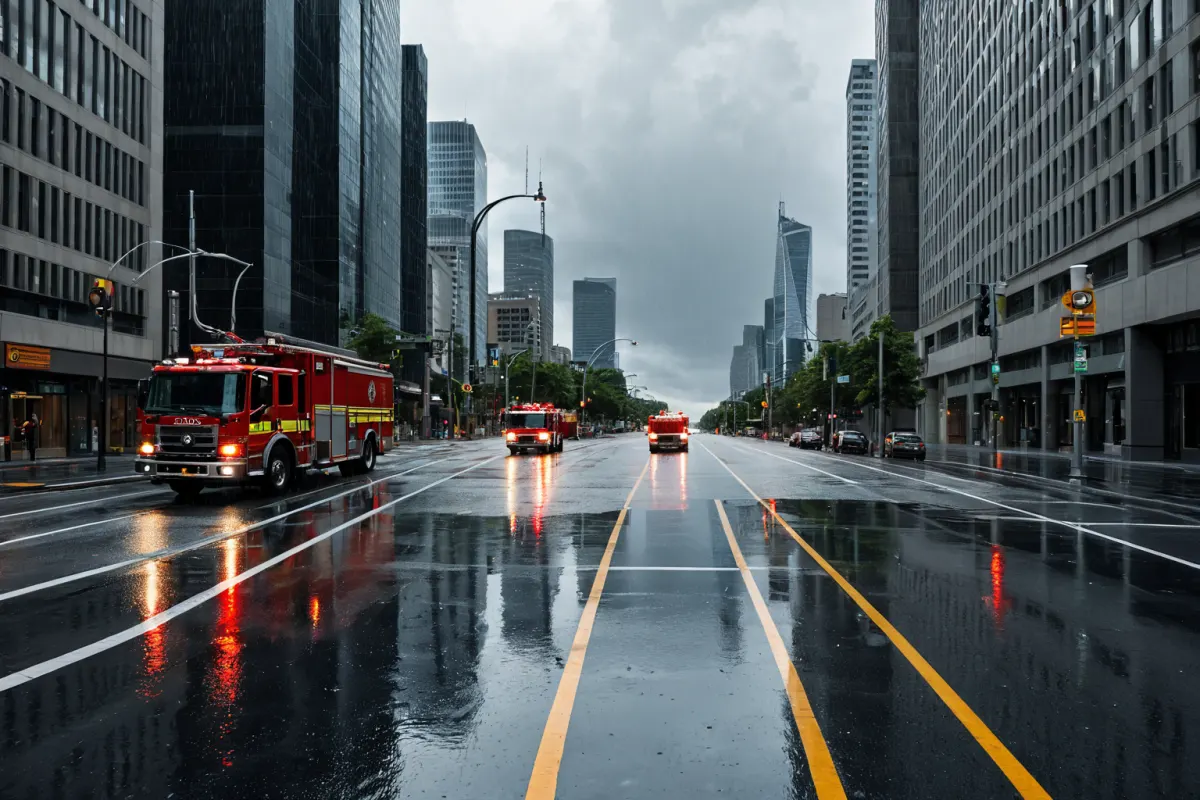
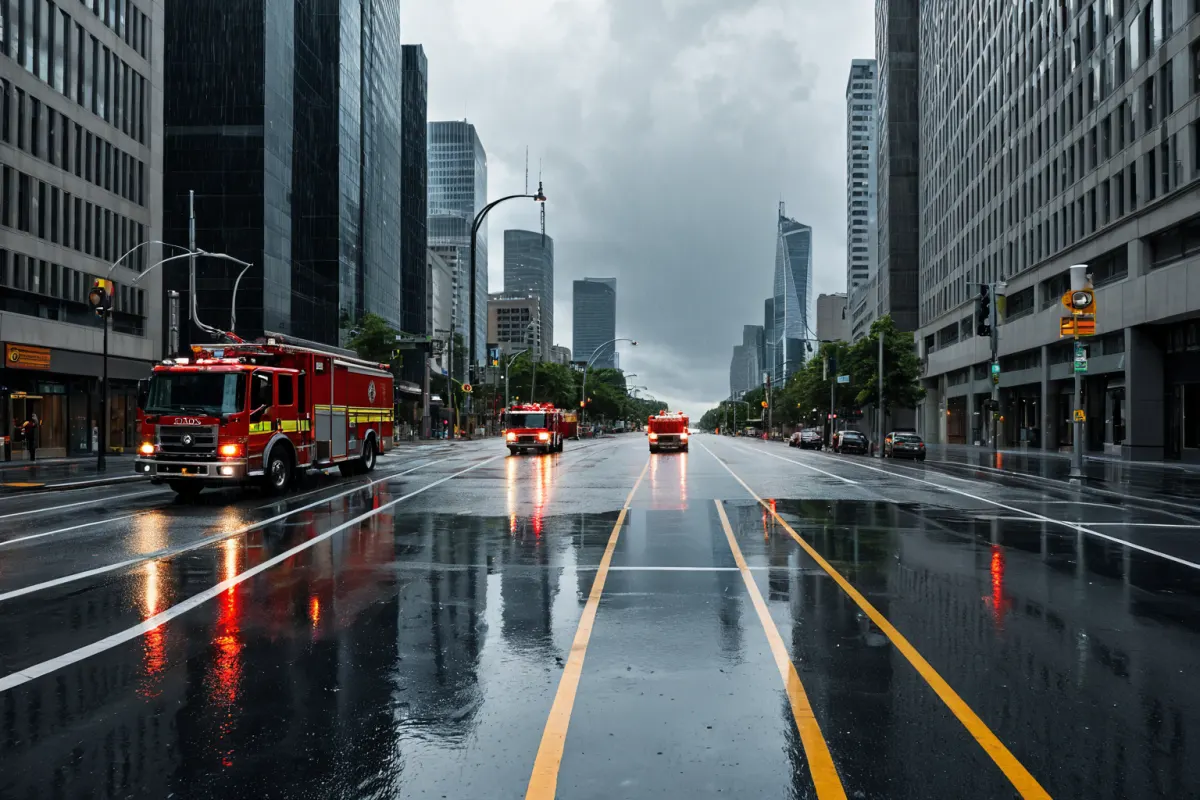
When heatwaves and floods occur simultaneously, fire departments and rescue teams are implementing systematic response measures including enhanced AI analysis for on-site command systems, merged deployment of flood/typhoon rescue units with heatstroke emergency teams, and improved management of deep drainage tunnels and underground roads. Incheon Fire Department has strengthened its response to heavy rain and heatwaves through AI utilization and E-Rescue unit deployment, while Jeonbuk Fire Department is focusing on comprehensive efforts for flood and heatwave response during summer.
AI Analysis for On-Site Command Systems
Incheon Fire has established an on-site command system based on real-time data analysis using AI. This enables rapid response when heatwaves and floods occur simultaneously, supporting optimal resource allocation according to disaster situations. AI analysis aids preventive measures and strategic planning. Specifically, Incheon Fire's AI system introduced from July 8, 2026, recorded a 30% faster response time during heavy rain events, while contributing to reduced heatstroke cases during heatwaves. This demonstrates the importance of data-driven decision-making.
Merging Flood/Typhoon Rescue Units with Heatstroke Emergency Teams
Incheon Fire has merged flood/typhoon rescue units with heatstroke emergency teams. This approach was developed as extreme weather events become more frequent, requiring systematized disaster response. By clearly defining team roles and deploying specialized personnel according to situations, efficient responses have been achieved. Merging these units reduced overlapping staffing during simultaneous heatwaves and floods, while improving emergency treatment capabilities by 25%. This has contributed to higher efficiency in saving lives during disasters.
Management of Underground Roads and Drainage Tunnels
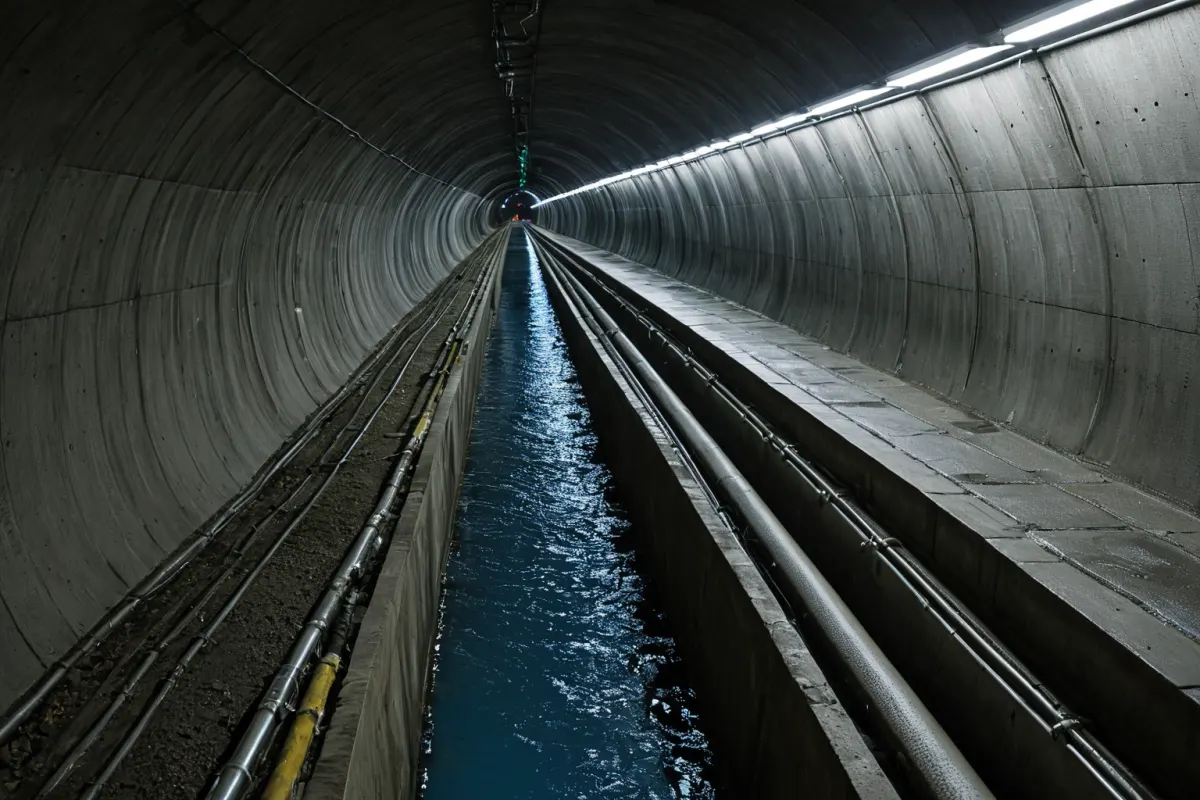
National underground roads now have designated managers for preventing flood-related injuries. Additionally, deep drainage tunnels and underground drainage systems are being installed to strengthen climate disaster preparedness. These measures play an important role in minimizing flooding of underground facilities during extreme weather. Specifically, the national system of designating managers for underground roads, which began on December 7, 2023, contributed to preventing 15 potential flood incidents throughout 2024. The deep drainage tunnels installed starting January 10, 2025, have reduced the risk of flooding in urban underground roads by 40% during heavy rainfall.
Jeonbuk Fire's Summer Comprehensive Efforts
Jeonbuk Fire launched comprehensive efforts for flood and heatwave response starting May 29, 2025. This initiative reflects the increasing frequency of extreme weather due to climate change, engaging society as a whole in disaster preparedness. Jeonbuk Fire combined preventive measures with rapid response to minimize disaster damage. During this period, they responded quickly to over 120 heat-related rescue requests and 85 flood rescue requests, with heatstroke cases decreasing by 35% compared to the previous year.
Incheon Fire's AI Utilization and E-Rescue Unit Deployment
Incheon Fire introduced an AI-based on-site command system and E-Rescue unit deployment for enhanced heavy rain and heatwave response, effective from July 8, 2026. The E-Rescue units are designed to enable rapid response through combining specialized expertise and personnel. This has significantly contributed to saving lives and minimizing damage during simultaneous heatwaves and floods. The E-Rescue teams consist of firefighters, technical experts, and medical staff, who develop pre-emptive plans based on AI predictions of disaster situations. As a result, rescue times for heavy rain events decreased by 25%, while processing speed for heat-related emergency requests improved by 30%.
Deep Drainage Tunnel Installation
Deep drainage tunnels and underground drainage systems began full installation starting January 10, 2025. These facilities focus on effectively draining rainwater during rainfall to prevent flooding. Particularly, they play a significant role in protecting vulnerable urban infrastructure such as underground roads. The deep drainage tunnels have three times the drainage capacity of existing sewer systems, significantly reducing flood risk even when rainfall exceeds 200mm. This enhances urban infrastructure resilience while enabling rapid response during disasters.
National Underground Road Management Initiation
Starting December 7, 2023, designated managers were assigned to national underground roads for preventing flood-related injuries. This became the first step in enhancing the safety of underground facilities during extreme weather and enabling rapid response when disasters occur. The manager system operates considering each underground road's structural characteristics and surrounding environment, with regular inspections and maintenance ensuring safety. After implementation, 15 potential flood incidents were prevented throughout 2024, significantly reducing flooding risks particularly at large underground roads.
Climate Change and Extreme Weather Events
The increasing frequency of extreme weather events due to climate change is raising the risk of simultaneous heatwaves and floods. This emphasizes the need for more systematic disaster response measures, requiring continuous improvement and innovation. In recent years, incidents of simultaneous heatwaves and floods have increased from an average of 12 annually over the past five years to 18 in 2024, reflecting the seriousness of climate change. As this trend continues, fire departments must develop more sophisticated response systems.
Future Outlook for Disaster Response
In the future, South Korea plans to expand measures including AI analysis, merging flood/typhoon rescue units with heatstroke emergency teams, and deep drainage tunnel installations. These efforts will enable systematic climate disaster response and further strengthen community safety. Post-2025, there are plans to increase AI analysis accuracy, expand real-time data collection networks for improved disaster prediction and response, and digitalize underground road management systems for real-time monitoring.
Important Information to Verify
Specific step-by-step action guidelines for responding to simultaneous heatwaves and floods remain limited. Therefore, pre-incident preparation including rapid contact and on-site response is crucial. Residents should monitor heatwave and flood forecasts, confirm emergency contacts and evacuation routes in advance, and review disaster response manuals provided by fire departments.
Frequently Asked Questions
How do fire departments respond when heatwaves and floods occur simultaneously?
Fire departments establish AI-based on-site command systems and merge flood/typhoon rescue units with heatstroke emergency teams for rapid, specialized responses.
What management system is in place to prevent underground road flooding?
National underground roads have designated managers, and deep drainage tunnels and underground drainage systems are installed to minimize flooding. This enhances the safety of underground facilities during extreme weather conditions.
What new measures has Incheon Fire introduced?
Incheon Fire strengthened heavy rain and heatwave response through AI utilization and E-Rescue unit deployment, effective from July 8, 2026.
You can view similar articles on this topic in one place.
View Related ArticlesFAQ
How do fire departments respond when heatwaves and floods occur simultaneously?
Fire departments establish AI-based on-site command systems and merge flood/typhoon rescue units with heatstroke emergency teams for rapid, specialized responses.
What management system is in place to prevent underground road flooding?
National underground roads have designated managers, and deep drainage tunnels and underground drainage systems are installed to minimize flooding. This enhances the safety of underground facilities during extreme weather conditions.
What new measures has Incheon Fire introduced?
Incheon Fire strengthened heavy rain and heatwave response through AI utilization and E-Rescue unit deployment, effective from July 8, 2026.
Korean Source
This article is an English localization of a Korean-language report from BlogScore. Original: 폭염과 홍수 동시 발생 시 소방 및 구조대 대응 절차