
South Korea's Fire Administration Overhauls Disaster Response System for Climate Change and AI Integration
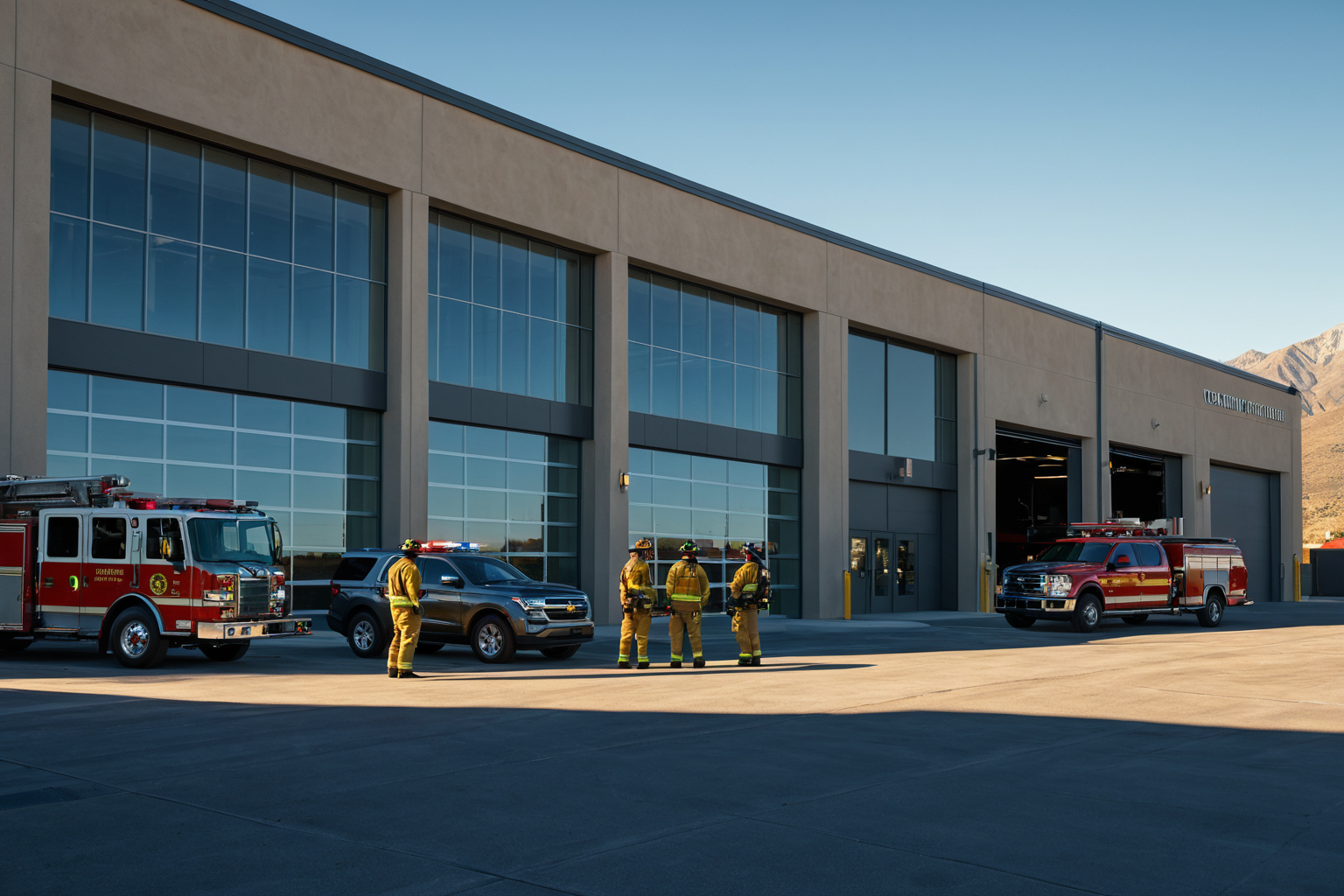
Fire Administration's Disaster Response Overhaul: Focused on Climate Change and AI Technology
The Fire Administration is comprehensively revising its disaster response system to adapt to climate change, with a focus on region-specific solutions and the integration of AI technology. Minister Lee Yang-min announced the comprehensive revision of the disaster response system adapted to climate change on July 26, 2023, which includes the introduction of advanced equipment and innovation in critical patient transportation systems, marking a paradigm shift.
This overhaul aims to establish a national-level integrated response system that transcends municipal and provincial boundaries during major disasters. The Fire Administration has announced specific plans to introduce 100 unmanned robots by April 27, 2026, and transition new firefighter training to be more practical-focused.
Establishing Region-Specific Disaster Response Systems
The Fire Administration is developing disaster response strategies tailored to regional characteristics. By July 22, 2025, it will fully revise the training system for new firefighters to address changing disaster environments, and has already conducted senior firefighter safety education at the Jeonbuk 119 Safety Experience Center. Gyeonggi Fire Station is actively expanding region-specific activities by intensifying spring fire prevention measures.
On February 3, 2026, Seoul Fire Department announced three strategic initiatives for building a disaster response system based on advanced technology. This resulted from selecting 30 outstanding achievements in national safety policies and on-site activities, followed by expanding public-private firefighter training to protect citizens' lives and safety during the initial stages of disasters.
Introduction of AI Technology and New Department
The Fire Administration established a new department called 'Fire AI Climate Crisis Response Division' on October 13, 2025, to advance its disaster response system using AI technology. This is a strategic move for preparing for future major disasters, with the 'Major Disaster' AI dedicated team beginning operations on October 12, 2025.
The government commenced an AI-based virtual integrated disaster management pilot project on July 22, 2025, and starting next year, new firefighter training will shift to a practical focus. Fire Administration Director Lee Yang-min emphasized the introduction of advanced equipment by announcing the goal of introducing 100 unmanned robots by April 27, 2026.
Strengthening Public-Private Cooperation and On-Site Capabilities
The Fire Administration is significantly expanding public-private firefighter training to protect citizens' lives and safety during the initial stages of disasters. On June 13, 2025, it conducted a check on ensuring citizen safety against heatwaves and natural disasters, which is part of a plan to strengthen on-site capabilities through region-specific educational activities.
It is also advancing measures for mobilizing fire response capabilities during major disasters and improving the quality of protective gear. On March 18, 2026, KT and the Fire Administration began designing an AX-based national disaster response system, which is being evaluated as another example of strengthening public-private cooperation.
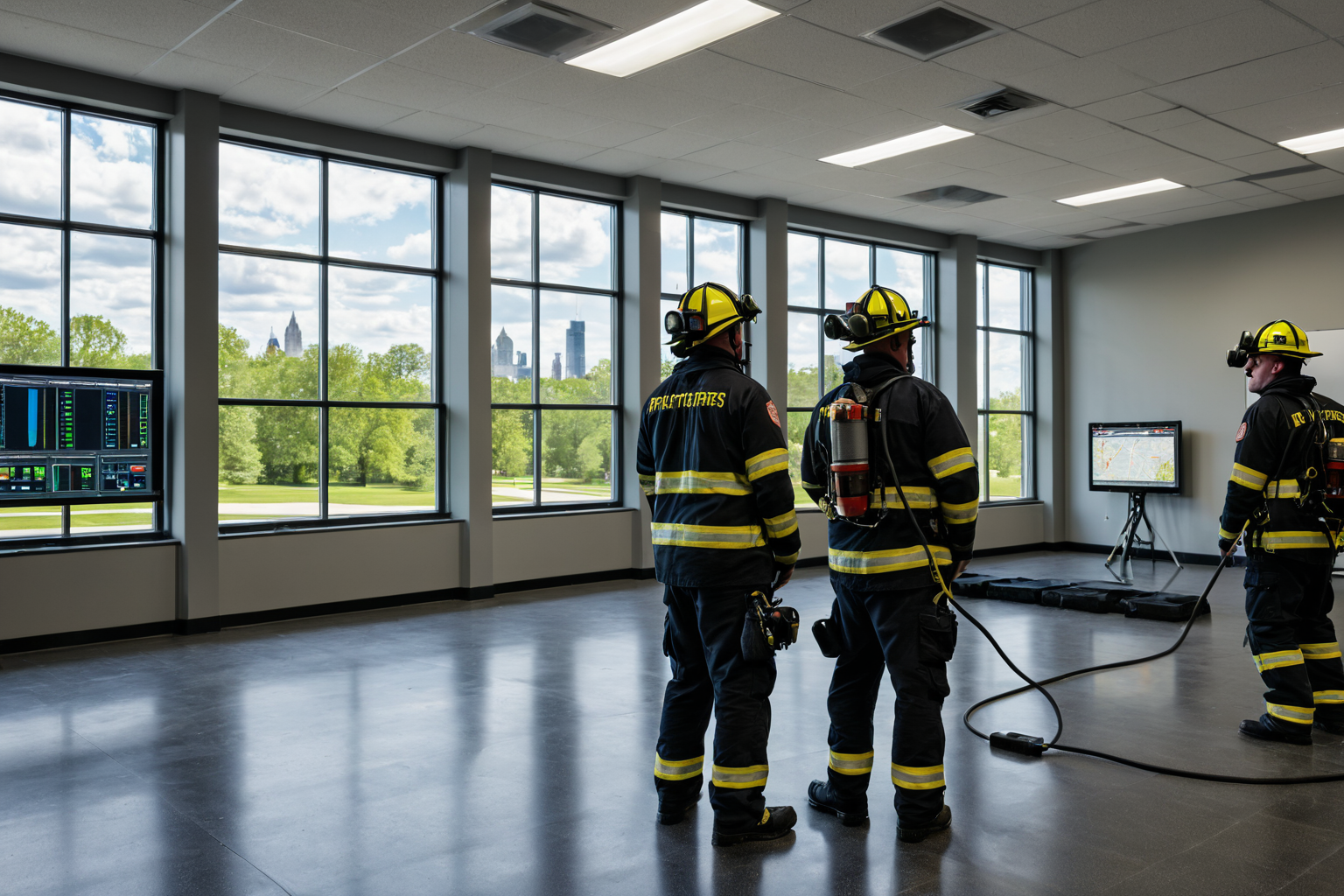
Issues in Wildfire Response System
A report on issues with Yeongdeok County's wildfire response system was mentioned in relation to the Fire Administration's emergency rescue system revision announced on August 21, 2023. This pointed out vulnerabilities in regional response systems during major disasters and is considered one of the factors that led the Fire Administration to comprehensively revise its disaster response system.
Integrated National Response System for Major Disasters
The Fire Administration plans to establish a national-level integrated response system that transcends municipal and provincial boundaries during major disasters. This was first proposed by Minister Lee Yang-min on July 26, 2023, and will be further detailed in the Fire Administration's paradigm shift announcement on April 27, 2026.
The Fire Administration has selected 30 outstanding achievements in national safety policies and on-site activities, which contribute to strengthening on-site capabilities through region-specific educational activities. In particular, the transition of new firefighter training to a practical focus is scheduled to be fully implemented starting in 2026.
Background for Establishing Fire AI Climate Crisis Response Division
The 'Fire AI Climate Crisis Response Division' was established by the Fire Administration on October 13, 2025, to address climate change, focusing on using AI technology to revise disaster management systems. The establishment of this department is evaluated as a strategic move for preparing for future major disasters, with the 'Major Disaster' AI dedicated team beginning operations from October 12, 2025.
The Fire Administration aims to strengthen its climate change-related disaster response system through science and technology focus. In particular, the AI-based virtual integrated disaster management pilot project began on July 22, 2025, and is currently ongoing, demonstrating the Fire Administration's commitment to enhancing disaster response capabilities through technological innovation.
Strengthening Public-Private Cooperation and Region-Specific Education
The Fire Administration has expanded public-private firefighter training to protect citizens' lives and safety during the initial stages of disasters. This has been actively pursued since June 2025, connecting with Seoul Fire Department's announcement of three strategic initiatives for building a technology-based disaster response system.
Senior firefighter safety education was conducted at the Jeonbuk 119 Safety Experience Center on February 7, 2026, and Gyeonggi Fire Station is intensifying spring fire prevention measures starting April 1, 2026. These region-specific activities demonstrate the Fire Administration's efforts to strengthen on-site capabilities.
Future Preparedness: Introduction of Unmanned Robots and Advanced Equipment
The Fire Administration announced a goal of introducing 100 unmanned robots by April 27, 2026. This focuses on expanding fire response capabilities and enabling rapid responses during major disasters. The introduction of advanced equipment is also being pursued alongside this initiative, with plans such as upgrading the emergency command center.
The collaboration between KT and the Fire Administration has led to the design of an AX-based national disaster response system. Starting March 18, 2026, this project aims to mobilize fire response capabilities during major disasters through public-private cooperation, connecting with improvements in protective gear quality.
Key Information to Verify
The Fire Administration's disaster response system overhaul is proceeding with region-specific strategies tailored to climate change and local characteristics. Starting from Minister Lee Yang-min's announcement, specific implementation plans such as AI technology adoption, introduction of 100 unmanned robots, and transition of new firefighter training to a practical focus have been established.
The establishment of the 'Fire AI Climate Crisis Response Division' is evaluated as a strategic move for preparing for future major disasters. The construction of an integrated national response system during major disasters is also being pursued as a key task, while strengthening on-site capabilities through public-private cooperation and region-specific educational activities.
Frequently Asked Questions
What is the Fire AI Climate Crisis Response Division?
The department established by the Fire Administration on October 13, 2025, to revise disaster response systems related to climate change using AI technology and prepare for future major disasters.
When will new firefighter training shift to a practical focus?
New firefighter training will shift to a practical focus starting next year (2026). According to the plan announced on July 21, 2025, it is scheduled to be implemented from 2026 onwards.
What does the collaboration between KT and Fire Administration involve?
KT and the Fire Administration began designing an AX-based national disaster response system on March 18, 2026. This aims to mobilize fire response capabilities during major disasters through public-private cooperation while improving protective gear quality.
Frequently Asked Questions
The Fire Administration's disaster response system overhaul is proceeding with region-specific strategies tailored to climate change and local characteristics. Starting from Minister Lee Yang-min's announcement, specific implementation plans such as AI technology adoption, introduction of 100 unmanned robots, and transition of new firefighter training to a practical focus have been established. In particular, the establishment of the 'Fire AI Climate Crisis Response Division' is evaluated as a strategic move for preparing for future major disasters.
The construction of an integrated national response system during major disasters is also being pursued as a key task, while strengthening on-site capabilities through public-private cooperation and region-specific educational activities. The Fire Administration expects to better protect citizen safety through these reforms.
You can view similar articles on this topic in one place.
View Related ArticlesFAQ
What is the Fire AI Climate Crisis Response Division?
The department established by the Fire Administration on October 13, 2025, to revise disaster response systems related to climate change using AI technology and prepare for future major disasters.
When will new firefighter training shift to a practical focus?
New firefighter training will shift to a practical focus starting next year (2026). According to the plan announced on July 21, 2025, it is scheduled to be implemented from 2026 onwards.
What does the collaboration between KT and Fire Administration involve?
KT and the Fire Administration began designing an AX-based national disaster response system on March 18, 2026. This aims to mobilize fire response capabilities during major disasters through public-private cooperation while improving protective gear quality.
Korean Source
This article is an English localization of a Korean-language report from BlogScore. Original: 소방청장, 재난 대응 체계 개편 방안: 지역별 맞춤형 대응 체계 구축