
South Korea's Defense Ministry Condemns North Korea Over Border Fortification and Landmine Explosion
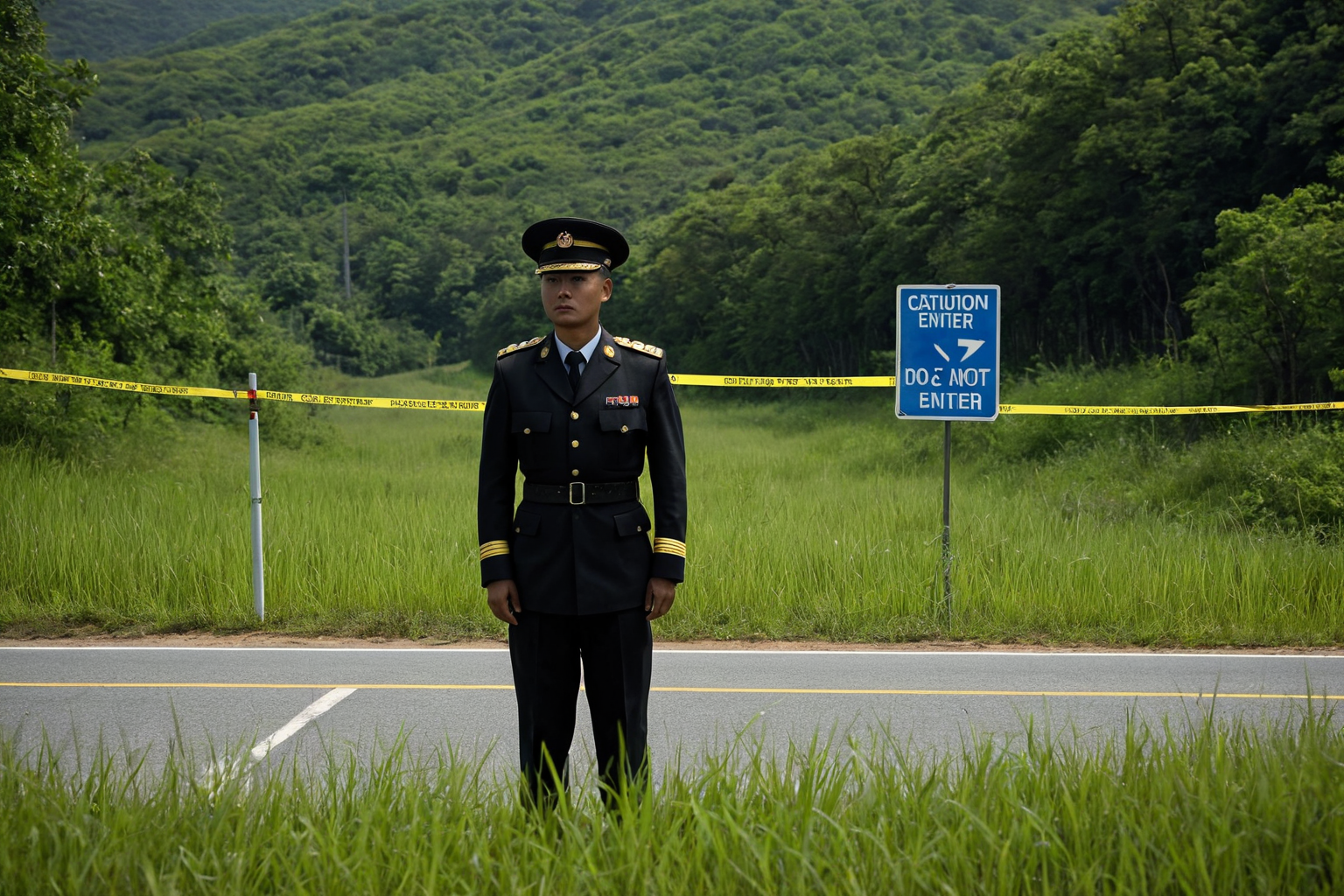
South Korea’s Defense Ministry: Official Statement on North Korean Border Fortification and Landmine Incident
The South Korean Ministry of National Defense and Joint Chiefs of Staff have classified North Korea’s border fortifications and a landmine explosion in the Demilitarized Zone (DMZ) as violations of the Armistice Agreement, demanding an immediate halt and apology. This was stated in a statement released on September 30, 2026, following reports that military personnel sustained serious injuries from the landmine.
The Ministry specified that North Korea’s actions violated Article 4 of the Armistice Agreement, which pertains to "peaceful cooperation," with the United Nations Command (UNC) also formally adopting this position. The incident occurred on the morning of September 29, 2026, when military personnel were injured in a landmine explosion within the DMZ.
Armistice Agreement Violation and North Korea’s Response
The Joint Chiefs of Staff classified the incident as an Armistice Agreement violation and demanded that North Korea cease border fortifications and offer an apology. This is confirmed in the statement released on September 30.
North Korea dismissed the reports as a "fabricated drama" and stated that it would hold North Korea accountable for future developments. The Democratic Party also classified the incident as an Armistice Agreement violation, urging a response.
Incident Details and Additional Landmine Discoveries
On the morning of September 29, 2026, military personnel were injured in a landmine explosion within the DMZ. On the same day, Democratic Party National Defense Committee member Kim Byung-joo confirmed that additional "North Korean anti-personnel mines" had been discovered during a briefing.
The 25th Division reported on the afternoon of September 29 that additional North Korean anti-personnel mines were found at the landmine explosion site in the DMZ. This suggests a strong indication of North Korea’s mine-laying activities, with the military estimating the explosion was caused by a North Korean mine.
Political Response and Delayed Reaction Concerns
While the Ministry of National Defense and Joint Chiefs began responding immediately after the incident, the ruling Democratic Party held a briefing in the afternoon of September 29, sparking concerns about delayed reaction. Representative Kang Sin-cheol classified the mine-laying as an Armistice Agreement violation, with the party labeling the incident as "North Korean provocation." However, while both parties expressed condemnation, there was debate over the speed of response.
UN Command and Military Further Actions
The United Nations Command also classified North Korea’s landmine explosion as a violation of the Armistice Agreement, demanding an apology and cessation of actions. This is confirmed in the official statement released on September 30.
The military stated it would hold North Korea accountable for all future developments, with the UNC planning to report to relevant bodies. This incident, classified as an Armistice Agreement violation, is expected to draw international attention.
Additional Investigation and Verification Procedures on Armistice Violation
The Ministry of National Defense and Joint Chiefs plan to conduct further investigations to clarify whether the Armistice Agreement was violated. They view this as a breach of Article 4, "peaceful cooperation," with the UNC also reviewing relevant measures.
It remains unclear when North Korea began laying mines or how it was done, necessitating additional investigation. The military is preparing legal procedures to hold North Korea accountable for confirmed landmine explosion incidents.
Safety Information and Precautions
The need for enhanced safety measures within the DMZ has been emphasized. The military plans to expedite mine removal operations in the DMZ, prioritizing the safety of both citizens and military personnel.
The Ministry is preparing international consultations to clarify whether the Armistice Agreement was violated, alongside further investigations into the incident site. This process aims to prove that North Korea’s actions violated international law and the Armistice Agreement.
Information to Verify and Further Investigation Needed
To date, the confirmed time of the incident is the morning of September 29, 2026, with injured personnel reported as military officers. However, specific details about the extent of injuries and medical treatment have not been disclosed.
It remains unclear when North Korea began laying mines or how it was done. The additional mines discovered were identified as "North Korean anti-personnel mines," which are expected to serve as critical evidence in determining whether an Armistice Agreement violation occurred.
Frequently Asked Questions
Q: Is North Korea’s landmine explosion a violation of the armistice agreement?
The military and UNC have classified North Korea’s mine-laying as a violation of the Armistice Agreement, viewing it as an act that breaches Article 4, "peaceful cooperation."
Q: How has North Korea responded?
North Korea dismissed the reports as a "fabricated drama," but the military and UNC have demanded an apology and cessation of actions.
Q: Have additional mines been found in the DMZ before?
The 25th Division reported on the afternoon of September 29, 2026, that additional North Korean anti-personnel mines were discovered at the landmine explosion site in the DMZ. This suggests a strong indication of North Korea’s mine-laying activities.
Frequently Asked Questions
The South Korean Ministry of National Defense and Joint Chiefs have classified North Korea’s border fortifications and landmine explosion as violations of the Armistice Agreement, demanding an immediate halt and apology. This was stated in a statement released on September 30, 2026.
North Korea dismissed the reports as a "fabricated drama," with the military stating it would hold North Korea accountable for future developments. The determination of whether an Armistice Agreement violation occurred will be clarified through further investigation and international consultation.
To prioritize the safety of citizens and military personnel, mine removal operations in the DMZ are expected to proceed swiftly. Legal procedures to prove that North Korea’s actions violated international law and the Armistice Agreement are also being prepared.
The issue of whether an Armistice Agreement violation occurred is expected to draw significant international attention, requiring further investigation and response. The military and UNC are reviewing additional measures against North Korea, with a need to establish clear factual evidence.
You can view similar articles on this topic in one place.
View Related ArticlesFAQ
Is North Korea’s landmine explosion a violation of the armistice agreement?
The military and UNC have classified North Korea’s mine-laying as a violation of the Armistice Agreement, viewing it as an act that breaches Article 4, "peaceful cooperation."
How has North Korea responded?
North Korea dismissed the reports as a "fabricated drama," but the military and UNC have demanded an apology and cessation of actions.
Have additional mines been found in the DMZ before?
The 25th Division reported on the afternoon of September 29, 2026, that additional North Korean anti-personnel mines were discovered at the landmine explosion site in the DMZ. This suggests a strong indication of North Korea’s mine-laying activities.
Korean Source
This article is an English localization of a Korean-language report from BlogScore. Original: 강현우 작전본부장 성명서 전체 내용: 현안 관련 주요 발표