
Why South Korea's Consumer Sentiment is Rebounding: Key Factors and Analysis
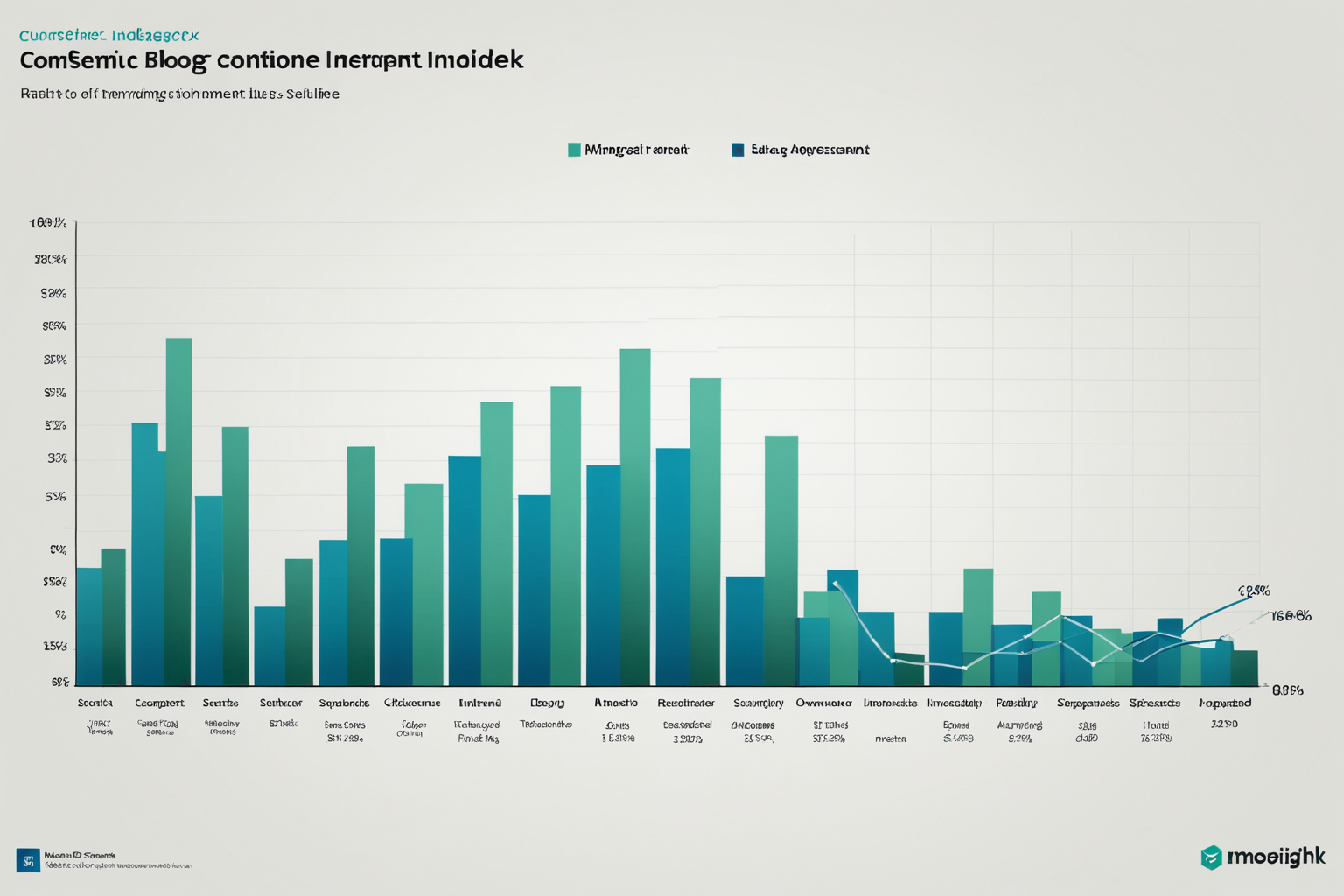
September Consumer Sentiment Index Rebound
The September CCSI (Consumer Sentiment Index) reached 106.6, rebounding within a month. This marks the highest level in eight years, with improved income expectations and anticipated wage increases cited as primary factors.
Recent Trends in Consumer Sentiment Index
In May, the consumer sentiment index stood at 106.1, showing the largest rebound in 11 months. This was attributed to a recovery in Jeju tourism numbers after four months and improved employment conditions lifting consumer confidence.
The September CCSI rose by 2.1 points from the previous month to 106.6. This marks its fourth consecutive monthly increase since May, with real economic growth and stable stock markets identified as key factors.
Key Drivers Behind the Consumer Sentiment Rebound
Improved income expectations emerged as a central factor in the sentiment rebound. The index saw two rebounds across May and September, reflecting growing economic confidence from anticipated wage increases and strong export performance.
The semiconductor industry's boom has driven stock market gains, positively impacting consumer sentiment. Notably, stock price rises of semiconductor-related companies in May and September contributed to increased asset values for consumers.
Export growth alongside expectations of rising interest rates and housing prices also influenced consumer sentiment. September reports indicated that improved economic outlooks from export performance positively affected consumers' future spending plans.
Regional Disparities in Consumer Sentiment
Consumer sentiment rebounded in the Chungcheong region, with regional variations evident. A May 25 report noted improvements in Chungcheong consumer sentiment, while Jeju saw partial recovery due to increased tourism and employment gains.
Conversely, Jeju's consumer sentiment remains at 97.8 points, reflecting a 'chilly' atmosphere as housing prices and inflation concerns persist. This indicates ongoing economic pressures felt by consumers in daily life.
Comparing Domestic and International Consumer Sentiment
In the U.S., the June Michigan Consumer Sentiment Index rose to 48.9, attributed to falling gasoline prices. However, cost-of-living concerns remain, with continued economic anxiety among consumers.
Korean and American sentiment indices were influenced by different factors: South Korea's rebound stemmed from export growth and semiconductor industry strength, while the U.S. saw a rebound due to lower gasoline prices.
Luxury Market Trends and Middle-Class Spending
Rising luxury goods prices have led to reduced spending among 60 million middle-class consumers. LVMH's market capitalization halved, with reports of declining market share for luxury brands.
Additionally, the trend of increased demand for low-cost vehicles during economic downturns has been observed. After hitting a historical low last year, compact car sales rebounded this year, reflecting growing consumer preference for cost-effective alternatives.
Events Impacting Consumer Sentiment
A May 27 report noted that export growth and holiday-related factors boosted consumer sentiment, with business confidence reaching its highest level in three years and seven months. However, the Middle East conflict led some sectors to anticipate a contraction in consumer sentiment.
The September 22 report analyzed improved income expectations and anticipated wage increases as key drivers behind the sentiment rebound. This represents an eight-year high in consumer sentiment, signaling economic recovery trends.
Consumer Sentiment Index and Economic Outlook
The September rebound in consumer sentiment has raised expectations of rising housing prices. However, concerns about housing costs and inflation continue to keep the perceived economy chilly.
A May 24 report noted that semiconductor and stock market trends contributed to the largest sentiment rebound in 11 months. This reflects positive impacts from both real economic growth and financial market improvements on consumer confidence.
September reports analyzed how export growth, alongside expectations of rising interest rates and housing prices, influenced consumer sentiment. This is interpreted as a result of improved economic outlooks leading consumers to view the future more optimistically.
Regional Variations in Consumer Sentiment
While consumer sentiment improved in regions like Chungcheong and Seoul, Jeju remains at 97.8 points, indicating 'chilly' conditions. This reflects regional economic differences, with employment and tourism demand serving as key factors.
The U.S. also saw a rebound in June consumer sentiment but continues to face cost-of-living pressures, highlighting common global economic challenges.
Consumer Sentiment Index and Business Confidence
A May 27 report noted that business confidence reached its highest level in three years and seven months. This indicates an improved business environment alongside the consumer sentiment rebound.
The September CCSI of 106.6 represents the highest level in eight years, with improved income expectations and anticipated wage increases cited as primary factors.
Key Information to Note
September CCSI (Consumer Sentiment Index): 106.6, rebounding within a month
May Consumer Sentiment Index: 106.1, largest rebound in 11 months
Jeju tourism numbers recovered after four months, with employment improvements lifting sentiment
U.S. Consumer Sentiment Index (June): 48.9, rebounded due to falling gasoline prices
Luxury price increases led to reduced spending among 60 million middle-class consumers; LVMH market cap halved
Frequently Asked Questions
How is the September Consumer Sentiment Index measured?
The CCSI (Consumer Sentiment Index) is calculated based on consumer surveys about economic outlook and purchasing plans. A score above 100 indicates positive sentiment, while below 100 suggests negative sentiment.
How did improved income expectations impact consumer sentiment?
Improved income expectations connected to anticipated wage increases fostered a more optimistic outlook on future earnings among consumers. This contributed to the rebound in consumer sentiment.
What are the differences between South Korea and U.S. Consumer Sentiment Indices?
Korea's recovery stemmed from export growth and semiconductor industry strength, while the U.S. saw a rebound due to lower gasoline prices. Both countries still face ongoing cost-of-living pressures.
FAQ
How is the September Consumer Sentiment Index measured?
The CCSI (Consumer Sentiment Index) is calculated based on consumer surveys about economic outlook and purchasing plans. A score above 100 indicates positive sentiment, while below 100 suggests negative sentiment.
How did improved income expectations impact consumer sentiment?
Improved income expectations connected to anticipated wage increases fostered a more optimistic outlook on future earnings among consumers. This contributed to the rebound in consumer sentiment.
What are the differences between South Korea and U.S. Consumer Sentiment Indices?
Korea's recovery stemmed from export growth and semiconductor industry strength, while the U.S. saw a rebound due to lower gasoline prices. Both countries still face ongoing cost-of-living pressures.
Korean Source
This article is an English localization of a Korean-language report from BlogScore. Original: 소비심리 반등의 원인과 소비자 심리 분석