
South Korea's AI Data Center Investment Landscape and Future Opportunities
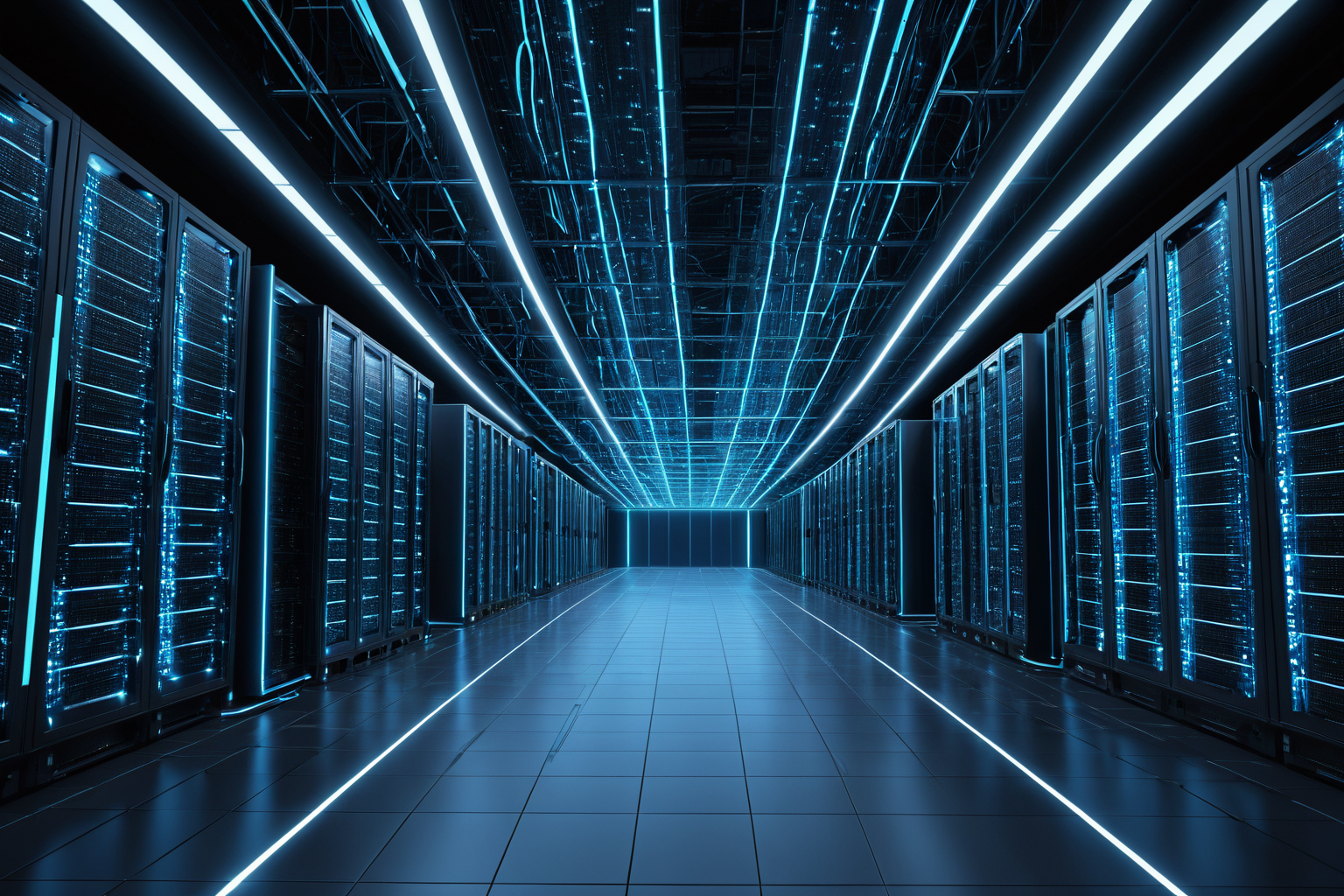
Interest in AI data centers is rapidly growing in South Korea as generative AI, large-scale machine learning models, and cloud services become mainstream, creating a need for stable infrastructure to handle these demands. Particularly, South Korea's integrated ecosystem of semiconductors, telecommunications, power, real estate, and cloud industries has fueled active discussions around AI data center investments.
This article simplifies the current state of AI data center investment in South Korea for beginners, exploring future opportunities. Rather than viewing it as a mere trend, we'll focus on why it's necessary, where capital is flowing, and what to watch out for—based on actual market dynamics.
Understanding Why AI Data Centers Matter Now
AI data centers are more than just storage facilities; they're specialized infrastructure designed for high-speed large-scale computation. Generative AI consumes significant power and server resources even for simple queries, requiring higher performance, cooling capabilities, and power supply compared to traditional data centers.
In simpler terms, if an AI service is the 'smart brain,' the data center functions as its 'heart and muscles.' Even with advanced AI models, insufficient computing capacity or power can degrade service quality. As a result, the scale of AI data center investments is increasingly seen as a benchmark for industrial competitiveness.
Power and Location Drive South Korea's AI Data Center Investments
South Korea's AI data center investments are closely tied to issues like Seoul metropolitan area concentration, power supply, and land acquisition. Companies are not only considering traditional IT infrastructure but also high-density facilities capable of housing large numbers of GPU servers. In this process, power contracts and cooling design have become critical factors.
South Korea benefits from well-established telecommunications infrastructure and a relatively strong semiconductor and server supply chain. However, large-scale AI data centers require substantial power, making site selection challenging. Some projects must evaluate power stability, cooling efficiency, and local acceptance simultaneously. For the latest updates, it's safest to refer to official announcements or institutional reports.
Clear Revenue Opportunities for Investors and Businesses
The revenue potential of AI data center investments extends beyond just building structures. Companies can monetize through server rentals, improved power and cooling efficiency, network services, managed cloud solutions, and specialized AI infrastructure provision. This makes data centers resemble a hybrid asset combining real estate, IT, and energy sectors.
For example, if a company rents out server space for AI model training, clients don't just buy rack space—they purchase stable power, fast networks, and GPU-optimized environments. Thus, South Korean AI data center investments should be understood as valuing 'performance and operational capability' over mere physical space.
How to Better Understand News About Data Centers
Beginners can better interpret AI data center news by checking four key factors: location (Seoul metropolitan area vs. regional), power supply method (direct contracts vs. long-term agreements), end users (major IT firms, finance, public sector, or AI startups), and construction approach (new build vs. retrofitting existing facilities).
For instance, when reading about an 'AI data center investment,' look beyond scale to assess GPU capacity, cooling methods, and power expansion plans. This helps determine whether a project is truly suited for AI workloads. Always verify the latest policies, power regulations, and regional permits through official channels.
Common Beginner Mistakes to Avoid
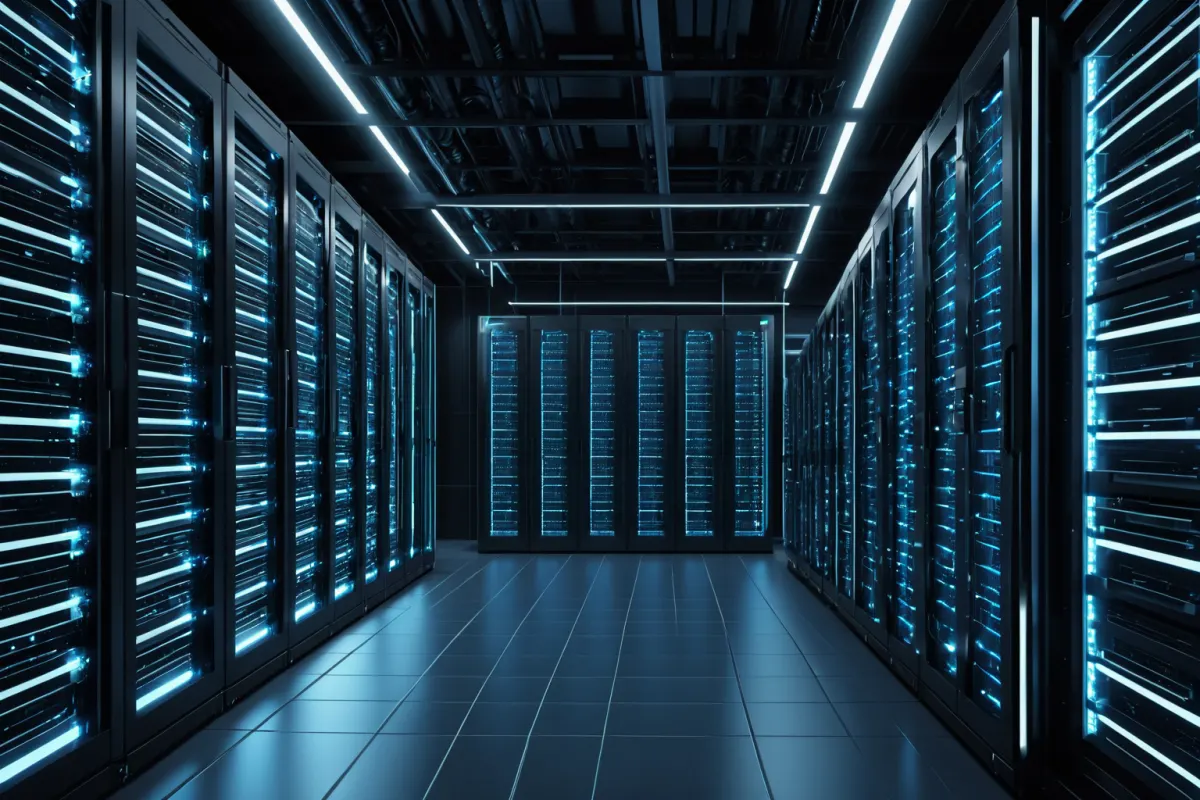
A common mistake is treating all data centers as equivalent. General server facilities differ from AI-specific ones in requirements: AI centers need higher power density, stronger cooling, and faster data transfer, leading to different investment cost structures.
Another error is assuming anything labeled 'AI-related' will automatically grow. In reality, projects can face delays due to power shortages or changes in site regulations and community acceptance. While global examples like Meta's or Google's AI data center investments offer insights, South Korea's unique grid infrastructure and land conditions mean direct comparisons aren't appropriate.
Lastly, some incorrectly link nuclear power investments directly to AI data centers. Nuclear may be discussed in power stability contexts, but individual projects don't necessarily connect directly to nuclear facilities. Avoid drawing conclusions based solely on headlines—always check actual business structures and contracts.
Future Opportunities Lie at the Intersection of Industries
The most promising opportunities for South Korea's AI data center investments arise from cross-industry collaboration rather than single-sector growth. Server manufacturing, semiconductors, telecommunications, power, cooling systems, construction, and cloud services must all grow together, fostering a collaborative ecosystem where one data center can spawn multiple related industries.
Looking ahead, beyond hyperscale centers, regional distributed facilities, industry-specific AI infrastructure, and energy-efficient models will likely gain attention. In South Korea's densely connected network environment, reducing latency through purpose-built designs may prove more competitive than simple large-scale expansion.
Key Takeaways for Simplified Investment Decisions
In summary, South Korea's AI data center investments present a structurally viable opportunity alongside rising AI demand. However, practical constraints like power availability, location, cooling systems, and permits are crucial—so focusing only on numbers can lead to misunderstandings. Beginners should prioritize 'where it's built,' 'how power is secured,' and 'who will use it' for clarity.
Also, since related news evolves quickly, developing a habit of checking reliable sources like government announcements or official company reports is essential. Ultimately, the best investment insights come from data showing real operational feasibility and sustained demand—not flashy language.
FAQ: Common Questions About AI Data Centers
Q1. Why are South Korea's AI data center investments gaining attention?
As AI services grow, computational demands have surged, requiring power and server infrastructure to handle them. South Korea's strong telecommunications and semiconductor foundations have increased interest in related investments.
Q2. How do AI data centers differ from general data centers?
AI data centers require higher power density, cooling capacity, and network speed for large-scale GPU operations—making their design and operation more demanding than traditional facilities.
Q3. What should I check first when reading about AI data center investments?
Focus on location, power supply method, and actual end users. For rapidly changing elements like policies or permits, always verify through official channels.
FAQ
Why are South Korea's AI data center investments gaining attention?
As AI services grow, computational demands have surged, requiring power and server infrastructure to handle them. South Korea's strong telecommunications and semiconductor foundations have increased interest in related investments.
How do AI data centers differ from general data centers?
AI data centers require higher power density, cooling capacity, and network speed for large-scale GPU operations—making their design and operation more demanding than traditional facilities.
What should I check first when reading about AI data center investments?
Focus on location, power supply method, and actual end users. For rapidly changing elements like policies or permits, always verify through official channels.
Korean Source
This article is an English localization of a Korean-language report from BlogScore. Original: 한국 AI 데이터센터 투자 현황과 앞으로의 기회 총정리