
South Korea's 8.13 Housing Policy: Boosting Supply and Raising Taxes
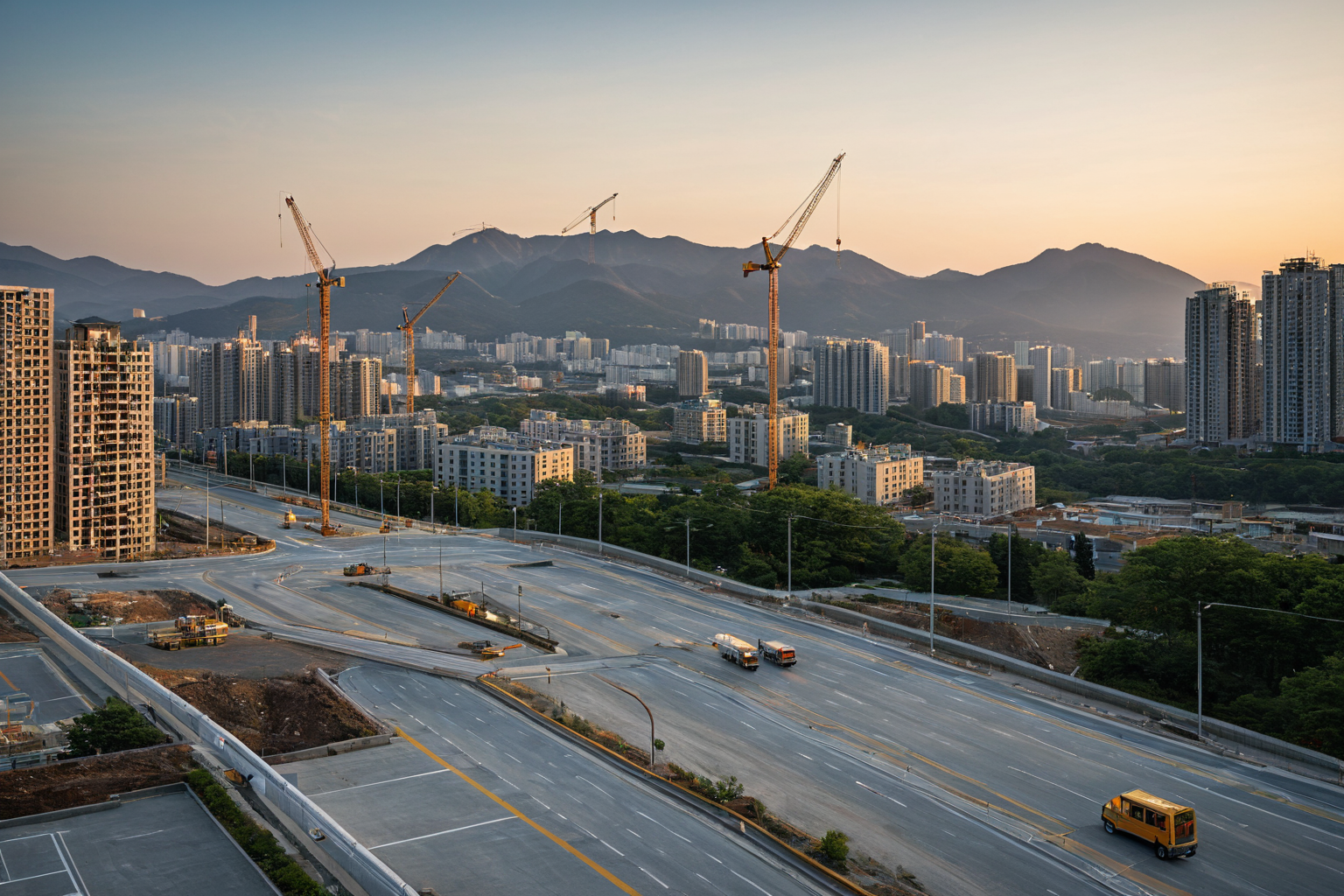
Key Points of the 8.13 Housing Policy
The government announced its '8.13 Housing Policy' on August 13, 2026, with measures including an additional supply of 230,000 housing units in the Seoul metropolitan area, support for young people's housing (for non-apartment properties under KRW 40 million), and stricter regulations on 'non-resident single-home ownership.' The policy aims to stabilize the real estate market after residential prices in Seoul rose by an average of 2.5% monthly over the past year, raising concerns about a bubble. The city of Seoul has expressed disagreement with the government's approach, citing insufficient prior consultation and opposition to using greenbelt areas for development.

Detailed Housing Supply Expansion Measures
The government plans to add 230,000 housing units in the Seoul metropolitan area, a key measure aimed at addressing rising demand and easing price increases. Specifically, 27,000 units have already been supplied in areas like Namyangju, with an additional 73,000 expected by year-end. This represents a significant increase compared to the average annual supply rate of 1.8% over the past five years in the Seoul region.
The young people's housing support program, dubbed 'Three-Set Package,' provides financial assistance for purchasing non-apartment properties priced under KRW 40 million. The government will offer up to a 20% subsidy and reduce loan interest rates by 1 percentage point. This initiative is seen as a practical measure to alleviate housing burdens on young people.
Stricter Regulations on 'Non-Resident Single-Home Ownership'
The policy strengthens regulations on 'non-resident single-home ownership,' meaning that if a person resides in a property for even one day, it will no longer be classified as such. Previously, properties owned but not occupied were taxed at lower rates, allowing some to avoid taxes. The new rule aims to reduce investment-oriented home ownership and promote a market centered on actual residents.
The regulation applies to properties registered after August 13, 2026, including those already classified as 'non-resident single-home ownership.' Some experts argue the measure may be excessive and that tax increases alone won't solve fundamental market issues.
Expansion of Total Loan Limits
The policy also includes doubling the total loan limit to increase financial system liquidity and reduce buyers' burden. However, some worry this could accelerate price rises. As of the end of 2025, bank residential loans totaled about KRW 15 trillion; doubling would allow KRW 30 trillion in lending.
Some critics have called the policy a 'numbers game to mislead citizens,' arguing that government actions focus more on numerical results than practical solutions. Despite ongoing price increases in Seoul—average apartment prices exceeded KRW 120 million as of July 2026, up about 4% from the previous year—the effectiveness of the measures remains questionable.
Consultation Between Seoul City and Government
Seoul City has stated it was not consulted in advance and is currently negotiating with the government. The city opposes using greenbelt areas for development, emphasizing environmental protection and improved living conditions. It claims the policy lacks key elements and fails to address important issues.
The government and opposition plan to discuss follow-up measures on August 18, 2026, aiming to refine the policy through dialogue. However, significant differences in views between Seoul City and the government suggest potential further conflicts, particularly regarding greenbelt development.
Response and Safety Information
The housing supply policy aims to foster a market centered on actual residents by easing burdens for young people and reducing investment-oriented home ownership through stricter regulations. However, expanding loan limits could increase liquidity and potentially accelerate price rises.
Experts emphasize the need for managing the market with a focus on real demand and suggest relaxing loan regulations while considering tax relief for actual residents to achieve better outcomes.
Key Information to Verify
With Seoul's housing prices continuing to rise after the policy announcement, questions remain about its effectiveness. The government has promised an additional 230,000 units in the Seoul metropolitan area, but whether the actual supply speed and scale will meet expectations is under scrutiny. Particularly, the current status and future plans for Namyangju's housing supply are critical to monitor.
Seoul City's opposition to using greenbelt areas conflicts with the government's policy, potentially affecting future housing supply plans in Seoul. Further consultation is needed, especially regarding solutions that balance environmental protection with improved living conditions.
Frequently Asked Questions
What does the young people's housing support program include?
The government provides up to a 20% subsidy and reduces loan interest rates by 1 percentage point for purchasing non-apartment properties priced under KRW 40 million.
What is the meaning of stricter regulations on 'non-resident single-home ownership'?
If a person resides in a property for even one day, it will no longer be classified as 'non-resident single-home ownership.' This rule applies to properties registered after August 13, 2026.
What effects could expanding total loan limits have?
Doubling the total loan limit aims to increase financial system liquidity and reduce buyers' burden. However, it may accelerate price rises, so caution is advised.
You can view similar articles in one place.
View Related ArticlesFAQ
What does the young people's housing support program include?
The government provides up to a 20% subsidy and reduces loan interest rates by 1 percentage point for purchasing non-apartment properties priced under KRW 40 million.
What is the meaning of stricter regulations on 'non-resident single-home ownership'?
If a person resides in a property for even one day, it will no longer be classified as 'non-resident single-home ownership.' This rule applies to properties registered after August 13, 2026.
What effects could expanding total loan limits have?
Doubling the total loan limit aims to increase financial system liquidity and reduce buyers' burden. However, it may accelerate price rises, so caution is advised.
Korean Source
This article is an English localization of a Korean-language report from BlogScore. Original: 8.13 부동산 대책 발표, 주택 공급 확대와 세금 인상 내용 확인