
Son Seung-won's Appeal Verdict for Repeated Drunk Driving: Key Points
Son Seung-won's Appeal Verdict: Key Points
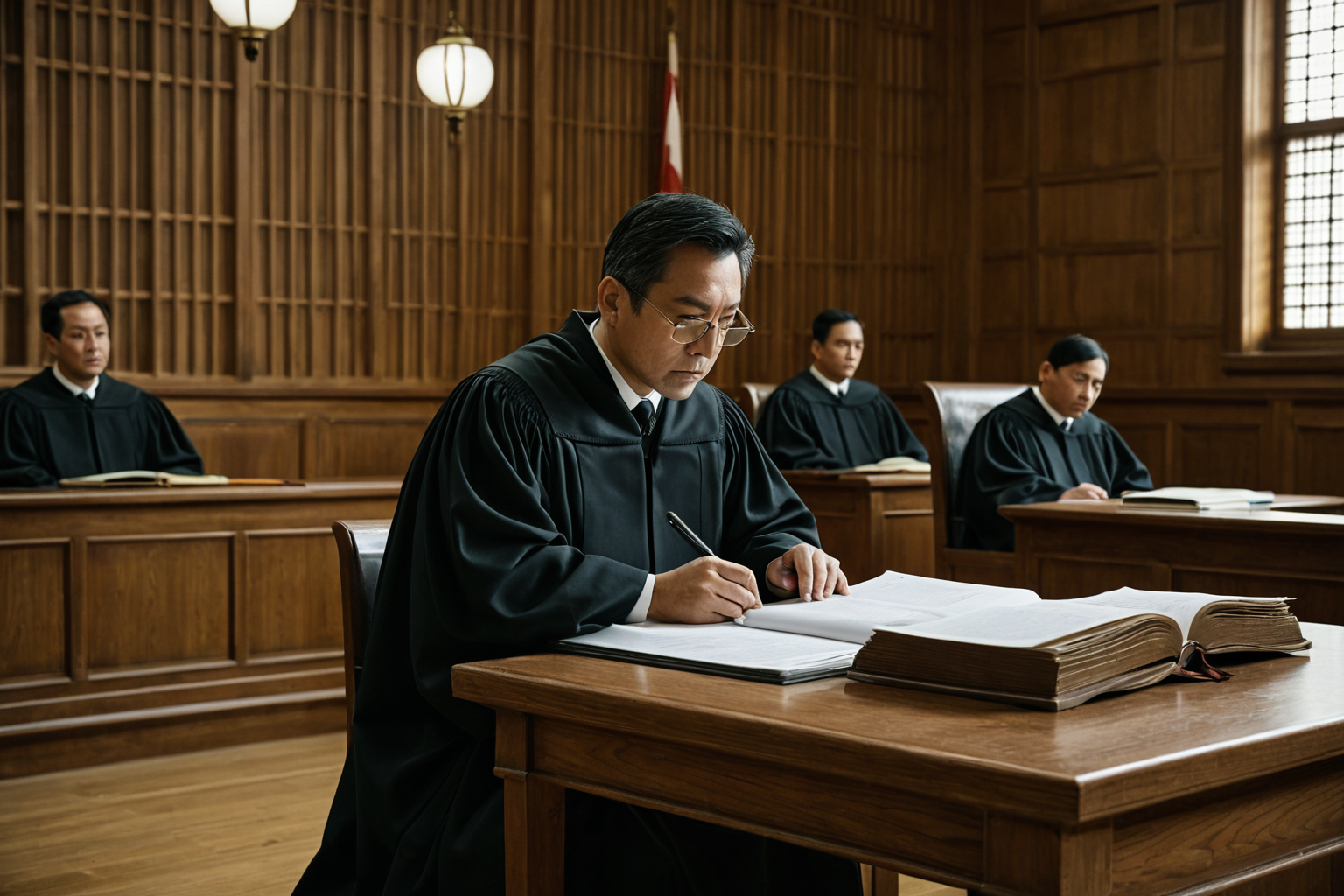
Actor Son Seung-won was sentenced to two years in prison on appeal for five drunk driving offenses. The initial sentence was one year, but the prosecution appealed, doubling the sentence.
Summary of Key Facts in the Drunk Driving Case
Son Seung-won faced charges for five instances of drunk driving. While the original trial sentenced him to one year, the prosecution requested a sentence closer to four years and appealed the decision.
During the appeal hearing, Son expressed remorse, saying he would never repeat his mistake, and made comments suggesting he wanted others to drive in his place. This statement was interpreted as acknowledging responsibility for his actions while also shifting blame onto others, sparking debate over whether it reflected genuine remorse or an attempt to deflect accountability.
Case Timeline and Trial Process
On June 17, 2026, Son Seung-won was initially sentenced to one year in prison for five drunk driving offenses. The prosecution announced its intention to appeal the ruling that same day. On July 10, news of his appeal hearing was reported.
During the first hearing on July 23, it was revealed that Son made a statement asking others to drive instead of him. This comment, made in court, was seen as an acknowledgment of responsibility while also suggesting he wanted someone else to take the blame for his actions. The remark drew significant public and media attention, highlighting how courtroom statements can influence societal reactions.
The appeal verdict was issued on August 13, 2026, sentencing him to two years in prison. This is lower than the prosecution's requested four-year sentence but double the original one-year term. The court stated that while strict punishment was necessary for repeated drunk driving offenses, Son's remorse and acknowledgment of responsibility were considered in determining the sentence.
Verdict Analysis and Reasoning
Son Seung-won's case involved five serious violations, which typically warrant severe penalties. The prosecution had requested a four-year sentence, but the appeal court decided on a lower term within that range.
His expressions of remorse, including stating he would not repeat his mistake, likely influenced the verdict. Additionally, Son accepted the sentence and withdrew his appeal during the hearing, which was viewed as genuine contrition and contributed to a more lenient outcome.
The repeated nature of the offense—five instances—was taken seriously by the court, underscoring that such behavior leads to strict legal consequences. Despite the prosecution's appeal, the sentence fell below the requested term, suggesting Son's remorse and responsibility were partially reflected in the ruling. This case has been noted as a rare example where courts considered a defendant's attitude alongside repeated violations.
Safety Information and Response Measures
Drunk driving poses a serious threat to life and safety, often resulting in legal penalties and social condemnation. To prevent drunk driving, individuals should avoid alcohol before driving and use alternatives like taxi services or designated drivers.
As highlighted by Son Seung-won's case, even one instance of drunk driving can lead to significant legal consequences, with repeated offenses attracting harsher punishments. Awareness of this fact is crucial for prevention.
Drunk driving cannot be resolved solely through sentencing; it requires a societal commitment to safety and personal responsibility. Both drivers and pedestrians must remain vigilant about the dangers of drunk driving to foster a safer transportation environment. Government policies aimed at preventing drunk driving should also continue to strengthen, as emphasized by this case.
Key Information and Additional References
Son Seung-won's case involved five instances of drunk driving leading to prosecution. This is classified as a serious offense compared to single incidents, resulting in significantly stricter legal consequences.
The original sentence was one year, but the appeal increased it to two years due to the prosecution's appeal. This reflects a harsher penalty than the initial ruling.
During the appeal hearing, Son expressed remorse by saying he would not repeat his mistake and made comments about wanting others to drive for him. These statements were interpreted as reflecting both accountability and an attempt to shift blame onto others.
The case has sparked a broader societal discussion on drunk driving, particularly regarding how repeated offenses are legally addressed alongside the defendant's attitude during court proceedings.
The court emphasized that repeated drunk driving is taken seriously, with five or more instances leading to strict penalties. This ruling may set a precedent for future similar cases.
Frequently Asked Questions
Son Seung-won was prosecuted for five drunk driving offenses and sentenced to two years on appeal, doubling the original one-year sentence. The prosecution's appeal led to this increased penalty.
During court proceedings, Son expressed remorse by stating he would not repeat his mistake, and made comments suggesting he wanted others to drive instead of him. This was interpreted as both acknowledging responsibility and attempting to deflect blame onto others.
The prosecution requested a four-year sentence, but the appeal verdict set it at two years—double the original one-year term but below the requested amount.
You can find similar articles all in one place.
View Related ArticlesFAQ
What was Son Seung-won's sentence for drunk driving?
Son Seung-won received a two-year prison sentence on appeal for five drunk driving offenses, double the original one-year term.
Why did the prosecution appeal the initial sentence?
The prosecution appealed because they requested a four-year sentence but only received one year initially, seeking harsher punishment.
What statement did Son Seung-won make in court?
He said he would never repeat his mistake and asked others to drive instead of him, which sparked debate over whether it showed genuine remorse or shifted blame.
Korean Source
This article is an English localization of a Korean-language report from BlogScore. Original: 손승원 음주운전 항소심 판결문 주요 내용 요약