
Small Bathroom Interior Design Styles: Can You Make a Tiny Space Look Great?
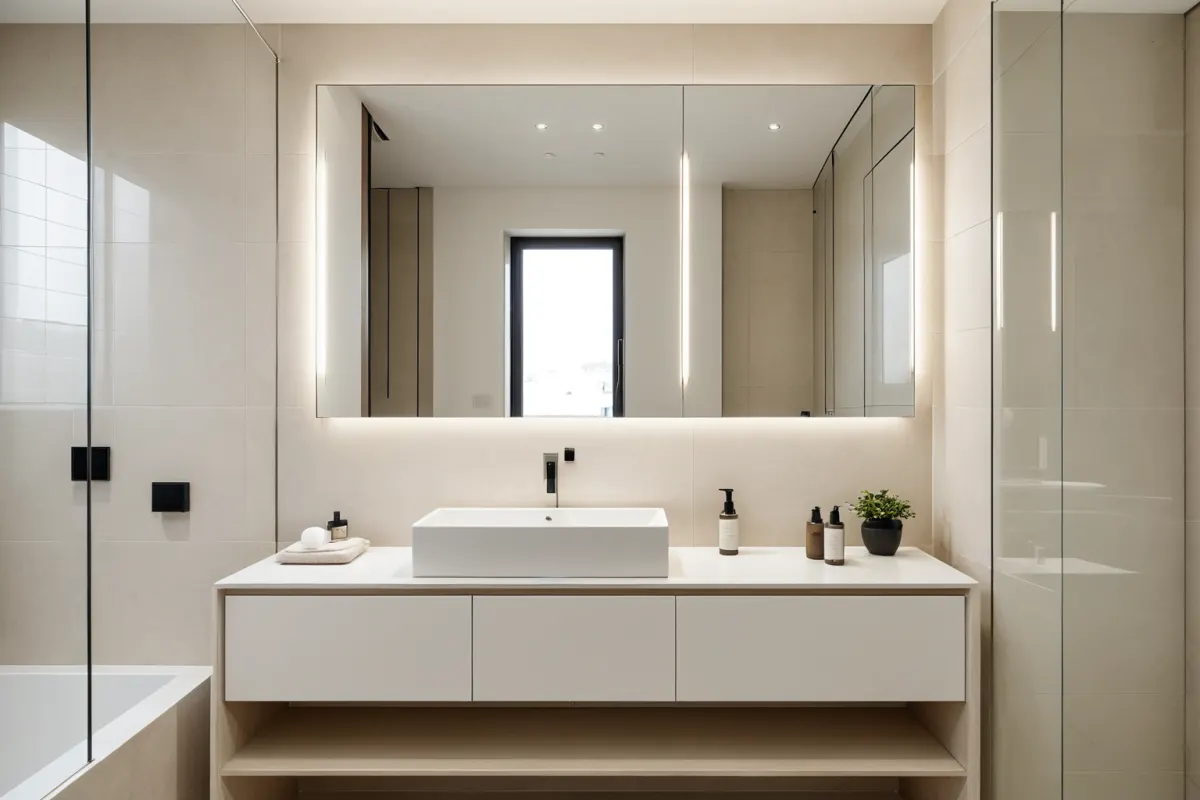
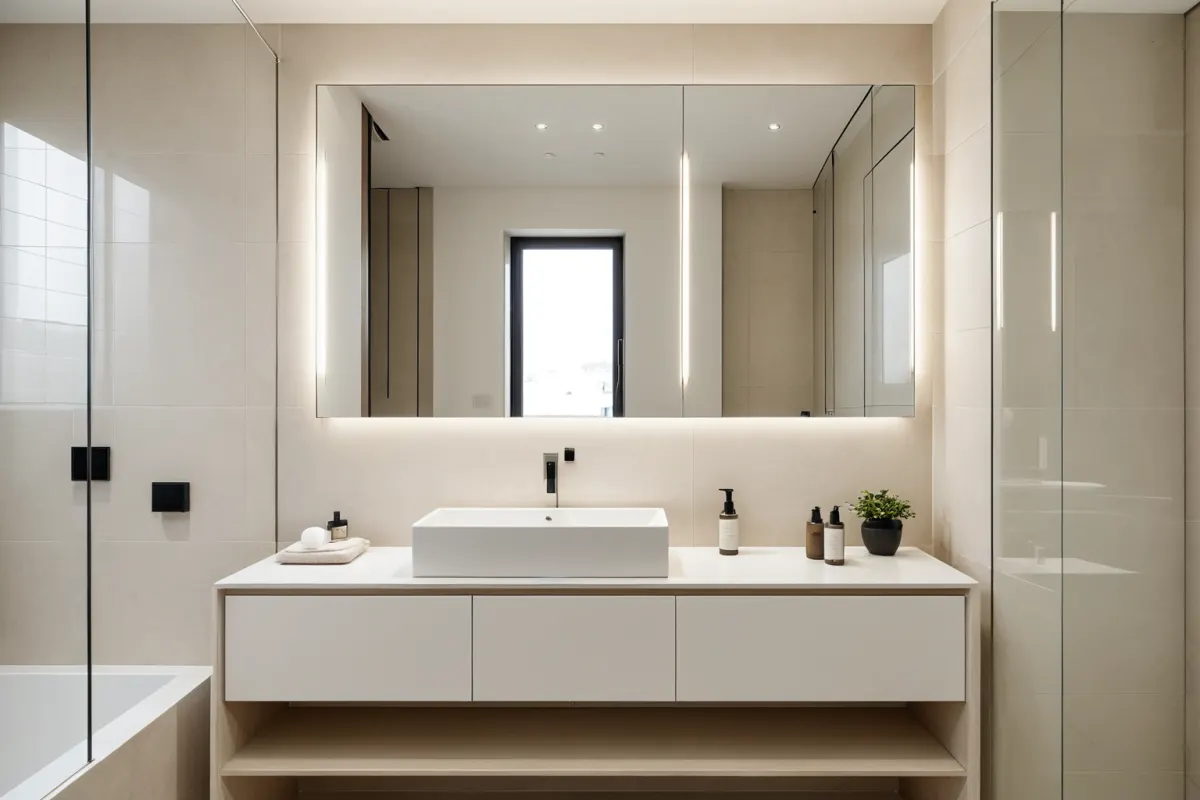
You can make even a small bathroom look beautiful and practical. The key is choosing colors that create the illusion of space, minimizing clutter, and using materials resistant to moisture and stains. For compact bathrooms, layout and finishing matter more than style—so if you follow this order, you'll likely be very satisfied.
Especially in studio apartments, older apartment buildings, or office-style residences where bathrooms are small, it's more important that the space is convenient for daily use rather than just looking stylish. For example, pretty tiles might become inconvenient if they're hard to maintain or cause water splashes.
Best Styles for Small Bathrooms
Minimalist, hotel-style, and natural tones work especially well in small bathrooms. A unified color scheme makes the space feel larger than it is compared to busy patterns.
A minimalist style uses light, clean colors like white, gray, or beige as a base, with simple handles and faucets. Hotel-style designs use marble-like tiles or glossy finishes for a polished look. Natural styles incorporate subtle wood tones to create a calm atmosphere.
For example, in a 1-tsubo (about 3 square feet) bathroom, using light-colored tiles on the walls and slip-resistant tiles on the floor with a large rectangular mirror can make the space feel less cramped. On the other hand, covering all walls with dark tiles might make the area feel even smaller.
You can find similar articles in one place.
View Related ArticlesWhat to Change First in a Small Space
The biggest visual impact in a small bathroom comes from the sink, mirror, and lighting. These three elements largely determine how spacious and organized the room feels.
Sinks should not be too deep, and lower cabinets are easier to maintain with slim designs rather than large doors. Mirrors with a vertical shape help draw the eye upward, making the space feel taller. Lighting that combines bright white tones with yellow light looks cleaner than using only warm yellow lighting alone.
Storage isn't about adding more—it's about keeping only what you need. In small spaces, it's better to keep essentials visible rather than hiding them away. For example, store toiletries and tissues in one compartment, and move rarely used items outside the bathroom.
Choosing Tiles and Finishes
Tiles are functional first in bathroom design—they must handle moisture, prevent slips, resist stains, and be easy to clean around grout lines.
Floor tiles should have slip-resistant properties for safety, while wall finishes should be smooth enough to clean easily. Small tiles with many grout lines may look pretty but require more maintenance, so mid-sized tiles are often a better choice for busy households.
For example, using light beige walls and matching floor tiles creates the illusion of one large space, making it feel bigger. Using contrasting wall and floor colors can make the room feel smaller by breaking up the area into too many sections.
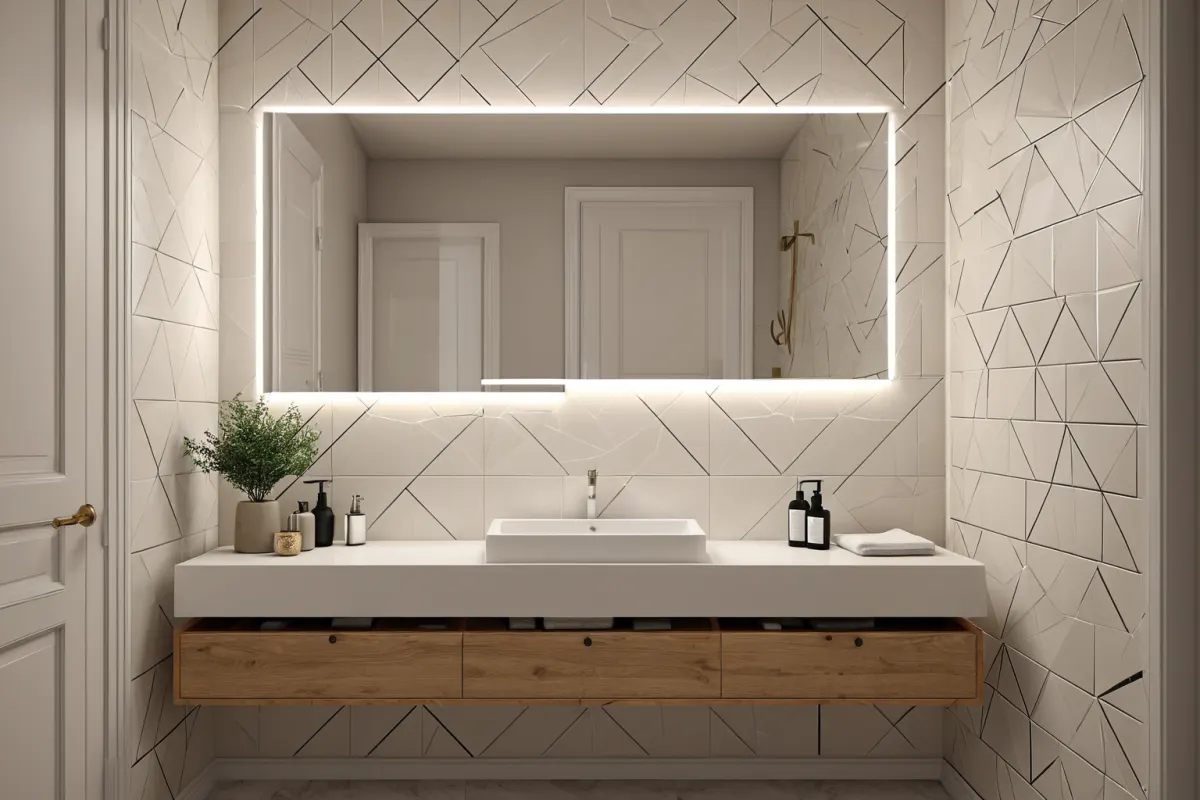
Smart Storage Layouts for Small Bathrooms
In small bathrooms, it's more effective to simplify storage rather than add more. Instead of installing a large cabinet, keep frequently used items within easy reach.
Wall-mounted shelves or mirror cabinets use space efficiently without taking up floor area. Floor-level shelves can make cleaning harder, so they should be minimized unless absolutely necessary.
For example, store toothbrushes, toothpaste, and skincare products inside the mirror cabinet, and hang towels on hooks behind doors or on wall brackets for a cleaner look. This also reduces water buildup and makes cleaning faster.
Why Bathroom Renovation Costs Vary
Bathroom renovation costs depend more on demolition scope and material choices than square footage. Even with the same size, costs can vary based on how much plumbing, waterproofing, or tile replacement is needed.
If existing pipes are in good condition and only tiles and fixtures need replacing, it's a simpler job. But if there's evidence of leaks or additional waterproofing is required, more work is involved. Upgrading faucets, mirrors, lighting, and storage adds to the cost.
Before consulting with contractors, gather 2-3 style photos that reflect your preferences—like "light overall, minimal storage, black accents on the faucet." This makes comparing quotes much easier.
When You Need Temporary Bathrooms
Besides home renovations, temporary bathrooms like portable or mobile units may be needed for construction sites or outdoor events. In these cases, setup location, hygiene maintenance, and mobility matter more than aesthetics.
If you're considering renting a temporary bathroom, check factors like the number of users, duration of use, and water supply availability first. While high-end models with smart features exist, maintaining cleanliness should be your priority on-site.
Portable bathrooms offer flexible placement and are very practical for events or temporary spaces. However, if ventilation and cleaning schedules aren't maintained, discomfort can arise quickly—so plan for both installation and ongoing care.
Key Checkpoints to Avoid Mistakes
In small bathrooms, it's easy to regret decisions made based only on how they look in photos. In reality, ease of cleaning and moisture management are much more noticeable during daily use.
Be sure to check floor slope for drainage, door swing direction, ventilation fan performance, and whether water drains properly after showering. For example, if a door hits the sink or water pools after a shower, even a beautiful design won't feel satisfying.
If sliding doors are possible, they can help maximize space; otherwise, leave extra room in front of doors for better flow. Checking these details before construction reduces the need for costly post-renovation fixes.
Why Small Spaces Can Still Feel Great
Bathroom design can make a small space feel significantly larger and cleaner with the right color schemes, lighting, storage, and materials—even if the size remains unchanged.
The key is choosing a style that fits your home's structure rather than chasing trends. Starting with easy-to-maintain features ensures long-term satisfaction in this daily-use space.
FAQ
Q1. What color works best for small bathrooms?
Light white, light gray, and beige tones are the safest choices. They make the room feel larger and maintain a clean appearance after cleaning.
Q2. How can I reduce bathroom renovation costs?
First check demolition scope and plumbing condition. Replacing fixtures like tiles and faucets alone often creates a noticeable change in atmosphere.
Q3. What's the least regrettable choice for bathroom design?
Slip-resistant floors, easy-to-clean wall finishes, and sufficient lighting are the top choices. These features matter more over time than aesthetics.
Continue exploring similar topics.
View Category ArticlesFAQ
What color works best for small bathrooms?
Light white, light gray, and beige tones are the safest choices. They make the room feel larger and maintain a clean appearance after cleaning.
How can I reduce bathroom renovation costs?
First check demolition scope and plumbing condition. Replacing fixtures like tiles and faucets alone often creates a noticeable change in atmosphere.
What's the least regrettable choice for bathroom design?
Slip-resistant floors, easy-to-clean wall finishes, and sufficient lighting are the top choices. These features matter more over time than aesthetics.
Korean Source
This article is an English localization of a Korean-language report from BlogScore. Original: 화장실 인테리어 스타일별 추천: 작은 공간도 가능할까?