
Slowing Aging: New Research on Diet and Exercise Combinations
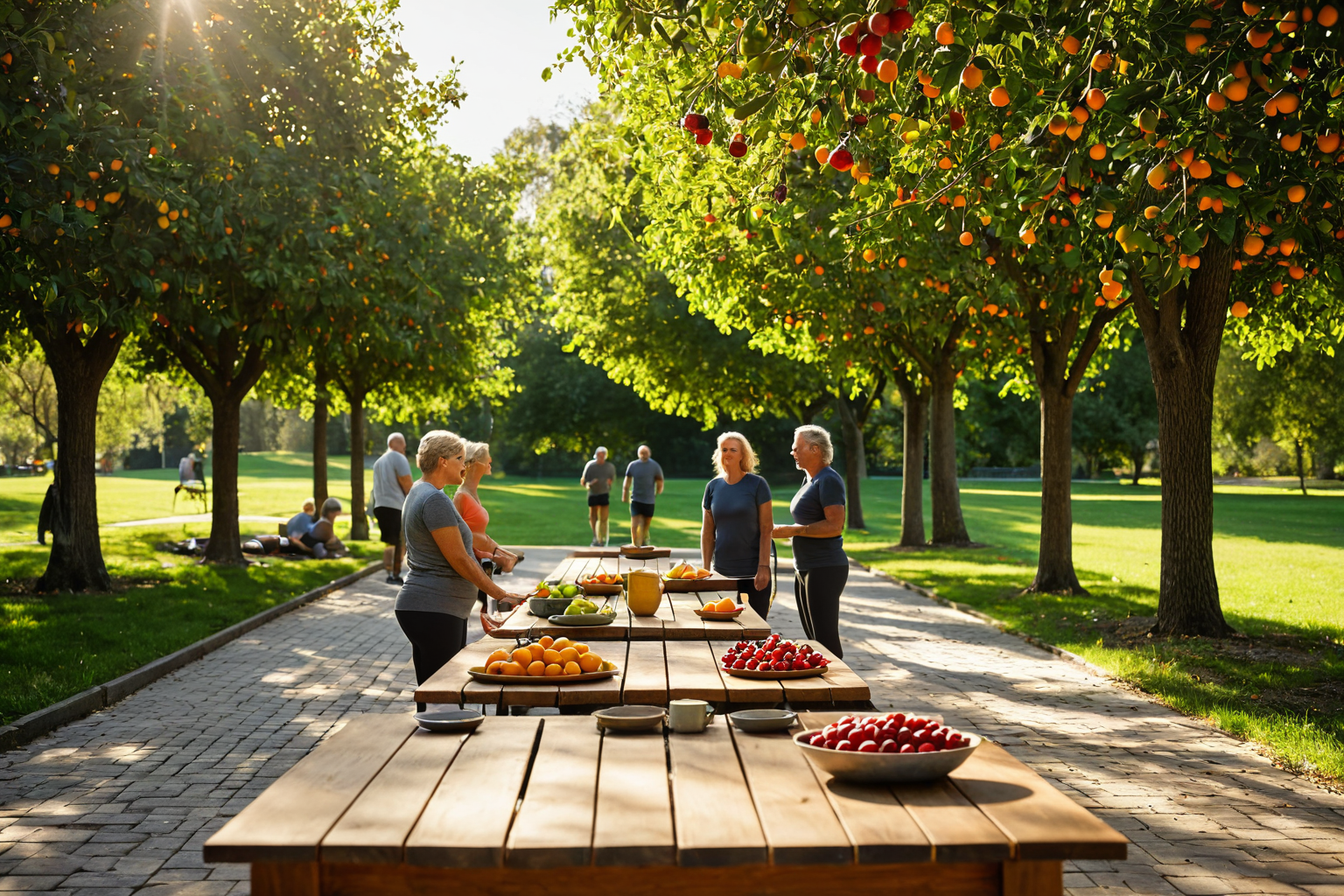
Recent research shows that combining a 'mind diet,' learning a foreign language, 150 minutes of weekly aerobic exercise, and two strength training sessions per week can effectively delay brain aging. Daily consumption of one serving of fruit and one cup of coffee may reduce cellular aging risks by half, while a brain-protective diet stronger than the Mediterranean style has also been proposed.
Key Factors for Delaying Brain Aging
According to Professor Jeong Hee-won from Seoul Asan Hospital's 'Slow Aging' research, brain aging can be improved through 150 minutes of weekly aerobic exercise. This isn't just about physical health but also directly impacts cognitive function maintenance and dementia prevention. Notably, learning a foreign language may make the brain appear up to 13 years younger, according to some studies.
The Gyeongsang National University's 12-week Slow Aging program involved 40 elderly participants in Jinju, combining the 'Mind Diet' with foreign language learning and regular exercise. Cognitive function improvements were measured after the program ended, demonstrating practical benefits for slowing aging progression.
Combined Effects of Diet and Exercise
A study reported by CareU News found that consuming one serving of fruit and one cup of coffee daily can reduce cellular aging risks by half. This is an easy-to-implement method, as it only requires adding these items to your regular diet.
Seoul Metropolitan Government's 'Slow Aging Lifestyle Tips' emphasizes maintaining certain habits before 9 a.m. for delayed aging, suggesting that regular sleep patterns and morning activities positively impact brain function maintenance.
Two strength training sessions per week help slow aging by preserving muscle mass, which is especially important for those over 50, as muscle loss can accelerate the aging process.
Reducing Aging Inflammation and Improving Eye Aging
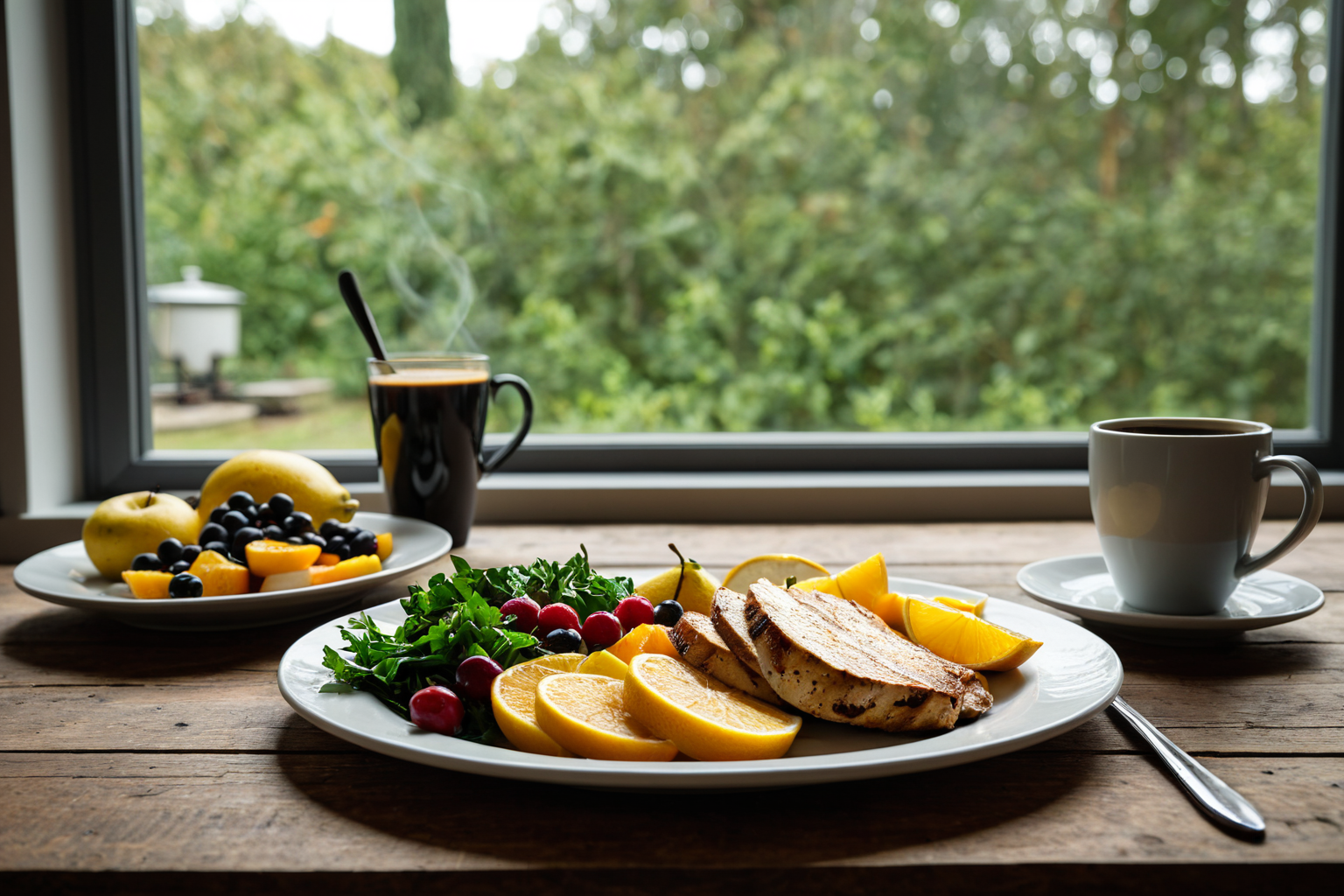
Reducing sugar intake may help decrease aging-related inflammation. A study reported by Hidoc found that lowering sugar consumption reduces age-related inflammatory responses, showing that simply cutting down on sugar can have positive health effects.
Improving eye aging can be achieved within two weeks through lifestyle changes. This means combining regular exercise, dietary adjustments, and sufficient sleep to see results, with specific nutrients for eye health being essential alongside these habits.
A More Powerful Brain Aging Prevention Diet Than Mediterranean
Recent research has proposed a brain aging prevention diet stronger than the Mediterranean style. Known as the 'Mind Diet,' it features a balanced intake of fruits, vegetables, protein, and healthy fats. The combination of coffee and fruit is particularly noted for contributing to reduced cellular aging risks.
Professor Chang Il-young from Sungkyunkwan University emphasized in his 'Reverse Aging Solutions' that improving health in old age requires comprehensive approaches beyond just diet or exercise.
Results of the Slow Aging Program
Seoul Asan Hospital's 'Slow Aging' research, reported by Nongmin Sinmun on April 16, 2025, confirmed that the program positively impacted cognitive function and physical health in elderly participants.
The 12-week Slow Aging program conducted by Gyeongsang National University graduate students with 40 elderly Jinju residents concluded on July 30, 2026. The program combined the 'Mind Diet' with foreign language learning and regular exercise, measuring cognitive function improvements among participants.
Eight Nutrients That Help Prevent Aging
Eight nutrients are particularly effective for preventing aging, including antioxidants, vitamins, and minerals—especially omega-3 fatty acids and polyphenols. These nutrients help slow cellular aging and reduce inflammation.
Seoul Metropolitan Government's Slow Aging Lifestyle Tips recommends incorporating these nutrient-rich foods into daily meals, suggesting easy ways to include them, such as starting the day with one serving of fruit and a cup of coffee.
Important Information to Verify
The current research findings are mostly reported as 'confirmed facts,' especially regarding how consuming one serving of fruit and one cup of coffee daily can halve cellular aging risks, which has been consistently reported across multiple sources. However, the two-week lifestyle improvement effect on eye aging was observed only in some studies, with potential individual variations.
The link between reduced sugar intake and decreased aging-related inflammation has also been suggested by some studies but requires further review. Therefore, it's advisable to monitor this area closely until more research results become available.
Frequently Asked Questions
How much exercise is needed for brain aging delay?
150 minutes of weekly aerobic exercise is recommended, along with two strength training sessions per week.
Which source reported that daily fruit and coffee consumption halves cellular aging risks?
The CareU News study published on May 13, 2026.
Where was the Slow Aging program conducted?
The Gyeongsang National University graduate students completed a 12-week program with 40 elderly Jinju residents as of July 30, 2026.
Frequently Asked Questions
To slow aging progression, combining the 'Mind Diet,' foreign language learning, and regular exercise is essential. Daily consumption of one serving of fruit and a cup of coffee may halve cellular aging risks, while 150 minutes of weekly aerobic exercise and two strength training sessions per week are effective. These habits not only improve health but also support brain function maintenance and dementia prevention.
Further research is expected to refine these anti-aging strategies, so starting regular exercise and dietary adjustments now can help prepare for a healthier elderly future.
You can view similar articles on this topic in one place.
View Related ArticlesFAQ
How much exercise is needed for brain aging delay?
150 minutes of weekly aerobic exercise is recommended, along with two strength training sessions per week.
Which source reported that daily fruit and coffee consumption halves cellular aging risks?
The CareU News study published on May 13, 2026.
Where was the Slow Aging program conducted?
The Gyeongsang National University graduate students completed a 12-week program with 40 elderly Jinju residents as of July 30, 2026.
Korean Source
This article is an English localization of a Korean-language report from BlogScore. Original: 노화 진행 속도를 늦추는 최신 연구: 운동과 식단 조합