
SK Hynix Memory Chips: How They Differ from Competitors
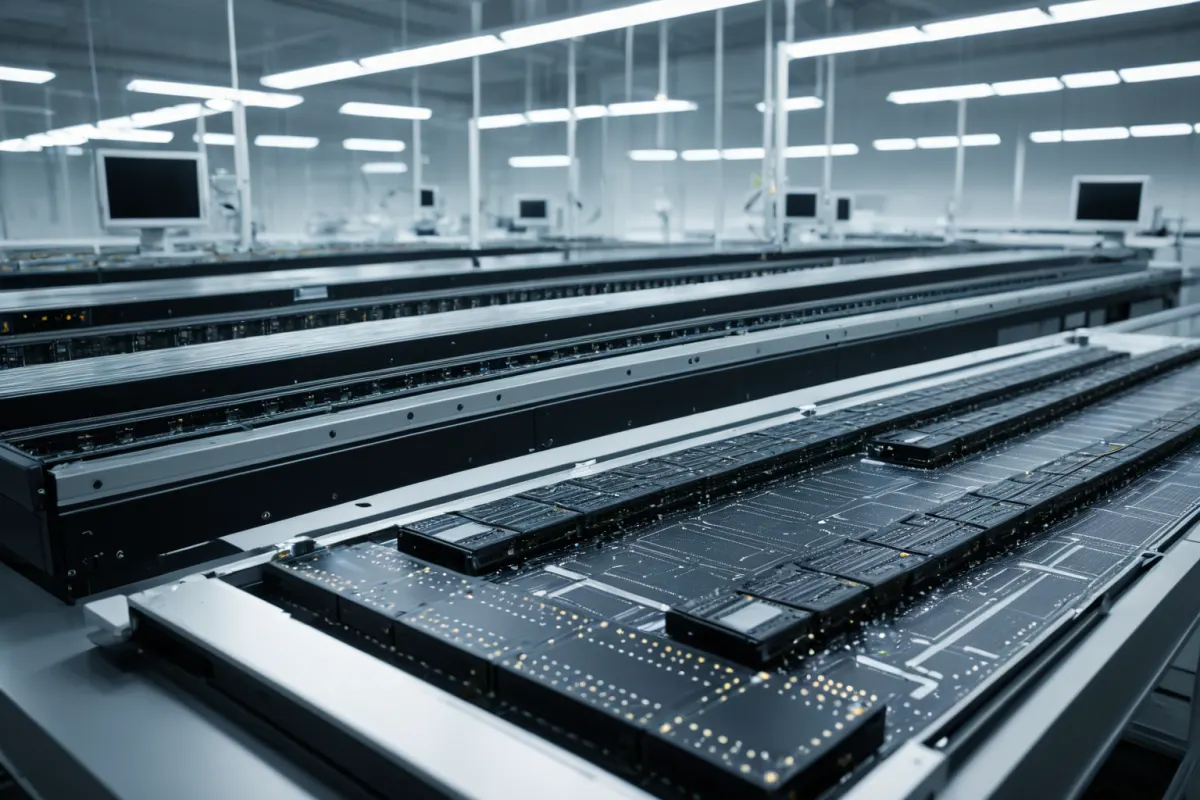
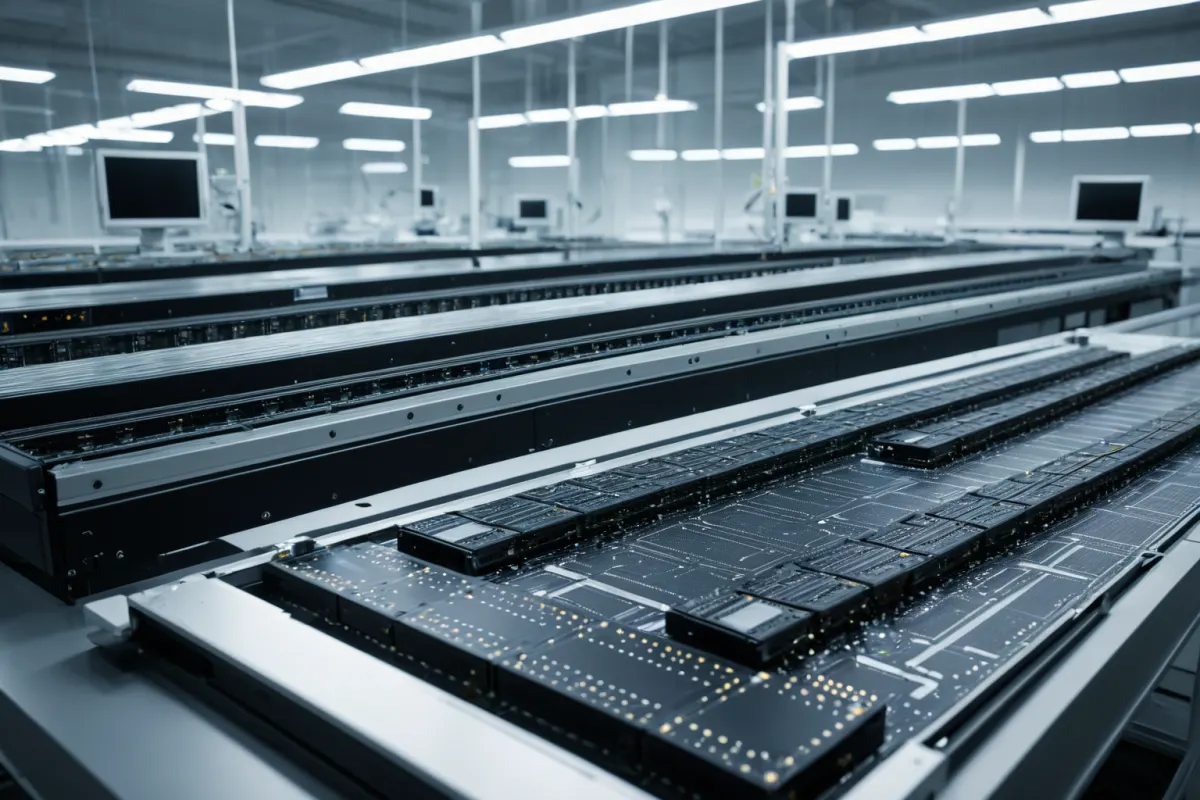
SK Hynix vs. Samsung Electronics: HBM4 Yield Difference
SK Hynix shows a yield advantage of approximately 1.5 times over Samsung Electronics in HBM4 production, directly impacting NVIDIA's allocation of orders. This indicates SK Hynix is securing technological differentiation as it prepares for full-scale HBM4 mass production. While Samsung has been positioned to exclusively supply HBM4 for NVIDIA's next-generation top-tier GPU models, SK Hynix is improving yields to strengthen its position in order allocation. HBM4 is gaining significant attention as essential memory for AI accelerators and high-performance computing, making yield rates a decisive factor in market share expansion for both companies.
Differentiated Talent Acquisition Strategy with 'EVA Cap' Performance Bonus Ceiling
SK Hynix offers higher performance bonuses compared to Samsung Electronics. Its performance bonus ceiling is set at an 'EVA Cap,' differentiating its talent acquisition strategy. This suggests SK Hynix has stronger capability in attracting top talent compared to competitors. The 'EVA Cap' system calculates performance bonuses based on Enterprise Value Added (EVA), focusing on long-term growth strategies rather than short-term results. It demonstrates SK Hynix's commitment to securing talent through sustainable management philosophy.
Different Responses to Profitability and Memory Price Increases
SK Hynix's profitability is 2.5 times lower than Samsung Electronics', but it shows more proactive responses when memory prices rise. This indicates SK Hynix has a more flexible pricing strategy compared to competitors. While memory prices are currently rising, SK Hynix is focusing on production efficiency and technological improvements to boost profitability. In contrast, Samsung Electronics maintains stable financials based on higher existing profitability, making it less sensitive to price fluctuations.
NAND Memory's Growth in the AI Market
SK Hynix is also experiencing growth in NAND memory due to expansion of the AI market. Previously considered a 'has-been' segment, NAND memory has become a new growth driver thanks to AI trends. SK Hynix is developing specialized products for AI data centers and cloud services, positioning itself to lead this emerging market. This shows how NAND memory is evolving beyond simple storage devices into creating new value through integration with AI technology.
Competitive Landscape in the HBM Market Between Samsung and SK Hynix
Samsung Electronics appears likely to exclusively supply HBM4 for NVIDIA's next-generation top-tier GPU models, indicating its market leadership. SK Hynix plans to intensify competition for the 'second HBM' small-capacity memory market (referred to as 'sokam') in the second half of the year. 'Sokam' refers to small-capacity memory technology required in AI and high-performance computing fields. SK Hynix aims to expand its market share through this competitive battle with Samsung Electronics.
SK Group's Strategy for Building an AI Ecosystem
SK Group is pursuing a strategy to build an integrated 'AI ecosystem' spanning semiconductors, energy, and other sectors. This demonstrates SK Hynix's evolution beyond being just a memory manufacturer into pioneering new markets through integration with AI technology. The group plans to strengthen collaboration between subsidiaries like SK Hynix, SK Innovation, and SK Energy to provide comprehensive AI-based solutions. This strategic shift shows a move from simple memory production toward building an entire AI ecosystem.
Samsung and SK Hynix Forming a Joint Front with AMAT
Both Samsung and SK Hynix have formed a joint front centered around AMAT, the global leader in semiconductor manufacturing equipment. This strategic collaboration aims to narrow technological gaps through cooperation. As essential suppliers of equipment for high-performance memory production, both companies are investing jointly with AMAT to advance technology development and improve production efficiency. This represents how competition in the semiconductor industry is evolving toward mutual growth through collaboration.
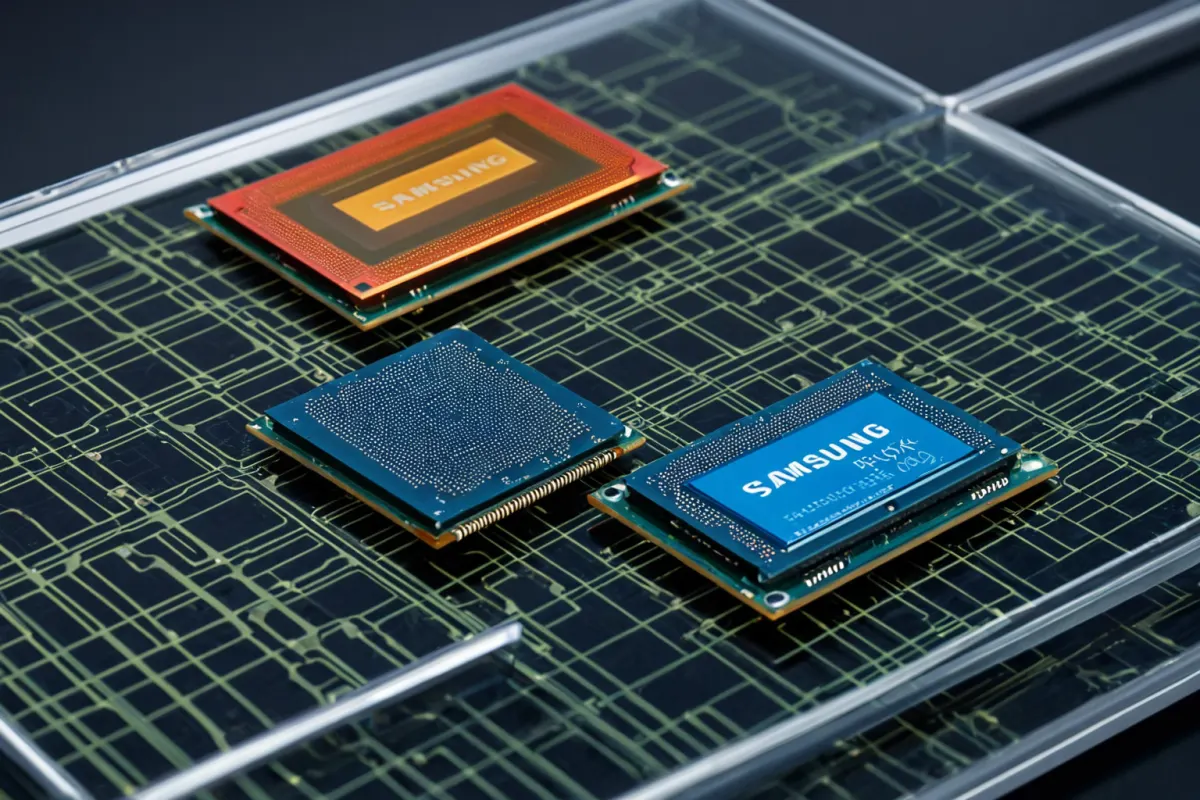
China's CXMT Accelerating Entry into DDR5 DRAM Market, but Technology Gap Remains
Chinese companies like CXMT are accelerating entry into the DDR5 DRAM market, but the technological gap with SK Hynix and Samsung Electronics remains significant. Despite rapid growth in China's semiconductor industry and a massive 45 trillion won investment, it still faces challenges catching up to established competitors. DDR5 DRAM is essential for modern AI and cloud services requiring high-speed data processing, prompting Chinese firms to continuously invest in research and development to secure technological advantages.
SK Hynix's Full-Scale HBM4 Mass Production Starting Late 2026
SK Hynix plans to begin full-scale mass production of HBM4 starting in the second half of 2026. This reflects its strategy to improve portfolio balance in the HBM market against Samsung Electronics. As essential memory for AI accelerators and high-performance computing, SK Hynix aims to narrow the gap with competitors through this market entry. Specifically, it expects to secure larger order volumes from key clients like NVIDIA through HBM4 mass production.
Growth of NAND Memory in the AI Market
NAND memory, once considered a 'has-been' segment, is now finding new opportunities due to AI market expansion. SK Hynix is enhancing its growth potential in AI data centers and cloud services through NAND memory. This demonstrates how NAND memory is moving beyond simple storage devices into creating new value through integration with AI technology. SK Hynix plans to focus on developing customized solutions based on NAND memory to strengthen its competitive position.
Speed of China's Semiconductor Industry Advancement
China is closing the technological gap in DRAM by about 3 years and in HBM by about 4 years, but still shows a significant difference compared to SK Hynix and Samsung Electronics. This indicates that despite rapid growth, it will take time for Chinese semiconductor companies to secure technological advantages. In particular, given that SK Hynix and Samsung Electronics already possess advanced technology in HBM, Chinese firms will need additional research, development, and investment to catch up.
SK Hynix's Strategy to Strengthen Competitiveness
SK Hynix is strengthening its competitiveness through various strategies including improving HBM4 yields, setting an 'EVA Cap' performance bonus ceiling, and expanding NAND memory in the AI market. This shows SK Hynix's focus on building comprehensive competitive advantages beyond just technological differentiation. Specifically, it has established long-term growth strategy through the 'EVA Cap' system while creating new growth drivers by integrating NAND memory with AI markets.
Profitability Comparison Between SK Hynix and Samsung Electronics
SK Hynix's profitability is 2.5 times lower than Samsung Electronics', but it shows more proactive responses when memory prices rise. This indicates SK Hynix has a more flexible pricing strategy compared to competitors. SK Hynix focuses on production efficiency and technological improvements to boost profitability, while Samsung Electronics maintains stable finances based on existing high profitability.
SK Hynix's Future Outlook
SK Hynix is expected to lead future growth through strategies including full-scale HBM4 mass production, expansion of the AI market, and building SK Group's AI ecosystem. This indicates SK Hynix's evolution from a simple memory manufacturer into securing leadership in new technologies and markets. In particular, expanding market share through HBM4 mass production and integrating NAND memory with AI markets are key factors that will help SK Hynix maintain growth potential.
Key Facts for Searchers
The difference in HBM4 yield rates between SK Hynix and Samsung Electronics is confirmed at 1.5 times, SK Hynix offers higher performance bonuses than Samsung, profitability is 2.5 times lower but shows more proactive response to memory price increases, and Chinese company CXMT is accelerating DDR5 DRAM entry but still faces significant technological gaps.
Frequently Asked Questions
What is the HBM4 yield difference between SK Hynix and Samsung Electronics?
The confirmed difference in HBM4 yield rates between SK Hynix and Samsung Electronics is 1.5 times.
How is SK Hynix's performance bonus ceiling set up?
SK Hynix sets its performance bonus ceiling at an 'EVA Cap' system.
Can China's CXMT catch up with SK Hynix and Samsung Electronics?
While Chinese company CXMT is accelerating DDR5 DRAM entry, the technological gap remains significant, making it difficult to catch up with established competitors.
You can view similar articles in one place.
View More ArticlesFAQ
What is the HBM4 yield difference between SK Hynix and Samsung Electronics?
The confirmed difference in HBM4 yield rates between SK Hynix and Samsung Electronics is 1.5 times.
How is SK Hynix's performance bonus ceiling set up?
SK Hynix sets its performance bonus ceiling at an 'EVA Cap' system.
Can China's CXMT catch up with SK Hynix and Samsung Electronics?
While Chinese company CXMT is accelerating DDR5 DRAM entry, the technological gap remains significant, making it difficult to catch up with established competitors.
Korean Source
This article is an English localization of a Korean-language report from BlogScore. Original: SK하이닉스 메모리 반도체, 경쟁사 대비 어떤 점이 다른가?