
SK AI Infrastructure Investment: Understanding Scale and Key Projects
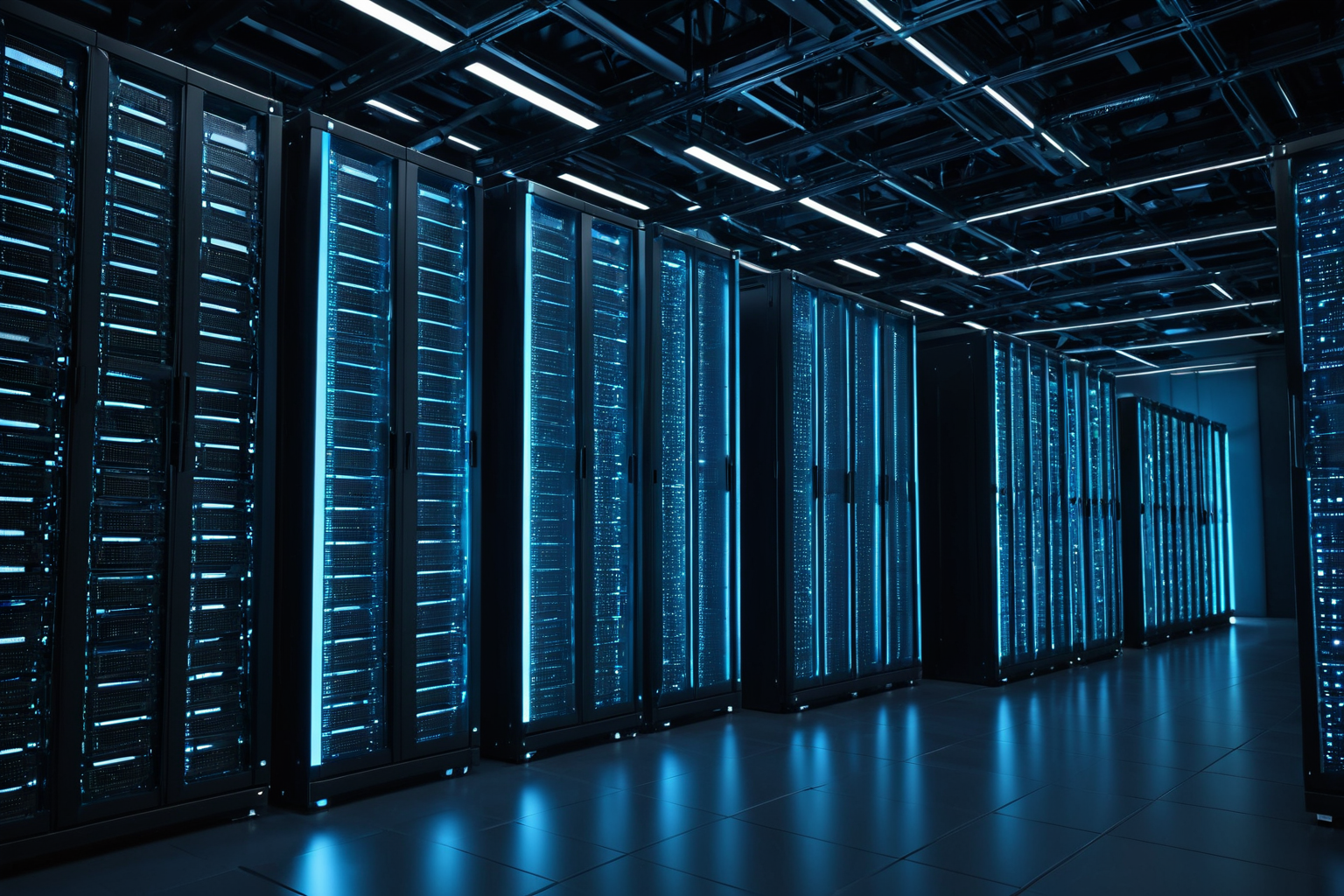
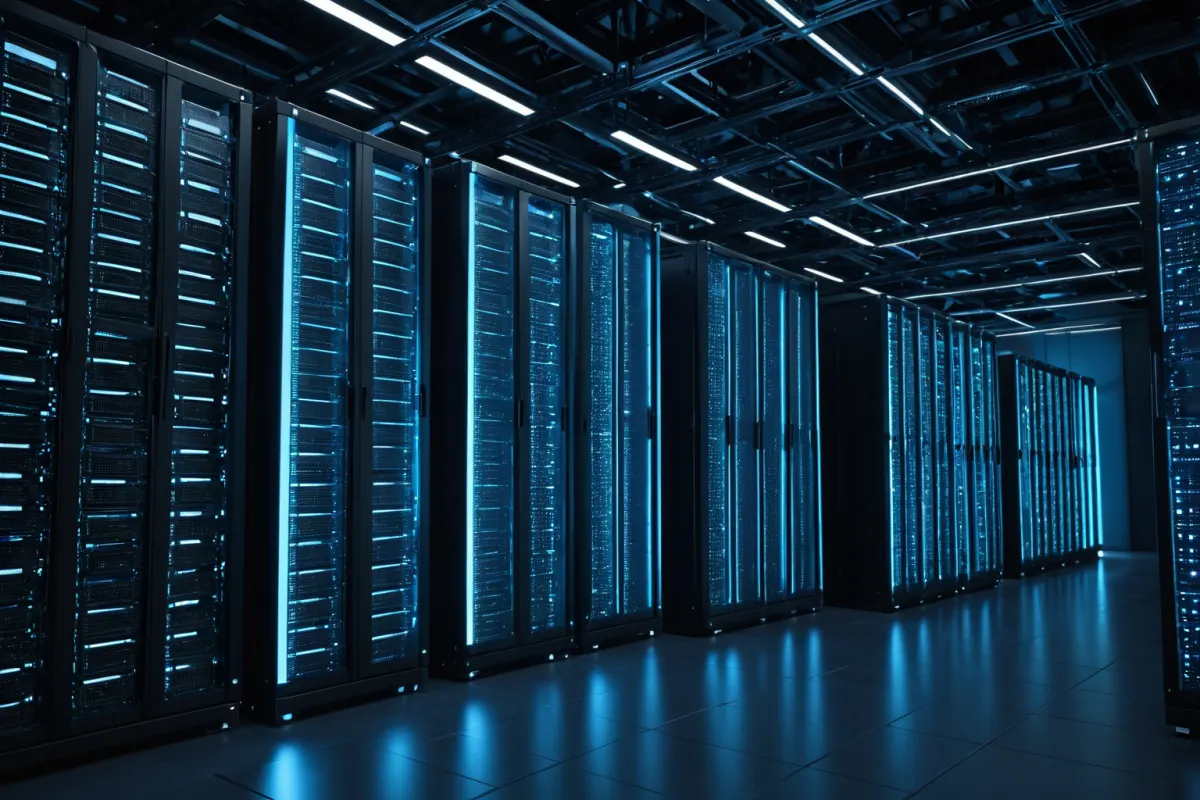
To understand SK Group's AI infrastructure investments, it's important to first clarify what "AI infrastructure" means. It's not just about setting up a few servers—it encompasses data centers, GPUs, networks, power supply, cooling systems, and software environments that support large-scale data processing, model training, and service operations. As companies race to commercialize AI services quickly, infrastructure investment has become a key focus, with ongoing news generating consistent attention.
SK Group's AI infrastructure investments are particularly noteworthy because they span multiple interconnected areas: semiconductors, data centers, cloud computing, and power efficiency. This complexity makes it difficult to understand from simple headlines alone. For beginners, focusing on questions like "Why is so much money being invested?" "What projects is it funding?" and "How does this differ from other companies?" can help clarify the situation. In this article, we'll break down what's publicly known about investment scale and key initiatives.
Why Is SK's AI Infrastructure Investment Getting Attention?
AI infrastructure investments are gaining attention because the success of AI services depends on more than just software. Generative AI and large language models require significant computational resources for training and inference, which necessitates high-performance servers, fast networks, and reliable power systems. In short, strong infrastructure is a prerequisite for developing effective AI.
SK's investments are especially notable due to their broad scope and interconnected nature. The company's initiatives tie together semiconductor ecosystems, memory competitiveness, data center operations, communication infrastructure, and energy management—creating a complex web of strategic connections. When evaluating investment scale, it's more important to consider "Where is the money going?" "How is it being spent?" and "What outcomes are expected?" than just the total amount.
Crucially, avoid jumping to conclusions based solely on numbers mentioned in headlines. Some investments may already be executed, while others represent long-term plans or a combination of direct investment, subsidiaries, joint ventures, or partnerships. For accurate details, always refer to official announcements and filings.
Explore more articles on similar topics in one place.
View Related ArticlesInvestment Scale: Focus on Structure, Not Just Total Amount
When people think of "investment scale," they often focus first on the total amount. However, in AI infrastructure, this alone doesn't reveal much about a project's actual impact. For example, 1 trillion won could mean new data center construction, upgrading existing facilities, or purchasing GPU servers—each with very different implications.
To simplify for beginners: just as building a new house versus renovating an old one yields different results, AI infrastructure investments vary based on where the money is allocated. Whether it's for buildings, power systems, cooling, networks, equipment purchases, or software operations determines expected outcomes and payback periods. Always check the details alongside any numbers mentioned.
Another important factor is timing. This year's spending versus a three-year cumulative plan may look similar numerically but differ significantly in practical terms. Market reports often mention "trillions of won in investment," but these are frequently phased over time. When analyzing, note the total amount, execution timeline, target areas, and connected business initiatives for clearer understanding.
Key Projects: Data Centers, Semiconductors, and Communications Work Together
The most prominent area linked to SK's AI infrastructure investments is data centers. These facilities are critical for stable server operations that power AI computations. Since AI models process massive datasets during training, both server performance and efficient power and cooling systems are essential. Thus, news about data center investments directly relates to potential expansion of AI services.
Semiconductors also play a key role. AI servers require high-performance memory and processing chips, making connections with the memory industry increasingly important as demand grows. SK Group's semiconductor capabilities align closely with its AI infrastructure strategy. Rather than focusing solely on AI services, it's crucial to consider the entire hardware supply chain that enables these services.
Communication networks are equally vital. AI processing spans multiple devices and data streams in real time, making bandwidth, latency, and stability critical factors tied directly to communication infrastructure. Ultimately, SK's AI infrastructure investments should be understood as a three-part strategy: data centers, semiconductors, and communications working together to support scalable AI services.

How Beginners Can Check Investment Details Themselves
The simplest approach is not to rely on a single news article but to cross-reference with official filings and announcements. First, check the company's newsroom or disclosure site for details about investment targets. Then read press releases to understand business objectives. Finally, compare market reactions in related articles to get the full picture. Since details can change over time, always verify through the company's official channels.
For example, if you see "50 billion won invested in AI data center construction," don't assume it's a large sum immediately. Determine whether this is for building costs, server procurement, or multi-year cumulative spending. Also consider whether the investment is domestic (with regional economic and power supply implications) or international (reflecting market entry strategy).
Beginners can simplify their own analysis by creating a simple table in notes with these categories:
- Investor: Which SK subsidiary or entity is involved
- Target: Data centers, semiconductors, networks, software
- Amount: Total vs. phased execution
- Purpose: AI training, inference, cloud services, business expansion
- Source: Official filings, press releases, reliable media coverage
This method clarifies article content significantly. Especially in fast-moving news cycles, it's important to separate numbers from business context for accurate understanding.
Mistakes Beginners Often Make
The most common mistake is assuming that large investment amounts automatically indicate success. Investing a significant sum doesn't mean immediate results—AI infrastructure requires time for stable operation after construction, including equipment procurement, power management, and customer acquisition. Therefore, investment news should be viewed as "preparation for growth" rather than an "achievement report."
Another frequent error is treating similar terms as identical concepts. For instance, AI, data centers, cloud computing, and semiconductors are all connected but not synonymous. AI refers to the application area, data centers are operational foundations, cloud computing describes service delivery models, and semiconductors are core hardware components. Understanding these distinctions is key to correctly interpreting investment details.
Finally, be cautious about following "related stocks" or "beneficiary stocks" based solely on headlines. Market capitalization, financial performance, contract structures, and actual supply capabilities can all affect outcomes differently. Investment information should serve as a reference point only—develop your own evaluation criteria. Given how fast news cycles move in this sector, prioritizing verified sources over trending articles is essential.
Putting It All Together: Key Insights on SK's AI Infrastructure Strategy
Summarizing what we've covered, SK Group's AI infrastructure investments represent more than simple facility expansion—they're a strategic effort to build foundational capabilities for the AI era. The core focus is how data centers, semiconductors, communications, and power efficiency work together to enable stable AI service operations.
For beginners, start with three questions: "What business is being invested in?" "How much and when will money be spent?" "What outcomes are expected?" Answering these can simplify complex articles significantly. Since current figures and project names may change, always verify key points through official channels. Given the rapid pace of developments in this field, prioritizing verified information over trending news is crucial.
FAQ: Common Questions About SK's AI Infrastructure Investment
Q1. What does SK's AI infrastructure investment mean?
It refers to investments in data centers, servers, networks, and semiconductor-related facilities that support AI service operations. The exact scope may vary based on announcement timing and specific project plans.
Q2. Does a larger investment amount always indicate a positive signal?
No. More important than scale are the target areas, execution timeline, revenue structure, and actual business connections. Even large amounts might represent long-term plans rather than immediate action, so details matter more than total figures.
Q3. What's the most accurate way to check investment information?
First consult official filings, press releases, and company presentations. News articles and commentary should serve as supplementary references—always verify current details through the company's official website.
Continue exploring similar topics.
View Category ArticlesFAQ
What does SK's AI infrastructure investment mean?
It refers to investments in data centers, servers, networks, and semiconductor-related facilities that support AI service operations. The exact scope may vary based on announcement timing and specific project plans.
Does a larger investment amount always indicate a positive signal?
No. More important than scale are the target areas, execution timeline, revenue structure, and actual business connections. Even large amounts might represent long-term plans rather than immediate action, so details matter more than total figures.
What's the most accurate way to check investment information?
First consult official filings, press releases, and company presentations. News articles and commentary should serve as supplementary references—always verify current details through the company's official website.
Korean Source
This article is an English localization of a Korean-language report from BlogScore. Original: SK AI 인프라 투자 규모와 주요 사업 내용 비교 정리