
SK's AI Infrastructure Investment: Reasons and Future Outlook Explained
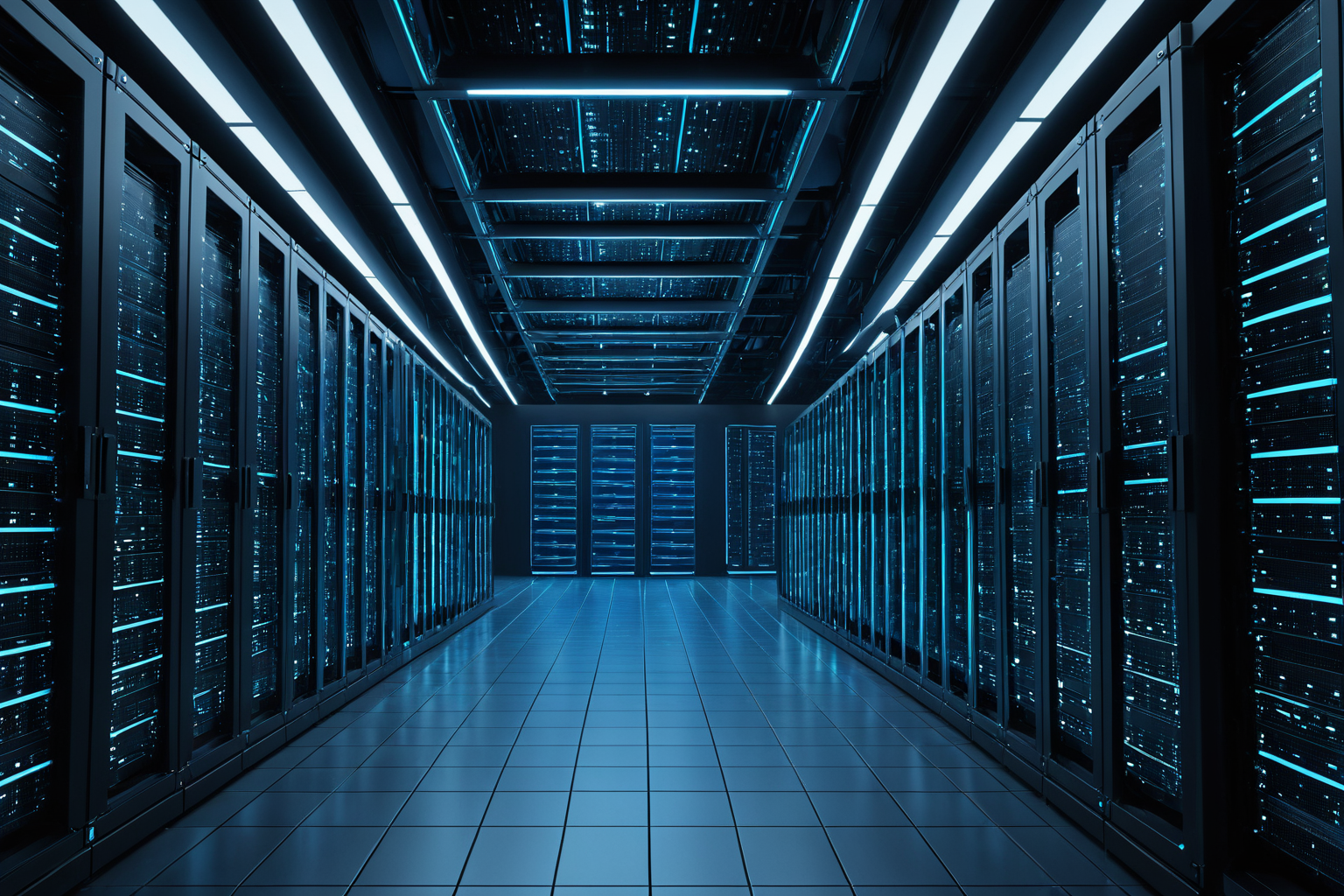
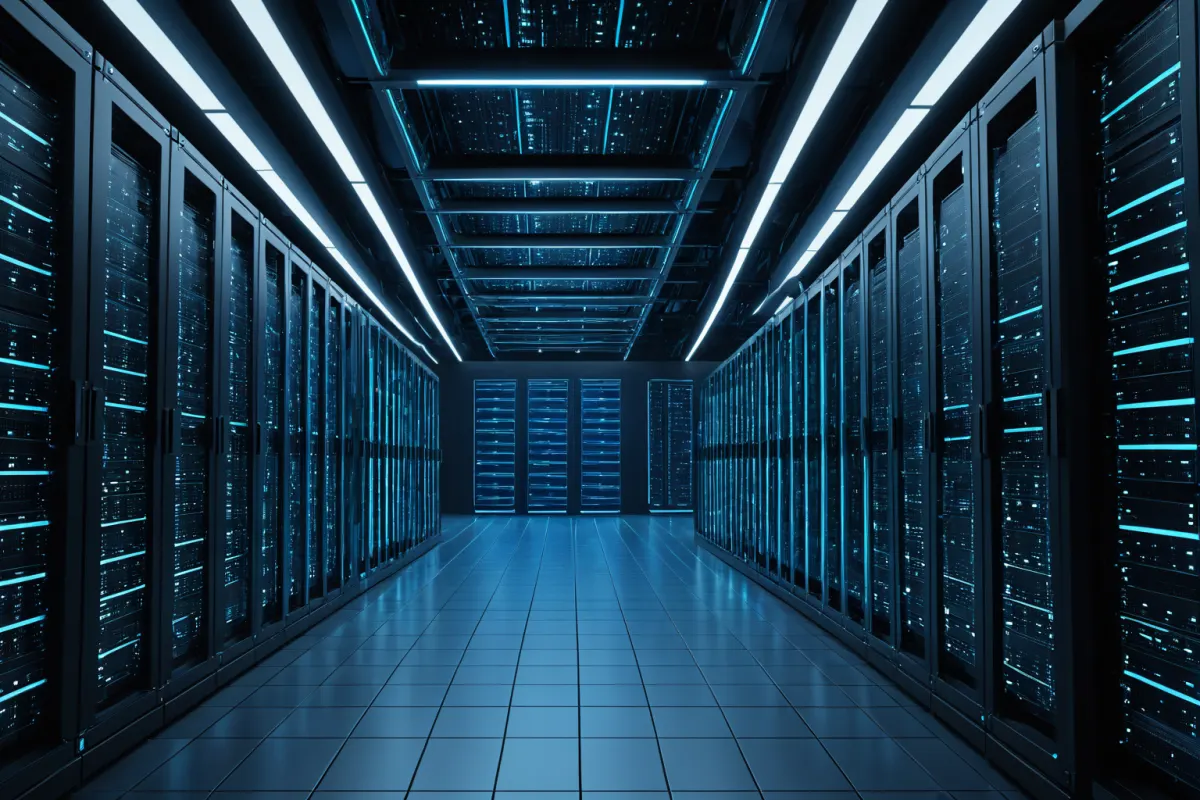
You've likely seen the term SK AI Infrastructure Investment in recent news. As AI rapidly spreads across daily life and industries, simply creating good models is no longer enough to maintain competitiveness. Now, companies need stable servers, data centers, networks, power supply, and cooling systems to support learning and inference operations.
If you're new to this topic, you might wonder: "Why has infrastructure become so important all of a sudden?" This article breaks down why SK is investing in AI infrastructure, what it means, and how to track future developments. Note that investment scales and details may vary depending on announcement dates, so always check official websites and disclosures before making decisions.
Understanding Why AI Infrastructure Has Become Central to Competitive Advantage
AI infrastructure refers to the foundational systems required to run AI services. While software and service planning used to be the focus, today's emphasis is on computing resources capable of handling large-scale operations and stable physical environments for their management. Services like generative AI, search-based AI, and enterprise AI assistants require significant data processing, power, fast storage, and reliable networks.
This is why global tech giants as well as telecom, semiconductor, cloud, and energy companies are focusing on AI infrastructure. Think of it this way: AI needs a "smart brain," but that brain requires a large, strong heart and blood vessels—infrastructure—to function properly. Understanding SK's AI infrastructure investment within this context makes it much clearer.
For example, imagine an AI chatbot used simultaneously by thousands of users. Slow responses would lower satisfaction, and outages could damage trust. That's why companies invest in more servers, improve power efficiency, and optimize data center operations.
Find similar articles compiled for your convenience.
View Related ArticlesWhy SK Is Focusing on AI Infrastructure Investment
SK has a portfolio of businesses connected to semiconductors, telecommunications, energy, and data centers—making it well-positioned at the intersection of AI infrastructure. In the AI era, companies with integrated ecosystems across multiple subsidiaries will have more strength than those focused on single business lines. Memory semiconductors, for instance, are a key component in AI operations, so AI expansion directly correlates with semiconductor demand.
Moreover, AI infrastructure isn't a one-time project—it requires continuous operation and scaling. Companies must expand servers, reinforce cooling systems, stabilize power supply, and make additional investments as customer demands grow. This characteristic means long-term opportunities for recurring investment rather than one-off projects.
Investors or readers might ask: "Is this always positive?" Not necessarily. Large-scale investments come with financial burdens and may take time to monetize. Therefore, while expanding investment represents growth potential, it also requires balancing risk factors.
How SK Is Applying These Investments in Practice
To understand SK's AI infrastructure investment, look at where the money is actually going rather than abstract concepts. Key areas include data center construction, high-performance server acquisition, memory semiconductor supply, power efficiency improvements, and enhanced cooling systems. These elements are interconnected, forming a cohesive ecosystem.
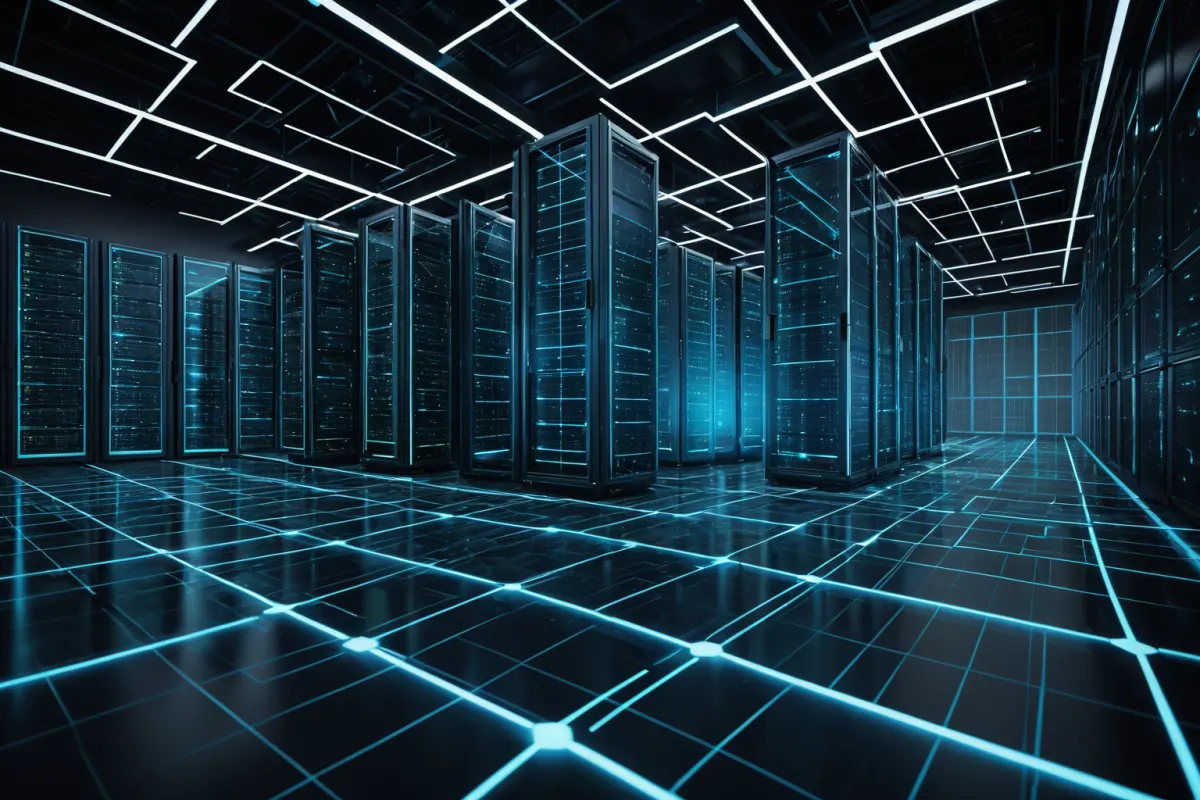
For example, imagine a company running an AI service. First, they need to install computing equipment, then secure space for the hardware and electricity. Cooling systems prevent overheating in summer, and network quality must remain stable even during peak user traffic. Ultimately, the quality of AI services depends not just on the app interface but also on the completeness of the underlying infrastructure.
When reading news about these investments, it's helpful to ask: "What area is being invested in?" "Is this built-in capability or external collaboration?" And "What is the revenue model?" The answer to each question changes how you interpret the investment. For instance, expanding data centers versus strengthening semiconductor supply chains has different implications.
Common Mistakes Newcomers Make
A common mistake is interpreting infrastructure expansion news as immediate stock price upside. Major investments boost growth expectations but also bring higher costs and execution risks. Instead of reacting to initial buzz, focus on follow-up indicators like contracts signed, revenue impact, and operational rates.
Another error is treating all AI infrastructure investments the same way. In reality, server equipment, semiconductors, power infrastructure, and data center operations each have different revenue structures. Some require high upfront investment; others prioritize operational efficiency. So it's important to distinguish between business types rather than making broad judgments based on a single headline.
For example, if you see "AI investment expansion," ask first what exactly is increasing: memory production capacity, cloud operations, or network upgrades? Understanding these distinctions will help you read news more quickly and accurately.
The Future Outlook: Demand Growth and Efficiency Competition
In the future, the AI infrastructure market may shift from a competition of sheer scale to one focused on efficient operation. As AI usage grows, power consumption, heat management, equipment replacement cycles, and data processing speed will become even more critical. In other words, we're moving beyond just building bigger systems toward optimizing both performance and efficiency.
SK's AI infrastructure investment should be evaluated within this trend. Companies that can connect semiconductors, telecom, energy, and data centers are better positioned to benefit from AI expansion. However, actual results will depend on global economic conditions, semiconductor market trends, power costs, and the pace of technological change. Therefore, when assessing future prospects, balance optimistic expectations with realistic constraints.
In the long term, AI is likely to become a common foundation across nearly all industries rather than a tool limited to specific sectors. This means infrastructure investment may evolve from a one-time issue into a long-term trend. Keep in mind that latest investment plans and partnerships can change frequently, so regularly checking official announcements remains essential.
Key Takeaways: Seeing Investment Direction Alongside Industry Shifts
In short, SK's expansion of AI infrastructure investment reflects an effort to strengthen foundational systems as AI services grow. Elements like data centers, servers, semiconductors, power, and cooling are all interconnected—this isn't a simple two-line news story but part of broader industry transformation.
For newcomers, ask three questions: "Why is this being invested in?" "Where is the investment going?" And "When might results appear?" With these questions in mind, you'll be able to grasp the flow from just a headline. When reading future news, always distinguish between announcement content and actual implementation plans.
FAQ: Quick Answers to Common Questions
Q1. Why is SK's AI infrastructure investment important?
Because stable AI services require servers, data centers, power, and cooling systems. Without proper infrastructure, performance and reliability could suffer.
Q2. Should I view news of expanded investment as an immediate positive signal?
No, not necessarily. While investments represent growth opportunities, they also bring costs and execution risks. It's better to monitor follow-up disclosures and financial results.
Q3. Where can I find the latest information?
The safest approach is to check official company announcements, disclosure documents, and original news articles. Details like schedules and amounts may change, so verifying through official channels is crucial.
Continue exploring similar topics.
Browse Category ArticlesFAQ
Why is SK's AI infrastructure investment important?
Because stable AI services require servers, data centers, power, and cooling systems. Without proper infrastructure, performance and reliability could suffer.
Should I view news of expanded investment as an immediate positive signal?
No, not necessarily. While investments represent growth opportunities, they also bring costs and execution risks. It's better to monitor follow-up disclosures and financial results.
Where can I find the latest information?
The safest approach is to check official company announcements, disclosure documents, and original news articles. Details like schedules and amounts may change, so verifying through official channels is crucial.
Korean Source
This article is an English localization of a Korean-language report from BlogScore. Original: SK AI 인프라 투자 확대 이유와 앞으로의 전망 총정리