
Single-Family Home Renovation vs. New Construction: Which Is More Cost-Effective?
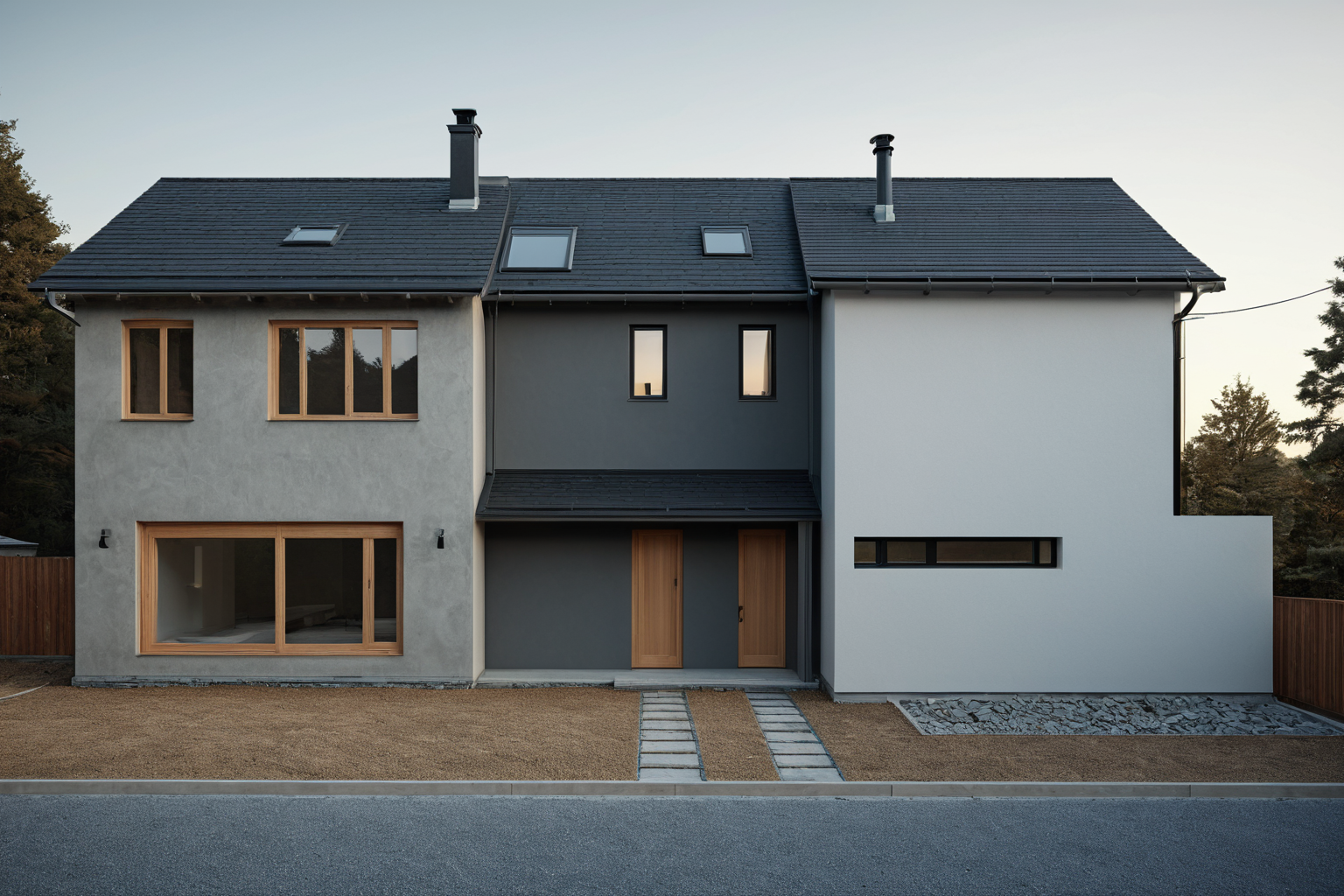
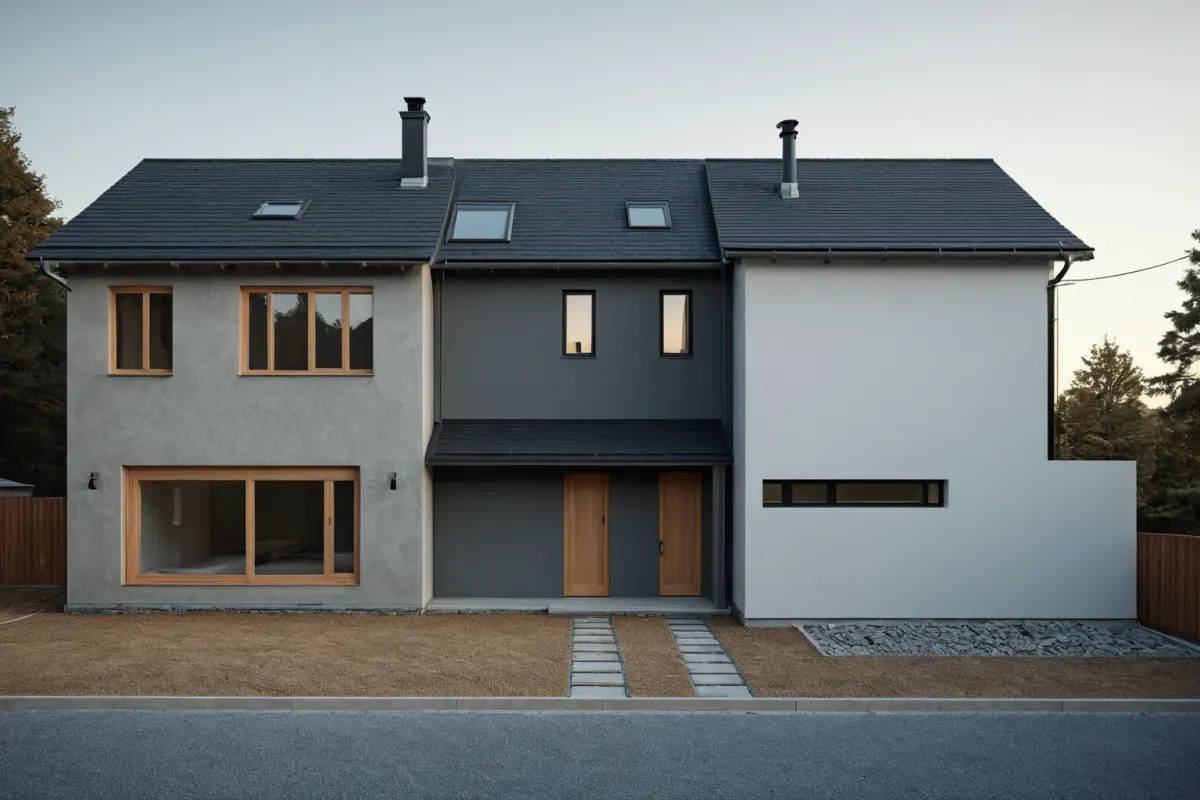
When deciding whether to renovate an existing single-family home or build a new one, the first question that often comes to mind is which option offers better value. However, this decision isn't simply about comparing construction costs—it also involves assessing the current condition of the house, the scope of structural changes, hidden work like insulation and plumbing upgrades, and feasibility of permits.
Especially for single-family home renovations, costs extend far beyond visible interior updates. Older homes often require demolition, repairs, system replacements, waterproofing, and window replacements, which can significantly increase budgets compared to initial estimates. Conversely, while new construction may seem more expensive upfront, it allows for planning your desired layout from the start, potentially reducing long-term maintenance costs and defect risks.
Renovation and New Construction Costs Differ Significantly
Renovation costs vary greatly depending on how much work is involved. Simple updates like wallpaper replacement or flooring changes are relatively predictable. However, when walls need partial demolition, windows require full replacement, electrical wiring and plumbing must be updated, and insulation strengthened, the project can effectively become a near-complete rebuild.
New construction costs depend on land conditions, building size, material quality, and structural methods. Even for similar single-family homes, costs differ between reinforced concrete, light wood frame, or steel structures. Therefore, relying solely on 'per square meter' pricing is risky. Actual costs should include design fees, permit-related expenses, site preparation, exterior finishes, landscaping, and auxiliary works.
For example, a 20+ year old home that appears structurally sound but has outdated plumbing may experience recurring issues if only surface work is done. In such cases, renovation costs can exceed expectations—making it advisable to get at least two or three on-site assessments from contractors. Conversely, if the structure and foundation are in good condition, renovation could be far more economical.
Key Items to Check When Evaluating Renovation Costs
Many beginners judge total costs based only on interior design quotes. However, single-family homes differ from apartments as exterior walls, roofs, foundations, yards, stairs, and fences all impact expenses. Homes with water leakage or condensation issues require waterproofing and insulation repairs before finishing work can begin, altering budget priorities.
It's easiest to break down costs into separate categories: demolition fees, structural reinforcement costs, window replacement, electrical/plumbing work, interior finishes, exterior finishes, design and supervision fees, waste disposal, and contingency funds. Contingency should be at least 10%—especially for older homes where unexpected issues often arise after work begins.
For instance, renovating a 30-pyeong (about 99 m²) single-family home with two bathrooms, one kitchen, full window replacement, insulation upgrades, and new wallpaper/flooring involves significant scope. Rather than focusing only on 'interior design quotes,' compare total costs including leak checks and system replacements to determine the most practical choice between renovation or new construction.
New Construction Costs Should Include All Phases
While many assume new construction is always more expensive, this isn't necessarily true. If an existing home requires extensive repairs due to poor condition, renovation might end up costing more than building anew—especially when structural changes or reinforcement are needed.
When evaluating new construction costs, don't just look at building expenses. Include design fees, surveying, permit-related costs, utility connections, septic systems, electrical and gas installations, exterior decks or garages, landscaping, and other factors. Regional differences—like for rural or 'Changwon-style' homes—mean land conditions and administrative procedures can affect additional costs, so checking official sites is important.
For example, when planning a two-story single-family home, define room count and daily living flow first before deciding on structure and materials. While initial designs might focus only on low per-square-meter pricing, considering long-term convenience and maintenance may lead to lower satisfaction if not properly balanced. New construction offers high completion quality in one go but requires careful planning since early decisions significantly impact the final result.
Simple Questions for Beginners
The easiest way to compare options is by answering three key questions: First, is your current home's structure safe? Second, are you making simple repairs or structural changes? Third, do you plan to live there long-term (several years)? The answers will determine whether renovation or new construction offers better value.
For example, if planning to sell in 5 years, targeted renovations may be wiser than overhauling the entire home. Conversely, if family needs require changing room layouts, natural lighting, insulation, and parking space—new construction might suit your lifestyle better. The key isn't just comparing prices but choosing what aligns with your living style.
Also, when getting quotes, ensure they're comparable under identical conditions. If one quote includes windows while another excludes them, the cost difference may be misleading. Compare based on same area, material grade, and scope of work to accurately assess whether construction or renovation costs more.
Common Mistakes Beginners Make
The first mistake is judging solely by surface-level updates. Fresh wallpaper and flooring might make a home look clean, but underlying issues like leaks, condensation, electrical wiring problems, or outdated plumbing could remain hidden—leading to costly repairs later.
The second mistake is setting too tight a budget. Single-family renovations often involve unexpected variables requiring contingency funds. The third error is making decisions after hearing just one contractor's explanation. It’s important to visit sites multiple times for quotes and verify scope details in writing. Unlike apartment renovations, single-family homes have higher external work costs, so unclear explanations can lead to misunderstandings.
Finally, time should be considered like cost. New construction may take longer due to design and permitting phases, while renovation delays can occur after demolition if unexpected repairs arise. Factor in temporary housing costs and lifestyle disruptions when comparing options—so the best approach is to evaluate 'total cost + total duration + future maintenance' together.
Final Recommendation
If your home's basic structure is sound and you only want limited improvements, renovation likely offers better value. Conversely, if the house is very old with major structural changes needed—and you plan to live there long-term—new construction might be preferable. The key insight: Renovation costs aren't just about interior design—they involve comprehensive assessment of hidden work.
Beginners should first get an accurate on-site diagnosis and obtain quotes for both renovation and new construction under the same criteria. Then consider living flow, insulation performance, maintenance needs, and future resale potential to make a realistic comparison that minimizes budget waste.
Most importantly, choose not just what seems cheaper now but what causes fewer regrets later. Since homes are difficult to undo after construction, thorough comparison at the outset saves more money than rushing into decisions.
FAQ
Q1. How much should I budget for single-family home renovation?
A. Costs vary widely based on scope. Simple finishing changes versus full system and insulation upgrades mean you need an on-site assessment before getting accurate quotes.
Q2. Is new construction always more expensive than renovation?
A. Not necessarily. If the existing home is in poor condition or requires significant structural reinforcement, renovation could cost more.
Q3. What should I check first when comparing quotes?
A. The scope of work and excluded items. Even with same area, different included items can distort price comparisons.
Korean Source
This article is an English localization of a Korean-language report from BlogScore. Original: 단독주택 리모델링 비용과 신축 시공 비용 비교, 뭐가 더 유리할까?