
Silkworm Rearing Experience and Common Mistakes for Beginners
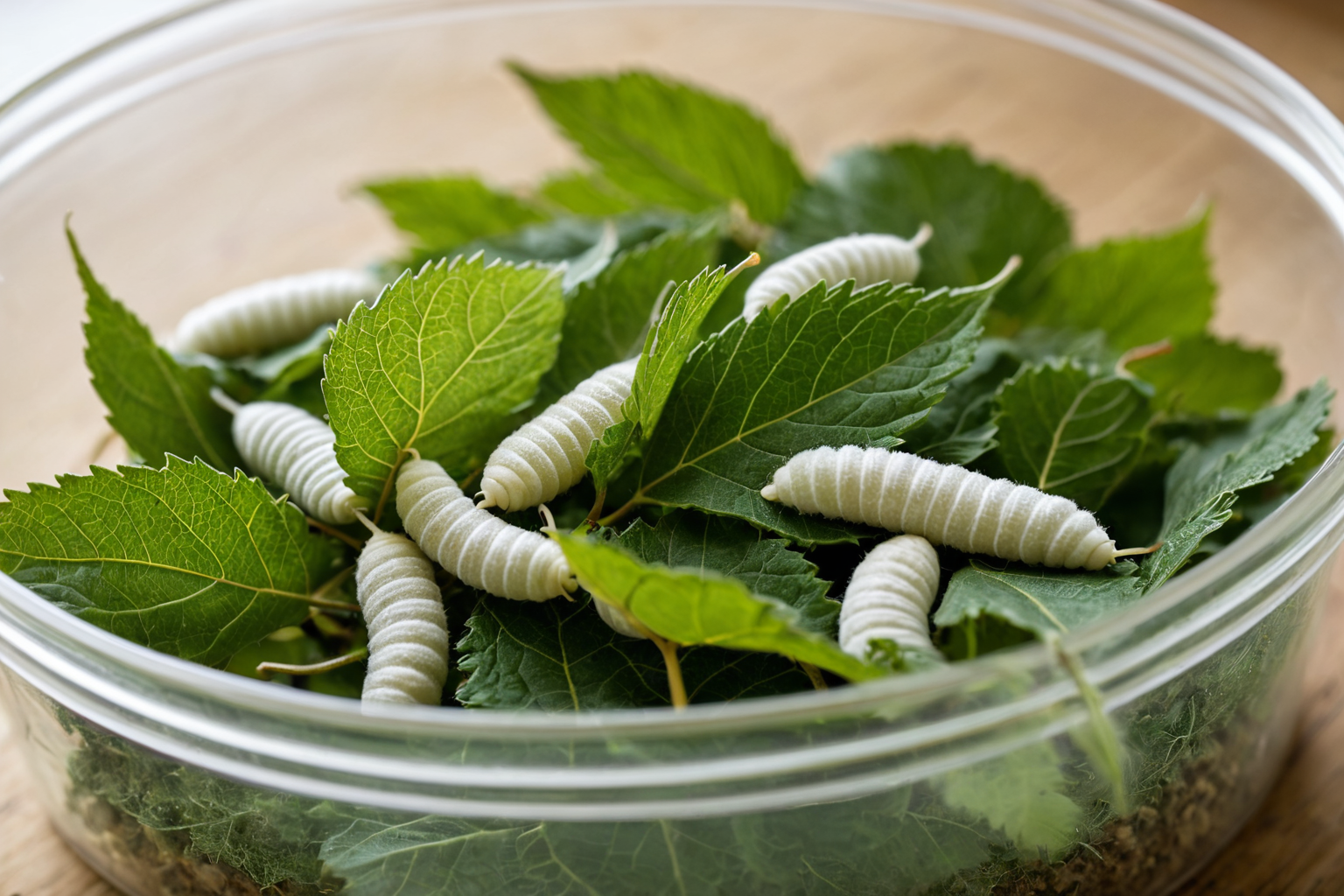
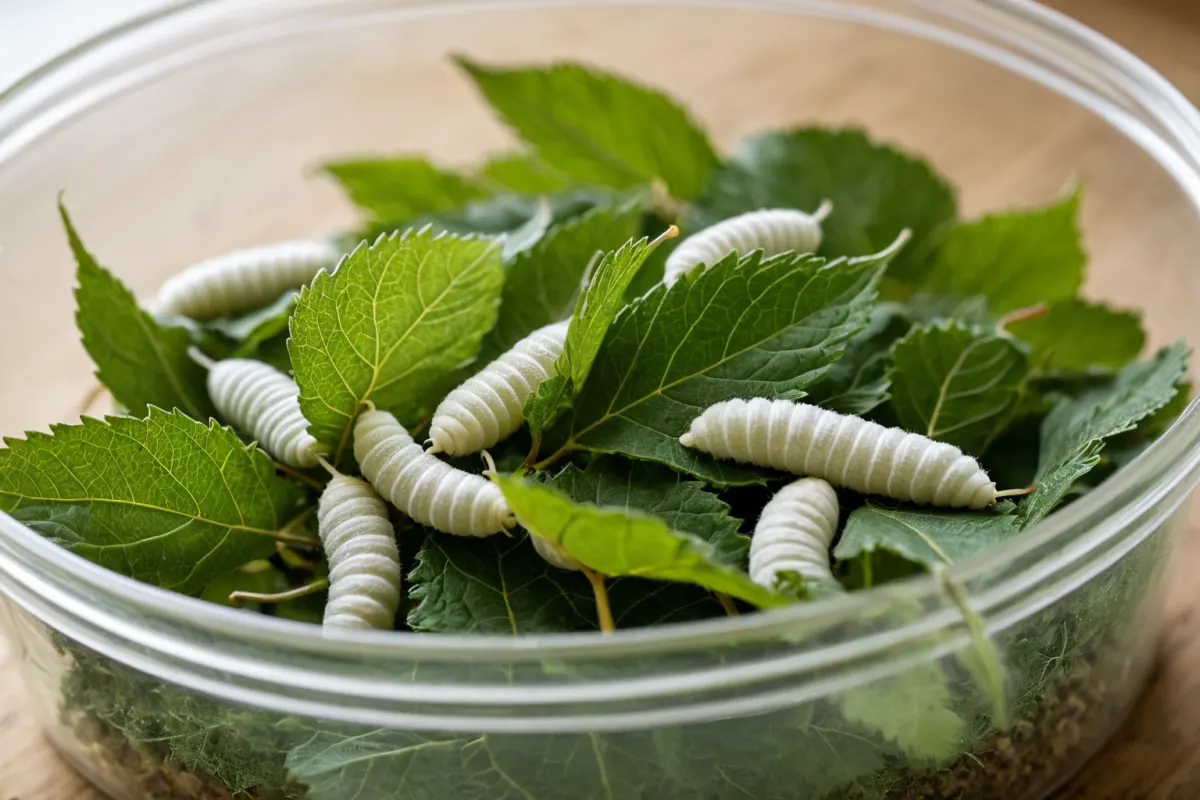
Rearing silkworms is not as difficult as it seems, but even a small mistake at the beginning can greatly affect their health. Especially when managing mulberry leaves (their food), maintaining temperature and humidity, and knowing when to replace food, beginners often get overwhelmed. In this article, based on my personal experience rearing silkworms, I’ll share practical solutions for common beginner mistakes in a straightforward way.
Silkworms are fascinating to observe—ideal for families with children or educational purposes—and they offer great opportunities for ecological learning. However, since you’re caring for living creatures, it’s important not to start just because they seem cute. First understand the basics: what you need and how to care for them properly. Following these tips will help beginners avoid trial-and-error and manage more confidently.
Essential Basics Before Starting Silkworm Rearing
Silkworms go through several stages: starting from eggs, then larvae (the caterpillar stage), spinning cocoons, and finally emerging as moths. While this might sound complex at first glance, the key is simply providing appropriate food and environment consistently. From my rearing experience, most failures happen because of issues with these two factors.
What you need is surprisingly simple: a clean container, paper towels or breathable bedding, fresh mulberry leaves, and a room with moderate temperature (not too hot). Fresh mulberry leaves are the most important food source, so check if they’re easily available near your home before starting. Depending on where you live, mulberry trees might not be common, so plan how to get a steady supply of leaves ahead of time.
Simple Daily Care Tips for Beginners
Silkworms clearly react to the quality of their food—fresh leaves mean they eat well. If mulberry leaves look wilted or wet, silkworms may not want to eat them. So it’s important to store leaves carefully after harvesting and check their condition just before use. Instead of putting too many leaves in at once, replace only what they’ll eat regularly for better hygiene.
Choose a container that allows good airflow but prevents escape. After eating, silkworms leave behind waste and droppings, which need regular cleaning to prevent mold and odor. For example, check the container twice daily (morning and evening), remove dried or contaminated leaves immediately, and replace them with fresh ones.
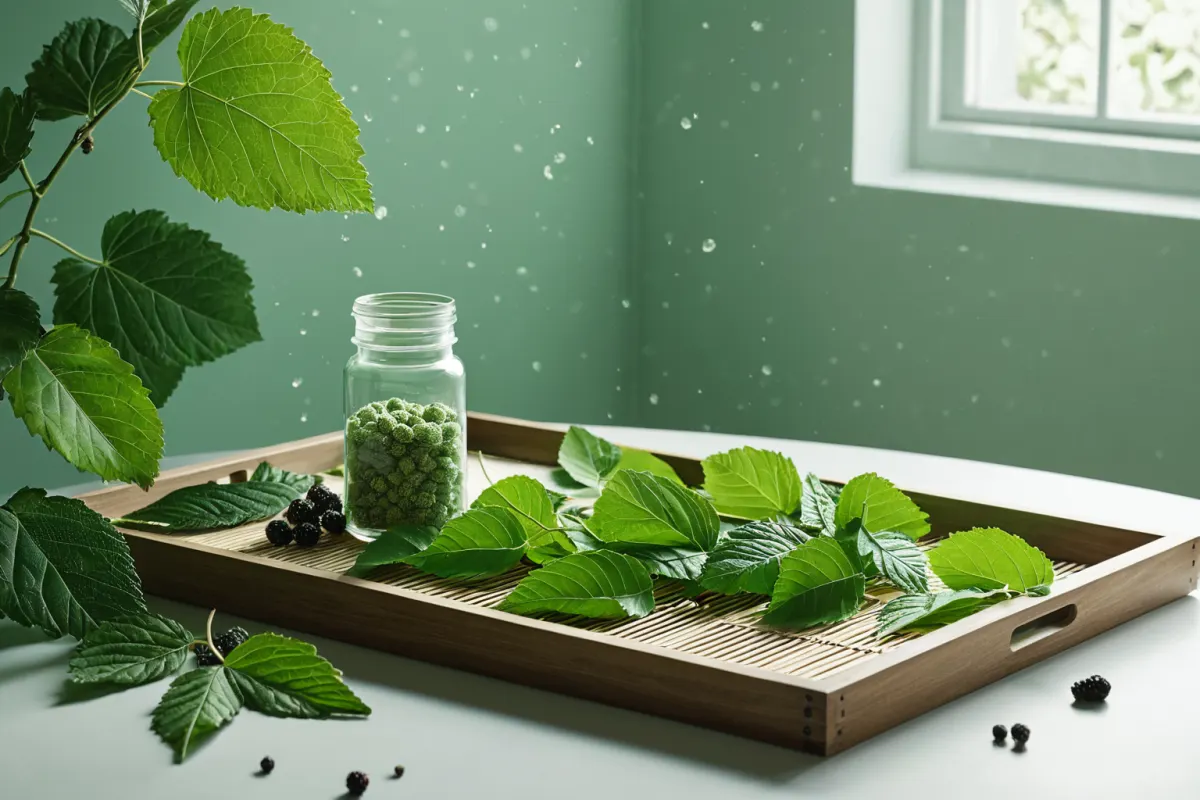
Maintaining moderate temperature is key—avoid places where direct sunlight hits or near heat sources like electronics. Humidity matters too: if it’s too dry, leaves will dry out; if too humid, mold can grow easily. Aim for “good airflow without being damp” to keep things balanced.
Most Common Mistakes in Silkworm Rearing (Based on Experience)
The most frequent mistake beginners make is leaving mulberry leaves for too long. Even if they look fine at first, they quickly lose moisture and silkworms will eat them less. If the leaves are drooping or turning yellowish, replace them with fresh ones.
Another common error is adding too many leaves at once. This makes it harder to manage because leftover leaves dry out or get contaminated faster. For beginners, “a little bit often” is best. For example, if you’re raising just a few silkworms, check their food twice daily and add only what they need.
Some people try adding water separately, but silkworms usually get enough moisture from mulberry leaves—so there’s rarely a need for a water dish. In fact, adding one can cause spills or make the environment messier. Keeping leaves fresh and the container clean is more important than offering extra water.
Environmental Changes Affect Silkworm Health
Silkworms are sensitive to temperature changes, so avoid placing them near drafts from air conditioning or sudden sunlight shifts. For example, if a spot gets warm during the day but cools down at night, silkworms may eat less. Place containers in areas where people walk by often but temperatures stay stable.
Humidity is another common issue. If the floor stays wet for too long, it becomes unhygienic; if too dry, silkworms might struggle to move around. To avoid this, change bedding regularly and remove any surface moisture from leaves before adding them. Over-spraying with water should be avoided.
Overcrowding your container with decorations or unnecessary items makes care harder. Keep things simple: separate food areas from resting spots. As long as you follow the three principles of fresh mulberry leaves, good airflow, and cleanliness, beginners can manage silkworms just fine.
Solving Common Beginner Questions
If your silkworms aren’t eating well, first check their leaves—they might be too cold or dry. Also, if the container is dirty or cramped, they may lose interest in food. In such cases, replace the leaves and clean out droppings before waiting a bit to see improvement.
If silkworms stay on the bottom without moving much, consider stress or environmental changes. Instead of touching them immediately, check temperature and airflow first. Handling them too often can add stress, so only move them when necessary—and do it gently.
When they start building cocoons, avoid disturbing them as much as possible. This is a critical stage where their body structure forms. Many beginners end up learning from experience that “leaving them alone” was the best choice during this phase.
Key Takeaway: Consistent Observation Is Essential
Rearing silkworms depends more on consistent daily habits than fancy equipment. With fresh mulberry leaves, a clean container, and stable room conditions, even beginners can succeed. Most importantly, checking food freshness and cleanliness regularly will greatly reduce failure rates.
It’s normal to feel overwhelmed by small mistakes at first, but observing your silkworms for just a few minutes each day will help you get the hang of it quickly. While this article shares general tips, remember that every home environment is different—adjust based on your own conditions. For up-to-date information or breed-specific details, always refer to official sources and trusted guides.
Most importantly, think of silkworm rearing as a gradual learning process—not about getting everything perfect right away. Beginners should start with small numbers to build confidence before scaling up. That way, you’ll enjoy the observation more than worrying about potential failures.
FAQ
Q1. What is the most important item for silkworm rearing?
A. Fresh mulberry leaves and a clean container are the most essential items. Since silkworms are sensitive to food quality, confirm that you can reliably get fresh mulberry leaves before starting.
Q2. Do silkworms need extra water?
A. No, they usually get enough moisture from mulberry leaves, so a separate water dish isn’t needed. Keeping the leaves fresh and clean is more important than adding water.
Q3. What should I do when silkworms start building cocoons?
A. Try to avoid disturbing them as much as possible. During cocoon formation, minimal disturbance helps ensure proper development. For detailed care tips during this stage, refer to official guidelines if available.
FAQ
What is the most important item for silkworm rearing?
Fresh mulberry leaves and a clean container are the most essential items. Since silkworms are sensitive to food quality, confirm that you can reliably get fresh mulberry leaves before starting.
Do silkworms need extra water?
No, they usually get enough moisture from mulberry leaves, so a separate water dish isn't needed. Keeping the leaves fresh and clean is more important than adding water.
What should I do when silkworms start building cocoons?
Try to avoid disturbing them as much as possible. During cocoon formation, minimal disturbance helps ensure proper development. For detailed care tips during this stage, refer to official guidelines if available.
Korean Source
This article is an English localization of a Korean-language report from BlogScore. Original: 누에 키우기 후기와 초보자가 자주 하는 실수 해결 방법