
Short-Term Bond Issuance Hits Record High in First Half of 2026, Market Response?
Record Short-Term Bond Issuance
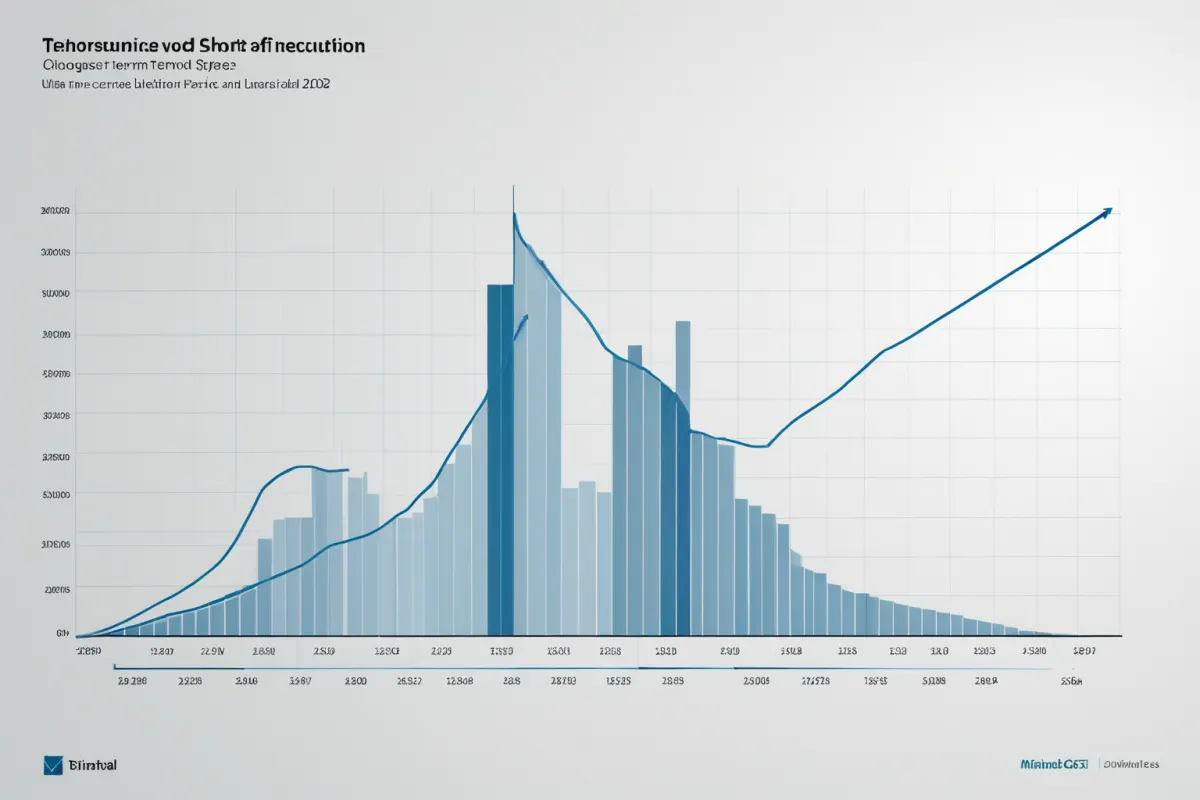
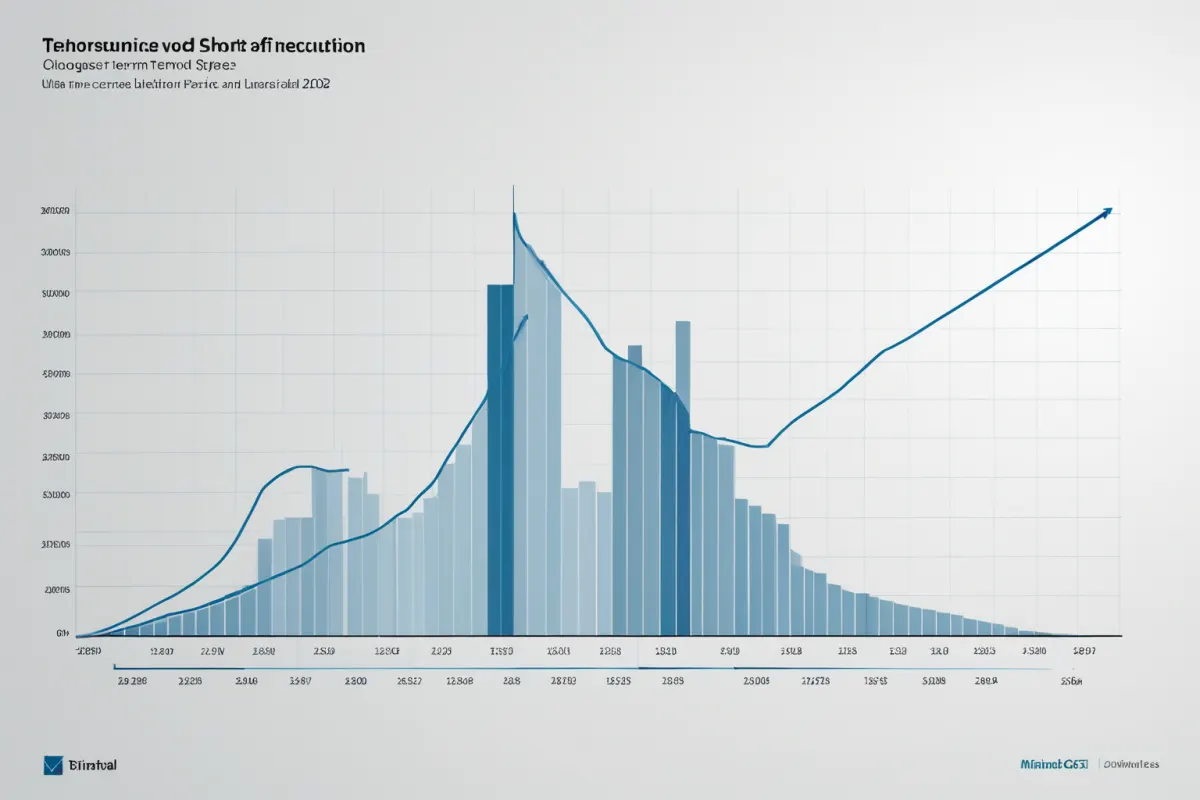
South Korea's short-term bond issuance in the first half of 2026 reached a record high of 990 trillion won, marking the highest quarterly figure on record. This represents a 90% increase compared to the previous year, reflecting a growing trend of increased demand for short-term corporate funds and reduced long-term financing, leading to a polarization in the financial market.
Financial markets report that combined issuance of commercial paper (CP) and short-term bonds totaled between 1,270-1,272 trillion won. The proportion of corporate bills and short-term bonds has increased rapidly, with companies increasingly opting for short-term financing over long-term options, raising concerns about refinancing pressures.
According to the Financial Supervisory Service (FSS) and Korea Securities Depository (KSD), first-half short-term bond issuance reached 990 trillion won, a 90.3% year-on-year increase. This surge is attributed to heightened interest rate volatility and stock market instability, leading companies to prefer short-term funding solutions.
The rapid rise in short-term bond issuance has intensified polarization within the capital markets. While large corporations have reduced stock issuances, structural changes are emerging in the capital market, though many companies remain heavily reliant on short-term financing—a situation analysts describe as a 'financial winter' for the sector.

Main Causes of Rising Short-Term Bond Issuance
The sharp increase in first-half short-term bond issuance is driven by higher demand for short-term corporate funds, alongside increased funding needs from securities firms. The so-called 'debt investment boom' has led companies to increasingly use short-term financial products for funding, rapidly expanding the proportion of short-term bonds issued.
According to a Financial Supervisory Service report, while long-term bond issuance by corporations is declining, short-term bond issuance is surging, deepening market polarization. This trend reflects companies' growing preference for short-term responses over long-term financing amid rising interest rate volatility and stock market instability.
The combined issuance of commercial paper (CP) and short-term bonds has risen to 1,270 trillion won, driven by the rapid increase in corporate bills and short-term bond issuance. Notably, a decline in stock issuances by large corporations is contributing to structural changes within the capital market.
The growing demand for short-term funding from securities firms and companies has exacerbated market instability. Data from the Korea Securities Depository shows that short-term bond issuance has significantly increased compared to the previous year, drawing considerable attention in the market.
Impact on Corporate Refinancing Pressure
The surge in first-half short-term bond issuance has also intensified refinancing pressure for companies. Combined issuance of corporate bills and short-term bonds totaled 1,272 trillion won, indicating a rapid expansion in funding reliance on short-term financial instruments.
As companies increasingly prefer short-term bonds over long-term debt, their refinancing cycles have shortened, making their financial structures more sensitive to short-term volatility. This trend has been further reinforced by rising interest rates and stock market instability, leading firms to favor short-term financing solutions.
The Financial Supervisory Service is closely monitoring the increasing refinancing burden on companies while continuously tracking structural changes in the financial markets. While the decline in large corporations' stock issuances has signaled a positive shift in market polarization, reliance on short-term funding remains high.
Long-Term Market Shifts and Response Strategies
The sharp rise in short-term bond issuance reflects deeper structural changes within capital markets. With companies increasingly favoring short-term financing over long-term options, responding to interest rate volatility and stock market instability has become essential.
The Financial Supervisory Service recommends improving corporate financial structures by increasing the proportion of long-term funding. It also emphasizes the need for policy support to enhance market stability by reducing reliance on short-term financing and promoting diversified funding strategies.
Securities firms and companies must reduce their dependence on short-term funding and develop long-term financial strategies. To this end, the Financial Supervisory Service encourages businesses to diversify their funding approaches, aiming to stabilize capital markets and mitigate risks associated with short-term volatility.
Key Information to Note
The increase in short-term bond issuance during the first half of 2026 has drawn significant attention in South Korea's financial market. This trend is driven by heightened demand for short-term funds from both companies and securities firms, alongside rising interest rate volatility and stock market instability. According to the Korea Securities Depository, short-term bond issuance reached a record high of 990 trillion won in the first half of 2026—a 90% year-on-year increase.
Combined issuance of commercial paper (CP) and short-term bonds totaled between 1,270-1,272 trillion won, reflecting a rapid rise in corporate bills and short-term bond issuance. Notably, structural changes are emerging in the capital market as large corporations reduce stock issuances.
The Financial Supervisory Service is monitoring rising refinancing pressures on companies and recommends reducing reliance on short-term funding while increasing long-term financing to enhance market stability. This underscores the need for policy support aimed at improving corporate financial structures.
Frequently Asked Questions
Q: What are the main causes of increased short-term bond issuance?
The surge in short-term bond issuance is driven by heightened demand for short-term funds from companies and securities firms, coupled with a reduction in long-term financing. Increased interest rate volatility and stock market instability have further reinforced companies' preference for short-term funding solutions.
Q: What is the combined issuance of commercial paper (CP) and short-term bonds?
The combined issuance of commercial paper (CP) and short-term bonds reached 1,270-1,272 trillion won. This reflects a rapid increase in corporate bills and short-term bond issuance.
Q: What impact does increased short-term bond issuance have on companies?
The rise in short-term bond issuance increases refinancing pressures on companies and makes their financial structures more sensitive to short-term volatility. To address this, the Financial Supervisory Service recommends expanding long-term funding ratios and diversifying financing strategies.
Frequently Asked Questions
In the first half of 2026, South Korea's short-term bond issuance reached a record high of 990 trillion won due to increased demand for short-term funds from companies and securities firms, alongside rising interest rate volatility and stock market instability. This has intensified capital market polarization and raised refinancing pressures on businesses.
The Financial Supervisory Service recommends improving corporate financial structures by expanding long-term funding ratios and diversifying financing strategies to stabilize the capital markets. Companies must reduce their reliance on short-term funding and focus on developing long-term financial plans to navigate market uncertainty effectively.
The surge in short-term bond issuance signals a structural shift in capital markets, making it crucial for future financial policies and corporate financial strategies to address these changes. Companies should prioritize building long-term financial plans that can withstand short-term volatility to overcome market uncertainties.
You can explore similar articles on this topic in one place.
View Related ArticlesFAQ
What are the main causes of increased short-term bond issuance?
The surge in short-term bond issuance is driven by heightened demand for short-term funds from companies and securities firms, coupled with a reduction in long-term financing. Increased interest rate volatility and stock market instability have further reinforced companies' preference for short-term funding solutions.
What is the combined issuance of commercial paper (CP) and short-term bonds?
The combined issuance of commercial paper (CP) and short-term bonds reached 1,270-1,272 trillion won. This reflects a rapid increase in corporate bills and short-term bond issuance.
What impact does increased short-term bond issuance have on companies?
The rise in short-term bond issuance increases refinancing pressures on companies and makes their financial structures more sensitive to short-term volatility. To address this, the Financial Supervisory Service recommends expanding long-term funding ratios and diversifying financing strategies.
Korean Source
This article is an English localization of a Korean-language report from BlogScore. Original: 단기사채 발행액 상반기 역대 최대, 시장 반응은?