
Severe Side Pain: How It Differs from Back Pain and Management Tips
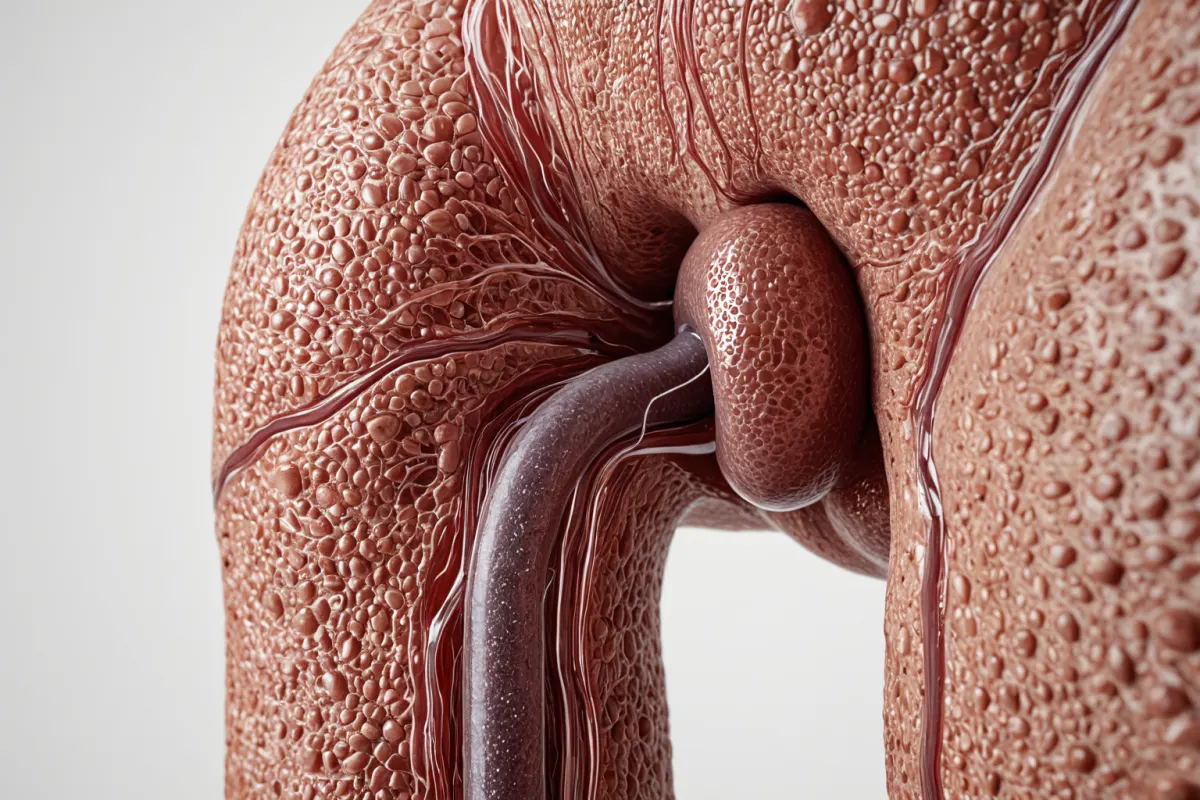
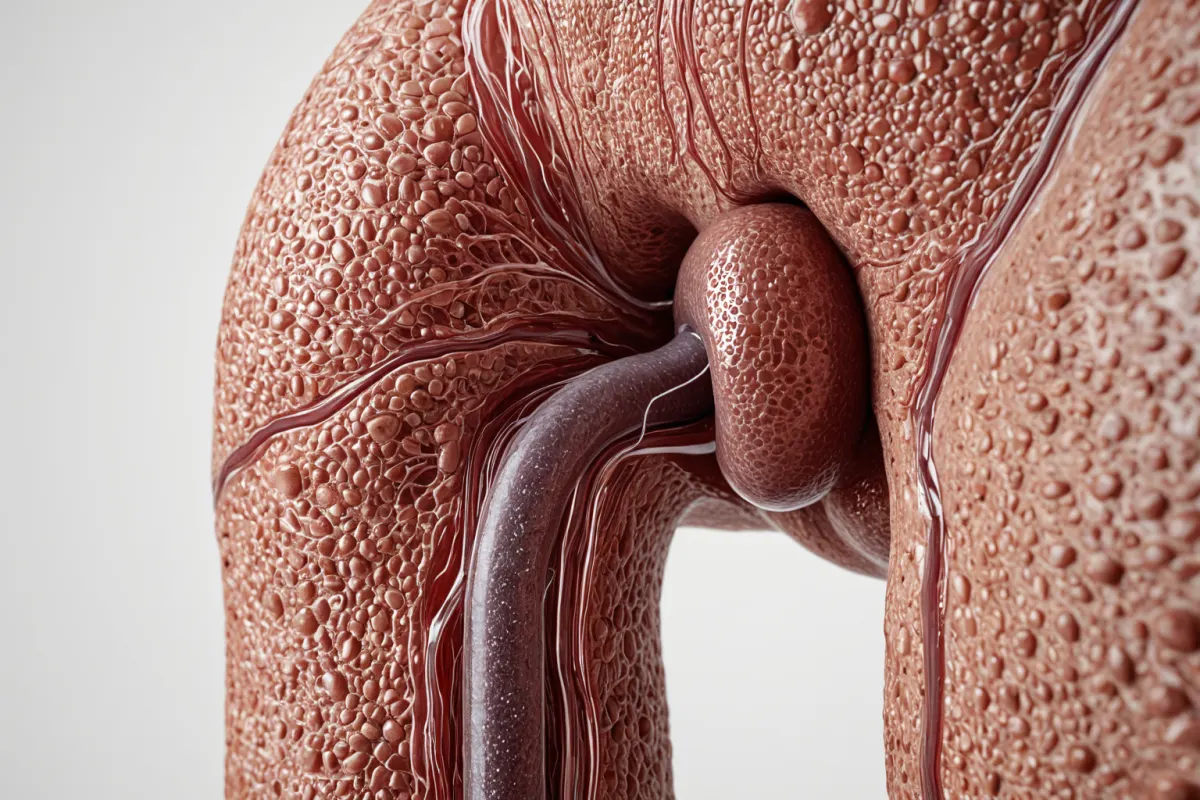
Severe side pain is often caused by urinary tract stones or kidney cancer and should be distinguished from lower back pain. Urinary tract stones typically cause sudden pain that can worsen in summer and during seasonal changes. Accurate diagnosis requires a urology examination, with adequate hydration and medical consultation recommended as management strategies.
Distinguishing Side Pain from Back Pain
Side pain is often confused with back pain, but the key difference lies in location and cause. Lower back pain usually occurs at the back of the waist, while side pain caused by urinary tract stones typically starts on the side and spreads toward the abdomen. Some patients describe a sensation similar to wearing a tight belt around their waist.
If you receive a 'normal' diagnosis from an orthopedic specialist but symptoms persist, a urology examination is recommended. This could indicate urinary tract stones or kidney-related issues. A 2017 Health Trend report emphasized the importance of additional testing after an orthopedic diagnosis, which remains a key diagnostic step today.

When Urinary Tract Stones Worsen and Their Causes
Urinary tract stones often cause more severe pain in summer and during seasonal changes. This is because dehydration occurs more easily during these periods. Concentrated urine due to insufficient water intake promotes stone formation, while temperature changes can worsen blood circulation, intensifying pain.
Notably, a 2016 Kyunghyang Shinmun report and a 2022 Health Trend article highlighted the increased risk of urinary tract stones in summer. A 2017 Health Trend piece discussed seasonal management techniques, while a 2024 Jeonmin Ilbo article covered recent symptoms and treatments, reflecting ongoing public interest. According to a 2023 report by the Korean Urological Association, urinary tract stone diagnoses increase by an average of 30% in summer.
Causes: Urinary Tract Stones vs. Kidney Cancer
The primary cause of severe side pain is urinary tract stones, though kidney cancer should also be considered in some cases. Urinary tract stones form when minerals like calcium and uric acid concentrate in urine. Pain often starts suddenly and may be accompanied by blood during urination.
In the case of kidney cancer, side pain may occur alongside symptoms such as weight loss and fatigue, which can indicate declining kidney function. Accurate diagnosis requires ultrasound or CT scans. A 2021 study by the Korean Cancer Society reported that approximately 40% of kidney cancer patients cited side pain as their primary symptom.
Dehydration can worsen side pain. Osteoporosis may also be linked to side pain, but it is a secondary factor rather than a primary cause. A 2019 study by the Korean Society for Bone and Mineral Metabolism found that about 15% of osteoporosis patients reported side pain, though this was not directly related to stone formation.
Management and Safety Information
The most important management strategy for urinary tract stones is adequate hydration. Drinking 2-3 liters of water daily helps reduce urine concentration and prevent stone formation. For pain relief, diagnosis by a urologist and treatments such as medication or endoscopic surgery are effective.
A 2024 Jeonmin Ilbo article noted that safe surgical treatment options now exist for elderly patients aged 65 and older, made possible by recent medical advancements reducing surgical risks. According to a 2023 report by the Korean Urological Association, recovery time after endoscopic surgery averages 3-5 days, making it suitable even for elderly patients.
Special attention is needed during summer and seasonal changes. In addition to adequate water intake, proper temperature management can improve blood circulation. A 2016 Kyunghyang Shinmun report emphasized hydration as a key strategy for managing urinary tract stones in summer—a recommendation still valid today. During seasonal changes, light stretching or massage may help improve blood circulation affected by temperature fluctuations.
Important Information to Verify
If side pain persists, seek an accurate diagnosis. It's common to confuse it with back pain, so visiting only an orthopedist may not be appropriate. A 2017 Health Trend report recommended regular check-ups and adequate hydration for managing urinary tract stones during seasonal changes.
Urinary tract stones can cause sudden severe pain, so immediate medical attention is necessary if pain intensifies. A 2016 Kyunghyang Shinmun article stressed the importance of urine tests at emergency rooms when seeking treatment for summer urinary tract stones.
In cases of kidney cancer, side pain may be accompanied by symptoms like weight loss and fatigue, which could indicate declining kidney function. The Korean Cancer Society's 2021 report recommended regular ultrasound screenings for early detection of kidney cancer.
Frequently Asked Questions
How does side pain differ from back pain?
Side pain typically starts on the side and spreads toward the abdomen, while lower back pain occurs at the back of the waist. Pain from urinary tract stones often worsens suddenly and may be accompanied by blood during urination.
Why do urinary tract stones worsen in summer?
Summer increases the risk of dehydration, leading to more concentrated urine that promotes stone formation and intensifies pain.
Can elderly patients undergo surgery for urinary tract stones?
Yes, even those aged 65 and older can safely receive surgical treatment. Recent medical advancements have reduced surgical risks.
You can view similar articles in one place.
View Related ArticlesFAQ
How does side pain differ from back pain?
Side pain typically starts on the side and spreads toward the abdomen, while lower back pain occurs at the back of the waist. Pain from urinary tract stones often worsens suddenly and may be accompanied by blood during urination.
Why do urinary tract stones worsen in summer?
Summer increases the risk of dehydration, leading to more concentrated urine that promotes stone formation and intensifies pain.
Can elderly patients undergo surgery for urinary tract stones?
Yes, even those aged 65 and older can safely receive surgical treatment. Recent medical advancements have reduced surgical risks.
Korean Source
This article is an English localization of a Korean-language report from BlogScore. Original: 극심한 옆구리통증, 허리 통증과의 차이와 대처법