
Seoul Summer Heatstroke Statistics: Key Risk Factors to Watch Out For
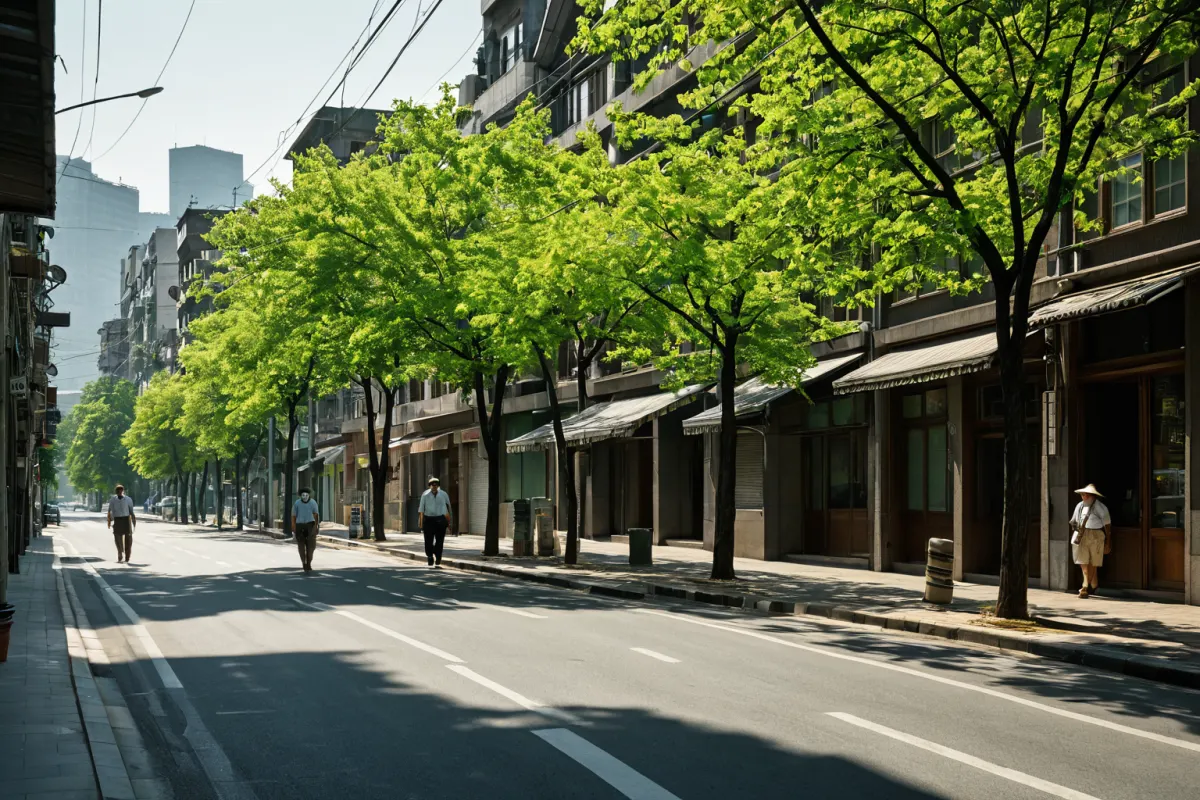
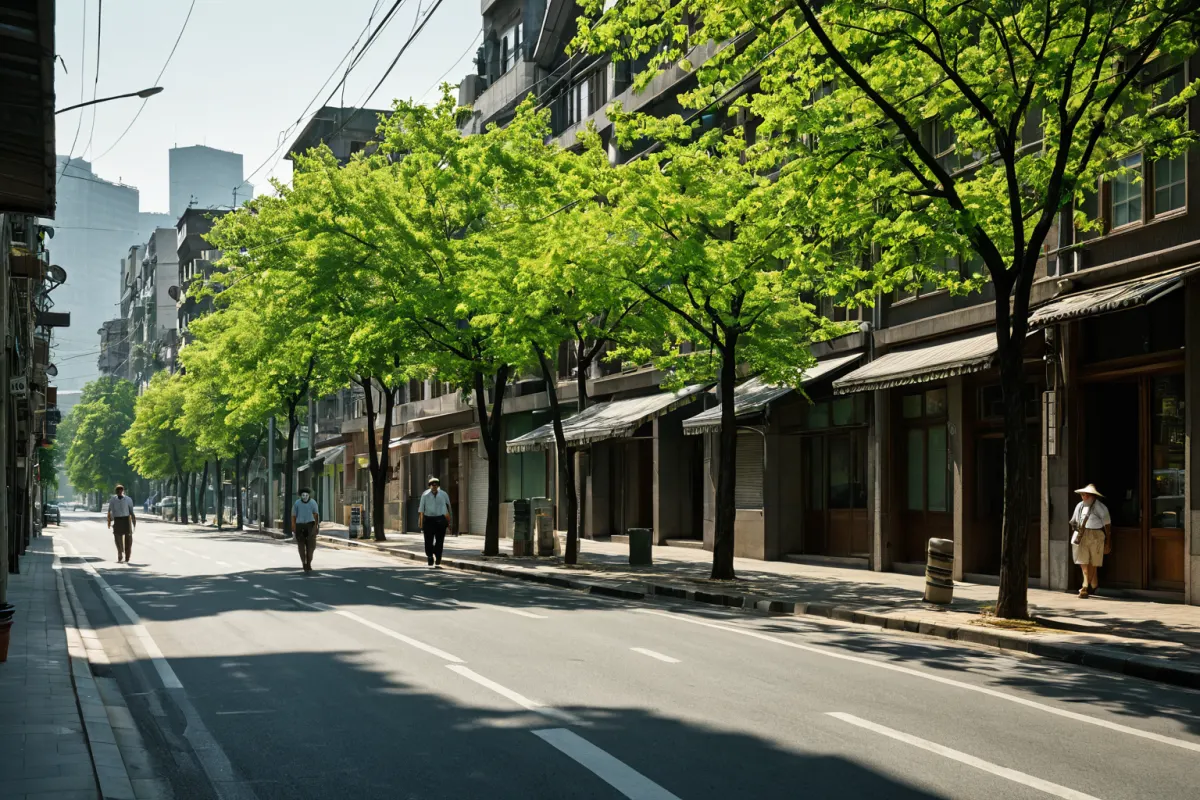
Heatstroke cases in Seoul during summer are on the rise. Particularly, deaths and cumulative cases have increased during heatwaves, with Mapo, Yeongdeungpo, and Gwanak districts reporting the highest number of heat-related illnesses. When perceived temperatures exceed 38°C, the risk of death increases by 16%, and the lack of air conditioning among low-income households is heightening this danger. This reflects the impact of climate change on public health highlighted in the government's '2024 Extreme Weather Report.'
Seoul Heatstroke Statistics: Accumulated Cases and Death Trends
In summer 2026, heatstroke cases in Seoul surged. Deaths began occurring from the first day of the May heatwave, with cumulative cases reaching 144 by July. Particularly alarming was a record two deaths due to extreme heat at the beginning of August (the highest for this year), sparking public concern. These trends were confirmed through Seoul City Health Center statistics and the government's joint '2024 Extreme Weather Report.'
The districts with the most heatstroke cases in Seoul were Mapo, Yeongdeungpo, and Gwanak. This appears to be influenced by differences in population density and housing conditions within urban areas. In Seoul, heatstroke incidents are concentrated during morning hours and among elderly residents, while Gyeonggi Province shows a trend of higher occurrences during afternoon hours and at workplaces.
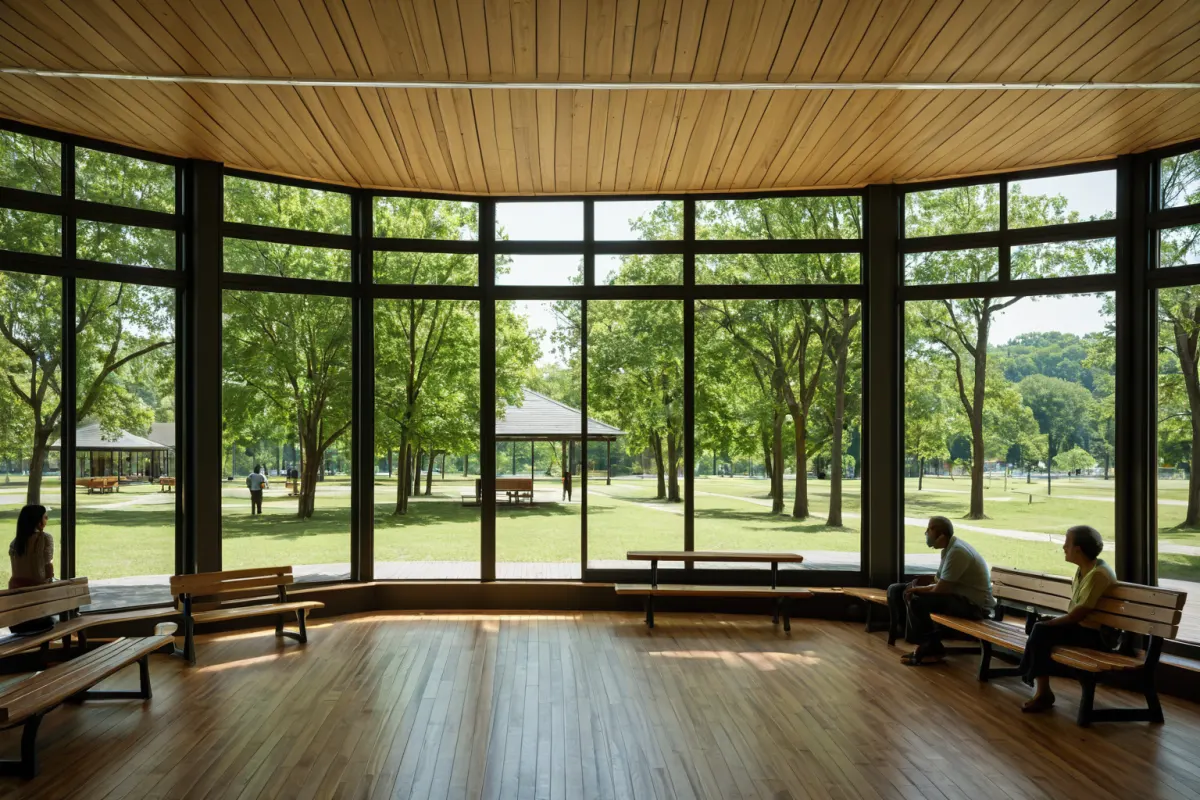
Timing and Demographic Characteristics of Heatstroke Occurrences
In Seoul, heatstroke cases predominantly occur during morning hours and among the elderly. This is attributed to older adults being more sensitive to heatwaves and struggling with temperature regulation between early morning and evening. In contrast, in Gyeonggi Province, heatstroke incidents are concentrated during afternoon hours and at workplaces.
On May 1st of 2026, the first day of a heatwave, deaths were reported, marking an instance of excess mortality due to extreme heat that drew attention. According to a Seoul Institute report, excess deaths from heatwaves average around 200 annually, indicating a public health crisis.
Relationship Between Perceived Temperature and Death Risk
A report indicates that when perceived temperatures exceed 38°C, the risk of death increases by 16%. This finding comes from joint analysis by the Korea Meteorological Administration and Seoul City Health Center, suggesting a need for preventive measures based on perceived temperature. Especially vulnerable are elderly individuals and low-income households, making their safety management urgent.
On July 7th, 2026, a report was released showing increased death risks when perceived temperatures exceeded 38°C, which has been used as key data for developing prevention policies. A case in North Jeolla Province involving a 96-year-old elderly person who died from heatstroke while working in the fields during a heatwave is related to this trend.
Vulnerability of Low-Income Households and Air Conditioning Ownership
Among low-income households in Seoul, four out of five do not own air conditioners. This lack significantly increases the risk of heatstroke during heatwaves. The government and Seoul City are implementing programs to support these vulnerable groups with air conditioning.
The Seoul Institute report emphasizes that the absence of air conditioning among low-income residents contributes to higher heatstroke risks, a trend consistently observed in Seoul City Health Center statistics and the government's '2024 Extreme Weather Report.'
Government and Seoul City Response Measures
The government has emphasized the impact of climate change on public health through the '2024 Extreme Weather Report.' Seoul City is conducting on-site inspections to prepare for rainy seasons and heatwaves, with a particular focus on improving housing conditions for low-income residents.
By late July 2026, Seoul City expanded air conditioning support programs across multiple districts and was implementing educational initiatives for heatwave preparedness. These efforts aim to reduce the risk of heatstroke among low-income populations.
Safety Information for Heatstroke Prevention
To prevent heatstroke, it is recommended to avoid going out when perceived temperatures exceed 38°C, and to improve housing conditions for elderly and low-income residents. In areas with low air conditioning ownership, providing portable cooling facilities can be effective.
Seoul City has expanded cooling spaces in public facilities during heatwaves and is conducting safety education targeted at the elderly and low-income groups. These measures directly contribute to preventing heatstroke incidents.
Verified Information: Reliability of Statistics and Policy Effectiveness
Heatstroke statistics for Seoul were released through joint collaboration between the Seoul City Health Center and the government's '2024 Extreme Weather Report.' This data identifies areas for improvement in existing heatwave response policies and helps ensure that low-income support programs are effective.
The statistical data is based on summer 2026, confirmed by a joint survey conducted by Seoul City Health Center and the Seoul Institute. The government's '2024 Extreme Weather Report' has served as an important reference for developing climate change response policies.
Frequently Asked Questions
How does the risk of death increase when perceived temperatures exceed 38°C?
A report indicates that when perceived temperatures exceed 38°C, the risk of death increases by 16%. This finding comes from joint analysis by the Korea Meteorological Administration and Seoul City Health Center, highlighting the need for preventive measures based on perceived temperature.
Which districts in Seoul have reported the highest number of heatstroke cases?
The districts with the most heatstroke cases in Seoul were Mapo, Yeongdeungpo, and Gwanak. This appears to be influenced by differences in population density and housing conditions within urban areas.
What is the air conditioning ownership rate among low-income households in Seoul?
Among low-income households in Seoul, four out of five do not own air conditioners. This lack significantly increases the risk of heatstroke during heatwaves.
Frequently Asked Questions
Seoul's summer heatstroke statistics show a rising trend in deaths and cumulative cases during heatwaves. Specifically, when perceived temperatures exceed 38°C, the death risk increases by 16%, and the lack of air conditioning among low-income households heightens this danger. This reflects the government's '2024 Extreme Weather Report,' which emphasizes climate change's impact on public health.
Seoul City and the government are working to prevent heatstroke through support programs for vulnerable groups and on-site inspections for heatwave preparedness. For these policies to be effective, improving housing conditions for elderly and low-income residents and implementing prevention strategies based on perceived temperature are essential.
The 2026 summer statistics will serve as an important reference for developing future public health responses to climate change. This represents a crucial step toward addressing the issue of excess mortality due to heatwaves.
You can view similar articles on this topic in one place.
View Related ArticlesFAQ
How does the risk of death increase when perceived temperatures exceed 38°C?
A report indicates that when perceived temperatures exceed 38°C, the risk of death increases by 16%. This finding comes from joint analysis by the Korea Meteorological Administration and Seoul City Health Center, highlighting the need for preventive measures based on perceived temperature.
Which districts in Seoul have reported the highest number of heatstroke cases?
The districts with the most heatstroke cases in Seoul were Mapo, Yeongdeungpo, and Gwanak. This appears to be influenced by differences in population density and housing conditions within urban areas.
What is the air conditioning ownership rate among low-income households in Seoul?
Among low-income households in Seoul, four out of five do not own air conditioners. This lack significantly increases the risk of heatstroke during heatwaves.
Korean Source
This article is an English localization of a Korean-language report from BlogScore. Original: 여름철 서울 온열질환자 통계: 주의해야 할 위험 요인