
Seoul Subway Strike Warning: Check Your Commute Route Before You Leave
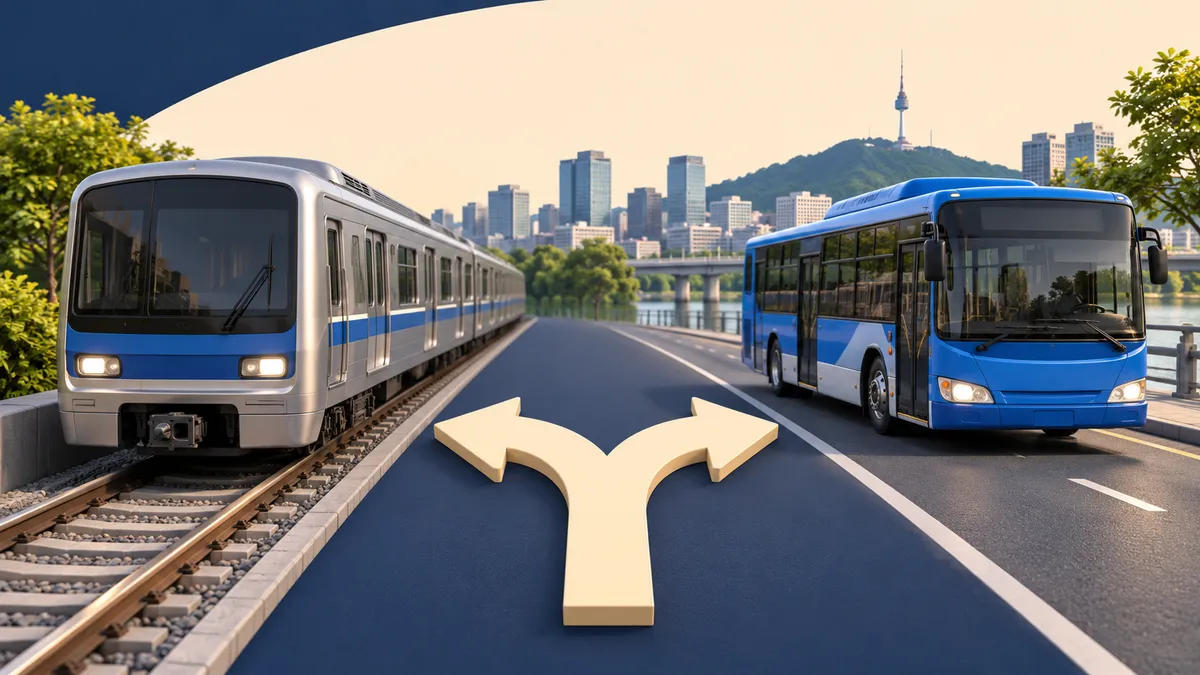
Check the Date First When You See a Strike Warning
When you hear about a subway strike, the first thing to check is whether your specific line and travel date will be affected. Don’t assume all lines will stop running just because of a strike announcement, or rely on your usual estimated arrival times—your commute plan could go off track.
A November 10, 2026 report from Inews24 states that Seoul Metro’s first and second unions will begin partial operations starting November 20, and if negotiations fail, they’ll move to an indefinite strike starting November 25. This is just a warning—actual details may change based on negotiation outcomes. The article doesn’t provide specific delay estimates. Don’t assume this means all lines in the Seoul metropolitan area will stop running. Read the original Inews24 report
This article is based on information available as of November 12, 2026. Always double-check with the latest updates from transportation authorities before your actual travel date.
1. Write Down Your Specific Route Before You Travel
Before you head out, jot down your usual commute route in short notes:
- Departure and arrival stations, direction of travel
- Transfer stations and lines used
- If it’s near first or last train times
- Required arrival time at work, school, or the airport
If you have transfers, check each section separately. Just because a notice mentions a specific operator or line doesn’t mean other similar-named lines will be affected in the same way. Compare your notes with the actual route name, direction, and time period specified in the notice.
Especially if heading to an airport or train station, make sure to also note walking times after arriving by subway—don’t rely solely on app-generated travel estimates for connecting flights or trains. It’s better to check alternative routes just in case your first option isn’t available.
2. Check the Latest Updates for Exact Dates and Changes
The Seoul City website Traffic Information Hub offers real-time updates and links to transportation news. First, find relevant announcements, then check the latest notices from your line’s operating company for actual schedule changes.
Be sure to read both the posting date and effective date of any notice. A post today might start tomorrow, or an older notice could have been updated recently. Don’t just look for “strike” in the title—pay attention to these details:
- Is this a warning or actual implementation?
- What are the effective dates and times (start and end)?
- Are there changes to your specific route’s schedule or frequency?
- Has there been any correction, cancellation, or return to normal service?
Even if a notice mentions morning rush hour adjustments, don’t assume the same applies to afternoon or evening times. Free shuttle buses and extra trains should only be included in your plan after confirming their routes and operating hours from official announcements. Past strike schedules may not apply this time—locations can change.
3. Save Bus Alternatives with Exact Stops and Directions
Instead of collecting multiple alternative routes, prepare one practical option you can actually use. For example, compare a route that minimizes transfers versus one centered around buses, then choose the pickup point closest to your home.
The Seoul City TOPIS Transportation Information tool has bus and subway connection details. When saving a bus alternative, note the route number, stop name, stop number, and direction—this helps avoid boarding the wrong bus at a similar-named stop across the street.
Even if buses go near your destination, check walking distances and road crossings after getting off. If you’re carrying heavy bags or have mobility issues, factor in not just travel time but also boarding and transfer effort.
Bus travel times can vary based on traffic—don’t assume they’ll match subway times simply because an app says so. Always include departure time, expected cost, and backup options if your first choice isn’t possible.
4. Double-Check the Night Before and Right Before Leaving
Before bed, review the latest strike updates and alternative routes. Just before leaving, check for any last-minute changes or arrival information. Include the time you checked in your saved notes to avoid confusion with old updates.
If real-time info isn’t available, don’t assume a shutdown—conversely, don’t assume normal service just because usual schedules show up. When in doubt, refer directly to official announcements.
Once at the station, follow digital displays and on-site signs. If platforms are crowded, avoid rushing for your train or getting stuck between closing doors—opt for the next train or your backup plan instead. For important appointments, let others know you might be delayed due to transit changes.
If switching to buses during your commute, double-check your belongings before getting off. Lost items can be reported via Seoul Bus Lost Property Guide.
Before leaving, confirm these three things: your line’s latest notice, where to board the backup route, and your return path. This ensures your full day of travel plans are covered.
※ Source documents and official service menu check date: November 12, 2026. Actual operation rates, delays, and free alternative transport details were not confirmed in this article—always verify with the latest announcements on your travel day.
The images in this article are AI-generated for illustrative purposes only.
FAQ
When is the next possible subway strike in Seoul?
The potential strike dates mentioned are November 20-25, 2026, but these could change based on negotiations. Always check for the latest updates before your travel date.
How do I find alternative bus routes during a subway strike?
Use Seoul City's TOPIS Transportation Information tool to find exact bus stops, directions, and schedules that match your route.
Korean Source
This article is an English localization of a Korean-language report from BlogScore. Original: 서울 지하철 파업 예고, 출근 전 운행·대체 경로 확인 순서