
Seoul's Southeast Region Issues Heatwave Advisory Again, Response Measures and Precautions
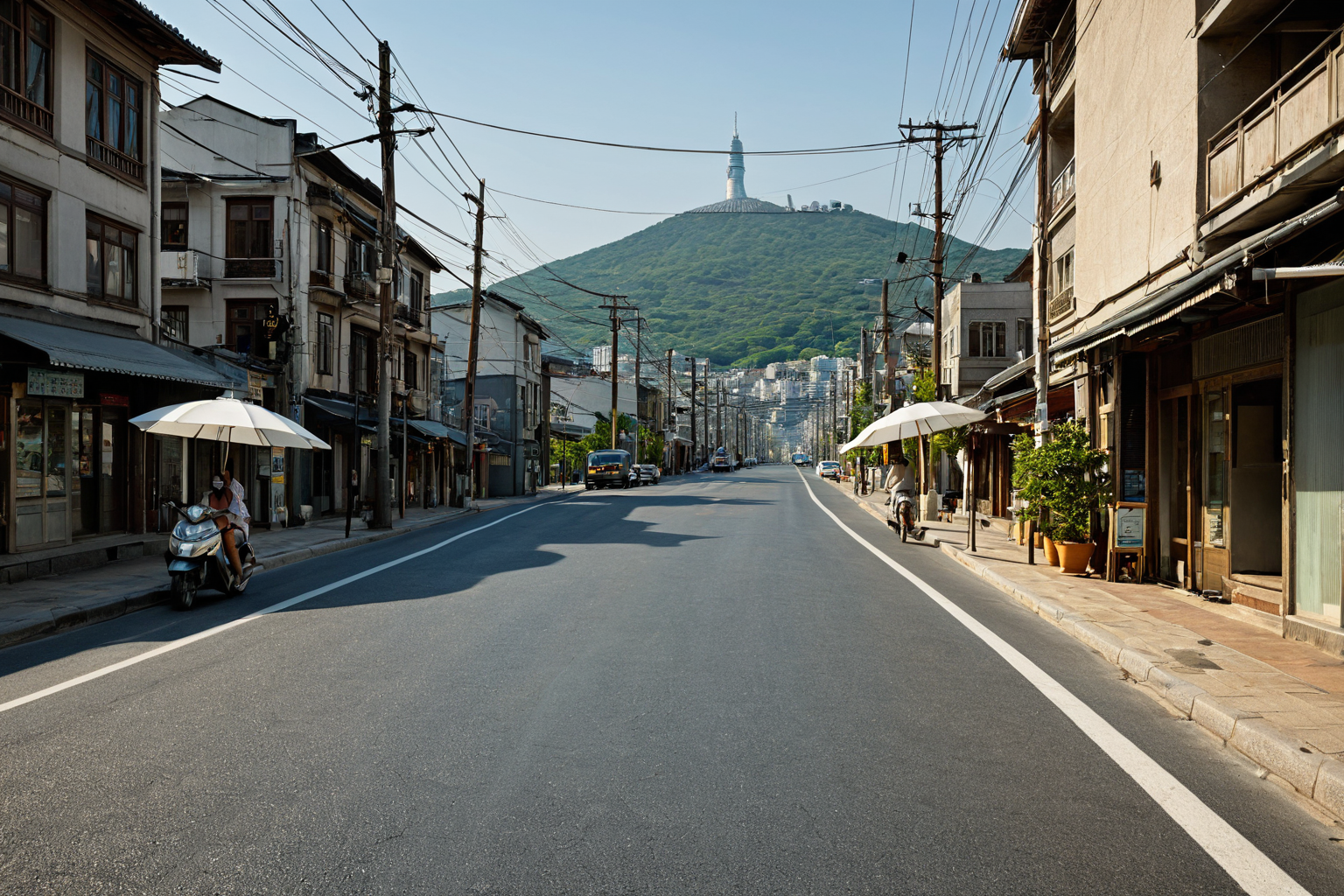
Seoul Southeast Region Reissues Heatwave Advisory
The Seoul southeast region has reissued a heatwave advisory, which occurred just three days after it was lifted. The Seoul City government has restarted its response system and is implementing special management for homeless populations and the elderly, deploying water sprinklers and activating 24-hour emergency response systems to address the situation comprehensively. A heatwave advisory is issued by the Korea Meteorological Administration based on specific criteria: when daily maximum temperatures are expected to reach 33°C or higher. This reissuance follows a previous heatwave warning issued on July 28 for southeastern, northeastern, and southwestern regions of Seoul, and a first-level heatwave emergency alert (heatwave major alert) issued on August 3 for the Seoul-Gyeonggi area. The current situation reflects rapid changes in weather conditions.
Earlier Heatwave Advisory This Year
The first heatwave advisory of this year was issued 12 days earlier than last year, on June 18, 2026. According to the Korea Meteorological Administration, this year's issuance is the earliest in the past five years. The Seoul-Gyeonggi region remains under a heatwave major alert with persistent heat island effects and continued tropical nights, requiring careful health management. Tropical nights refer to nighttime temperatures remaining above 25°C, which can cause sleep disturbances and excessive fatigue, particularly dangerous for the elderly and children.
Regional Response Examples
Gwangjin District has extended its water sprinkler operation hours by two hours as part of a comprehensive response plan. The Seoul City government is providing special management for homeless populations and the elderly, while the Southeast Nuclear Medicine Institute is offering heatwave health lectures to guide temperature regulation methods. Eight cases of heat-related illness were reported yesterday, an increase from the five reported on July 29, suggesting worsening weather conditions. Of these eight cases, six involved elderly individuals, highlighting the urgent need for enhanced health management measures.
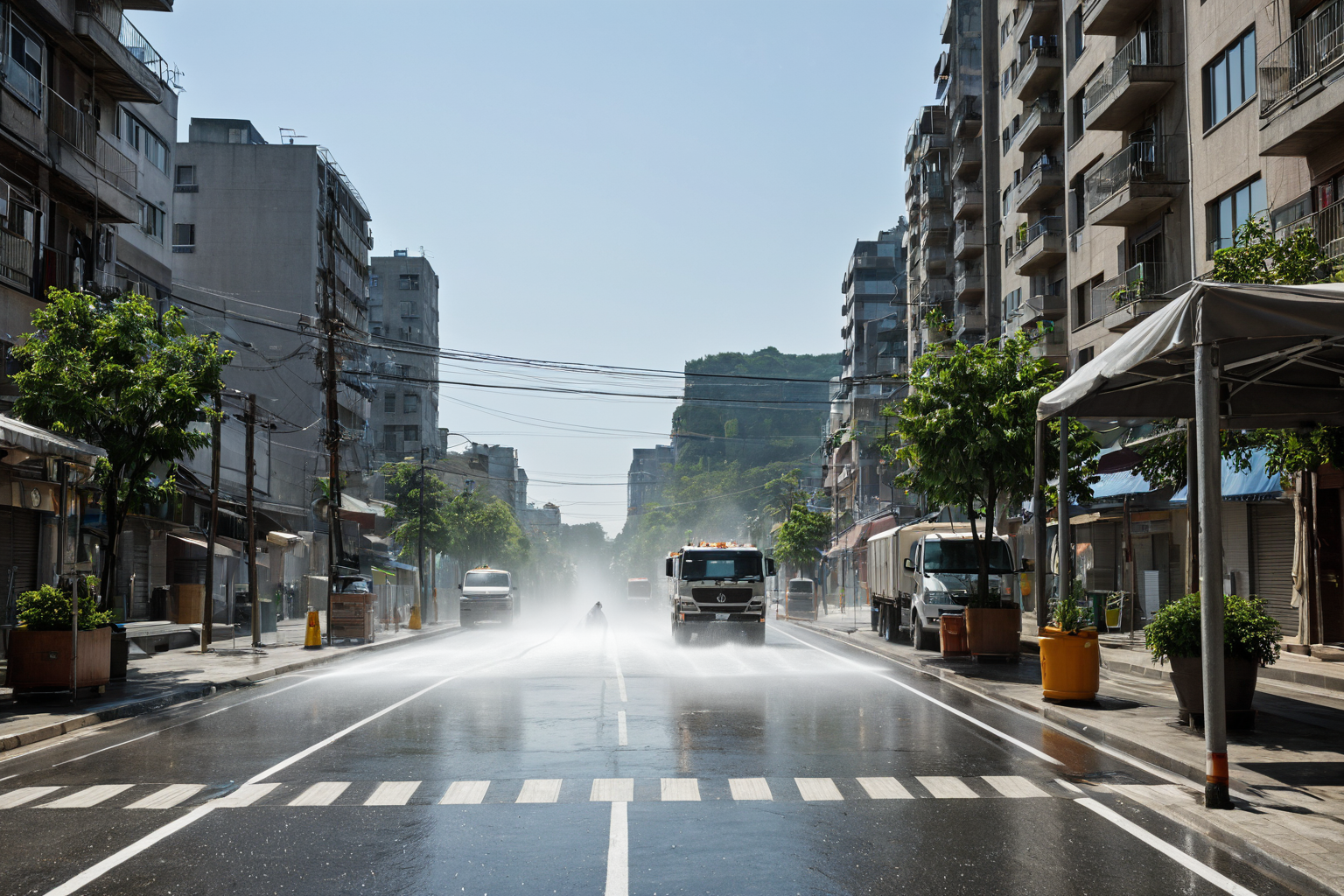
Circumstances of Seoul Southeast Region Heatwave Advisory Reissuance
The heatwave advisory for the Seoul southeast region was reissued on August 14, 2026. Previously, a heatwave alert had been issued for southeastern, northeastern, and southwestern regions of Seoul on July 28, followed by the first-level heatwave emergency alert (heatwave major alert) for the Seoul-Gyeonggi area on August 3. The advisory was reissued three days after its previous lifting, prompting Seoul City to restart its response system and strengthen emergency measures. The Korea Meteorological Administration predicts this heatwave will continue, with particularly noticeable temperature increases in the southeast region due to urban heat island effects.
Heatwave Major Alert and Tropical Night Status
The Seoul-Gyeonggi area remains under a heatwave major alert, which is issued when daily maximum temperatures are expected to exceed 35°C. This level poses serious health risks. Persistent tropical nights—where nighttime temperatures remain above 25°C—disrupt sleep and rest, increasing the risk of physical exhaustion and health issues. Elderly individuals are particularly vulnerable to cardiovascular problems due to sleep disturbances caused by tropical nights.
Seoul City Response Measures
To address the heatwave, Seoul City has deployed water sprinklers and activated a 24-hour emergency response system. Special management for homeless populations and the elderly includes guidance on temperature regulation, while the Southeast Nuclear Medicine Institute is conducting health lectures on managing body temperature during extreme heat. Seoul City has restarted its comprehensive support command center and raised the crisis alert level to 'Caution,' indicating a commitment to mobilizing additional resources and personnel beyond standard response measures.
Heat-Related Illness Cases
Eight cases of heat-related illness were reported yesterday, up from five on July 29. This increase is likely related to worsening weather conditions, with six cases involving the elderly, underscoring the urgent need for enhanced health management measures. Seoul City operates a system to immediately transport and treat individuals suffering from heat-related illnesses.
Regional Comprehensive Plans
Gwangjin District has extended water sprinkler operation hours by two hours as part of its localized response plan. Seoul City has restarted its comprehensive support command center, raising the crisis alert level to 'Caution.' Each district has developed its own heatwave response plans: Gangnam District has established cooling centers in parks and community centers, while Songpa District has expanded home-based health management services for the elderly.
Timing and Area of Heatwave Advisory Issuance
The Seoul southeast region's heatwave advisory was reissued on August 14, 2026. Earlier, on July 29, heat-related illnesses were reported across Seoul, and a first-level heatwave emergency alert (heatwave major alert) was issued for the Seoul-Gyeonggi area on August 3. The Korea Meteorological Administration predicts this heatwave will persist, with particularly noticeable temperature increases in the southeast region due to urban heat island effects.
Precautions During Heatwave Advisory
During a heatwave advisory, extra attention should be paid to managing health for the elderly and vulnerable populations. It's recommended to maintain adequate hydration, use ventilation and air conditioning systems indoors to regulate body temperature, minimize outdoor activities, and schedule rest periods appropriately. Avoid intense sun exposure between 2 p.m. and 5 p.m., when ultraviolet radiation and high temperatures are most severe. After sweating heavily, immediate rehydration is essential.
Information Verification
Information regarding the Seoul southeast region heatwave advisory can be found on the Seoul City website and the Korea Meteorological Administration's official announcements. Additional response measures may be implemented in areas under a heatwave major alert, so regular checks of these notices are recommended. Seoul City provides district-specific heatwave response information to help residents stay informed about real-time conditions.
Frequently Asked Questions
What is the difference between a Heatwave Advisory and a Heatwave Special Alert?
A heatwave advisory warns of potentially dangerous high temperatures, while a heatwave special alert indicates more severe conditions. The highest level, heatwave major alert, requires specific emergency measures.
How should elderly individuals respond to heatwaves?
Elderly individuals often struggle with temperature regulation and are particularly vulnerable during heatwaves. It is recommended they stay indoors, maintain hydration, use ventilation or air conditioning systems, and apply sun protection when going outside.
What should be done if someone experiences heat-related illness?
If heat-related illness is suspected, move the person to a cool area immediately, encourage hydration, and apply cold compresses or wipe with water to help regulate body temperature. Seek medical attention for severe cases.
You can view similar articles in one place.
View Related ArticlesFAQ
What is the difference between a Heatwave Advisory and a Heatwave Special Alert?
A heatwave advisory warns of potentially dangerous high temperatures, while a heatwave special alert indicates more severe conditions. The highest level, heatwave major alert, requires specific emergency measures.
How should elderly individuals respond to heatwaves?
Elderly individuals often struggle with temperature regulation and are particularly vulnerable during heatwaves. It is recommended they stay indoors, maintain hydration, use ventilation or air conditioning systems, and apply sun protection when going outside.
What should be done if someone experiences heat-related illness?
If heat-related illness is suspected, move the person to a cool area immediately, encourage hydration, and apply cold compresses or wipe with water to help regulate body temperature. Seek medical attention for severe cases.
Korean Source
This article is an English localization of a Korean-language report from BlogScore. Original: 서울 동남권 폭염주의보 발령, 대응 방법과 주의 사항