
Seoul's Shinrim Station Fire Evacuation Checklist: What to Do in an Emergency
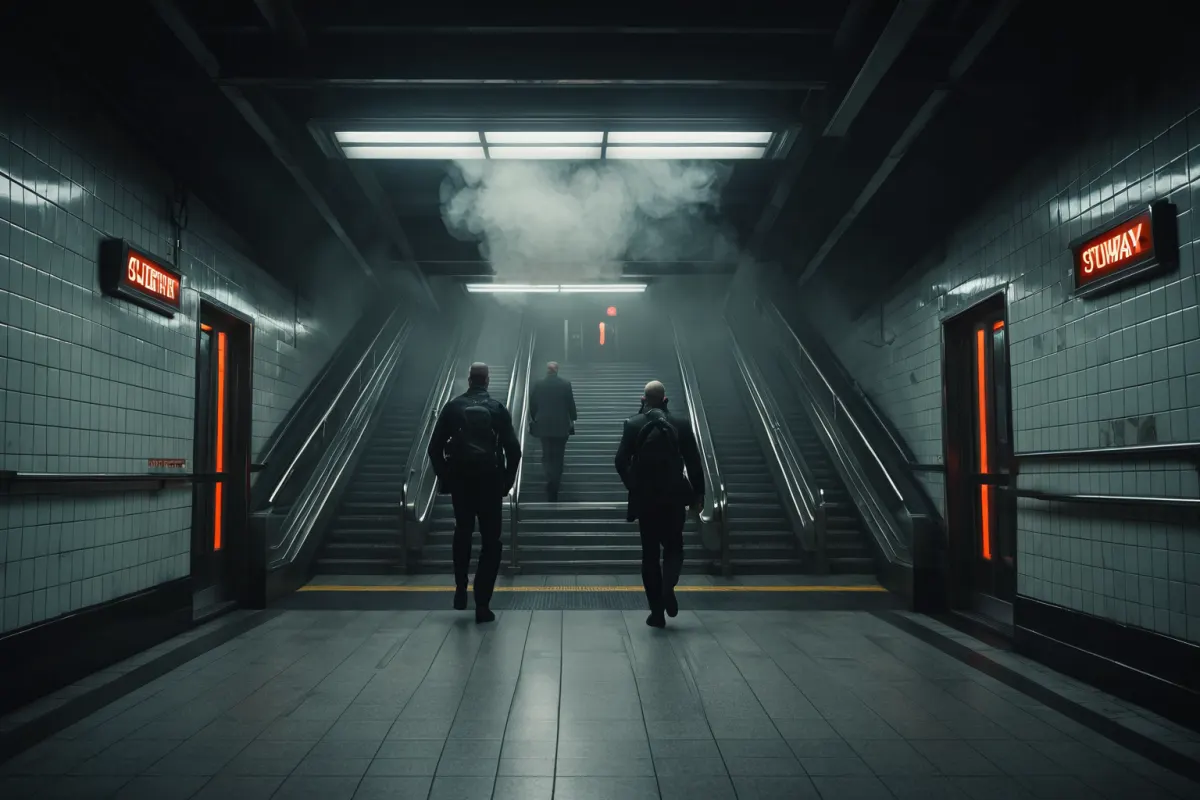
If a fire breaks out at Shinrim Station, the first thing to do is move away from smoke and follow announcements to the nearest exit or emergency staircase. Do not use elevators, and if you feel an entrance is blocked, avoid pushing against crowds in the opposite direction—instead, find another evacuation route. This article provides a practical checklist for evacuating safely during a fire at Shinrim Station.
Immediate Actions When You Spot a Fire
Fires should be addressed as soon as you smell smoke or hear alarms, not after they have spread significantly. Whether on a train or in the platform, stop and assess your surroundings first. Follow staff instructions if you hear them.
Do not rush to cross platforms alone or jump down stairs—these actions can increase danger. If exit directions are unclear, follow the flow of the crowd but stay close to walls to maintain direction.
- Alert others immediately if you smell smoke
- Wait for train doors to open if the train is stopped; do not force them open
- Drop non-essential items even if carrying a bag
- Move according to announcements and staff guidance
You can find similar articles on this topic in one place.
View Related ArticlesCore Evacuation Steps for Shinrim Station Fires
You don’t need to memorize complicated steps—just remember the five key actions: Stop, Check, Move, Protect, Report. This simple sequence helps prevent panic during emergencies.
For example, if you see smoke on the platform, first look toward exits and identify the nearest emergency staircase. If smoke is already descending, move low to the ground and cover your mouth and nose with a damp cloth or clothing.
- 1st step: Check for alarms and smoke
- 2nd step: Confirm directions from station staff, announcements, and signage
- 3rd step: Use stairs or emergency exits instead of elevators
- 4th step: Cover mouth and nose while moving low
- 5th step: After reaching the surface, follow 119 (Korean emergency number) or on-site instructions
Hazards in Evacuation: More Dangerous Than Fire Itself
In fire situations, smoke and rushed movement often cause more injuries than the fire itself. For instance, pushing through stairways can lead to falls, and narrow passages may become even more congested.
Another critical point: elevators are dangerous during fires—they might stop or fail to open. Never assume a short distance makes elevator use safe in an emergency.
Avoid standing still to film videos or check the situation—during disasters, your feet should move before your eyes do.
Effective Evacuation Actions in Real Situations
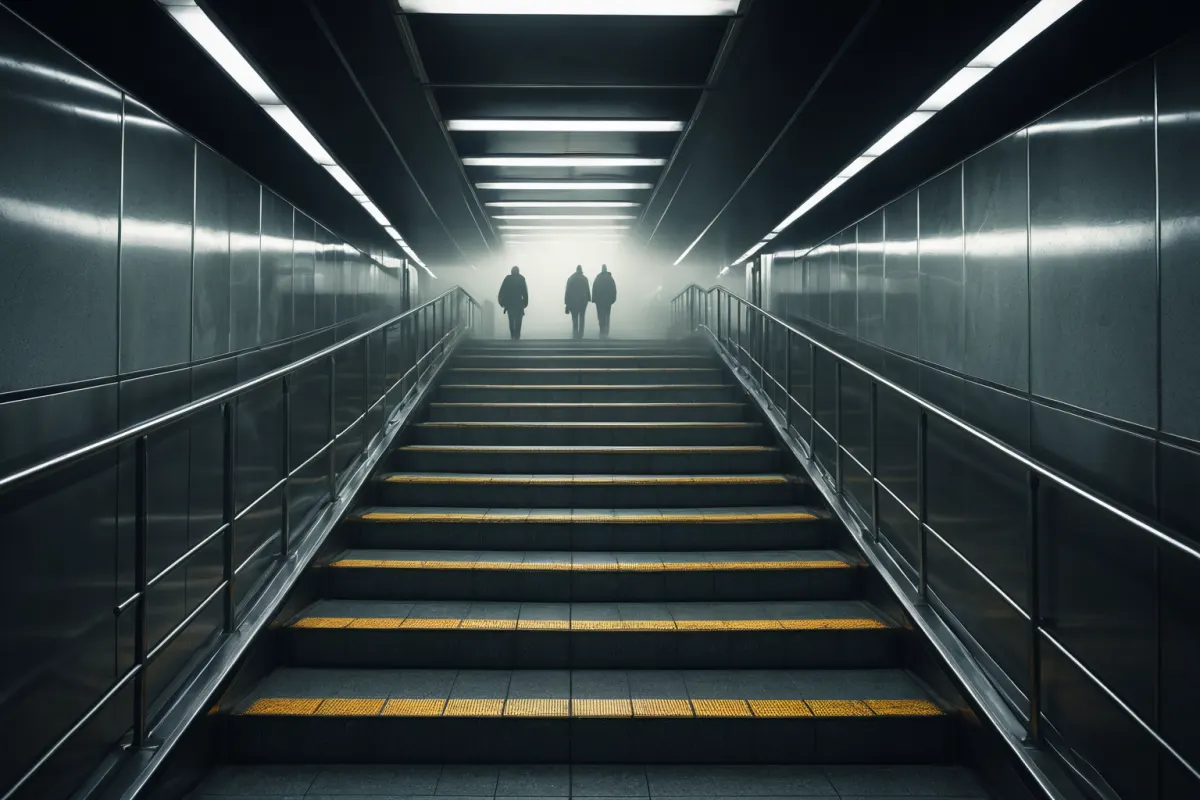
At busy stations like Shinrim Station, it’s more important to evacuate in an orderly manner than to rush ahead. Instead of being swept along by crowds, move slowly while staying close to walls to maintain direction.
Carry bags in front and keep hands free for better movement. Avoid stopping to pick up dropped items unless absolutely necessary—leave them behind. If traveling with children or elderly people, hold their hands and have a clear-eyed person lead the way ahead.
For example, when parents travel with children on the subway, holding hands while moving slowly down stairs is safer than carrying the child—reducing the risk of falls. Wheelchair users or those with mobility issues should seek staff assistance rather than being pulled by passengers.
Key Evacuation Priorities at Shinrim Station
The order in which you choose exits matters. If a nearby exit is blocked by smoke, select an alternative route—don’t stick to familiar exits only, as this can increase risk. Before exiting, prioritize checking for smoke, flames, crowd movement, and announcements.
After reaching the surface, avoid lingering near station entrances. Fires can spread through smoke or reignite, making the area dangerous again. Wait at a safe distance until officials give the all-clear.
- Prioritize directions with less smoke
- Check emergency staircase and exit signs
- Avoid focusing on one crowded exit
- Stay well away from station entrances after exiting
How to Prepare in Advance for a Fire Emergency
Simple habits you can adopt while riding the subway will make evacuation faster. For example, notice emergency exit signs when waiting for trains or memorize platform ends and stair directions.
At complex stations like Shinrim Station—where transfers are frequent—it’s better to focus on the nearest escape route from your current location, not just familiar exits. Memorizing this layout in advance helps during emergencies.
Also, agree with family or companions on a meeting point if separated by smoke. Having a prearranged spot reduces anxiety and confusion when communication is difficult.
After Evacuation: What to Check
Once safely outside, assess your physical condition first. If you’re coughing heavily or have irritated eyes, you may have inhaled smoke—stop moving and check your status before continuing.
Do not return to the station entrance immediately after rescue operations end. Wait for official instructions before moving back, and leave personal belongings for later retrieval as directed by staff.
Keep in mind that emergency protocols can vary based on real-time conditions and site control—always verify the latest information available.
FAQ
Q1. Should I run immediately if a fire alarm sounds at Shinrim Station?
A. Moving slowly but orderly is more important than running. Rushing can lead to falls and injuries.
Q2. What should I do if I see smoke but don’t know where to go?
A. Follow announcements and staff guidance first, then look for emergency exit signs to find the nearest safe route. Avoid elevators.
Q3. How can I protect myself from smoke without a mask?
A. Cover your mouth and nose with clothing or a damp cloth, and move as low as possible to avoid smoke layers.
Explore more articles on similar topics.
View Category ArticlesFAQ
Should I run immediately if a fire alarm sounds at Shinrim Station?
Moving slowly but orderly is more important than running. Rushing can lead to falls and injuries.
What should I do if I see smoke but don’t know where to go?
Follow announcements and staff guidance first, then look for emergency exit signs to find the nearest safe route. Avoid elevators.
How can I protect myself from smoke without a mask?
Cover your mouth and nose with clothing or a damp cloth, and move as low as possible to avoid smoke layers.
Korean Source
This article is an English localization of a Korean-language report from BlogScore. Original: 신림역 화재 대피 절차 체크리스트: 실제 상황에서 쓸 것