
Why You Should Avoid Going Out During Seoul's 'Severe Heatwave' Alert
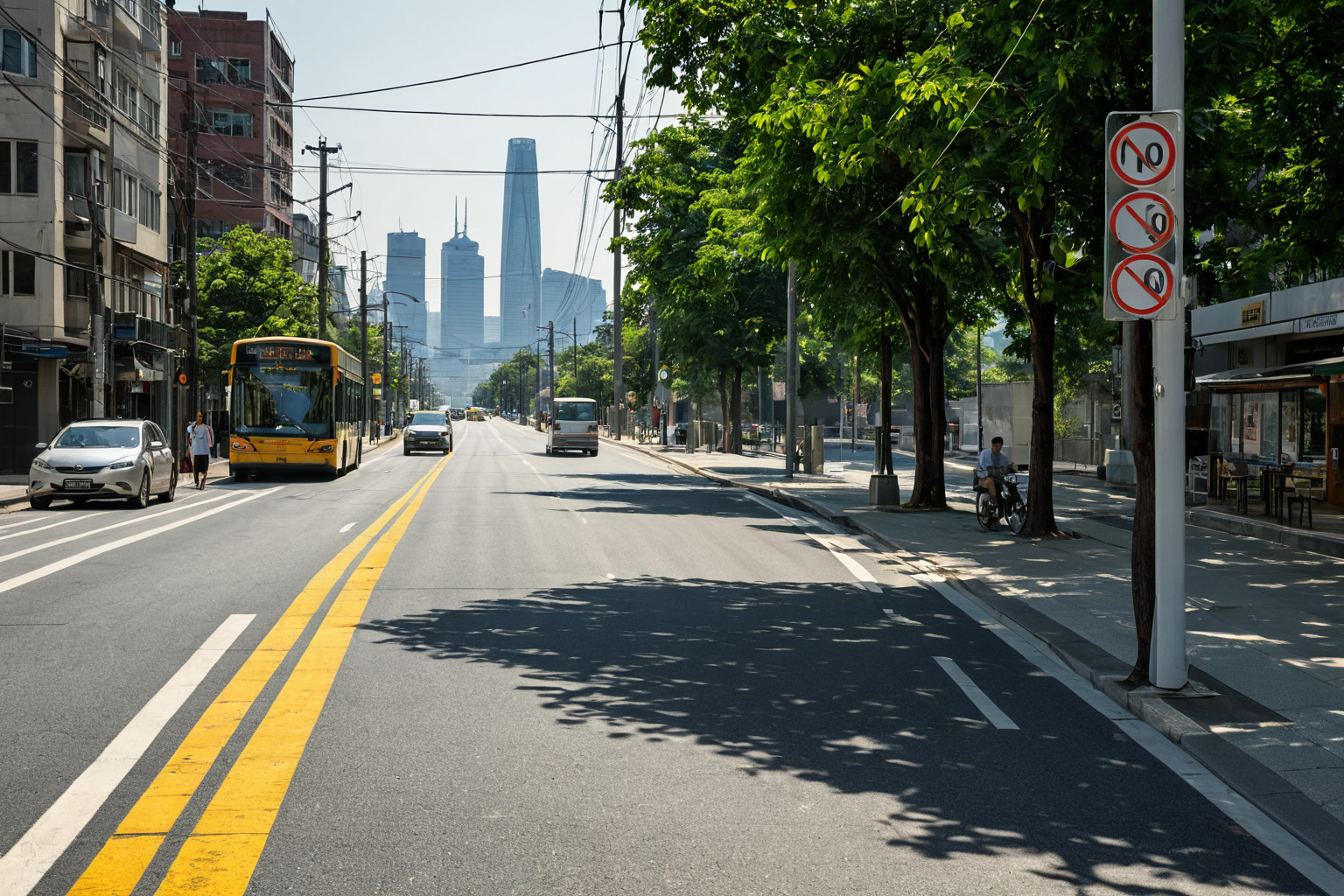
Seoul's Severe Heatwave Alert: What It Means and Why You Should Avoid Going Out
Seoul's severe heatwave alert is issued when the afternoon high temperature reaches 38-39°C, a level classified as 'killer heat.' This is when the risk of heatstroke rises sharply, with elderly people accounting for 62% of heat-related deaths. The Meteorological Administration recommends avoiding outdoor activity between noon and 5 PM and consuming 2 liters of water daily. Seoul City has implemented comprehensive measures including spraying water on streets, suspending outdoor work, and providing cooling cost subsidies.
Specific Risks When the Severe Heatwave Alert Is Issued
The severe heatwave alert issued by the Meteorological Administration indicates that afternoon high temperatures have reached 38-39°C. This level is classified as 'killer heat,' posing life-threatening risks. During such alerts, heatstroke cases surge rapidly; in Gyeonggi Province, over 400 people sought medical attention for heat-related illnesses when daytime highs hit 39°C. Elderly individuals account for 62% of heatstroke fatalities, making their protection urgent.
How Seoul Issues the Severe Heatwave Alert and Response Measures
On August 4, 2026, a severe heatwave alert was issued across Seoul. This marked the first such alert for Seoul this year, with the Meteorological Administration attributing the temperature spike to a double heat dome phenomenon combined with humid southerly winds. Seoul City immediately deployed water-spraying vehicles, suspended outdoor work, and initiated cooling cost subsidies. On the same day, Seoul implemented its emergency response plan 'Stop, Cool Down, Check,' aimed at ensuring citizen safety.
On August 6, 2026, severe heatwave alerts were also issued in Chuncheon, Hwacheon, and Hongcheon counties, indicating the spread of extreme heat from Seoul and Gyeonggi Province. In Daegu and North Gyeongsang Province, an 'outdoor activity shutdown' policy had already been in place since July 12, with 16 heatstroke cases reported.
Scientific Causes and Responses to the Severe Heatwave Alert
The severe heatwave alert is triggered by a double heat dome phenomenon combined with humid southerly winds, causing rapid temperature increases. This intensifies heatwaves, particularly during midday hours. The recommendation to avoid outdoor activity between noon and 5 PM stems from this period being when temperatures peak and the risk of heatstroke is highest.
Seoul City applies its emergency response plan 'Stop, Cool Down, Check' during severe heatwave alerts. This plan involves: first, avoiding outdoor activities and staying indoors to stabilize; second, cooling down by drinking cold water or fluids; and third, checking on vulnerable groups like elderly neighbors for assistance. These are official government-recommended measures to prevent heatstroke.
Specific Details of Seoul's Response Measures
Seoul City implements various comprehensive measures during severe heatwave alerts. First, it deploys water-spraying vehicles to lower temperatures on roads and parks. Second, it orders the suspension of outdoor work to protect laborers. Third, it provides cooling cost subsidies for low-income households and elderly residents.
Seoul City urges citizens to avoid going out during severe heatwave alerts, especially between noon and 5 PM when temperatures are highest and sun exposure is strongest. It also strongly recommends consuming at least 2 liters of water daily to maintain hydration and regulate body temperature.
Protection Measures for Elderly and Vulnerable Groups
Data shows that elderly individuals account for 62% of heatstroke fatalities during severe heatwave alerts in Seoul. This is due to reduced ability to regulate body temperature and worsening health conditions. To protect these vulnerable groups, Seoul City has implemented special health management programs including additional cooling facilities in senior residences and home healthcare services.
Additionally, as part of its 'outdoor activity shutdown' policy, Seoul restricts beach access and nighttime water activities to prevent heatstroke, with a particular focus on protecting children and the elderly.
Key Information to Note
The severe heatwave alert requires avoiding outdoor activity due to life-threatening risks at 'killer heat' levels and high fatality rates among the elderly. The Meteorological Administration issues the alert when afternoon highs reach 38-39°C, recommending avoidance of outdoor activities between noon and 5 PM and daily consumption of 2 liters of water. Seoul City implements comprehensive measures including water-spraying vehicles, suspension of outdoor work, and cooling cost subsidies.
This information is based on official statements from the Meteorological Administration and Seoul City. There is no confirmed link between heatwave alerts and air pollution warnings at this time. Therefore, the recommendation to avoid going out is solely due to the extreme heat itself, not air quality concerns.
Frequently Asked Questions
Why Should You Avoid Going Out Between Noon and 5 PM During a Severe Heatwave Alert?
Noon to 5 PM is when temperatures peak and sunlight exposure is strongest, leading to the highest risk of heatstroke. Staying indoors during this period and managing body temperature is safer.
Why Is Drinking 2 Liters of Water Daily Essential?
Dehydration impairs the body's ability to regulate temperature, increasing the risk of heatstroke. Consuming at least 2 liters of water daily helps maintain hydration and supports body temperature regulation.
What Additional Protection Measures Are Available for Elderly Residents During a Severe Heatwave Alert?
Seoul City installs additional cooling facilities in senior residential areas and provides home healthcare services. It also offers cooling cost subsidies for vulnerable groups to reduce energy expenses.
Frequently Asked Questions
Avoiding outdoor activity during Seoul's severe heatwave alert is essential due to the life-threatening 'killer heat' conditions and high mortality rates among elderly individuals. Avoid going out between noon and 5 PM, consume at least 2 liters of water daily for temperature regulation, and be aware that Seoul City implements comprehensive measures including water-spraying vehicles, suspension of outdoor work, and cooling cost subsidies. Special protection plans are in place for the elderly and vulnerable groups.
This information is based on official statements from the Meteorological Administration and Seoul City. During heatwave alerts, it's important to follow accurate information and take appropriate preventive measures against heatstroke.
You can view similar articles on this topic in one place.
View Related ArticlesFAQ
Why Should You Avoid Going Out Between Noon and 5 PM During a Severe Heatwave Alert?
Noon to 5 PM is when temperatures peak and sunlight exposure is strongest, leading to the highest risk of heatstroke. Staying indoors during this period and managing body temperature is safer.
Why Is Drinking 2 Liters of Water Daily Essential?
Dehydration impairs the body's ability to regulate temperature, increasing the risk of heatstroke. Consuming at least 2 liters of water daily helps maintain hydration and supports body temperature regulation.
What Additional Protection Measures Are Available for Elderly Residents During a Severe Heatwave Alert?
Seoul City installs additional cooling facilities in senior residential areas and provides home healthcare services. It also offers cooling cost subsidies for vulnerable groups to reduce energy expenses.
Korean Source
This article is an English localization of a Korean-language report from BlogScore. Original: 서울 폭염중대경보 시 외출 자제해야 하는 이유는 무엇인가요?