
Seoul Reports Highest Heatstroke Cases Amid Rising Temperatures and Health Strategies
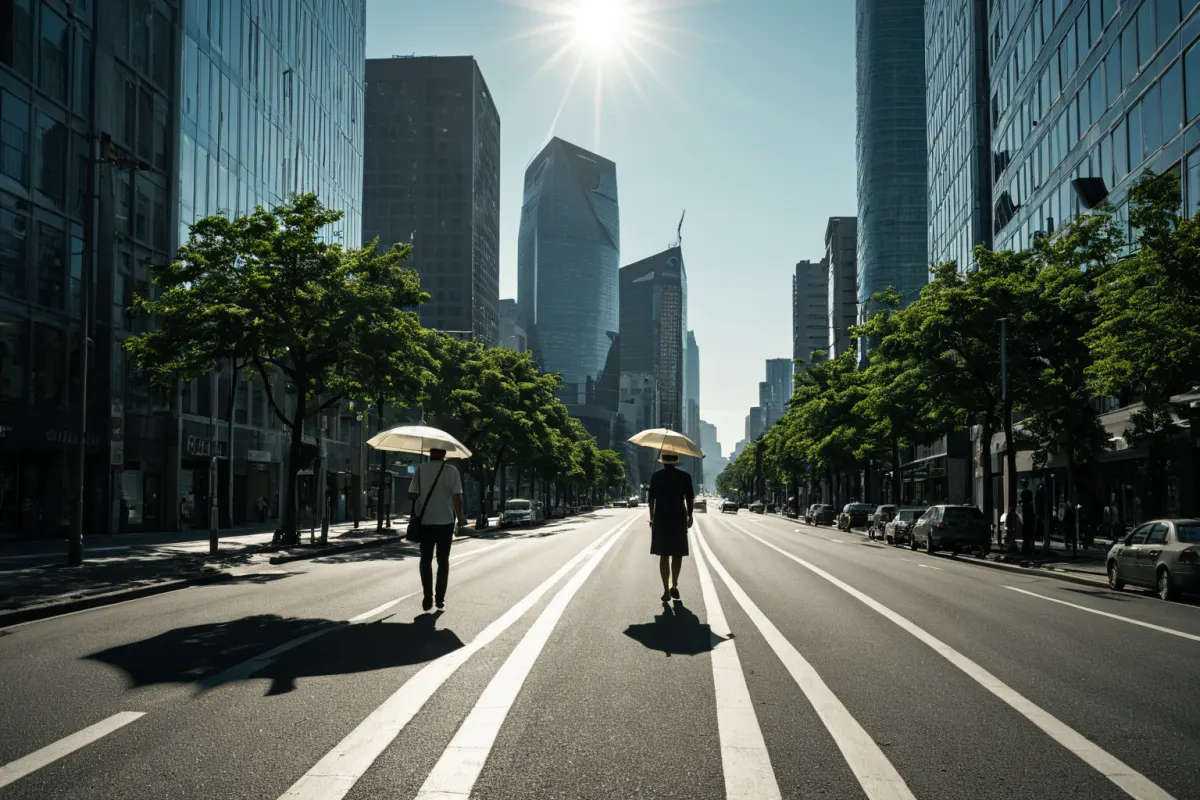
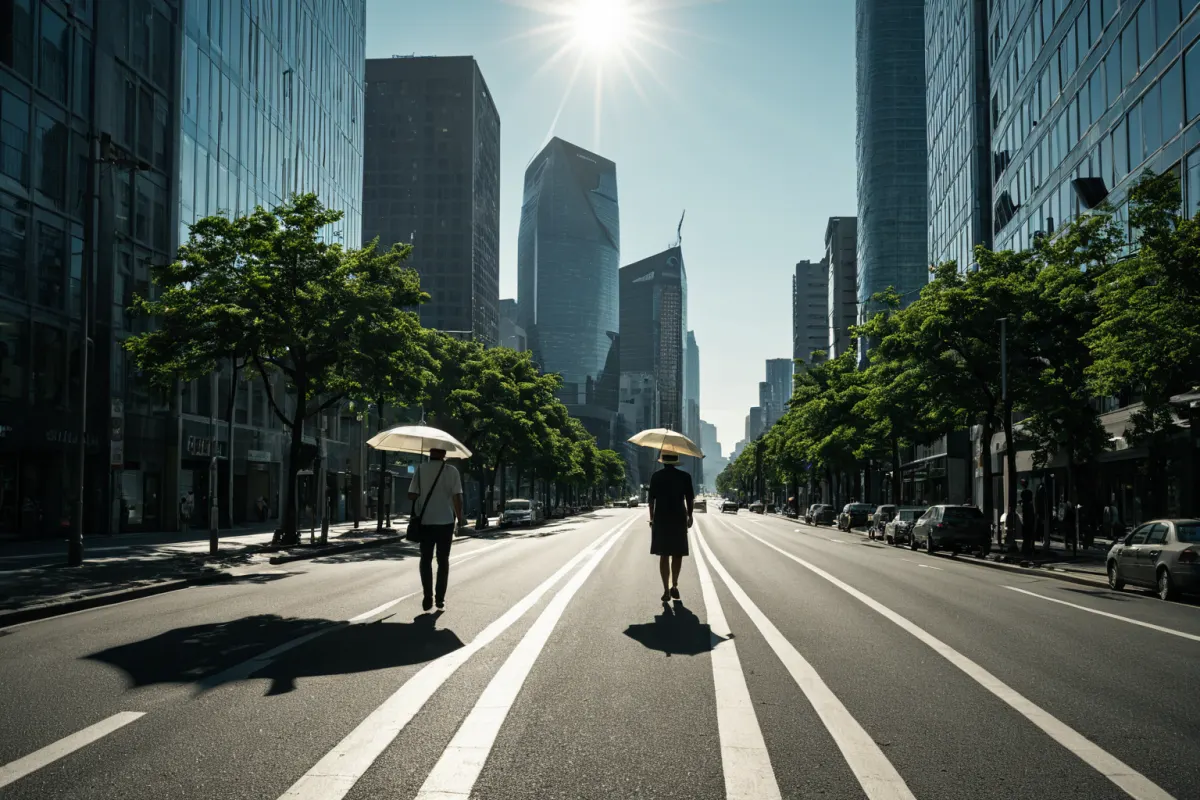
Seoul's Highest Heatstroke Case Numbers
Seoul has the highest number of heatstroke cases in South Korea, with an average of 23 patients reported daily as prolonged heatwaves continue. Cases increase by 50% between 6 a.m. and 10 a.m., making this period particularly risky for morning exercise or outdoor activities. This year, the first heatstroke-related death occurred earlier than ever before in mid-May, prompting Seoul and Gyeonggi-do to strengthen emergency medical systems.
Heatstroke Statistics and Time-Based Analysis
From May through August this year, a total of 162 heatstroke cases were reported in Seoul, including two fatalities. The daily average stands at 23 patients, with a notable 50% increase between 6 a.m. and 10 a.m., likely due to rising morning temperatures and increased outdoor activity. Urban areas in Seoul experience the urban heat island effect, maintaining temperatures 3-4 degrees Celsius higher than surrounding regions, which further elevates the risk of heatstroke.
Earliest Death Case and Response Measures
The first heatstroke death this year occurred in mid-May, marking the earliest recorded fatality since monitoring systems were established. Gyeonggi-do has activated emergency medical response systems to address prolonged heatwaves, while Seoul and Gangseo District have held emergency meetings focused on protecting vulnerable populations. Gangseo District Mayor Jin Gyo-hoon emphasized the need for concentrated protection of vulnerable groups, highlighting that this year's early fatality—occurring more than two weeks earlier than previous records—underscores the urgency for improved heatwave response systems.
Heatstroke Prevention Campaigns and Technical Responses
The IPARK Hyundai Industrial Development and Seoul Eastern Division of the Safety and Health Agency are jointly conducting a heatstroke prevention campaign, enhancing AI and digital transformation (DX) based systems to manage heatwaves. On July 27, IPARK Hyunseon announced an enhanced AI-based heatstroke prevention system. Meanwhile, Yeongju City has urged agricultural safety measures and heatstroke prevention, while Daegu and Milyang regions have experienced sustained temperatures above 38°C with perceived temperatures exceeding 35°C. These regional conditions suggest a trend of heatwaves spreading toward the metropolitan area, indicating the need for nationwide response strategies.
Seoul's Long-Term Heatwave Response Strategy
Seoul is strengthening protections for vulnerable populations and conducting comprehensive reviews of its heatwave response systems to address rising heatstroke cases due to prolonged heatwaves. As of August 4, an average of 23 heatstroke patients were reported daily in Seoul—linked to a forecasted high of 39°C on the hottest days this summer. The city is enhancing on-site responses and holding emergency meetings to assess progress across different sectors. Additionally, Seoul has expanded cooling facilities at public venues and is providing free cooling spaces for vulnerable populations.
The current heatstroke case trends in Seoul are analyzed as a result of combined effects from urbanization and climate change. The concentration of buildings and asphalt roads in the city leads to increased heat retention, making it harder to regulate body temperature during extreme heat. To mitigate this urban heat island effect, Seoul is focusing on expanding green spaces within urban areas and improving building regulations.
Prevention Strategies and Practical Tips
To prevent heatstroke, avoid outdoor activities between 6 a.m. and 10 a.m., when body temperature regulation becomes more difficult due to rising temperatures. It is safer to schedule exercise or outings for later in the day. Ensure adequate hydration and rest periods, with special attention needed for elderly individuals and vulnerable populations. Seoul offers a real-time 'Heatwave Live Chat' service providing up-to-date heatwave information and prevention tips.
Regional Differences in Heatwave Response
While Seoul and Gyeonggi-do have strengthened emergency medical response systems, Chungbuk Province reported heatstroke cases occurring five days earlier than last year—a sign of unseasonably warm weather. In Gyeongsangnam Province, extreme heatwaves spreading toward the metropolitan area have led to a surge in heatstroke cases, prompting the Central Disaster and Safety Countermeasures Headquarters to elevate its response level to Level 2. These regional differences reflect complex interactions between changing climate patterns and varying levels of urbanization.
Evolution of Heatstroke Response Systems
Seoul and Gangseo District are focusing on protecting vulnerable populations through emergency meetings, while IPARK Hyundai Industrial Development and the Safety and Health Agency have enhanced their AI-based prevention campaigns. These efforts represent a new paradigm in heatwave management, moving beyond simple responses toward systematic and sustainable approaches. Yeongju City has also emphasized agricultural safety measures and tailored regional strategies for heatstroke prevention.
Key Information to Note
The high number of heatstroke cases in Seoul is due to rising temperatures and increased outdoor activity, particularly a 50% spike between 6 a.m. and 10 a.m. The earliest recorded fatality this year occurred in mid-May—earlier than any previous case—and highlights the need for stronger response systems. Seoul has activated emergency medical systems and implemented policies focused on protecting vulnerable populations. Additionally, efforts to mitigate urban heat islands through expanded green spaces and improved building regulations are underway.
Frequently Asked Questions
What should I do if someone experiences heatstroke?
Movement to a cool location immediately, drinking water, and lowering body temperature is recommended. Seek emergency care for severe cases.
Is it safe to go out between 6 a.m. and 10 a.m.?
No. This period sees a 50% increase in heatstroke cases, so outdoor activities or exercise should be avoided during these hours.
Why did fatalities occur among Seoul's heatstroke patients this year?
The first fatality occurred earlier than any previous recorded case before monitoring systems were established. Prolonged heatwaves and inadequate management of vulnerable populations may have contributed to the deaths.
You can view similar articles in one place.
View Related ArticlesFAQ
What should I do if someone experiences heatstroke?
Movement to a cool location immediately, drinking water, and lowering body temperature is recommended. Seek emergency care for severe cases.
Is it safe to go out between 6 a.m. and 10 a.m.?
No. This period sees a 50% increase in heatstroke cases, so outdoor activities or exercise should be avoided during these hours.
Why did fatalities occur among Seoul's heatstroke patients this year?
The first fatality occurred earlier than any previous recorded case before monitoring systems were established. Prolonged heatwaves and inadequate management of vulnerable populations may have contributed to the deaths.
Korean Source
This article is an English localization of a Korean-language report from BlogScore. Original: 서울 온열질환자 최다, 기온 상승과 건강 관리 전략